Last updated November 18, 2026


Free written scope consultation - allowances, timeline, and change-order rules on paper before a single trade is scheduled
The Complete Fence Installation Guide for Santa Ana Homeowners
The most expensive fence call we get isn’t “my fence blew over.” It’s “the city says I have to remove my fence because it was built 18 inches into the setback.” That mistake costs you every dollar of the original fence, plus demo, plus a rebuild, plus whatever the neighbor and the city decide to say about it. In our experience around Santa Ana, fence projects fail for paperwork reasons far more often than construction ones: wrong setbacks, missing neighbor sign-offs, HOA conflicts, and permits that never got pulled and only surface at resale. This guide walks you through the rules that decide whether your fence is an asset or a liability, how Santa Ana’s coastal humidity and wind events should shape your material choice, and how to get the property line right before the first post goes in the ground.
Quick Answer
In Santa Ana, most residential fences don’t need a permit if they stay within the city’s standard height limits at the side and rear property lines, but front-yard fences, corner-lot fences, and anything taller than the standard limit almost always do. The bigger risk isn’t the height: it’s the property line. A fence placed even a few inches onto a neighbor’s lot or into a required setback can be forced to come down at your expense. Get the survey, the setbacks, the neighbor’s written OK, and any HOA approval figured out before you buy a single panel.
Styles & brands we work with
- Kitchen remodeling
- Bathroom remodeling
- Home additions & ADU
- Roofing
- Windows & doors
- Driveway & pavers
- Fence
Table of Contents
- Santa Ana Setback Rules by Fence Type and Location
- How Corner Lots Get Different Treatment
- When You Need a Fence Permit in Santa Ana (and When You Don’t)
- Reading Your Property Survey vs. a GIS Map
- Material Durability in Santa Ana’s Climate
- The California “Good Neighbor Fence” Rule
- What Fence Installation Costs in Santa Ana
- Common Mistakes to Avoid
Santa Ana Setback Rules by Fence Type and Location
Setbacks are the distance a fence has to sit back from the property line or from the street. They change depending on where the fence is and how tall it is. This is the single most common source of “remove your fence” notices in Santa Ana, and the rules are not the same in the front yard as they are in the back.
Here’s how the general picture breaks down. Front-yard fences are the most restricted, because they sit in what’s called the required front setback and they affect sightlines for the street. Side-yard fences are usually allowed to run closer to the property line, and rear-yard fences are the least restricted. Height is the other lever: the taller the fence, the more likely it bumps into a limit.
- Front yard: lowest height allowed, and the fence usually has to sit behind the required front setback line, not at the sidewalk.
- Side yard (street-facing side): on a corner lot this side gets treated like a front yard. On an interior lot it’s usually more permissive.
- Rear yard: the most flexible location, though the height limit still applies.
- Pool and safety fencing: separate rules apply because of pool barrier codes, and those override the standard height limits.
We’ve seen homeowners in Santa Ana assume the rule on their street is the same for every lot. It isn’t. The exact limits depend on your zoning, your lot, and whether you’re on a corner. Before any design is final, confirm the actual numbers with the city’s planning counter for your specific address. A five-minute call up front beats a demo crew later.
How Corner Lots Get Different Treatment
If your Santa Ana home sits on a corner, treat it as a separate set of rules. Corner lots get what’s called a sight triangle or sight-distance requirement at the intersection, and fences inside that zone are restricted so drivers and pedestrians can see each other. A fence that would be perfectly fine on an interior lot can be flat-out prohibited at a corner.
Two things typically trip up corner-lot owners:
- Both street-facing sides count like front yards. The side yard that faces the cross street usually gets the front-yard treatment on a corner, which means the same lower height limits and setback requirements.
- The intersection sight triangle is its own restriction. Near the corner of the lot, fences have to stay low or stay back. We’ve watched homeowners get their fence flagged because the far end crept into the sight triangle even though the rest of it was fine.
This matters most on the tight streets and older subdivisions around downtown Santa Ana, where lots are narrower and setbacks are already slim. If you’re not sure whether you’re on a corner lot as the city defines it, this is exactly the kind of question to settle before you pick a material or a height. A fence that reads as a nice boundary on paper can read as a code violation at the counter.
When You Need a Fence Permit in Santa Ana (and When You Don’t)
Most standard-height residential fences at the side and rear property lines don’t require a permit in Santa Ana. Anything taller than the standard limits, any fence in the front setback, pool safety barriers, and fences on certain corner or special lots usually do. When a permit is required, it’s a small cost compared to tearing out an unpermitted fence at resale.
Here’s the thing we run into constantly: the last contractor many homeowners used told them permits were optional. That line gets expensive later. An unpermitted fence can show up as an open issue when you sell, when you refinance, or when a neighbor files a complaint. The permit inspector works for you, not for us. That’s why we like him. An inspection is a third party confirming your fence meets the rules, and that record follows the property in a good way.
When a fence does need a permit, the process usually looks like this:
- Confirm the required setbacks and height limits for your lot and zone.
- Submit a site plan showing the fence line, height, and material, along with the permit application.
- Pay the permit fee, which varies with the scope.
- Complete the installation to the approved plan.
- Schedule the inspection and get it signed off.
Every eligible job we take on, we pull the permits and see them through to a signed inspection. It’s part of how we do business, not an upsell. If you’d like an honest read on whether your Santa Ana project needs a permit, the free estimate starts with that conversation. You can see how we approach full installations on our Fence Installation in Santa Ana page.
Reading Your Property Survey vs. a GIS Map
A GIS map is a decent starting point and a terrible final word. A recorded property survey is the document that decides where your fence actually goes. If you don’t have a survey, get one before you install. This is the highest-value money you’ll spend on the whole project.
A property survey is prepared and stamped by a licensed land surveyor, and it shows the metes and bounds of your lot, the setbacks, easements, and any encroachments. A GIS map is a public overlay of the county’s parcel data, and its accuracy varies. On a screen, the line looks exact. On the ground, it can be off by feet, not inches. We’ve seen GIS lines run noticeably inside the true property line, and we’ve seen them run outside it. Post holes don’t care how good the map looked.
- Use the GIS map to orient yourself. It’s helpful for understanding the lot shape and where the utilities roughly run.
- Use the recorded survey to place the fence. The surveyor’s stakes and bearings are what you build to.
- Locate utilities before digging. Call 811 a few days ahead so nobody hits a gas or water line. That service is free, and skipping it isn’t.
- Flag the line with the neighbor before demo. A shared walk of the property line, with the survey in hand, prevents most disputes before they start.
We can’t overstate this: a fence built to the GIS line instead of the survey line is exactly how the “the city says remove my fence” call happens. Get the survey. Build to the survey.
Material Durability in Santa Ana’s Climate
Santa Ana’s climate does two things to fences that homeowners underestimate. The marine humidity from the coast works on wood and metal year-round, and the Santa Ana wind events deliver hot, dry gusts that stress posts, panels, and fasteners. A material that holds up fine in a dry inland climate can fail fast here. Here’s how the common options hold up in Santa Ana specifically.
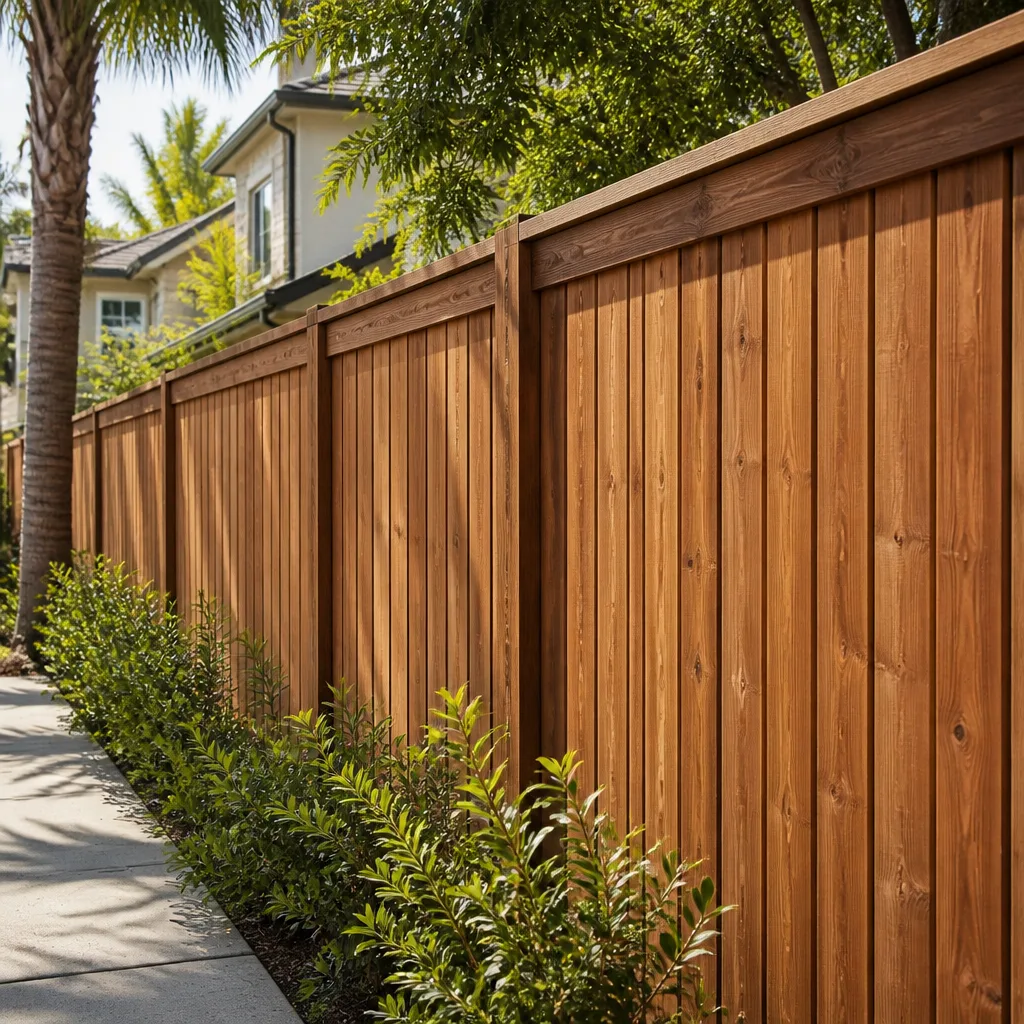
- Wood (cedar and redwood): A classic look, but the coastal humidity and dry spells together make untreated wood move, crack, and rot at the base faster than most homeowners expect. Cedar and redwood age better than pine, and with good posts and a proper stain schedule, a wood fence can last. The post bases and footings are where wood fences in Santa Ana fail first, so don’t skimp there.
- Vinyl: Doesn’t rot and handles humidity well. Cheaper vinyl gets brittle in the heat and can crack under wind load; higher-grade vinyl with reinforced rails holds up. Wind exposure matters on open lots here, so the post spacing and reinforcement need to be right.
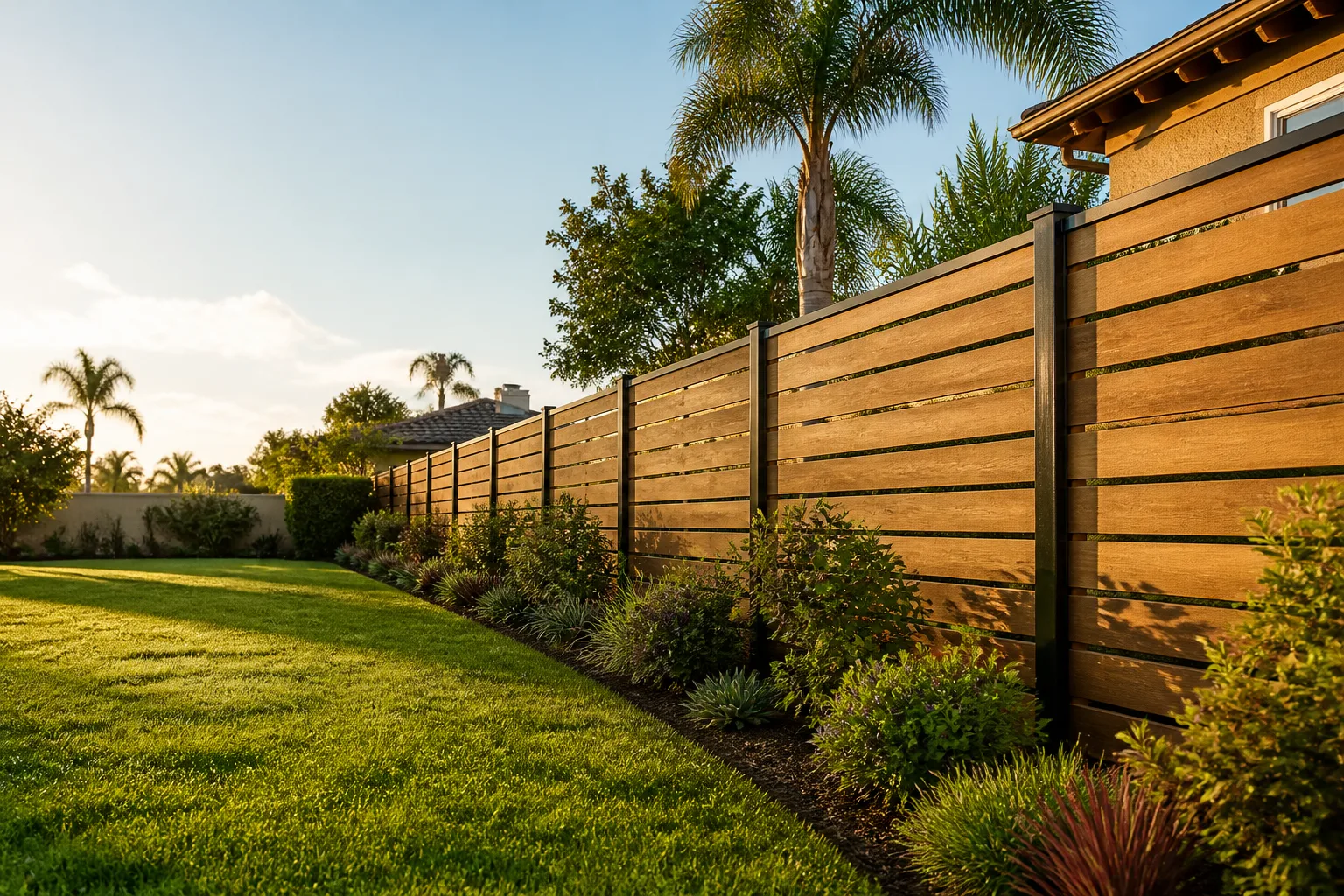
- Ornamental steel and aluminum: Brands like Ameristar and Master Halco make panels that shrug off humidity and wind better than most. Aluminum is lighter and rust-resistant; steel is heavier and stronger. Powder-coated finishes matter here, because bare metal and coastal air don’t get along.
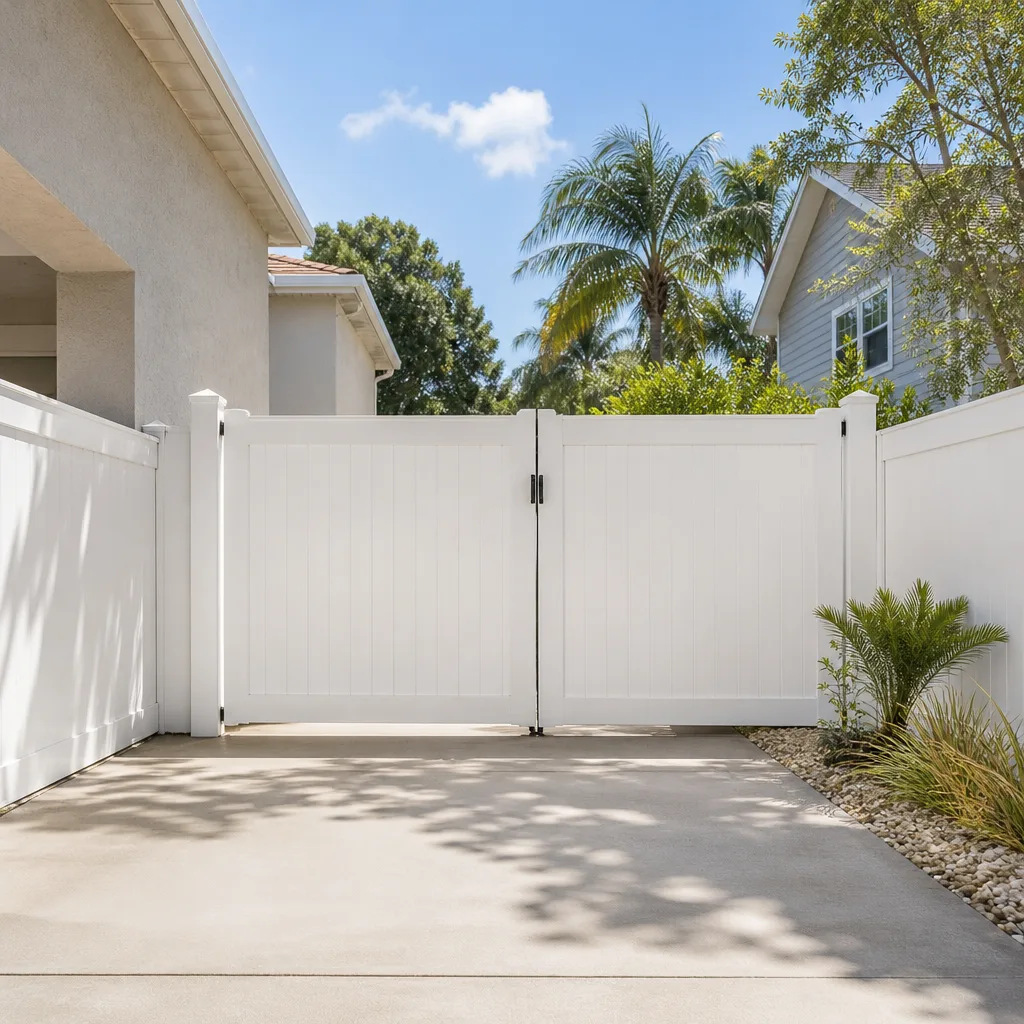
- Composite: No rot, no painting, handles humidity well. It costs more up front and can fade in strong sun, so pick a quality line. For homeowners who want to stop maintaining a fence, it’s a solid pick.
- Chain link with privacy slats: Functional and affordable. Choose coated chain link to resist the humidity, and pick sturdy posts for the wind.
For a lot of Santa Ana homeowners, the material decision comes down to how much maintenance you want to do versus how much you want to pay up front. Premium brands like Barrette and ViewLux make wood and vinyl lines that hold their look longer, and looking the brand up before you buy beats a mystery brand off a van. Whichever way you go, the footings and posts decide how the fence survives the next wind event, not the panel.
The California “Good Neighbor Fence” Rule
California’s “good neighbor fence” rule lets neighbors share the cost of a boundary fence that benefits both properties, but it’s a conversation, not an automatic bill. The rule is about boundary fences that are reasonable and equally beneficial to both sides. It doesn’t mean your neighbor has to split any fence you decide to build, and it doesn’t mean you can force a particular design on them.
The mistake is building first and asking for money later. We’ve seen it go badly in Santa Ana more than once: one neighbor puts up a fence, sends the other a bill, and the whole thing ends up in a dispute that costs more than the fence. The fix is boring and it works. Have the conversation before you buy materials, put the agreement in writing, and keep your own written record.
A practical order of operations:
- Walk the property line with your neighbor and the survey in hand.
- Agree on the fence height, material, and style, and who’s paying what share.
- Confirm whether the fence needs a permit, and who pulls it.
- Sign a short written agreement covering cost split and placement.
- Build to the survey, then get any required inspection signed off.
Good fences make good neighbors mostly because the paperwork gets done first. An allowance that isn’t on paper is a surprise waiting for a date, and that’s as true between neighbors as it is between a homeowner and a contractor. Get the cost share in writing, and both of you walk to the hardware store on Saturday without a grudge.
What Fence Installation Costs in Santa Ana
Fence installation in Santa Ana typically runs somewhere between about $30 and $75 per linear foot installed, depending on material, height, terrain, and how much site work is involved. That’s a wide range because the material choice drives most of the cost. Here’s how the line items usually break down for a typical residential yard.
| Line item | Typical Santa Ana range |
|---|---|
| Wood privacy fence (installed) | $30 – $55 per linear foot |
| Vinyl fence (installed) | $35 – $65 per linear foot |
| Chain link (installed) | $20 – $35 per linear foot |
| Ornamental steel or aluminum (installed) | $45 – $90 per linear foot |
| Composite fence (installed) | $50 – $85 per linear foot |
| Fence removal and haul-away | $400 – $1,200 per job |
| Permit fee (when required) | Varies with scope; confirm with the city |
| Property survey (if you don’t have one) | Separate cost, paid to the surveyor |
A few things move the number beyond the material. Sloped yards need stepped panels or racked rails. Hard or rocky soil can slow the digging. Gates, posts, and every corner add material and labor. And a fence that has to come out before the new one goes in means demo, hauling, and disposal on top of the install.
Two pricing rules keep a fence quote honest. Scope in writing, allowances in writing, change orders in writing. Any price change should arrive as a written change order before a single nail moves, not as a surprise invoice at the end. When you get a bid, ask what happens if the yard is harder than expected. An honest contractor puts the range in writing. If you want to bundle the fence work with other exterior projects, it’s worth pricing Driveway & Pavers in Santa Ana in the same visit, since the site access and haul-away overlap.
Common Mistakes to Avoid
- Building to the GIS map instead of the survey. The screen line looks exact and isn’t. A fence even a few inches onto your neighbor’s lot can be forced down at your cost, so build to a licensed surveyor’s stakes, not a county overlay.
- Skipping the neighbor conversation on a shared boundary. Buying materials before you’ve agreed on placement and cost share is how good neighbor fences turn into disputes. Walk the line together with the survey in hand before you order anything.
- Assuming the height limit is the same on every side. Front, side, and rear yards carry different limits, and a corner lot gets treated differently on the street-facing side. Confirm the numbers for your lot with the city before the design is final.
- Setting posts too shallow or too close together for wind load. Santa Ana wind events find every weak post. Footing depth and post spacing decide how the fence survives a gusty week, so don’t let a low bid cut corners underground where you can’t see them.
- Ignoring the pool barrier code. If the fence is part of your pool safety barrier, the rules are stricter than standard fence limits, and a fence that looks fine can still fail inspection. Get that confirmed up front.
- Forgetting the HOA. Plenty of Santa Ana neighborhoods have architectural review for fence height, material, and color. A city-approved fence can still get flagged by the HOA, so check both before you build.
- Treating an unpermitted fence as a shortcut. It surfaces at resale, at refinance, or when a neighbor complains, and fixing it costs more than the permit would have. A record of a signed inspection is worth far more than the fee you skipped.
See the difference
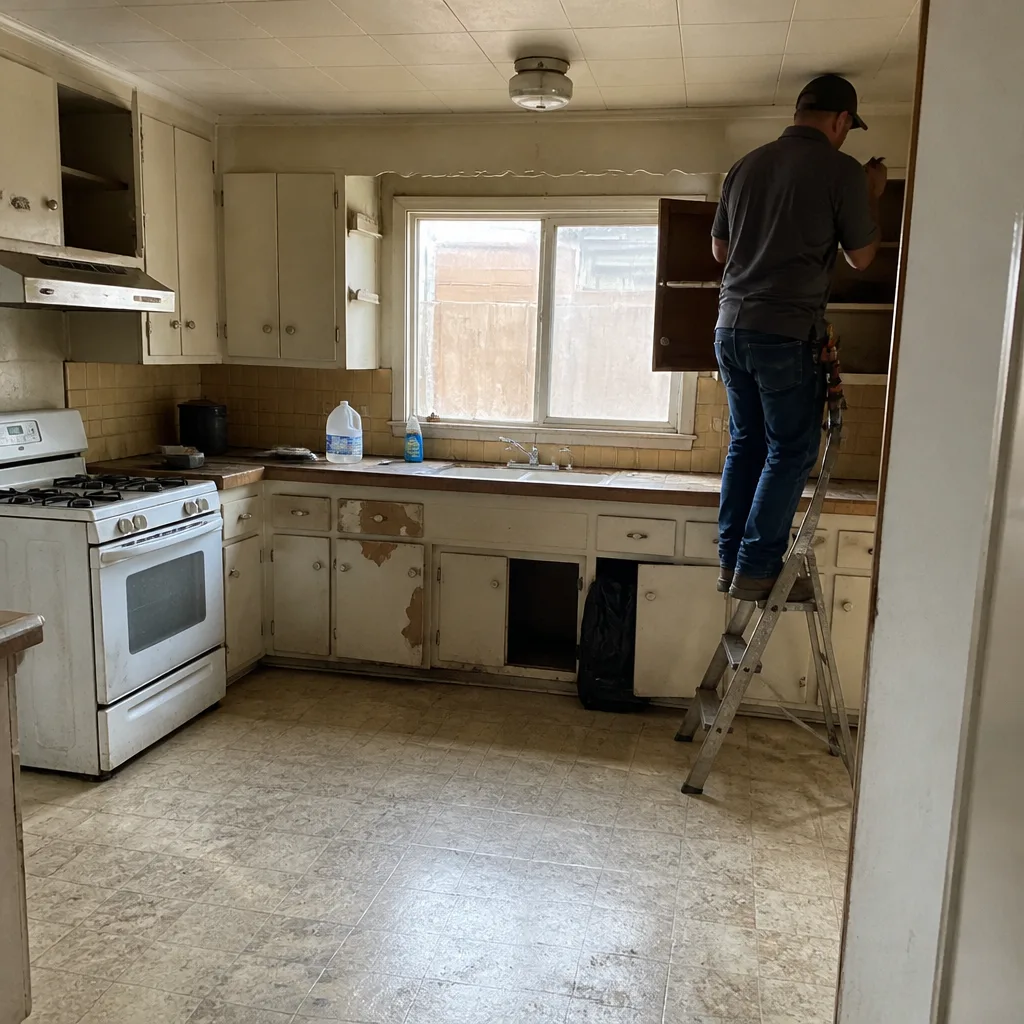 Before
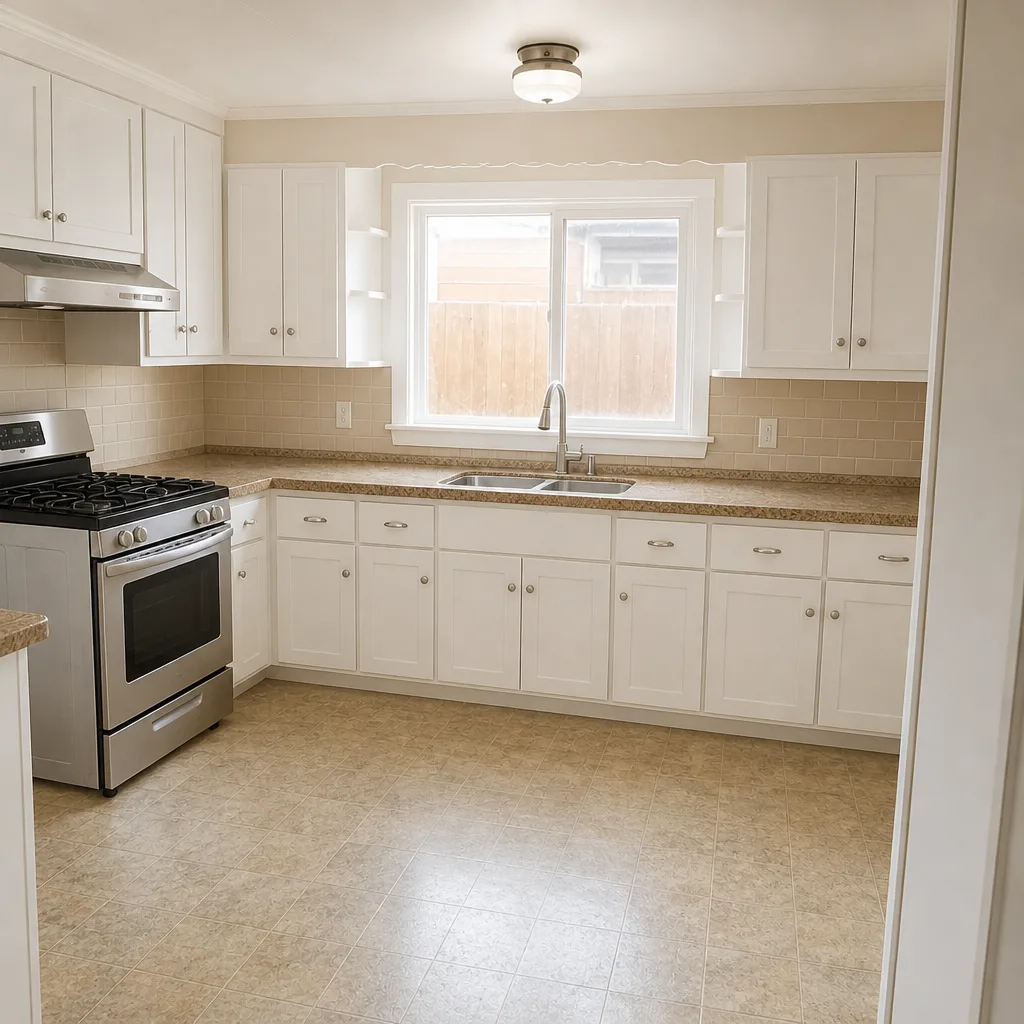 After
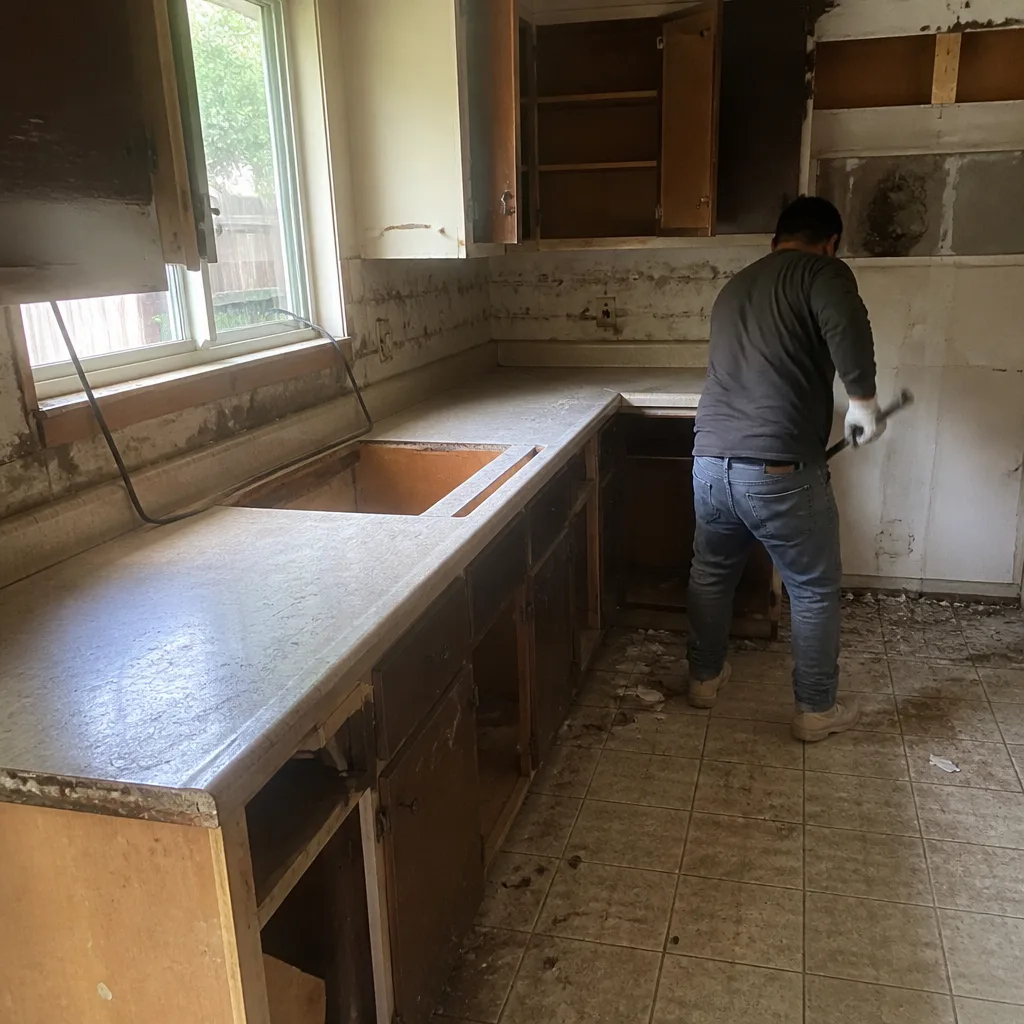 Before
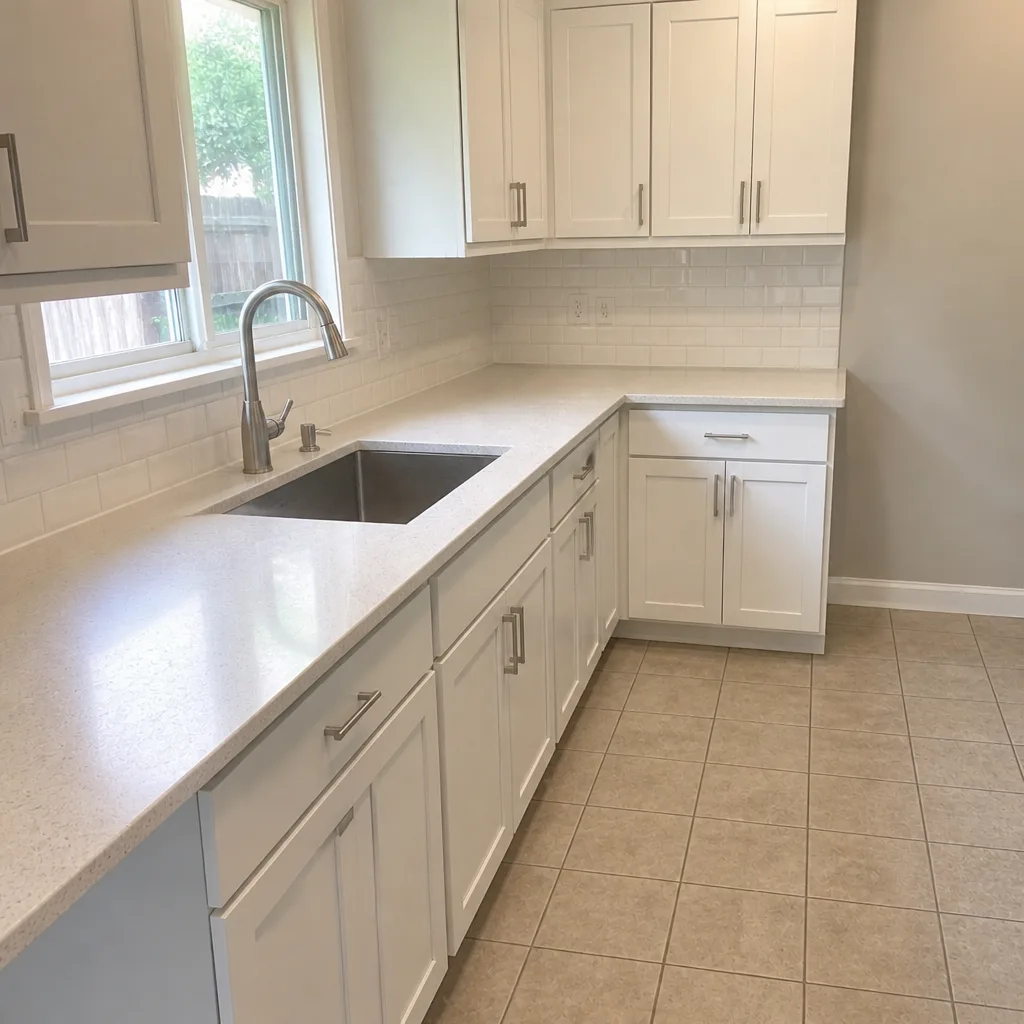 After
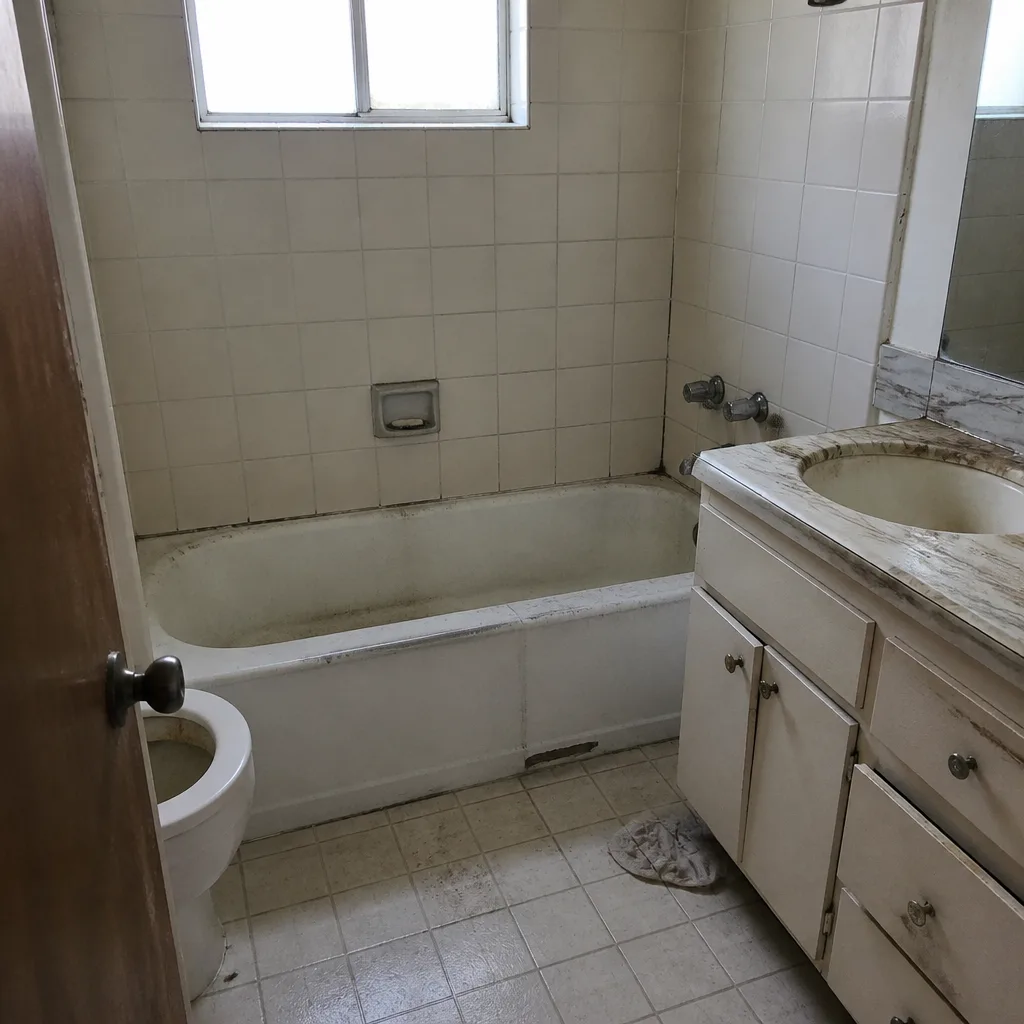 Before
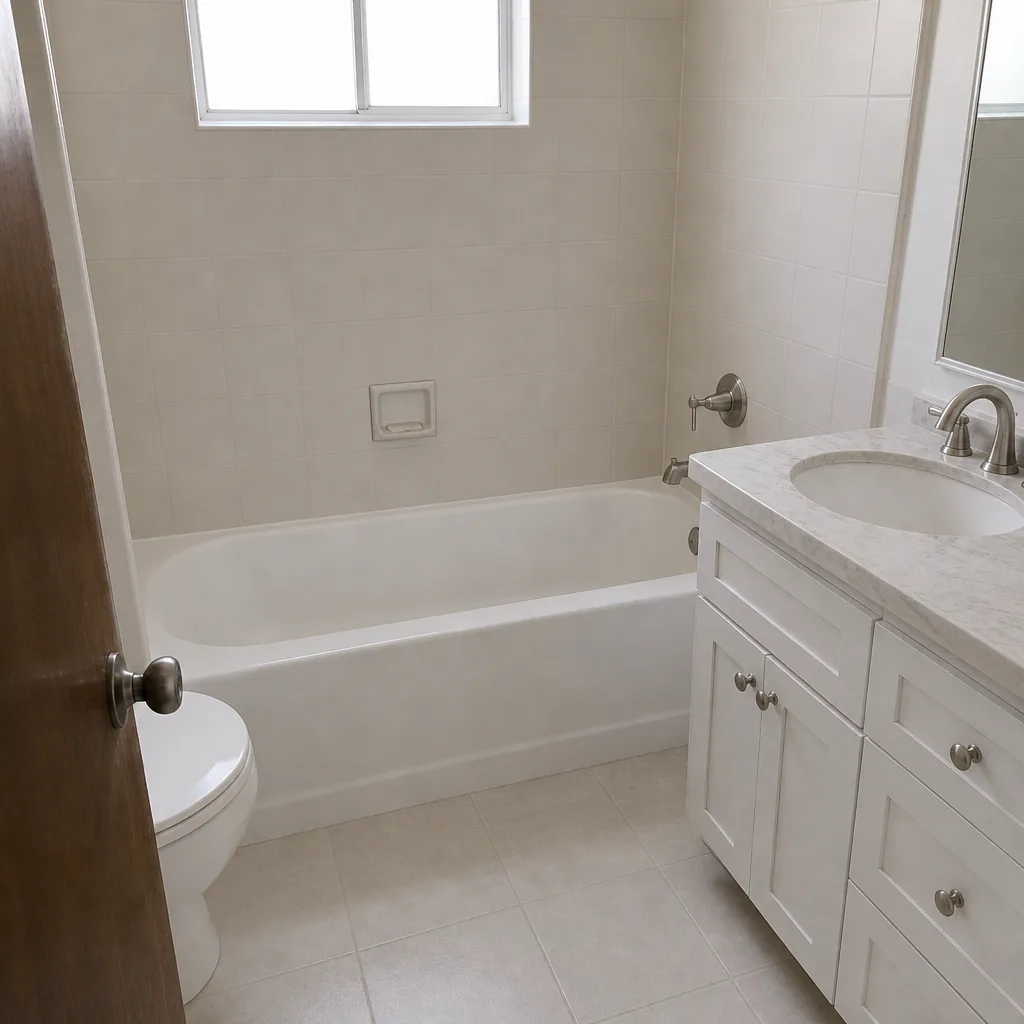 After
When to Call a Professional
Most homeowners can figure out a fence height rule, but a few situations call for a pro before anything gets dug. If your lot is on a slope, on a corner, or has an unclear property line, get help setting the layout first. If the fence is part of a pool barrier, if a permit or inspection is clearly required, or if a neighbor has already raised the property line question, that’s a job to hand off. Wind-loaded open lots, long runs with multiple gates, and anything that has to meet a surveyor’s stakes are all easier and cheaper done right the first time. Barrett & Sons Construction Santa Ana offers free estimates in Santa Ana – call (888) 325-4971. We pull the permits, put the scope in writing, and back the work with our written 90-Day Done Right Promise. If you’re planning a bigger exterior project alongside the fence, our Home Additions & ADU in Santa Ana team can map out the site work so nothing gets built twice.
Frequently Asked Questions
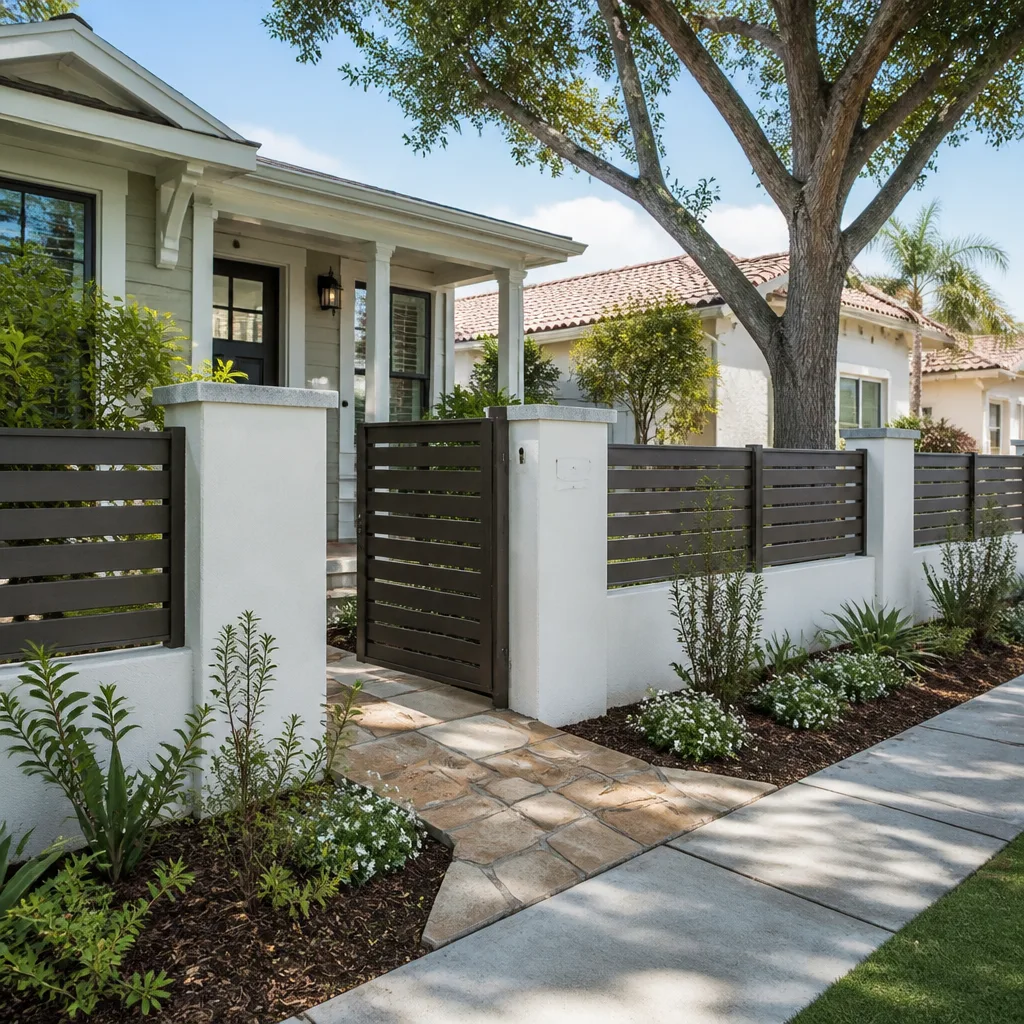
Most standard-height residential fences at the side and rear property lines don’t require a permit in Santa Ana, but front-yard fences, corner-lot fences, taller-than-standard fences, and pool safety barriers usually do. The exact threshold depends on your zoning and lot, so confirm with the city’s planning counter for your address before you build. If you’d rather not chase the rules yourself, call (888) 325-4971 for a free estimate and we’ll help sort out what your project needs.
Fence installation in Santa Ana typically runs about $30 to $75 per linear foot installed, with wood on the lower end and ornamental steel or composite on the higher end. Demo, gates, sloped yards, and permits add to the total. Call (888) 325-4971 for an exact quote; estimates are free and the written scope keeps the price from moving on you.
If your fence sits on your neighbor’s property rather than the surveyed line, yes, they can ask for it to come down, and in most cases they’re within their rights. This is why you build to a licensed survey, not a GIS map. If there’s a question about the property line, get a survey before anything gets built or torn down. Call (888) 325-4971 and we’ll walk the line with you before we quote anything.
For Santa Ana’s coastal humidity and Santa Ana wind events, ornamental aluminum, coated steel, vinyl, and composite tend to hold up with the least maintenance, while wood needs proper footings and a staining schedule to survive. The post footings and spacing matter more than the panel. Call (888) 325-4971 and we’ll recommend a material based on your lot’s wind exposure and how much upkeep you want to do.
Under California’s good neighbor fence rule, neighbors can share the cost of a boundary fence that benefits both properties, but it’s an agreement, not an automatic obligation. Build first and send a bill after, and you’re inviting a dispute. Have the conversation up front, put the split in writing, and keep your own copy. For a free second opinion on any written estimate you’ve already got, call (888) 325-4971.
Most residential fence jobs in Santa Ana take a few days for a typical yard, with larger runs, sloped lots, and multiple gates taking longer. If a permit or inspection is required, add time for the city’s review. The scope we put in writing tells you the timeline before the first post goes in, and any change arrives as a written change order first. Call (888) 325-4971 for a free estimate.
The Bottom Line
The fence itself is the easy part. The setbacks, the survey, the neighbor’s written OK, the HOA, and the permit are what decide whether your Santa Ana project is an asset or an expensive do-over. Get the property line right with a licensed survey. Confirm your front, side, and corner-lot limits with the city. Have the good neighbor conversation in writing before you buy materials. Pick a material based on how much wind and humidity it’ll see, not just how it looks in a catalog. Then get the scope, the allowances, and every change order in writing, and make sure the permits get pulled and the inspection gets signed. Do those things first, and the installation goes smoothly because there’s nothing left to surprise you. You can see our full range of exterior work on the Barrett & Sons Construction Santa Ana home page.
Ready to Get an Honestly Priced Fence?
If you’re planning a fence in Santa Ana and want a straight read on setbacks, permits, and the real cost before you commit, call (888) 325-4971 for a free estimate. We’re owner-operated, every eligible job gets its permits pulled and inspections signed, every price change comes to you as a written change order before work proceeds, and every completed job is backed by our written 90-Day Done Right Promise. A live person answers the phone, day or night. Ask us the hard questions about the property line first: that’s where the money gets saved.
Written by the team at Barrett & Sons Construction Santa Ana.