Last updated November 18, 2026
Free written scope consultation - allowances, timeline, and change-order rules on paper before a single trade is scheduled
The Complete Windows & Doors Guide for Santa Ana Homeowners
Santa Ana homeowners who buy windows rated for a northern California climate often watch them fail within five years. That’s not a sales pitch, it’s a pattern we’ve seen across dozens of homes here. Marine-layer humidity creeps up from the coast every morning, then inland heat spikes by mid-afternoon, and a window that tested fine in a lab in Minnesota can’t handle that daily swing. This guide explains what actually works in Santa Ana: Title 24 rules for climate zone 8, frame materials matched to our specific humidity and temperature profile, what pre-1980 housing stock does to a simple replacement job, and how to read an NFRC label so the numbers mean something.
Quick Answer
Window and door replacement in Santa Ana must meet California Title 24 energy requirements for climate zone 8, and the right product depends on which direction the opening faces. West- and south-facing windows need a lower U-factor and a solar heat gain coefficient around 0.25 or below to handle our afternoon sun. Homes built before 1980 often have rough openings that don’t match modern standard sizes, which adds framing work, and any job that changes the opening size or alters the exterior envelope needs a permit through the City of Santa Ana Building Division.
Styles & brands we work with
- Kitchen remodeling
- Bathroom remodeling
- Home additions & ADU
- Roofing
- Windows & doors
- Driveway & pavers
- Fence
Table of Contents
- What Does Title 24 Actually Require in Santa Ana?
- Which Frame Material Holds Up Best in Santa Ana?
- How Santa Ana’s Older Housing Stock Changes the Job
- The Santa Ana Permit and Inspection Process
- How to Read an NFRC Label for Santa Ana Exposures
- Doors in Santa Ana: Entry, Patio, and Sliding
- Common Mistakes to Avoid
- When to Call a Professional
What Does Title 24 Actually Require in Santa Ana?
California’s Title 24 energy code applies to every window and door replacement in Santa Ana, and the specifics depend on which climate zone the building sits in. All of Santa Ana falls into climate zone 8, a designation that covers most of Orange County’s coastal and near-coastal areas. Zone 8 requirements are less severe than the inland zones but still require compliance documentation on file.
The practical effect is this: you can’t just buy any Energy Star window and assume it passes. Energy Star’s national baseline is looser than the zone-8 prescriptive requirements for west-facing glazing. A contractor who pulls the permit will submit compliance paperwork alongside the plans, and the inspector will check that the installed product matches what was submitted.
Here’s what a Santa Ana homeowner needs to know:
- Prescriptive vs. performance path: Title 24 allows either a prescriptive approach (meeting specific U-factor and SHGC numbers per orientation) or a performance approach (modeling the whole house). For simple one-for-one replacements, prescriptive is almost always the right path.
- Orientation matters: A north-facing window can use a higher SHGC than a west-facing one. The code recognizes that a west wall gets blasted every summer afternoon.
- Rebate eligibility: Some utility rebate programs require proof of Title 24 compliance and a recorded permit. Skip the permit and you can kiss the rebate goodbye.
- Doors count: Glazed doors – French doors, sliding patio doors, glass-paneled entry doors – are treated as fenestration under Title 24 and carry the same U-factor and SHGC requirements.
When a contractor hands you a bid, ask for the Title 24 compliance paperwork as part of the scope. If they look at you blank, that’s your answer. In our experience, the paperwork is where the difference between a real contractor and a guy with a pickup truck shows up.
Which Frame Material Holds Up Best in Santa Ana?
Santa Ana’s climate is unusual: morning humidity from the marine layer, dry afternoon heat that pushes past 90 degrees in September, and very little freezing. The material that works in Santa Ana is the one that doesn’t warp with the daily moisture-and-heat cycle.
Here’s how the four main frame types actually perform here:
- Vinyl: The most common choice for budget-conscious replacements in Santa Ana, and for good reason. It doesn’t absorb moisture, doesn’t need painting, and handles the temperature swing fine as long as you buy a quality extrusion. Cheap vinyl with thin walls will bow on a west-facing wall after a few summers. Look for a frame with internal chambers and welded corners, not screwed.
- Fiberglass: The best middle ground for Santa Ana. Fiberglass expands and contracts at almost the same rate as glass, which means fewer seal failures on the unit itself. It’s stiffer than vinyl and holds paint well. It costs more up front, but on a west wall facing the afternoon sun, the extra money goes into performance you’ll notice.
- Aluminum: Common in mid-century Santa Ana homes and still a solid choice for large openings because it’s strong and slim. The catch is thermal transfer: standard aluminum conducts heat straight through the frame. You need a thermally broken aluminum frame, which has a plastic separator between the inside and outside faces, to keep the interior surface from sweating during our humid mornings.
- Wood-clad: Wood on the inside, aluminum or vinyl on the outside. Beautiful on the interior side, and the cladding protects the wood from our coastal moisture. Higher cost, and you’ll want to inspect the cladding seams after several years of marine-layer exposure. Andersen and Marvin both make wood-clad lines we install.
If you’re counting, the short answer is this: fiberglass for the hardest exposures, quality vinyl for the rest of the house, thermally broken aluminum when the opening demands it, wood-clad when the interior finish matters.
How Santa Ana’s Older Housing Stock Changes the Job
Santa Ana has a lot of homes built before 1980. That single fact changes almost every window and door replacement in ways a homeowner doesn’t see until the crew pulls the old unit out.
Three things tend to show up:
- Rough openings aren’t standard sizes. A 1950s Santa Ana bungalow was built around whatever the carpenter had on hand. A modern window is built to a standard dimension. The gap gets filled with new framing, which is real work and adds to the cost. Budget for a framing allowance on any pre-1980 home, and demand that allowance be written into the contract before work starts, so it doesn’t become a surprise invoice at the end.
- Lead paint protocols apply. Any home built before 1978 is presumed to have lead-based paint somewhere. Federal rules require that anyone disturbing painted surfaces on a pre-1978 home be trained in lead-safe practices and follow containment procedures. Ask for the certification before the crew starts. If they don’t know what you’re talking about, that’s a red flag.
- Framing surprises are common. Water damage around old windows is the most frequent discovery. A window that’s been leaking into the wall cavity for a decade leaves you with rotten framing, damaged sheathing, and possibly termite damage underneath. It doesn’t show up until the unit is out. A written change order before the repair, no work until you sign, is the only sane way to handle it.
None of this means old Santa Ana homes are a bad bet. It means the estimate needs to account for what’s behind the wall, and the contractor needs to have seen enough of these homes to know what to expect. Every scope change arrives in writing before work proceeds – that’s how we handle it, and it’s how any contractor you hire should.
The Santa Ana Permit and Inspection Process
Replacing a window or door in Santa Ana usually requires a permit, but the rules have nuance. Here’s the short version of what triggers a permit through the City of Santa Ana Building Division:
- Same-size replacement in the same opening: Permit required. The city treats window replacement as an alteration, and a permit with a final inspection protects the homeowner and preserves any rebate eligibility.
- Changing the opening size: Permit required, and the review may expand if the opening grows beyond what the wall can carry without a header or lintel evaluation.
- New openings in a wall: Full structural review. The wall has to be checked for load-bearing capacity, and a header design becomes part of the permit.
- Egress windows in a bedroom: Any replacement in a sleeping room must meet current egress size requirements – the opening has to be big enough for a person to climb out. Older homes frequently fail this check on the first pass.
A typical Santa Ana window permit follows this sequence:
- Contractor submits application with product specs, NFRC data, and Title 24 compliance paperwork
- Plan check, usually handled over the counter for simple replacements
- Permit issued, work begins
- Framing inspection if the opening was altered
- Final inspection, and the permit closes
The permit inspector works for you, not for the contractor. That’s a good thing. An inspector who signs off on a window installation means somebody outside the contractor’s payroll verified that the flashing, the frame, and the energy compliance all meet code. If a contractor tells you permits are optional for window replacement in Santa Ana, you’ve learned something important about that contractor. Ask anyone on your street, or look up the license number yourself before you sign anything.
How to Read an NFRC Label for Santa Ana Exposures
Every window sold in the U.S. carries an NFRC label – National Fenestration Rating Council. The label has four numbers, and two of them matter most for Santa Ana homes.
U-factor measures how fast heat escapes. Lower is better. For Santa Ana’s mild winters, you don’t need an extreme value, but anything above 0.40 is a poor performer for a conditioned house. Target 0.30 or below if you’re replacing a lot of the envelope.
SHGC measures how much solar heat comes through. Lower blocks more heat. On a west- or south-facing wall in Santa Ana, you want SHGC at 0.25 or lower. On a north wall, you can go up to 0.40 without a problem, and the extra light is a bonus.
Visible Transmittance (VT) is how much light comes through. Higher is lighter. It’s the trade-off against SHGC – a very low SHGC window blocks a lot of heat but also dims the room.
Air Leakage (AL) is how much air sneaks around the edges. 0.3 or lower is standard; lower is better.
Here’s the rule of thumb for matching a window to a Santa Ana exposure:
- West-facing: U-factor ≤ 0.28, SHGC ≤ 0.22. This is the exposure that punishes a bad window.
- South-facing: U-factor ≤ 0.30, SHGC ≤ 0.25. Slightly more forgiving because the sun angle is higher in summer.
- East-facing: U-factor ≤ 0.32, SHGC ≤ 0.30. Morning sun is less intense than afternoon sun here.
- North-facing: U-factor ≤ 0.35, SHGC up to 0.40. Use the light.
Write these numbers down before you shop. A salesman who quotes “Energy Star rated” without showing you the NFRC label is hoping you won’t ask. Ask.
Doors in Santa Ana: Entry, Patio, and Sliding
Doors are fenestration too, and Santa Ana homeowners often forget that. A glass-paneled entry door or a wide sliding patio door is a giant hole in your energy envelope, and Title 24 treats it accordingly.
What matters most in Santa Ana:
- Entry doors: A fiberglass or steel entry door with an insulated core and a modest glass lite will outperform a solid wood door in this climate. It won’t swell with the marine-layer humidity, and it won’t need refinishing every few years. If you want a wood look, buy a wood-grain fiberglass door.
- Patio doors: Sliding glass doors and French doors both need the same SHGC and U-factor treatment as windows. A west-facing sliding door with a cheap glass package will make a Santa Ana living room unusable in July.
- Hardware and thresholds: Our humidity makes cheap thresholds and weather stripping fail early. Ask for a threshold that drains, not one that collects water. The frame around the door should have a sill pan under it, not just caulk.
- Security: A patio door with a flimsy latch is an invitation. Multi-point locking hardware is worth the upgrade in any Santa Ana home where the door opens to a side yard or an alley.
Common Mistakes to Avoid
- Buying a northern-climate window for a west-facing Santa Ana wall. The NFRC label tells the truth, and a U-factor spec’d for a cold climate doesn’t address our solar load. Match the product to the exposure.
- Skipping the permit to save money. A permit is not an obstacle to the job, it’s the record that the job was done correctly. Skip it and you lose the inspection, the rebate eligibility, and any leverage if something fails.
- Ignoring lead-safe protocol on a pre-1978 home. It’s a federal requirement and a health issue, not an upsell. Ask any contractor for their lead-safe certification before work begins.
- Accepting a verbal allowance on framing repairs. Rotten framing behind an old window is the most common surprise in Santa Ana. If the allowance isn’t on paper, it’s a surprise waiting for a date. Get it in writing before the crew pulls the first unit.
- Buying the cheapest extrusion and expecting it to last. Thin-wall vinyl panels on a south-facing wall will bow within a few seasons. The frame walls should be thick and the corners welded, not screwed.
- Skipping the NFRC label review. A bid that says “Energy Star rated” tells you almost nothing. Every unit sold in the U.S. carries an NFRC label. Ask for it, compare the numbers, then decide.
- Forgetting the door. A new set of windows on the front of a Santa Ana house loses its energy performance if the entry door still has a single-pane glass lite and a warped threshold.
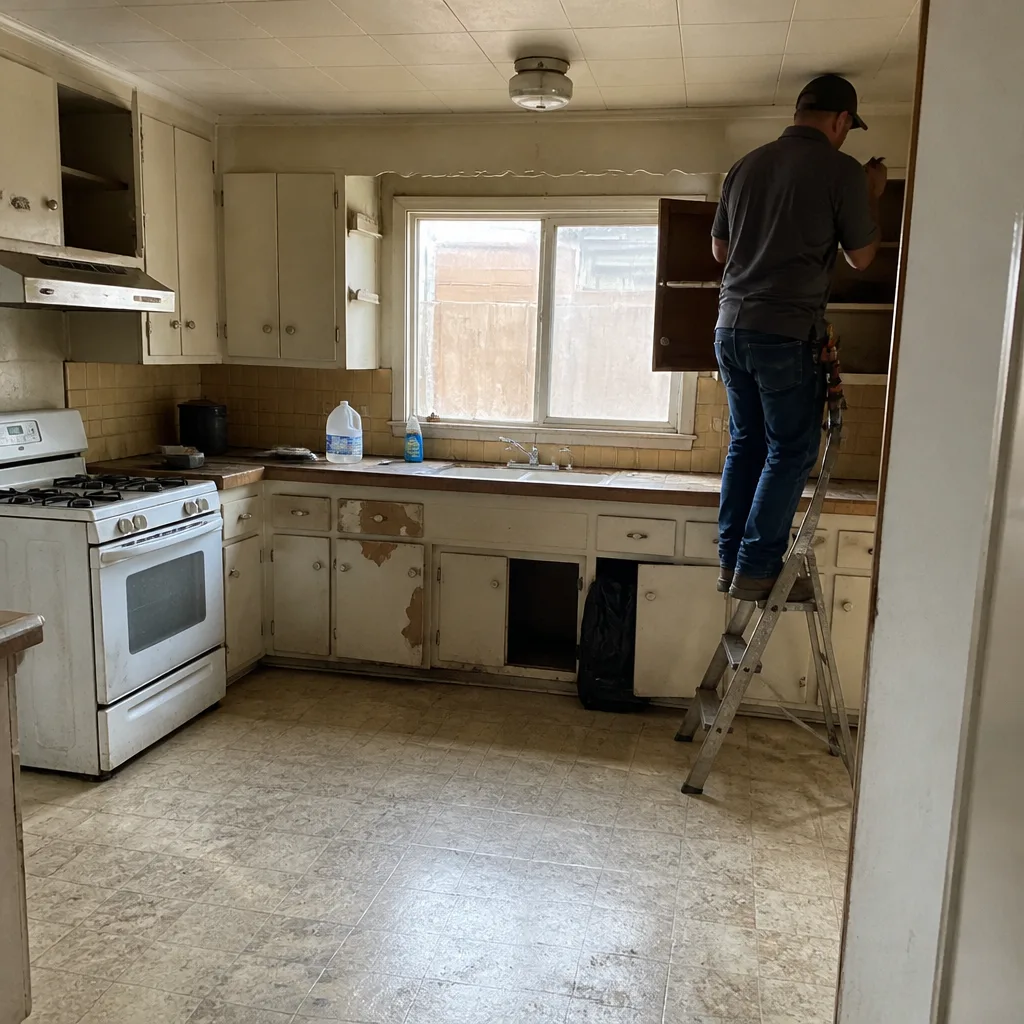
See the difference
 Before
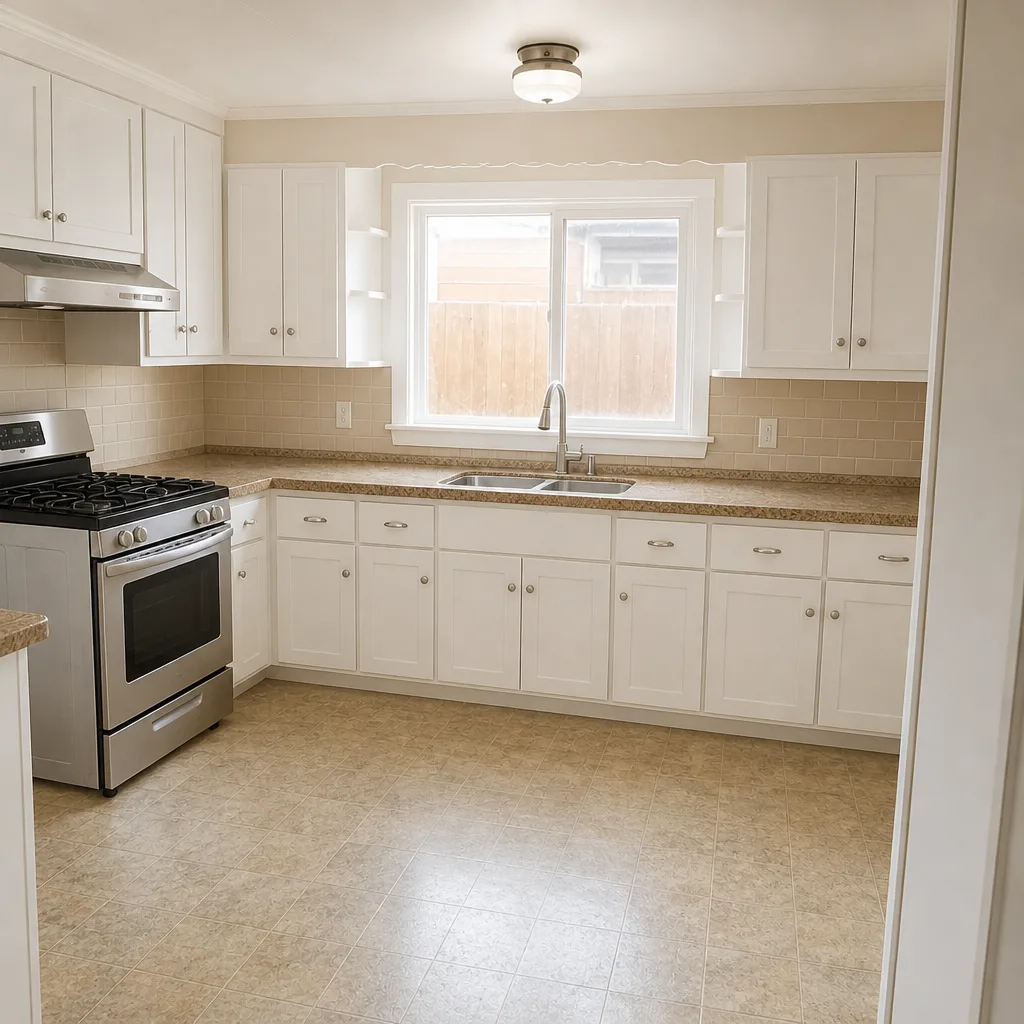 After
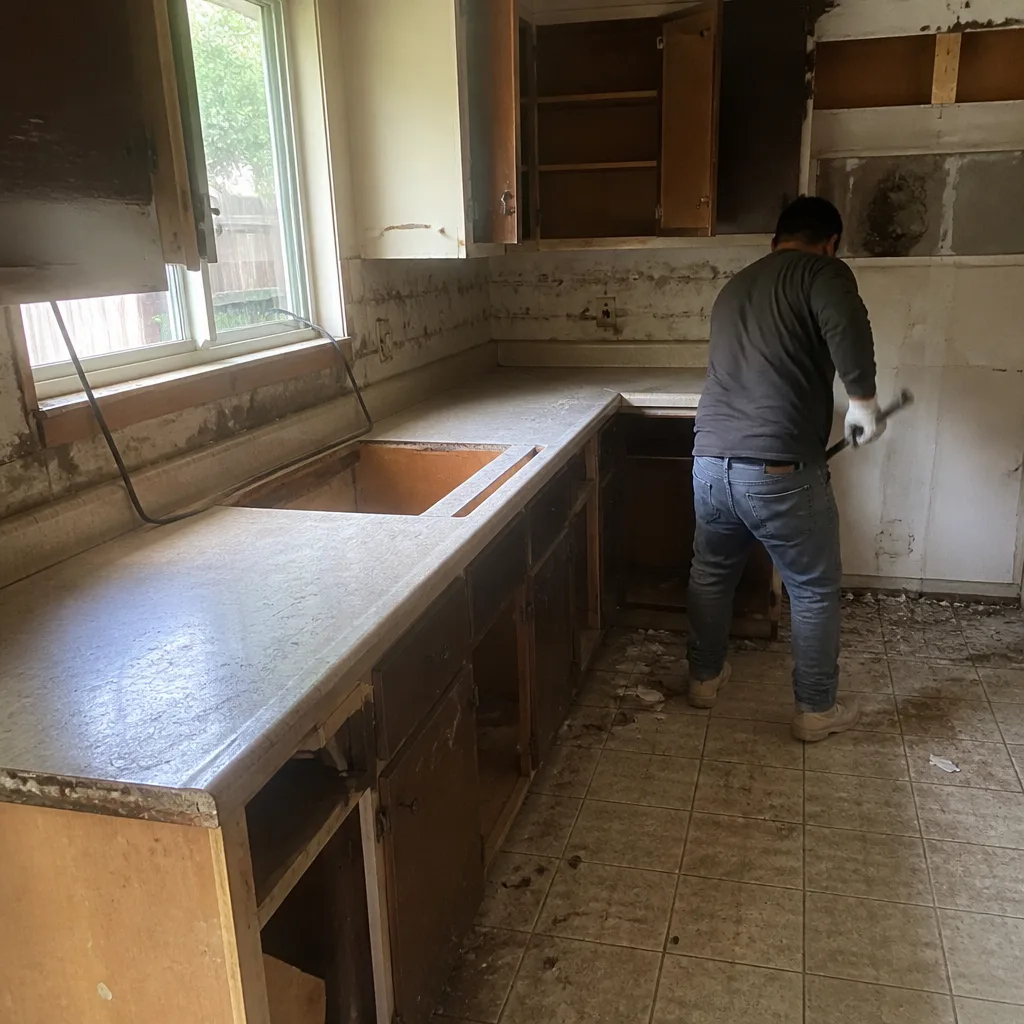 Before
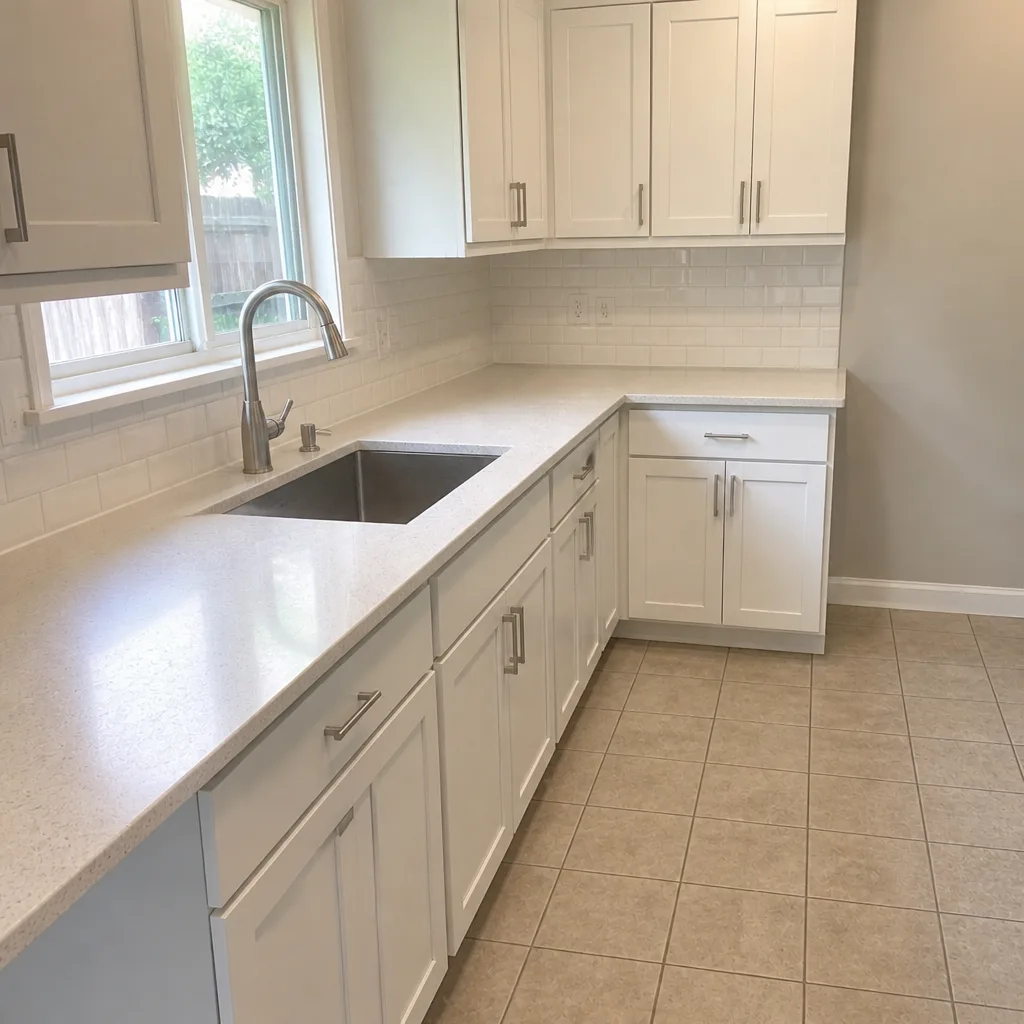 After
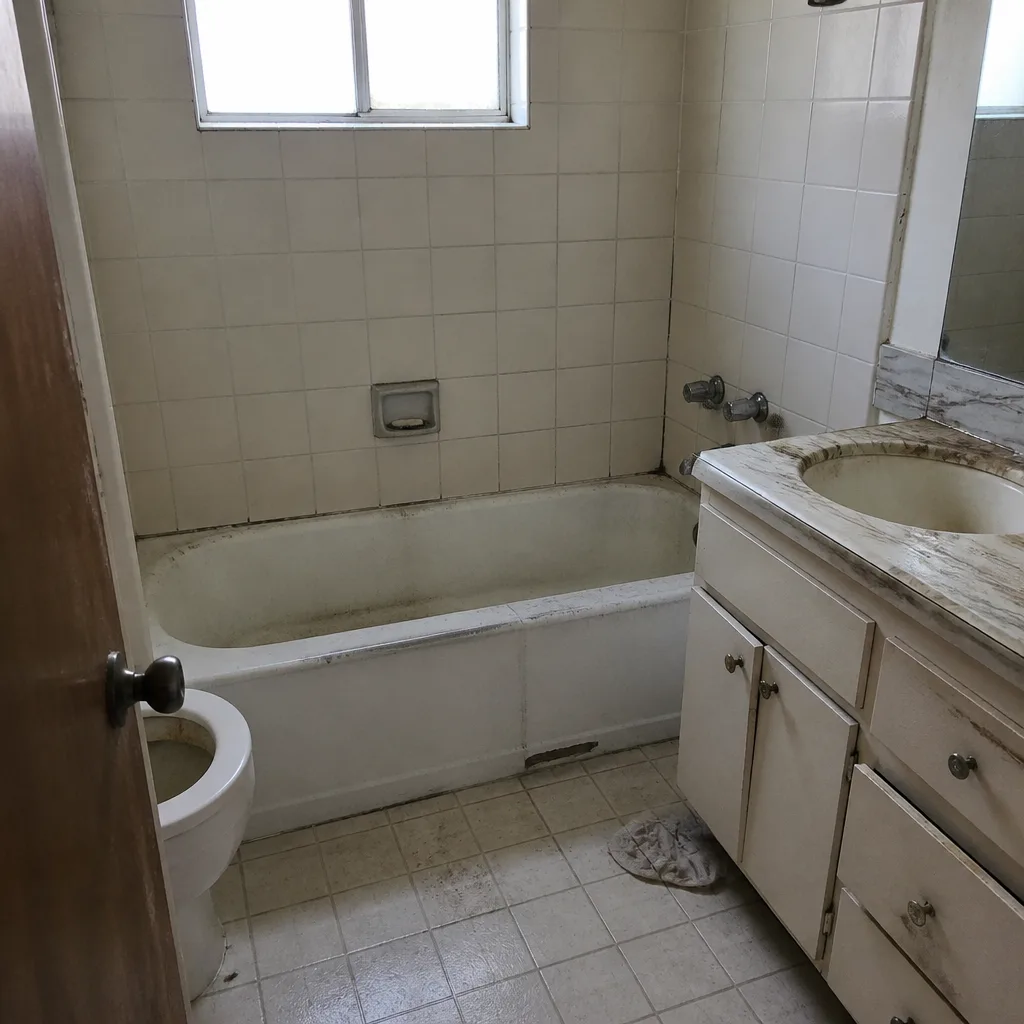 Before
 After
When to Call a Professional
Some things around the house are Saturday afternoon stuff. Window and door replacement isn’t one of them, and here’s where the line sits. If you’re pulling a unit that’s been in the wall for 40 years, the odds of finding rot, termite damage, or a non-standard rough opening are high enough that a homeowner with a pry bar is likely to make things worse. Egress window work in a bedroom is a code question. Any change to the opening size, any wall that might be load-bearing, any home built before 1978 – all of that needs a licensed contractor with the permit pulled and the paperwork straight. If you’re in Santa Ana and the job involves a west-facing wall, a pre-1980 house, or a patio door that’s been leaking, call a professional before you buy a window.
Barrett & Sons Construction Santa Ana offers free estimates in Santa Ana – call (888) 325-4971 to schedule one. If you already have a written bid from another contractor, our free second opinion on any written estimate costs you nothing.
Frequently Asked Questions
Most Santa Ana homeowners spend $450 to $1,100 per window installed, depending on size, frame material, and glass package. A whole-house replacement of 10 to 15 openings typically lands between $6,500 and $15,000. A west-facing window with a performance glass package will run toward the upper end. Call (888) 325-4971 for an exact quote – estimates are free, and we’ll walk the house with you.
Yes. The City of Santa Ana Building Division requires a permit for window and door replacement, even a same-size swap in the same opening. The permit submission includes the product specs, NFRC data, and Title 24 compliance paperwork, and the final inspection closes the permit. Skipping the permit costs you the inspection and any rebate eligibility.
Target a U-factor of 0.28 or lower and an SHGC of 0.22 or lower on a west-facing wall. That exposure takes the strongest afternoon sun in Santa Ana, and lower numbers mean less heat gain and a cooler room. The NFRC label on every window carries both numbers, so you can compare before you buy.
Any home built before 1978 is presumed to have lead-based paint somewhere unless testing proves otherwise. Federal rules require lead-safe work practices for anyone disturbing painted surfaces on those homes. Ask your contractor for their lead-safe certification before work starts, and look at the contract for the containment plan. On a pre-1980 Santa Ana home, this isn’t optional.
A typical single-family Santa Ana home with 10 to 15 openings takes two to four days for the installation itself. Add one to three weeks before that for permit issuance and Title 24 compliance review. If the crew finds rotten framing behind a unit, the repair adds a day, and any change order should be written and signed before the repair proceeds.
Energy savings alone rarely repay the full cost of a new window. But the math changes when you factor in a failing window that’s leaking into the wall cavity – that’s water damage, not just an energy bill. In Santa Ana’s housing stock, the reason to replace is usually the frame as much as the glass. Call (888) 325-4971 for a free estimate and we’ll tell you what we see.
The Bottom Line
Santa Ana’s climate zone 8, marine-layer humidity, and pre-1980 housing stock make window and door decisions here different from what a national buyer’s guide will tell you. Match the product to the exposure using the NFRC label, insist on Title 24 compliance paperwork, budget for the framing surprises that old Santa Ana homes tend to hide behind the wall, and get the permit pulled every time. A window replacement done right lasts 25 to 30 years in this climate. Done wrong, it fails in five. The difference is a contractor who knows the local rules and puts every scope change in writing before work proceeds. If you’re ready to price it, we’ll come walk the house.
Call Barrett & Sons Construction Santa Ana at (888) 325-4971 for a free estimate on windows and doors, or to get a free second opinion on any written estimate you’ve already received. Calls are answered by a live person. If your project also involves hardscape, take a look at our Driveway & Pavers in Santa Ana work, our Fence Installation in Santa Ana pages, and our Home Additions & ADU in Santa Ana options. You can also start at the Barrett & Sons Construction Santa Ana home page. We publish standing offers year-round: $40 off any repair over $200, a free second opinion on any written estimate, no trip charge inside the county, and a permanent 10% senior and veteran discount.
Written by the team at Barrett & Sons Construction Santa Ana.