Last updated November 18, 2026








Free written scope consultation - allowances, timeline, and change-order rules on paper before a single trade is scheduled
Windows & Doors Troubleshooting: Common Problems and How to Fix Them
A door that sticks in summer and swings free in winter is almost never a hardware problem. It’s a framing or foundation movement problem, and weather-stripping it tighter just masks what your house is trying to tell you. The same rule runs through almost every window and door complaint we see in Santa Ana: the symptom you notice is rarely the cause you need to fix. In this guide we’ll walk through the real diagnostic tree for drafts, sticking, rattling, condensation, and water infiltration – which ones a Saturday homeowner can solve with $20 in parts, and which ones get worse the more you tinker. We’ll also explain why a good window in a bad frame is still a bad window, and how Santa Ana’s dry summers and winter rain shape the failures we see most.
Quick Answer
Most window and door problems trace to something one layer deeper than the symptom: a sticking door is usually seasonal framing or foundation movement, a drafty window is usually a failed seal or a gap in the framing rather than the glass, and condensation between panes means a failed seal that no amount of caulk will fix. Fix the surface and you’ll do the job twice. Diagnose the cause first, then decide whether it’s a $20 hardware-store fix or a call to a contractor.
Styles & brands we work with
- Kitchen remodeling
- Bathroom remodeling
- Home additions & ADU
- Roofing
- Windows & doors
- Driveway & pavers
- Fence
Table of Contents
- The Symptom-to-Cause Diagnostic Tree
- Sticking and Swelling Doors: Seasonal Movement vs. Settling
- Drafts That Aren’t Coming From the Glass
- Condensation: Failed Seal vs. Interior Humidity
- Rattling Windows and Doors
- Water Infiltration and Where It Really Enters
- Why a Good Window in a Bad Frame Is Still a Bad Window
- Common Mistakes to Avoid
The Symptom-to-Cause Diagnostic Tree
Start here. Before you buy a single part, match your symptom to its likely origin. In our experience across Santa Ana homes, this one step saves more money than any other.
- Draft you can feel at the edge of a closed window or door: almost always the weather-stripping, the sill, or the rough opening framing – not the glass. If the glass is intact and clear, the leak is at the perimeter.
- Door sticks in summer, frees up in winter: seasonal wood swelling or framing movement. If it happens the same months every year, suspect wood. If it gets steadily worse, suspect settling.
- Cracked, foggy, or milky glass between two panes: failed insulated glass unit (IGU) seal. The glass unit needs replacing; the frame is usually fine.
- Fog on the inside face of the glass only: humidity in the room, not a window failure. This is a ventilation and interior moisture issue.
- Rattle or buzz in wind: worn glazing, loose hinge screws, or missing sash stops. Small hardware.
- Water stains at the interior trim or drywall: infiltration at the exterior seal, flashing, or rough opening – a wall and frame problem, rarely the sash itself.
- Rotted or soft wood at the sill or jamb: long-term water exposure. This one does not fix itself with caulk.
The logic holds whether you’re in a mid-century ranch off Bristol or a newer build in Santa Ana. If your symptom maps to #2, #6, or #7, read on before you touch it.
Sticking and Swelling Doors: Seasonal Movement vs. Settling
Wood moves with the seasons, and that’s normal. A door that’s tight in July and free in January is generally fine – the wood is swelling with summer humidity and shrinking back with the drier months. Santa Ana’s shoulder seasons swing enough to reveal this every year. If the stick returns on the same schedule, it’s not a problem to fix; it’s a problem to smooth out with a light sand or a hinge adjustment.
What isn’t normal is a door that gets progressively tighter month over month, or one that rubs at the top corner while the opposite corner shows a gap. That’s a sign of movement in the framing or slab underneath, especially in older homes and hillside properties. Warning signs that push a sticky door into “get it looked at” territory:
- Cracks in the drywall above a door or window corner that keep reopening
- A door that no longer latches, not because the strike plate is off, but because the whole frame is out of square
- Doors and windows across the house suddenly sticking in the same room
- A noticeable slope in the floor near the sticking door
- Exterior doors that gap at the top and bottom in opposite directions
One sticking door that shifts seasonally is a wood problem. Multiple doors and windows all sticking on the same wall is a house problem. A little diagnosis up front tells you which, and it saves you doing the work twice.
Drafts That Aren’t Coming From the Glass
A cold draft at a closed window almost never comes through the glass. It comes around it – at the weather-stripping, the sill, the interior trim, or the rough opening behind the frame. And a draft is really an air pressure problem, not a “window quality” problem. Here’s how to trace one in ten minutes:
- The candle test: on a windy day, hold a lit candle slowly around the perimeter of a closed window. A flicker tells you which edge is leaking.
- The feel test: run the back of your hand slowly along the weather-stripping and the sill. Back of the hand feels a draft before the palm does.
- Check the locks and sashes: if a sash doesn’t seat evenly when latched, the weather-stripping never fully compresses. A worn sash lock is a $15 part that fixes a draft you’d otherwise blame on the glass.
- Check the interior trim: loose or cracked trim can let air in from the wall cavity, which means the draft is a framing and insulation problem, not a window problem.
Weather-stripping itself is a $20 homeowner job, and the seal-to-frame connection is where most of the real leak lives. If the draft moves indoors to the trim line following the wall cavity, that’s the point to get a professional eye on the rough opening. The same logic applies to your exterior doors, which is one reason we think of a home’s openings as a single system – the same is true when you’re handling construction work on a Santa Ana home that touches these frames.
Condensation: Failed Seal vs. Interior Humidity
These two look identical and require opposite responses. Get them confused and you’ll either replace a window that only needed a dehumidifier or caulk a seal that’s already dead.
Fog between the panes (the seal has failed)
If you see fog, milky white streaks, or water droplets trapped between the two panes of a double-pane window, the sealed unit has failed. That’s not a glass problem you can clean – the glass unit (IGU) needs replacing, though the frame is usually reusable. This is common in Santa Ana homes where units face all-day west sun: the thermal cycling between hot afternoon and cool night is what kills the seal over time. No interior caulk or window film fixes a failed IGU.
Fog on the inside face (humidity in the room)
If the fog is on the room-side surface of the glass, wipes off with a cloth, and returns in cold weather, you have a humidity problem in the home. It shows up hardest on the coldest glass (usually the north-facing or shaded windows in Santa Ana), and it’s a sign of excess interior moisture, not a failing window. The fix is ventilation and a source check – bath fans running long enough, dryer vents actually vented outside, no standing water in a crawl. A failed IGU gets replaced. An interior humidity problem gets vented. Treating them as the same thing is one of the most common mistakes we see.
Rattling Windows and Doors
Rattling is usually hardware, and it’s genuinely homeowner-fixable. Narrow it down with a quick check:
- Buzz in wind at a window: loose glazing or a warped sash. A bead of exterior-grade glazing compound at the glass edge (never inside a sealed unit) handles the first; a sash stop usually handles the second.
- Rattle at a door: loose hinge screws are the usual culprit. A stripped screw can be re-anchored with a wooden matchstick and wood glue for less than a dollar.
- Rattle with the window closed but not latched: the sash lock is worn, and the sash isn’t seating. A new lock is a cheap swap.
- Rattle at the exterior door: a loose strike plate or a deadbolt that has drifted. Tighten the plate or fill the screw hole and re-drive.
If tightening screws, a new sash lock, and a fresh bead of glazing compound don’t quiet it, the frame is probably out of square and the rattle is a symptom of the movement problem – the same root cause we talked about under sticking doors. If your exterior door is part of a larger home addition or ADU project in Santa Ana, get the frame sorted before the finish goes on.
Water Infiltration and Where It Really Enters
Water rarely enters through a window sash. It gets in at the exterior seal, the flashing above and below the unit, or the rough opening – and then travels the wall cavity to show up as a stain on the interior trim. That’s why a spot on the drywall under a window is often the last place the water arrived and the last place to fix. Santa Ana’s winter rain does the damage in a short window; a couple of heavy storms is enough to reveal a marginal seal.
Where to look first, in order:
- Flashing above the window or door: the number one failure point. If the head flashing was never installed, or was installed wrong, water runs behind the trim.
- The exterior seal at the sill: caulk fails first at the bottom edge because that’s where water pools. Re-caulking weathered exterior joints is a fair homeowner task – use exterior-grade sealant, not interior caulk.
- The rough opening: if water gets behind the frame, the opening needs to dry out and be resealed properly, which usually means removing and resetting trim, not just adding caulk.
- Rotted sill or jamb wood: once wood is soft, caulk over it is a patch that will fail by the next wet season. This is the point where it’s a repair, and where drainage and hardscape around the door in Santa Ana matter more than you’d think – water that pools against a threshold is a door problem with a yard cause.
Any water infiltration that keeps returning after one exterior re-caulk is worth a professional look. It’s cheaper to diagnose once than to patch three times.
Why a Good Window in a Bad Frame Is Still a Bad Window
You can spend real money on premium Andersen or Marvin units and still get drafts, fog, and cold glass if the wall cavity behind them is wrong. The wall cavity and the rough opening are where most of the performance actually lives:
- Insulation gaps at the rough opening let air move freely, so the frame edge stays cold and drafts show up even on a top-tier window.
- A rough opening out of square means the sash never seals, and no amount of weather-stripping fixes a binding sash.
- Wrapped flashing installed over the felt instead of under it lets water in behind the frame, and the window becomes the scapegoat.
- Missing air sealing at the sill is the classic cause of “the new window still drafts.”
We tell customers this plainly: a good window is only as good as the frame it sits in. When you’re replacing, the honest scope covers the rough opening and the air seal, not just the unit. That’s why our quotes list the opening prep separately – if the frame needs work, it shows up on the written scope before the fence goes up around your Santa Ana yard… more precisely, before any work starts, so you’re not discovering the frame problem at the end of the job. If that wall cavity sits behind a bigger Santa Ana remodel or addition, it’s the same principle – the opening is a system, and a good unit in a bad frame is a wasted unit.
Common Mistakes to Avoid
- Caulking a fogged double-pane: a seal that’s already dead can’t be revived from inside. You replace the glass unit; caulking the trim does nothing.
- Weather-stripping over a settling problem: a snugger seal masks a seasonal swing, but if the door is moving because the framing is, you’ve just made the next inspection harder.
- Treating interior fog as a window failure: running a fan and checking for a moisture source first is faster and cheaper than replacing glass that’s fine.
- Re-caulking an exterior seal without finding the leak point: caulk over rotted wood or reversed flashing fails by the first Santa Ana rain.
- Replacing a window before checking the rough opening: if the frame is out of square, the new unit will have the same problem – the wall cavity is where the money is wasted.
- Letting one sticking door go for a full year: if it drags the same months every year, that’s fine; if it gets steadily worse, the seasonal-window has passed and you should get it assessed.
- Assuming permits are optional: if your window or door work touches the structure or opening, the permit is a check on the work. The last contractor who told you permits were optional was wrong – pull them.
See the difference
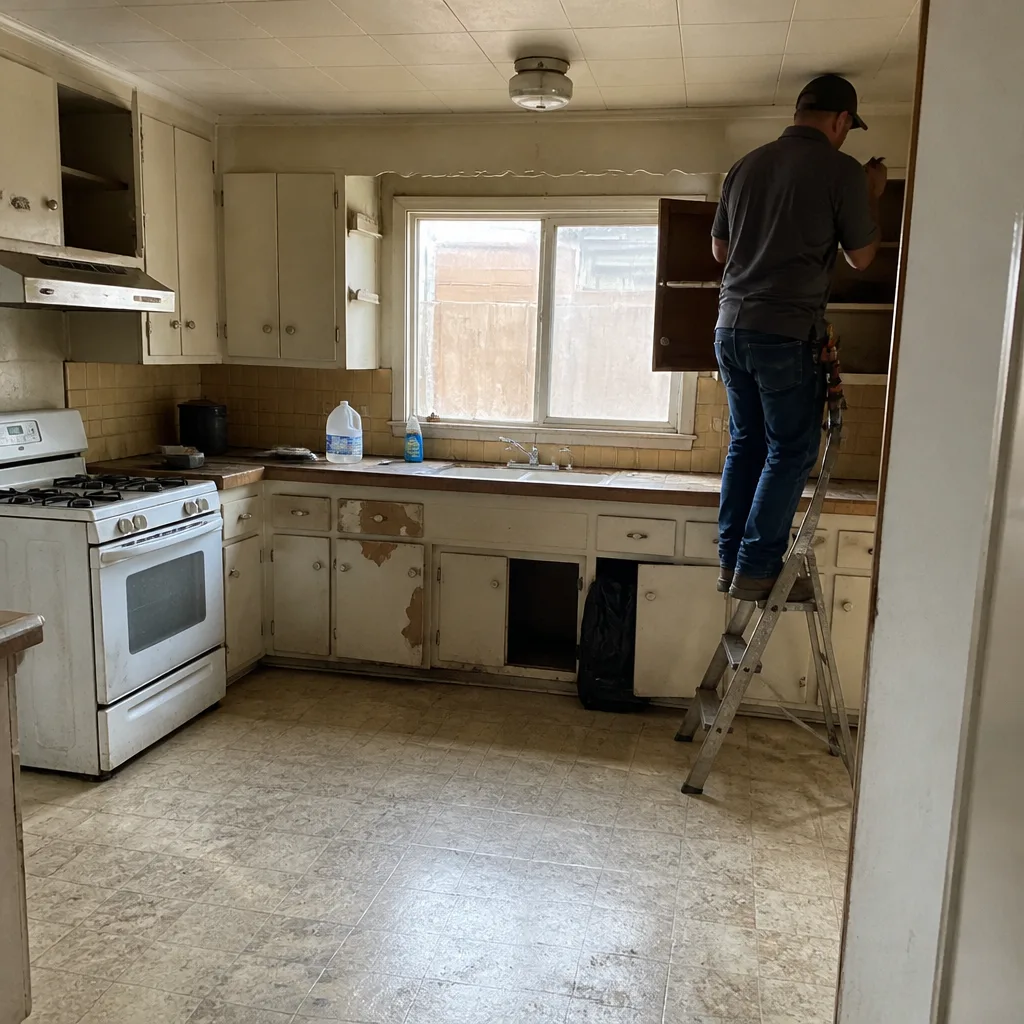 Before
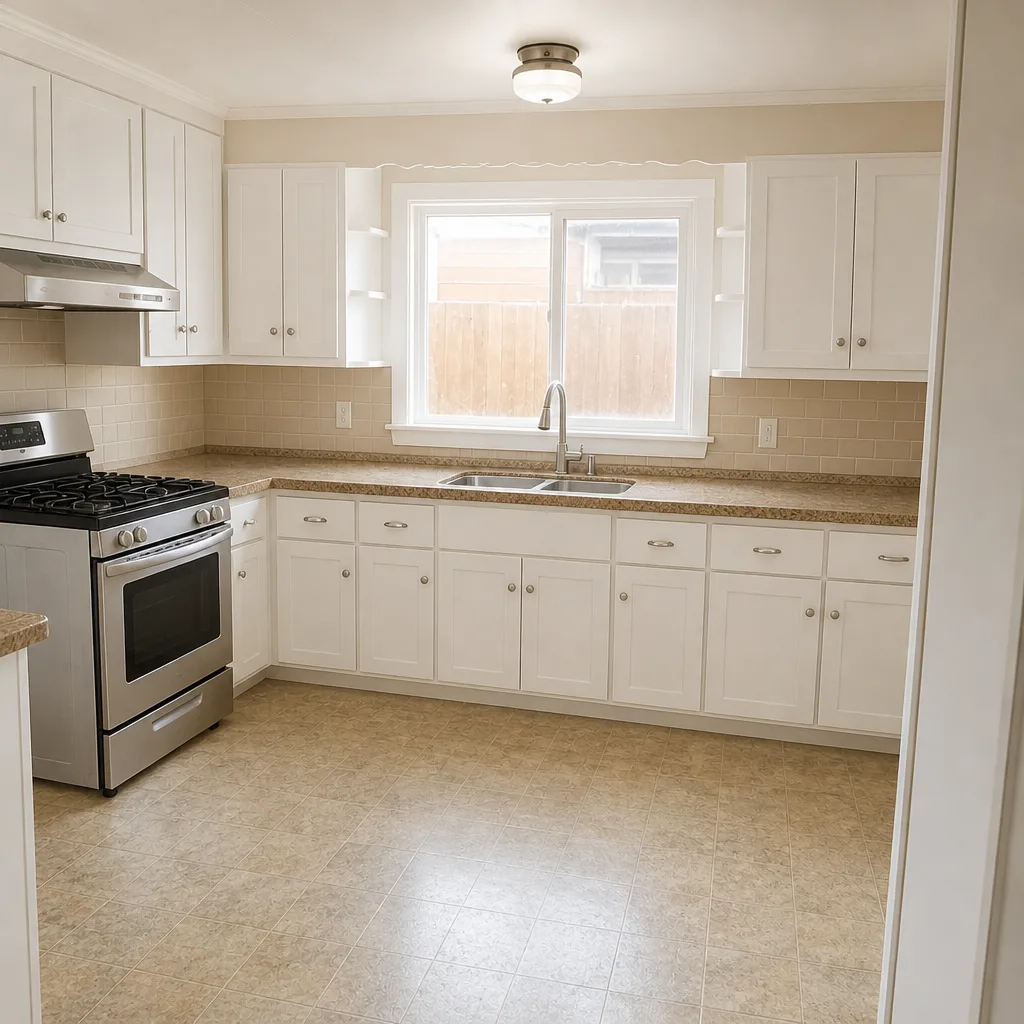 After
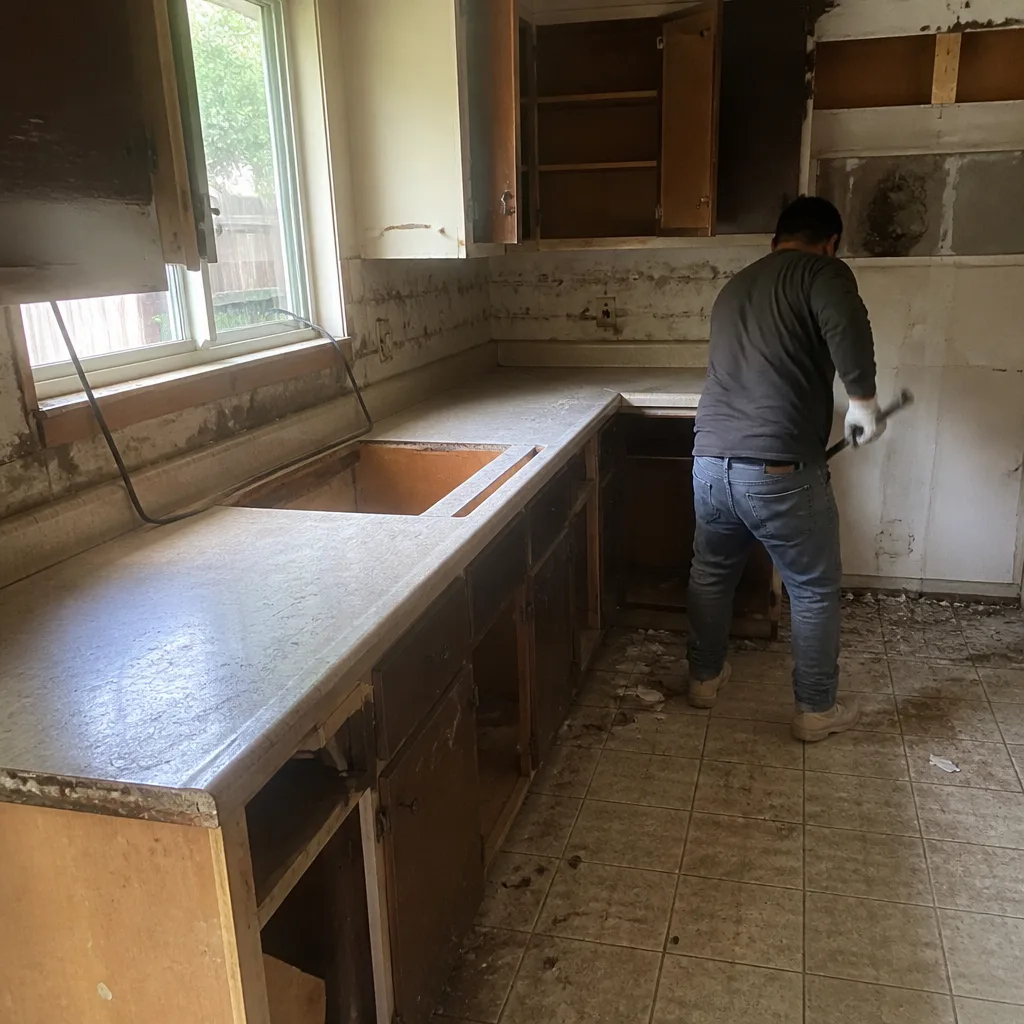 Before
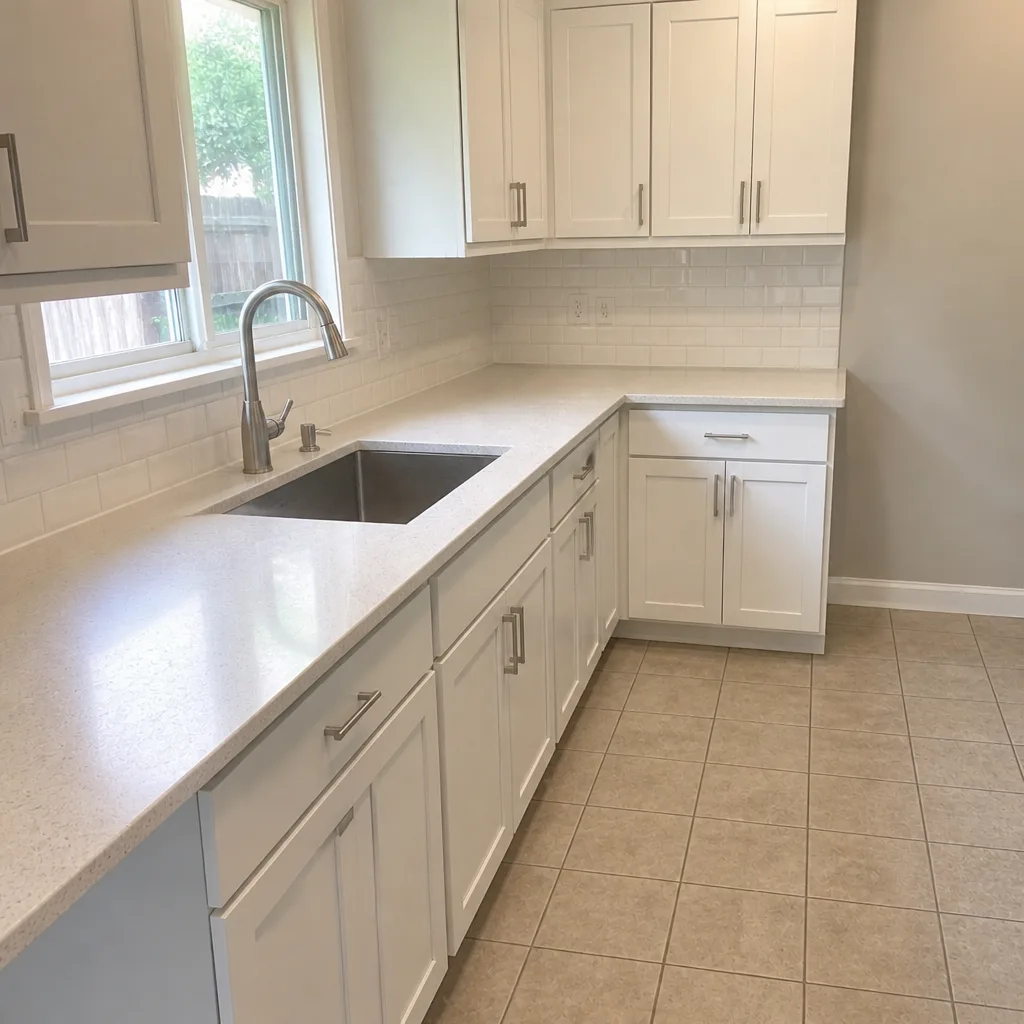 After
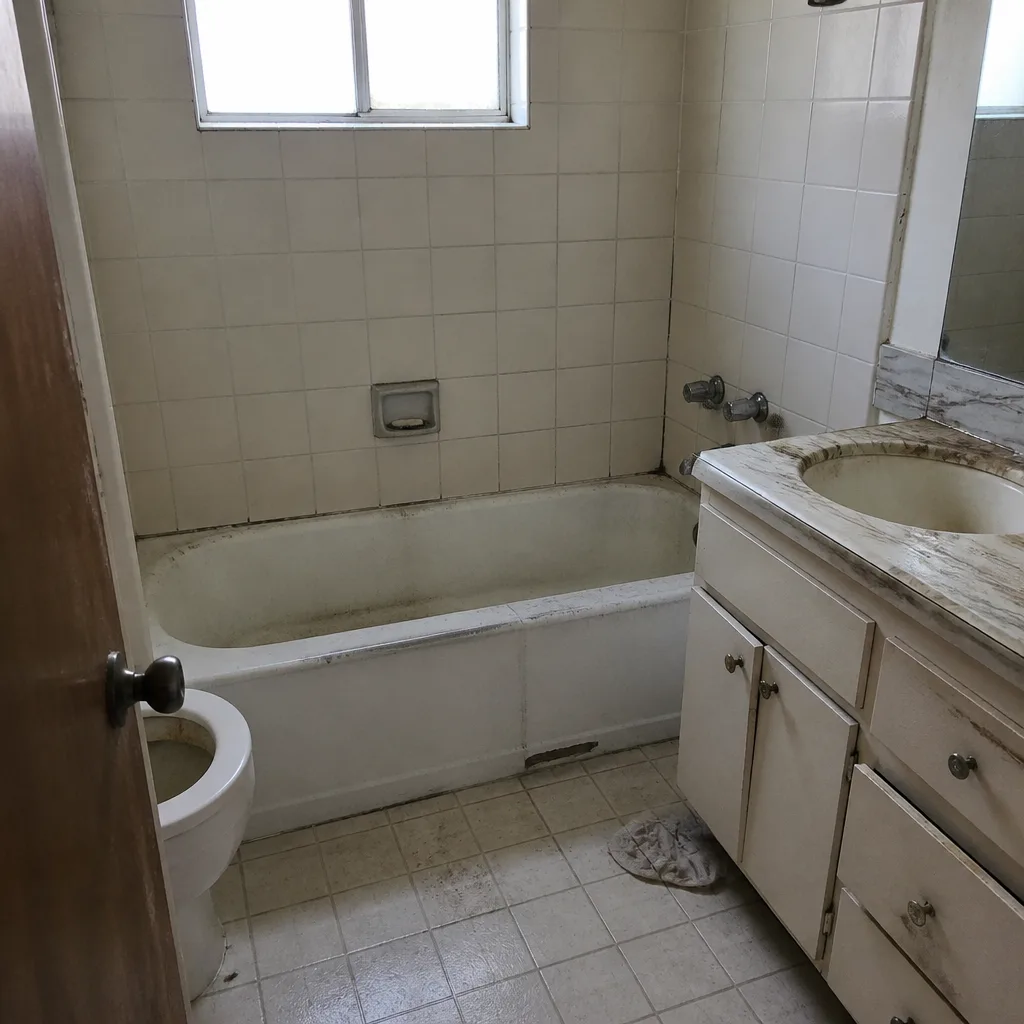 Before
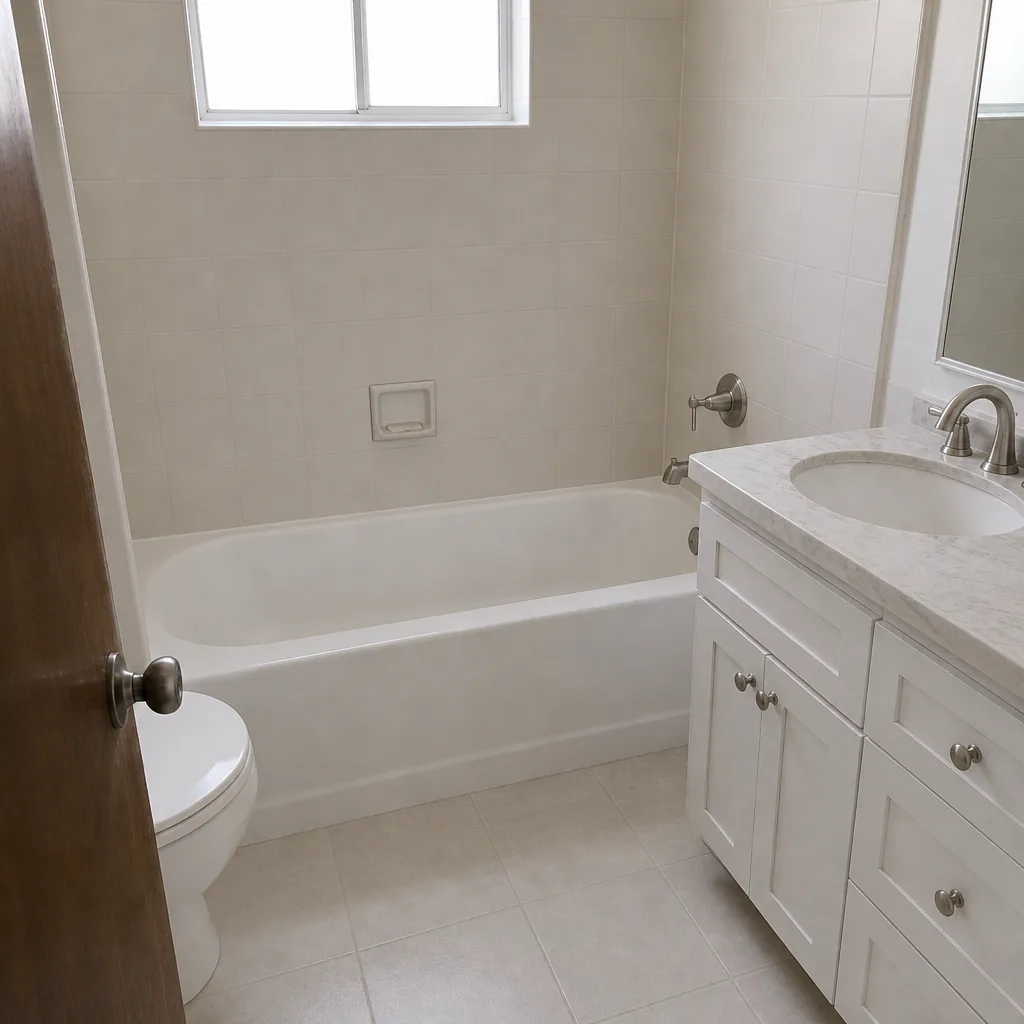 After
When to Call a Professional
Bring in a professional when a door sticks progressively instead of seasonally, when multiple windows and doors on the same wall start binding at once, when water infiltration returns after one careful exterior re-caulk, when the sill or jamb wood is soft, or when a failed glass unit is behind trim that needs to come out and go back in correctly. Those are the jobs that get worse with DIY attempts, and they’re where a proper diagnosis pays for itself. Barrett & Sons Construction Santa Ana offers free estimates in Santa Ana – call (888) 325-4971. We pull the permits, write the scope and the change orders, and stand behind the finished work with our 90-Day Done Right Promise.
Frequently Asked Questions
That pattern is normal seasonal wood movement – humidity swells the wood in warm months and drier air shrinks it back. If it returns on the same schedule every year, it’s generally fine to smooth with a light sand or a hinge adjustment. If the stick gets steadily worse across seasons, that’s framing or foundation movement and it’s worth a professional look. Call (888) 325-4971 for a free estimate if you’re unsure which you have.
If the fog is trapped between the two panes, the insulated seal has failed and the glass unit needs replacing. If the fog is on the inside room face and wipes off, that’s interior humidity – check your bath fan run time, dryer vent, and any moisture source before blaming the window. Getting these two confused is one of the most common diagnostic mistakes in Santa Ana homes.
Any work that touches the structure, the rough opening, or the home’s exterior envelope typically needs a permit, and your jurisdiction decides the specifics. We pull permits and get inspections signed on every eligible job – the permit inspector works for you, not for us. Call (888) 325-4971 and we’ll tell you what your job needs.
Not always. A draft at a closed window is usually at the rough opening, the weather-stripping, or the wall cavity – not the glass. If the frame is out of square or the opening lacks an air seal, a new unit will have the same draft. That’s why we diagnose the opening before quoting a replacement.
An initial diagnosis and a written scope are free here. Most homeowner-fixable issues – a sash lock, weather-stripping, a stripped hinge screw – cost $20 in parts. Failed glass units, rough-opening repairs, and settling issues vary by scope, and we quote them line by line in writing before any work starts. Call (888) 325-4971 for your free estimate.
Yes, if it’s a single seasonal door – a light sand, a hinge adjustment, and fresh weather-stripping handle most of them. Don’t DIY it if multiple doors and windows bind on the same wall, if the door no longer latches, or if you’re seeing drywall cracks that keep reopening. Those are structural signals, and a free second opinion on any written estimate is available if another contractor has already looked.
The Bottom Line

The core rule is the one we opened with: diagnose the cause, not the symptom. Most window and door problems in Santa Ana trace to one layer deeper than what you notice – a sticking door is usually framing movement, a drafty window is usually a rough-opening or seal leak, and condensation is either a failed glass seal or humidity, two very different fixes. Fix the frame and the wall cavity, not just the visible part, and you won’t do the work twice. Our technicians have up to 28 years of experience diagnosing exactly this. When you’re not sure which layer you’re looking at, call us – the estimate is free and the scope is in writing.
Ready to sort it out? Call Barrett & Sons Construction Santa Ana at (888) 325-4971 for a free estimate. We’ll diagnose the actual cause, put the scope and any change orders in writing, pull the permits, and back the finished work with our 90-Day Done Right Promise. Standing offers include $40 off any repair over $200, a free second opinion on any written estimate, no trip charge inside the county, and a permanent 10% senior and veteran discount.
Written by the team at Barrett & Sons Construction Santa Ana.