Last updated November 18, 2026
Free written scope consultation - allowances, timeline, and change-order rules on paper before a single trade is scheduled
DIY vs Professional Home Additions & ADU: What’s Safe to Do Yourself
You can legally do your own finish carpentry, painting, and tile work on a permitted ADU in California, and plenty of Santa Ana homeowners do exactly that. But if you do your own electrical rough-in and it fails inspection, everything that was drywalled over it has to come back out. That’s not a scare tactic. It’s how the inspection sequence works. The line between what you can safely handle and what you can’t isn’t drawn by how handy you are. It’s drawn by California building code, your lender, and your future buyer’s inspector. This guide shows you exactly where that line falls on a home addition or ADU in Santa Ana, what finish stages you can legally take on after rough inspections pass, and how to structure the sweat-equity math so you save real money instead of paying twice.
Quick Answer
On a permitted home addition or ADU in California, structural, electrical, plumbing, and HVAC rough-in work must be performed by licensed contractors – it’s not an optional license item. Once those rough inspections pass and are signed off, a homeowner can legally take over finish work like painting, interior trim, cabinet installation, and tile. The savings are real, but only if you respect the inspection sequence and keep your general contractor in the loop in writing before you pick up a tool.
Styles & brands we work with
- Kitchen remodeling
- Bathroom remodeling
- Home additions & ADU
- Roofing
- Windows & doors
- Driveway & pavers
- Fence
Table of Contents
- What California Law Actually Requires a Licensed Contractor For
- The Finish Work Stages You Can Legally Take On
- Why Your Own Demo Can Void Your Contractor’s Liability
- How Unpermitted DIY Work Affects a Future Orange County Home Sale
- The Sweat Equity Math: Owner Labor vs. Redone Work
- Permits, Inspections, and the Order They Have to Happen In
- What Changes When You’re Inside Santa Ana City Limits
- Genuinely Dangerous Work: Where We Draw a Hard Line
What California Law Actually Requires a Licensed Contractor For
The Business and Professions Code doesn’t say “unlicensed work is fine if you own the house.” It says that construction work over a certain dollar threshold – currently $500 in labor and materials combined – must be performed by a licensed contractor, with specific exceptions for owner-builders on their own residence. That exception exists, and it’s real. But it does not override the permit process, and permits are where the law gets specific about what a licensed tradesman has to sign off on. In our experience working additions and ADUs around Santa Ana, here’s where licensed work stops being optional.
The trades the California Contractors State License Board treats as license-required on permitted structural work:
- Structural framing, foundations, shear walls, and tie-downs – covered under the C-5 framing or B-General Building license. Your local building department will require a licensed contractor or a properly licensed owner-builder to pull the permit and sign the structural plans.
- Electrical rough-in – panel upgrades, new circuits, subpanels, and anything tied to the grid. A C-10 Electrical license.
- Plumbing rough-in – supply lines, drain-waste-vent, gas piping. A C-36 Plumbing license. Gas line work in particular is dangerous enough that we never recommend a homeowner try it, even where the code technically allows owner-builder exceptions.
- HVAC rough-in – ductwork, refrigerant lines, and equipment connection. A C-20 license.
What you can legally do as an owner-builder: pull the permit under your own name for your own residence, hire licensed trades for the rough work, and perform some finish tasks yourself. The catch is that any worker you hire who isn’t licensed is a compliance problem for the permit, and your lender for an ADU construction loan will typically require a licensed general contractor on the project regardless.
The Finish Work Stages You Can Legally Take On
Here’s the part most YouTube tutorials skim past: the finish work is where a motivated homeowner can save the most money and take on the least risk – but only after the rough inspections have passed and the building inspector has signed the card. If you start hanging drywall before the electrical rough has been inspected, the inspector will order the drywall off. We’ve watched this happen more than once on ADUs near downtown Santa Ana.
The finish stages where a homeowner can typically step in and save real money, once cross-referenced with your general contractor:
- Drywall after rough inspections pass. Hanging, taping, and finishing drywall is a skill, not a licensed trade. A careful homeowner with a rented lift, some patience, and a good taping knife can save $1,500-$3,500 on a small ADU.
- Interior painting. The highest-value DIY stage on almost any addition. No permit required, no inspection risk, and the work is forgiving.
- Interior trim and casing. Baseboards, door casing, and window trim. Unlicensed, unpermitted, and entirely forgiving of mistakes.
- Cabinet installation and hardware. If the cabinets are already in the contract and the boxes are delivered flat, a homeowner can hang them. On a Santa Ana ADU kitchen we’ve seen owners save $800-$1,600 on install labor.
- Tile setting in low-wet areas. Backsplashes and shower walls that are already waterproofed by a licensed tiler can be finished by a homeowner. We don’t recommend taking on the waterproofing itself.
- Flooring installation over a finished substrate. Luxury vinyl plank and interlocking engineered floors are homeowner-friendly.
- Landscaping and hardscape borders outside the permitted footprint. Decomposed granite, planter beds, and fencing (with a nod to Ameristar and Bufftech steel and vinyl fence brands for the ADU privacy screen) fall outside the permit.
What you cannot legally do yourself even as owner-builder: rough electrical, rough plumbing, gas piping, HVAC, structural framing, and shear nailing on permitted work. That list is longer than most tutorials admit.
Why Your Own Demo Can Void Your Contractor’s Liability
This is the part of the DIY conversation almost nobody talks about, and it’s the one that can cost you more than any other decision on the job. If you tear out walls, cabinets, flooring, or subfloor before your licensed contractor starts, you’ve created a condition where your contractor can’t verify what the house looked like before work began. That matters contractually.
Standard contractor liability coverage and workmanship warranties attach to work performed by the contractor on a verified existing condition. If you do the demo, three things can go wrong:
- The contractor’s warranty on adjoining work becomes arguable. If a wall cracks three weeks after tile install, and you removed the wall behind it, the cause is hard to prove.
- Hidden conditions you uncovered become your change orders. Rot behind a vanity, a missing shear wall, a bad subfloor – those become your financial hit rather than a documented pre-existing condition.
- Your inspection may need to start earlier. If you demolished past the point where the inspector needed to see the existing framing, you may be required to open a section back up.
The right way to structure this is in writing before you pick up a sledgehammer. Ask for a written scope that names what demo the contractor will perform and a separate line for “owner demo” if you want to do it, so the responsibilities are on paper. On a Santa Ana addition, drywall demo alone typically runs $600-$1,400 – meaningful, but not worth trading a warranty for.
How Unpermitted DIY Work Affects a Future Orange County Home Sale
When you sell a home in Santa Ana or anywhere in Orange County, you fill out a Transfer Disclosure Statement and a Seller Property Questionnaire. Both ask, in writing, about any improvements without permits and about any work you performed yourself. You can’t legally answer “no” if you built an unpermitted ADU or finished a garage conversion without pulling a permit. And buyers’ inspectors in this market are trained specifically to spot unpermitted work – the mismatched electrical panel labels, the garage conversion with a full bath but no visible plumbing permit, the suspiciously new framing in a 1950s house.
What typically happens at sale time:
- The buyer’s inspection flags unpermitted work, and the buyer demands a credit or a price reduction.
- The lender – especially on an FHA or VA loan – may refuse to fund until the work is permitted and inspected.
- The title company may require a permit history from the city. Santa Ana keeps a public permit record you don’t want to be on the wrong side of.
- Retroactive permitting (an “after-the-fact” permit) requires opening up walls, exposing framing, and paying double permit fees, and the city can require you to bring the entire structure up to current code rather than the code in effect when it was built.
In our experience, unpermitted ADU work that has to be retroactively permitted almost always costs more to fix than it saved to do wrong the first time. If you’re considering an addition, our team at Home Additions & ADU in Santa Ana walks the permit process with you from the start.
The Sweat Equity Math: Owner Labor vs. Redone Work
Sweat equity is real on an ADU, but not in the way most people imagine it. It’s not “I’ll frame it myself and save fifty grand.” It’s “I’ll take over finishes after rough passes and save eight to fifteen percent of the total project cost in labor.” That’s the number our clients actually see when they go this route on an ADU in Santa Ana.
Here’s how the math plays out on a typical 400-600 square foot ADU with a $180,000-$280,000 all-in budget:
- Owner labor credit for finishes: $12,000-$28,000 saved, depending on how much of the finish scope is taken on and how fast the homeowner works.
- Redone work that fails inspection: If electrical rough fails because it was self-performed without a license, expect $4,000-$12,000 in demo, re-rough, and re-inspection. Drywall comes back out. Insulation comes back out. That’s before the second inspection fee.
- Lender requirements: Most construction loans for ADUs require a licensed general contractor to sign the draw schedule. Owner labor credits have to be structured into the loan from day one or they can’t be reimbursed.
- Delay costs: Every failed inspection pushes your construction timeline by one to three weeks, and every week of delay carries carrying costs on the loan.
The math only works when the owner labor is confined to the finish stages after rough inspects pass. It stops working the moment a homeowner decides to save a few hundred dollars on a rough inspection.
Permits, Inspections, and the Order They Have to Happen In
The permit and inspection sequence on an addition or ADU in Santa Ana is not negotiable. The city building department inspects in a specific order, and doing work out of sequence – even correct work – will get flagged. Here’s the sequence a permitted Santa Ana ADU or addition actually follows:
- Plan check and permit issuance. Architectural and structural plans submitted, city reviews, permit issued. Typically 6-12 weeks in Santa Ana depending on the scope.
- Site prep and foundation inspection. Forms, rebar, and foundation pour require inspection before concrete goes in.
- Framing and shear inspection. After walls are framed and shear nailing is complete, before insulation and drywall.
- Rough electrical, plumbing, and HVAC inspections. Three separate inspections, three separate sign-offs. This is the gate.
- Insulation inspection. After rough trades pass, before drywall.
- Drywall and finish work. This is where the homeowner can step in.
- Final inspection and certificate of occupancy. The last sign-off that makes the ADU legal to occupy.
If a homeowner wants to do finish work, the cleanest arrangement is to have it written into the contract as a specific stage that begins after the rough inspections on the city inspection card have been signed. That way there’s no ambiguity about who did what.
What Changes When You’re Inside Santa Ana City Limits
Santa Ana has some specific characteristics that affect DIY decisions on additions and ADUs. The city has been proactive about ADU approvals, which is good news – it’s actually one of the friendlier jurisdictions in Orange County for accessory dwelling units, with an approval process that has gotten faster over the past few years. But the same city has older housing stock in many neighborhoods, and that creates conditions you won’t see in a new-build suburb.
The Santa Ana-specific things we watch for on every addition and ADU:
- 1950s and 1960s ranch homes in neighborhoods like Floral Park and French Park often have original wiring that won’t support a new subpanel for the ADU without a full panel upgrade. That upgrade is licensed electrical work, not DIY.
- Raised foundations and pier-and-beam areas common in older Santa Ana homes require careful structural work when tying in an addition. Not a homeowner stage.
- Alley-facing garages in parts of Santa Ana are commonly converted to ADUs. Garage conversions bring up shear wall requirements, and any wall shared with a garage has specific fire separation code that must be inspected.
- Fencing for the ADU privacy screen is unpermitted work in most cases, so if you want to save money, this is a good stage to take on yourself. Ameristar and Bufftech both make good options. If you’d rather hire it out, our team handles Fence Installation in Santa Ana as a stand-alone service.
Genuinely Dangerous Work: Where We Draw a Hard Line
Some work is dangerous enough that the “can I DIY it?” question has a hard answer: no. We don’t care how many tutorials you’ve watched. Gas line work can cause a leak or an explosion, and California requires licensed plumbers for a reason. Electrical panel work can kill you even with the breaker off, and a panel that’s wired wrong can burn a house down months after you’ve forgotten about it. Structural work where a beam or a header is carrying load can fail under the first good rain or the first minor earthquake, and the failure is catastrophic, not cosmetic.
If you’re ever unsure whether a task falls into the “genuinely dangerous” category, ask a licensed contractor before you start. A ten-minute phone call costs nothing. A failed shear wall or an unpermitted electrical panel costs tens of thousands.
Common Mistakes to Avoid
- Doing rough electrical before the framing inspection. The inspector will order the electrical roughed out until the framing passes. You’ll pay to demo work that was correct.
- Starting demo before the contractor has walked the property. In Santa Ana, we see this most often with owners who want to “get a head start.” The contractor’s warranty and change order math both get murky the moment you touch a sledgehammer.
- Assuming the ADU permit doesn’t apply because “it’s just a garage.” Any habitable conversion in Santa Ana requires a permit. Garage-to-ADU conversions are the single most common unpermitted work we see on home inspections.
- Hiring an unlicensed “friend of a friend” to do the rough trades. Beyond the legal risk, an unlicensed trade’s work can’t be inspected without a licensed contractor of record. The city will reject the inspection.
- Buying cabinets or appliances before the permit is approved. We’ve seen homeowners stuck with $8,000 of KraftMaid cabinets for a layout the city changed during plan review.
- Doing finish work before the rough inspections are signed. The inspection card is the gate, not the punch list. If you hang drywall over the rough plumbing before the plumbing inspector signs, it comes back out.
- Skipping the written change order when the scope grows. The allowance that isn’t on paper is a surprise waiting for a date. If you’re doing finish work and find rot under the shower pan, that’s a change order, not a handshake.
See the difference
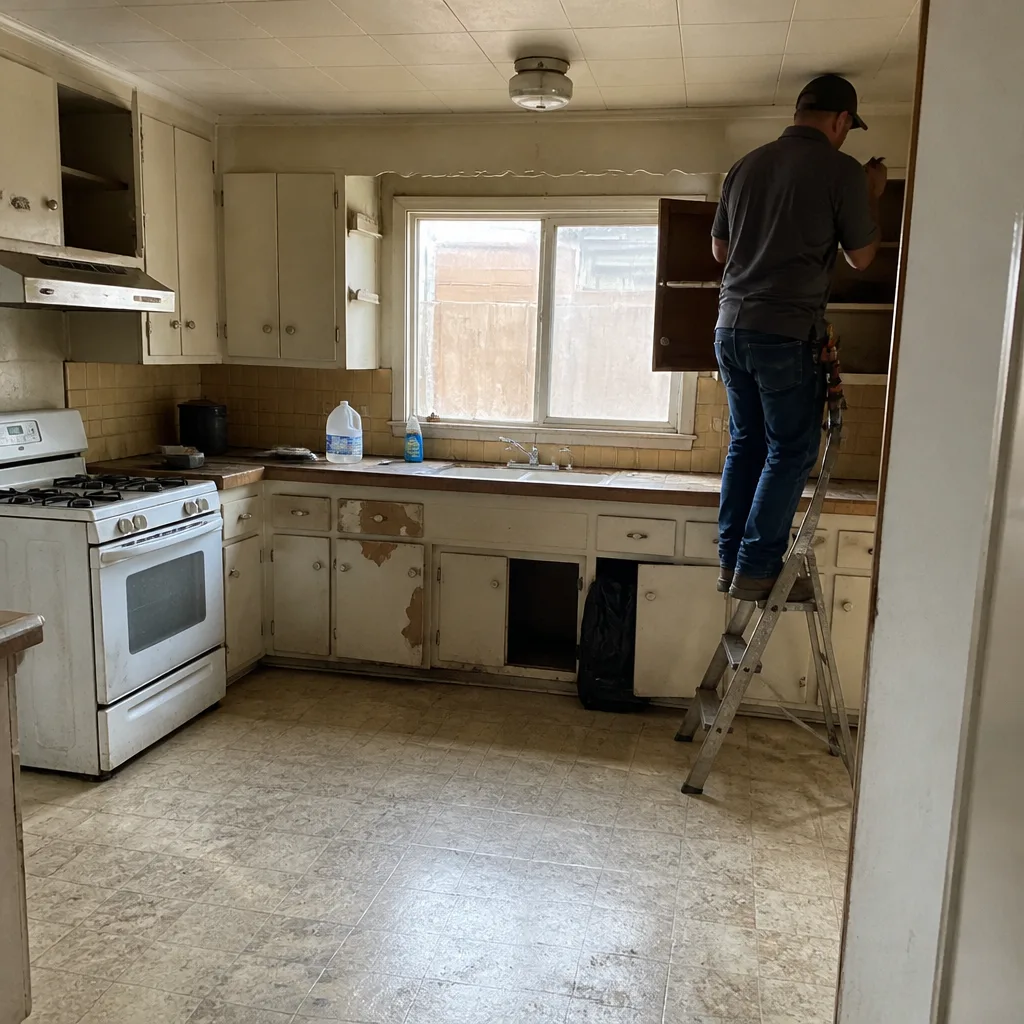 Before
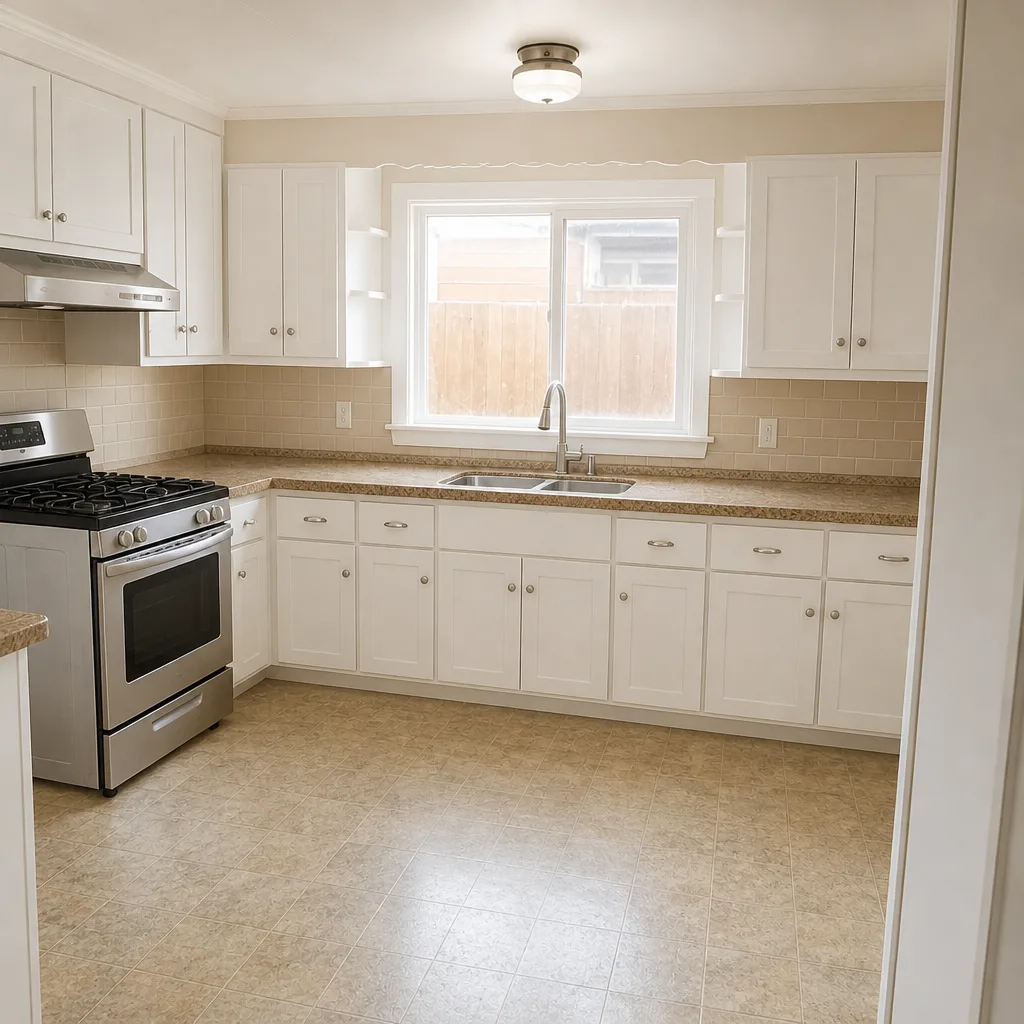 After
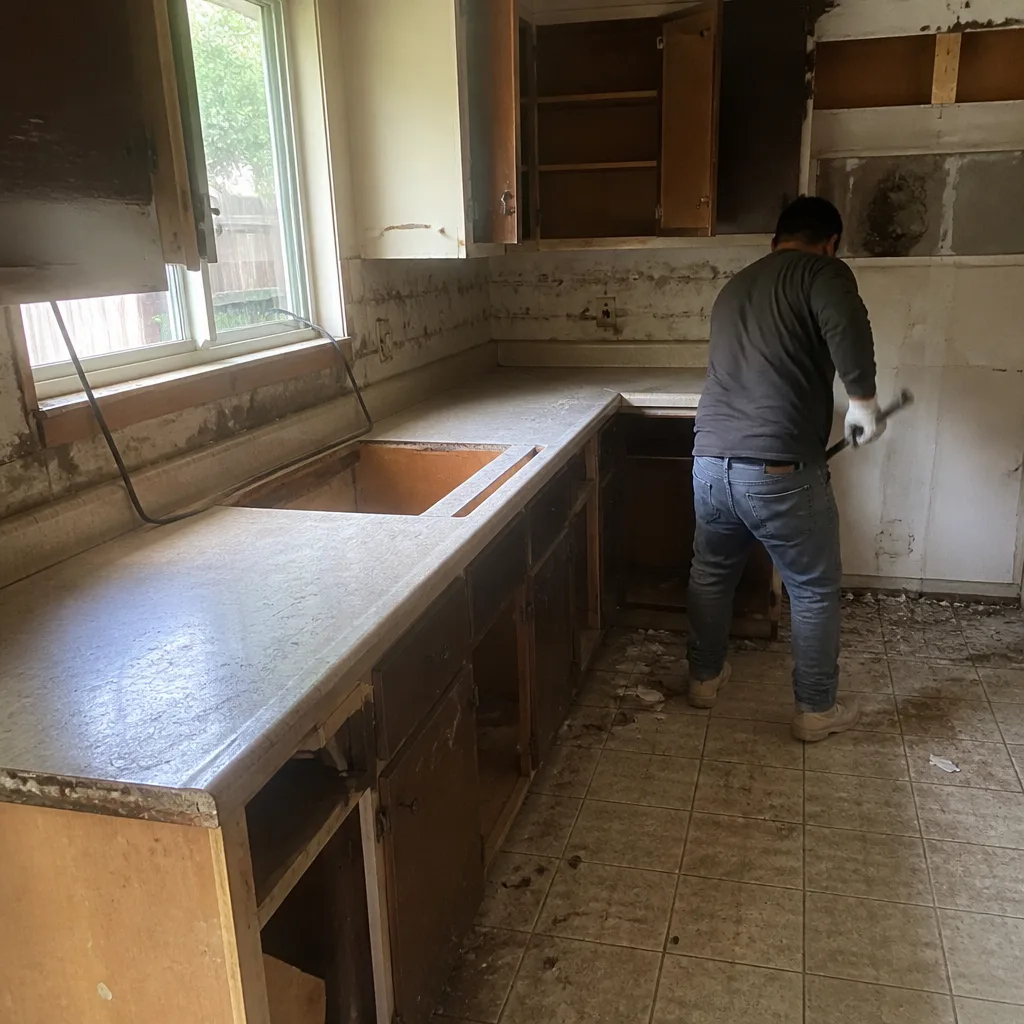 Before
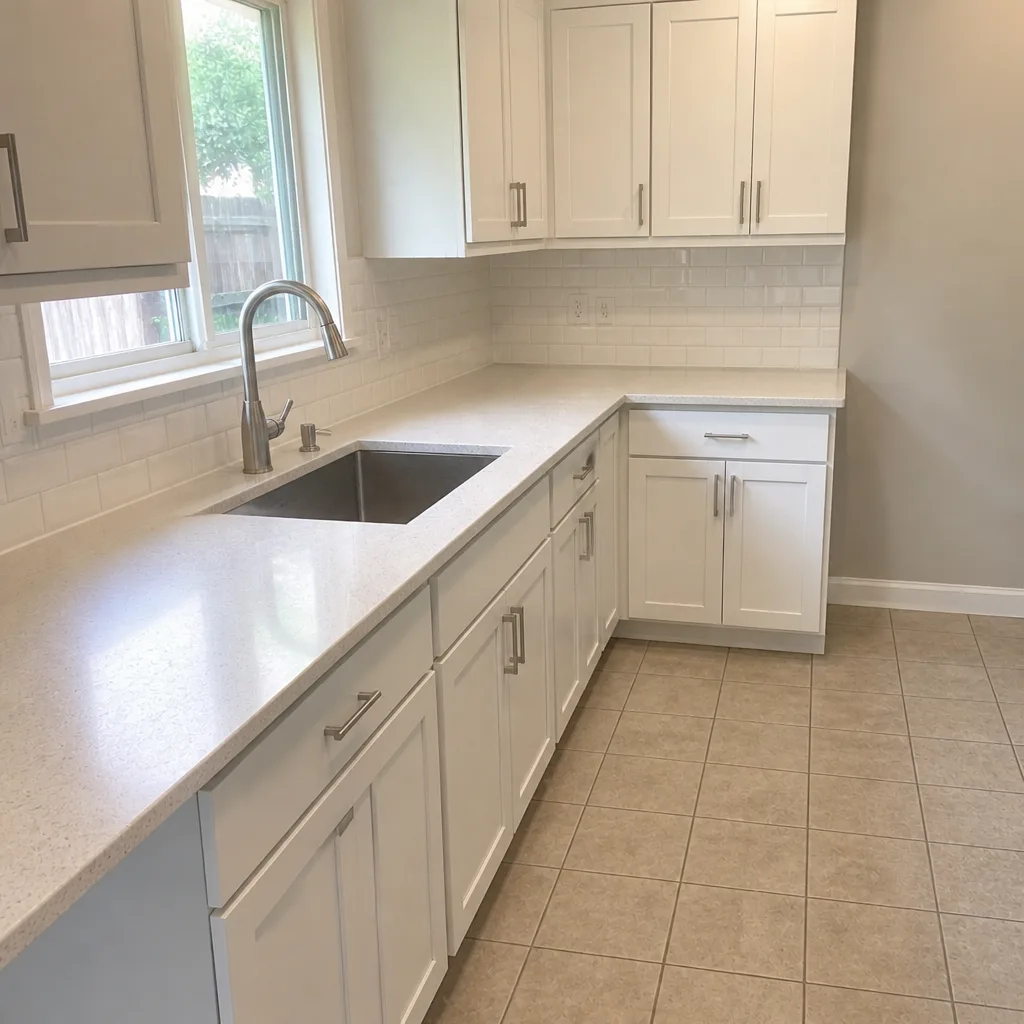 After
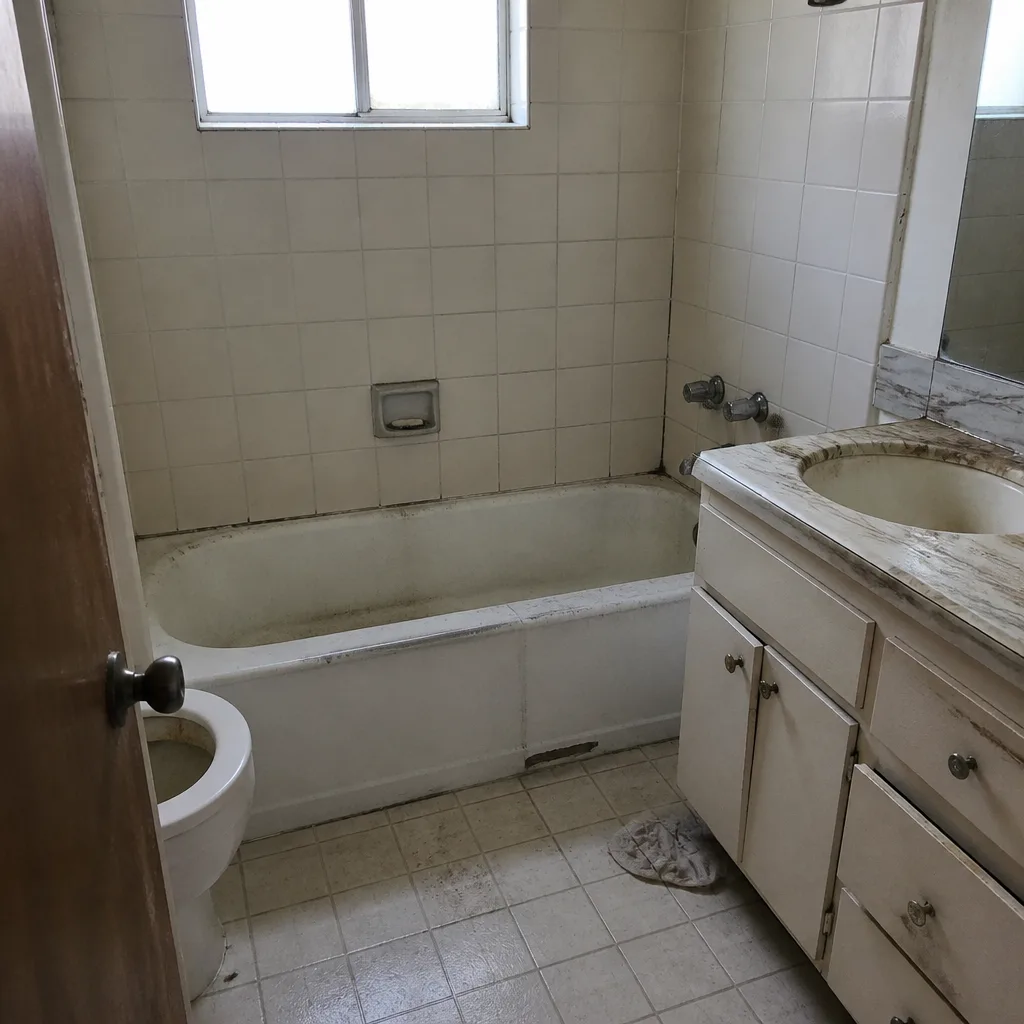 Before
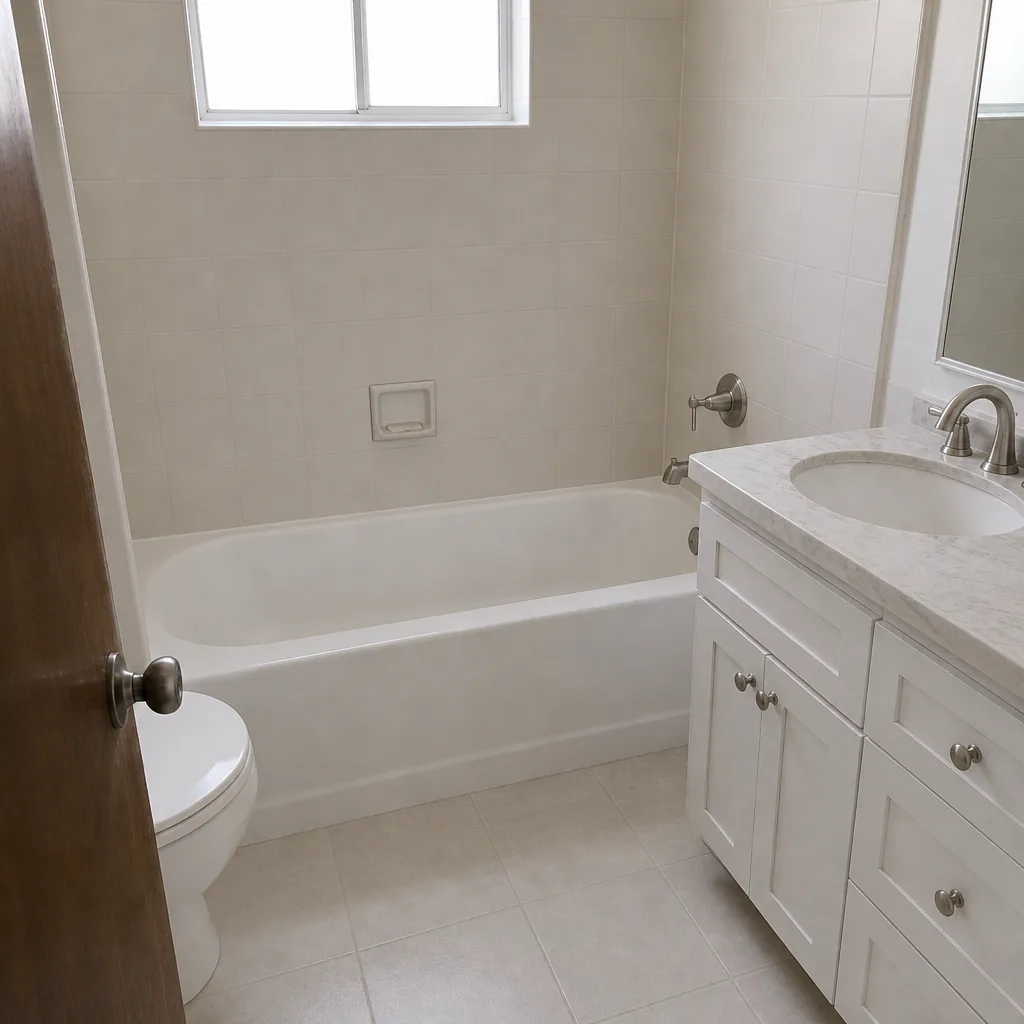 After
When to Call a Professional
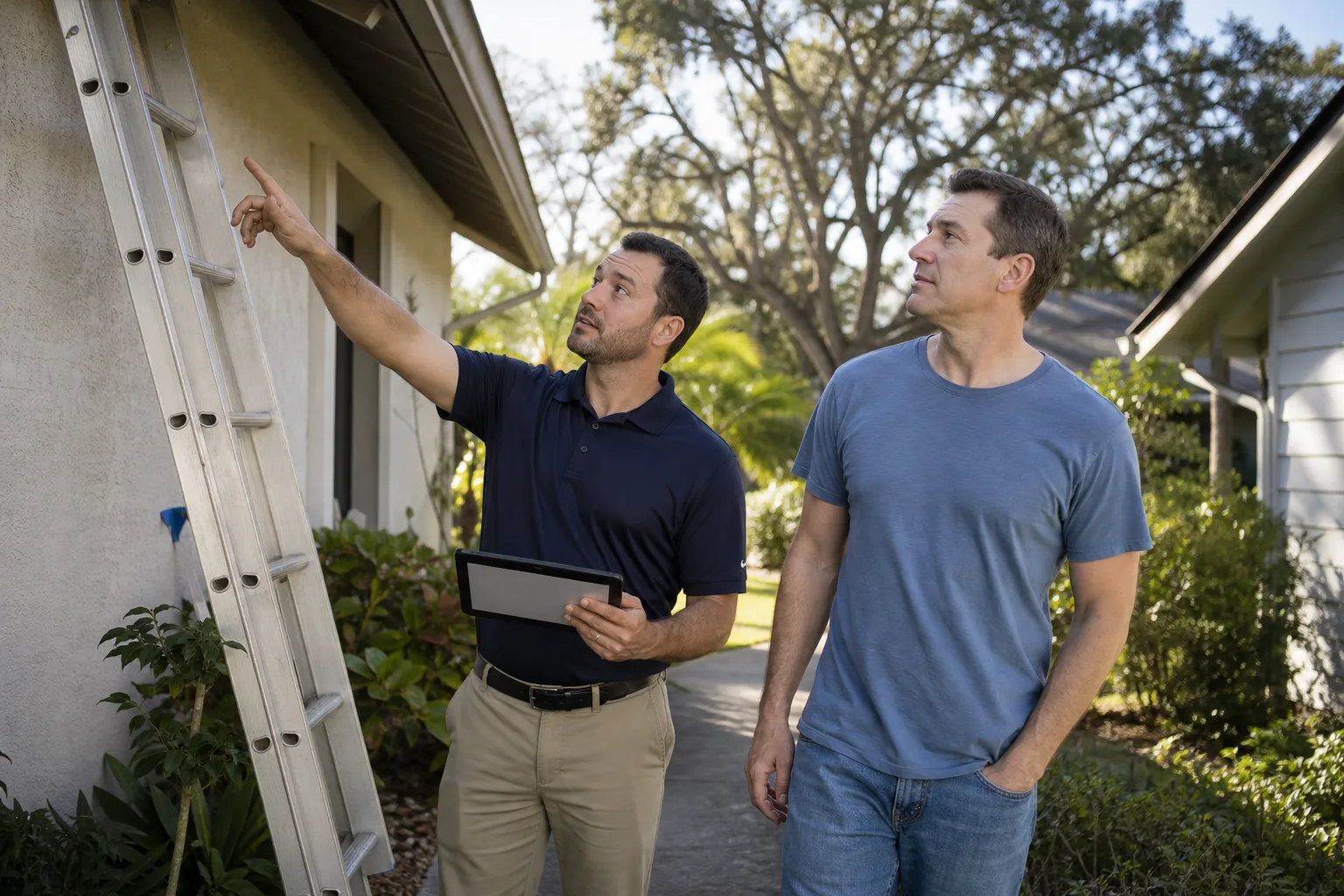
Call a licensed contractor when the work involves structural framing, foundation, shear walls, rough electrical, rough plumbing, gas piping, HVAC, panel upgrades, or anything tied to a permit inspection that has to be signed. Call if your lender requires a licensed general contractor for the construction draw. Call if you’re not certain your insurance will cover the work you’re about to do. And call if you’re planning an ADU and want to know exactly what your city will require before you spend a dollar on materials. In our experience, the free-est conversation on any addition project is the one you have before anything gets built. Barrett & Sons Construction Santa Ana offers free estimates in Santa Ana – call (888) 325-4971. Every eligible job comes with permits pulled and inspections signed, written change orders before any scope shift, and the 90-Day Done Right Promise in plain English on the contract.
Frequently Asked Questions
Yes, as an owner-builder on your own primary residence, you can perform finish work like painting, trim, tile, cabinet installation, and flooring after the rough inspections pass. You can also typically do site work and landscaping outside the permitted footprint. What you can’t legally self-perform on permitted work is structural, electrical, plumbing, and HVAC rough-in – those require licensed trades regardless of who owns the house.
The inspector orders the failed work exposed and corrected before the project can proceed. If drywall or insulation has been installed over the failed rough, it has to come out so the inspector can see the corrected wiring. We’ve seen this cost homeowners $4,000-$12,000 in demo and re-rough on Santa Ana ADUs. Call (888) 325-4971 for a free estimate on doing the licensed work correctly the first time.
It can. Most contractor workmanship warranties attach to conditions the contractor inspected and accepted before starting. If you demo first, the contractor can’t verify the pre-existing condition, and hidden issues you uncover become yours to fix. Structure the demo as a written scope line in the contract before you start so everyone’s responsibilities are clear.
Yes. California’s Transfer Disclosure Statement and Seller Property Questionnaire both require disclosure of unpermitted improvements, and Orange County buyers’ inspectors are trained to spot them. Unpermitted ADUs usually surface at inspection, and the buyer will either demand a credit or the lender will refuse to fund until the work is retroactively permitted and inspected.
Homeowners typically save 8%-15% of total project cost by taking on finishes after rough inspects pass – usually $12,000-$28,000 on a 400-600 square foot ADU with an all-in budget in the $180,000-$280,000 range. The savings disappear fast if a self-performed rough inspection fails. Call (888) 325-4971 to walk through the sweat equity math on your specific project – estimates are free.
Yes. A garage-to-ADU conversion in Santa Ana requires a permit, and any permitted structural work requires licensed framing, electrical, plumbing, and HVAC. Garage conversions are also the single most common unpermitted work we see flagged on home inspections, so the risk of hiding it from the city isn’t worth the short-term savings.
The Bottom Line
The honest line on DIY work in a Santa Ana addition or ADU isn’t about whether you’re handy. It’s about what California’s building code, your lender, and your future buyer’s inspector will require. Finish work after rough inspections pass – painting, trim, tile, cabinets, flooring – is a real savings path for a motivated homeowner, and we’ve watched clients take $15,000-$25,000 off their ADU build by handling it themselves. Rough structural, electrical, plumbing, and HVAC work isn’t a savings path. It’s a risk path. If that line is clear in your mind before you pick up a tool, you can build an ADU that’s legal, insurable, and marketable when you sell.
If you’re planning an addition or ADU in Santa Ana and want a straight answer about what you can do yourself and what needs a license, call (888) 325-4971 for a free estimate. We’ll walk your property, put the scope in writing, and tell you where the DIY savings actually live on your specific project. You can also start with our Barrett & Sons Construction Santa Ana home page to see the full range of what we offer, and if your project includes a new driveway to the ADU, our team handles Driveway & Pavers in Santa Ana as a stand-alone service. Estimates are free, change orders come in writing before any scope change touches the job, and the 90-Day Done Right Promise is on every contract in plain language. The permit inspector works for you, not for us – that’s why we like him.
Written by the team at Barrett & Sons Construction Santa Ana.