Last updated November 18, 2026




Free written scope consultation - allowances, timeline, and change-order rules on paper before a single trade is scheduled
Fence Installation Warning Signs Every Homeowner Should Know
If a fence contractor won’t give you a written materials list before the job starts, you have no way to know whether the posts in your yard match the posts in his quote. That gap is exactly where shortcuts hide. The worst crews don’t show up with obvious red flags. They show up with a low number and vague paperwork, and the trouble surfaces six months later when a post leans and nobody answers the phone. In Santa Ana, where clay-heavy soil and dry Santa Ana winds work a fence hard, those shortcuts show up faster than most homeowners expect. This guide names the specific behaviors, documents, and job-site details that separate a straight-shooter from a disappearing act.
Quick Answer
The biggest fence installation warning signs are vague or verbal-only quotes, missing post depth specifications, a contractor who says a fence needs no permit, no written change-order process, and an insurance certificate you can’t verify. Any one of these means you’re carrying the risk. A straight-shooter puts scope, materials, allowances, and price changes in writing before work starts. In Santa Ana, asking for a written materials list and a permit answer up front filters out most of the bad actors in one phone call.
Styles & brands we work with
- Kitchen remodeling
- Bathroom remodeling
- Home additions & ADU
- Roofing
- Windows & doors
- Driveway & pavers
- Fence
Table of Contents
- 1. The Quote With No Post Depth Specification
- 2. “You Don’t Need a Permit for a Fence”
- 3. The Materials Swap on Delivery Day
- 4. No Written Change-Order Process
- 5. How to Read an Insurance Certificate Yourself
- 6. Heavy Deposits and Pressure to Sign Today
- 7. What a Bad Job Site Looks Like
- Common Mistakes to Avoid
- When to Call a Professional
- Frequently Asked Questions
1. The Quote With No Post Depth Specification
A fence quote that lists “posts” without a depth figure is a blank check for a substandard install. Post depth is the single biggest driver of how long a fence stands, and it’s the easiest thing to fudge because you can’t see it once the concrete cures. In Santa Ana, our clay and sandy mix holds water in some pockets and drains fast in others, so depth and concrete work matter more here than on flat farmland.
Here’s what a real specification includes:
- Post depth: a minimum below-grade depth, not just “set in concrete.”
- Post spacing: typically 6 to 8 feet on center, stated in the quote.
- Concrete: bag count or yards per post, so you can’t get four bags where ten were quoted.
- Post size: 4×4 versus 4×6 versus 6×6, named on paper.
- Wind load: a note that the layout meets local standards for exposed sites.
California wind-load standards and local code set minimums for fence height, footing, and lateral support. If a contractor can’t tell you the target depth in inches, he either doesn’t know it or plans to skip it. In our experience, the quote that says “posts set in concrete per code” and nothing else is the quote that gets cut short in the ground. Ask for the number. A crew that knows its trade will rattle it off without checking a note. When you’re ready to compare written specs, look at how we spell out scope on our fence installation in Santa Ana page.
2. “You Don’t Need a Permit for a Fence”
When a contractor tells you a fence needs no permit, that sentence should end the conversation. Some Santa Ana fence work genuinely doesn’t require a permit. A lot of it does, especially taller fences, corner-lot fences near sight lines, and fences close to property lines where height and setback rules kick in. The point isn’t that every fence gets a permit. The point is that a pro knows the difference and writes it down.
Why it matters:
- Height and setback rules vary by lot. A 6-foot fence is common, but corner lots and fences near driveways get tighter scrutiny. A pro checks before he sells.
- Property-line placement is legal, not cosmetic. Build 6 inches over the line and it becomes someone else’s problem to enforce and your problem to remove.
- Permits create a paper trail. If you sell the house, an unpermitted structure can slow the deal or cost you at closing.
- Inspections protect you. The inspector checks footings and framing before they’re buried. That’s a free second set of eyes on the work.
In Santa Ana, we’ve seen fences go up along property lines in tight neighborhoods off Bristol and McFadden where a lazy contractor never checked the height allowance behind a driveway apron. The homeowner paid to have it cut down later. “You don’t need a permit” isn’t customer service. It’s a way to skip the cost of pulling one. A straight-shooter pulls the permit and passes inspection on every eligible job.
3. The Materials Swap on Delivery Day
Materials swaps are real, and they happen at the delivery, not in the quote. The contractor quotes a redwood or cedar grade, then a truck shows up with a lower grade in a different thickness and the installer tells you it’s “the same thing.” On paper you can’t tell the difference. On delivery day you can, if you know what to look for in Santa Ana.
What a swap looks like:
- Grade substitutions: a “premium” or “select tight knot” board swapped for a lower “standard” grade with more knots and voids.
- Post size swap: a quoted 4×6 post dropped to a 4×4 to save cost, especially on longer spans.
- Thickness games: a “1×6” fence board that measures thinner than what you paid for. Bring a tape measure.
- Mystery brands: composite or vinyl panels from a maker you can’t look up, installed under a brand name that sounds familiar.
- Pressure-treated grade changes: a lower retention level for a ground-contact post when the quote promised ground-contact rated material.
This is where premium-brand depth matters. When a company installs materials you can look up by name, like a Boral or PGT product with a real spec sheet, there’s nothing to hide behind. Ask for the brand and the model on the quote. Then check the delivery. If the brand and board don’t match the paper, the job doesn’t start until they do. That’s the whole point of a written materials list.
4. No Written Change-Order Process
No written change-order process means every mid-job surprise gets settled verbally, and verbal settlements always favor the person holding the tools. Rot discovered along a fence line, a hidden utility line, a property-line dispute with a neighbor: all of these happen on real jobs. What separates a pro is that the price change arrives in writing before the work continues.
Here’s the process a straight-shooter follows:
- Stop and document. The crew photographs the surprise and explains it in plain language.
- Write the change order. Scope, materials, and price, on paper, with your signature required.
- Wait for your yes. No verbal “I’ll just charge you a little more” and no work past the surprise until you’ve agreed.
- Attach it to the job file. The change order rides with the contract and shows up on the final bill.
The opposite of this is the contractor who says, “Oh, I’ll just roll it into the total.” You know the type. The final invoice carries an extra $600 nobody can explain, and the work is already done. An allowance that isn’t on paper is a surprise waiting for a date. If a contractor won’t commit to written change orders up front, he’s telling you he plans to negotiate the price after the check is already written. That’s one of the first things we ask customers to look for when they compare bids.
5. How to Read an Insurance Certificate Yourself
You can read a fence contractor’s insurance certificate yourself, and you should before any work starts. The one line that matters most is general liability. If a crew member gets hurt on your property and the contractor carries no workers’ compensation coverage, that injury can land on your homeowner’s insurance, not his. This is not a theoretical risk. It’s the single most expensive mistake homeowners make when hiring anyone to dig, lift, or build on their land.
What to check on the certificate:
- General liability: present, with limits high enough for the job. A certificate with no liability limit on a fence job is not a certificate.
- Workers’ compensation: present, with your state listed. If it’s marked “exempt,” ask why in writing.
- Your name and address as certificate holder: good practice, and easy for the contractor to add.
- The policy carrier: a real insurance company you can call. Verify the certificate directly with the carrier, not just the contractor’s word.
- Active dates: the policy has to be in force on the day work starts.
Here in Santa Ana, we’ve seen fence jobs where a helper tweaked a back and the homeowner’s policy paid. That’s a problem you never see coming until it does. Ask for the certificate before signing. A contractor who’s insured and bonded will send it without a fuss.
6. Heavy Deposits and Pressure to Sign Today
A fence job that wants a huge deposit up front and a signature today is a job you should walk away from. Deposits are normal. What matters is how the money is structured and whether the contractor is pushing you off a cliff with a “today only” price.
- Half up front, half on completion: a common, fair structure. Final payment should wait until you’ve walked the finished fence.
- “Pay the whole job today for a discount”: a way to take your money before the work proves out.
- “The price goes up tomorrow”: real pricing doesn’t move overnight on a fence. That’s pressure, not a deadline.
- Cash-only: no paper trail on the change orders and deposits you paid.
- No written estimate: every honest pro gives you a written estimate you can keep and compare.
Everyone in Santa Ana feels the pull of a fast deal. Slower is safer when five figures of lumber and labor are on the line. A contractor confident in his work will let you sleep on it and come back the next day.
7. What a Bad Job Site Looks Like
You can learn a lot by watching how the crew handles the site. A pro measures carefully, sets stakes, protects your lawn and landscaping, and cleans up each day. A shortcut crew leaves debris, works past dark, and buries mistakes. In Santa Ana, watch for crews that dig fast without a layout, because doing it right means checking the line before the first hole, not after.
- No staking or string line before digging. Amateur work starts with a shovel, not a plan.
- No post-depth check. A pro measures the hole before it’s filled.
- Burying footing over poor soil. In our soils, compaction and concrete matter.
- Trash and old posts left behind. Cleanup is part of the deal.
- No owner or foreman to answer questions. A straight-shooter has a name on the job and answers his phone.
Watch how the crew talks about their boss. If they’re background-checked and carry a company name on their shirt, that’s a good sign. If nobody on site can tell you who’s accountable, the accountability is “nobody.” When you want a crew that measures before it digs, look at the difference on our home additions and ADU in Santa Ana work, where the same standards apply.
Common Mistakes to Avoid
- Accepting a phone quote with no written materials list. Two sentences later you’ll be arguing about board thickness while a truck is unloading. Get it on paper first.
- Believing “you don’t need a permit” without asking why. In Santa Ana, some fences need one and some don’t. A pro explains the difference; a shortcut artist skips the question.
- Not checking the insurance certificate. Ask for the certificate and call the carrier before the first post goes in the ground.
- Handing over the final payment before walking the finished fence. Open the gate, push the panels, check the cap line. Pay when it’s right.
- Choosing on price alone after one bid. The cheapest bid is often the bid that skips something you can’t see, like footing depth or hardware.
- Settling a change order verbally. “I’ll just charge a little more” is how surprise invoices happen. Written change orders before work restarts, every time.
- Ignoring how the crew treats the property. A crew that tears up your lawn and leaves debris will treat the fence the same way.
When to Call a Professional
Some fence situations call for a pro the moment you spot them: a leaning post after a Santa Ana wind event, a fence section bowed after a root push, a gate that won’t square and drags on the ground, or panels rotted near the footing so the post is holding by a thread. Those are structure problems, not cosmetic fixes, and patching the surface usually hides the real issue. If your fence is on a property line and you aren’t sure of the setback, that’s another reason to call before you dig. Barrier and pool fences carry their own rules around height, self-closing gates, and inspections. And if you’re comparing bids from a contractor who gives you a number over the phone, a written second opinion will tell you whether the quote lines up. Barrett & Sons Construction Santa Ana offers free estimates in Santa Ana. Call (888) 325-4971 to schedule one.
Frequently Asked Questions
The biggest warning sign is a quote with no written materials list, post depth, or change-order process. A vague quote is a blank check for a substandard install, because once the ground is backfilled you can’t see the shortcuts. Ask for the depth in inches and the brand and grade on paper before you sign.
No. Some Santa Ana fence work doesn’t require a permit, but plenty of it does, especially taller fences, corner-lot fences, and fences close to the property line. A contractor who says a fence never needs a permit is guessing or cutting a corner. Ask what your specific lot and height require, and expect a written answer you can verify with the building department.
Bring a tape measure and compare the delivery against the written materials list. Check post size, board thickness, grade, and the brand name on the packaging. In Santa Ana, we’ve seen a quoted 4×6 post show up as a 4×4. If the delivery doesn’t match the paper, don’t let the crew start. Call our team at (888) 325-4971 for a free written estimate you can compare line by line.
A written change order protects you from surprise invoices. When a contractor finds rot or a hidden utility line mid-job, a change order spells out the new scope and price in writing before work continues. Without one, the surprise gets settled verbally, and the final bill reflects whatever the contractor decides. Written change orders are the standard we hold ourselves to on every job.
Only if you verify it. Ask for the certificate, then call the carrier to confirm the policy is active. Confirm general liability and workers’ compensation coverage, and make sure your name and address are listed. If a crew member gets hurt and there’s no workers’ comp coverage, that injury can fall to your homeowner’s insurance, so this step isn’t optional.
You can handle a loose board or a latched gate that’s out of alignment. For a leaning post, a bowed panel, or footing rot, call a professional. Those problems are structural, and a surface fix hides the cause until the next Santa Ana wind. If your fence is part of a pool barrier, get it inspected properly because those rules carry inspections. Call (888) 325-4971 to schedule your free estimate.
The Bottom Line
The fence contractors you want to avoid don’t wear a sign. They hand you a low number and no paperwork. The warning signs are specific: a quote without post depth, “you don’t need a permit,” a delivery that doesn’t match the materials list, no written change-order process, a certificate you can’t verify, and a big deposit before the work earns it. Watch how the crew works and how the site looks. Every one of those signs points back to one question: is the scope in writing? In Santa Ana, a straight-shooter puts scope, allowances, and price changes on paper before a nail moves. That’s how you get a fence that stands through the wind, and a name you can call in six months if it doesn’t.
When you’re ready to compare written bids from a crew that shows up with a written materials list and a real permit answer, call (888) 325-4971 to schedule a free estimate. Check our Barrett & Sons Construction Santa Ana home to see the standards we hold, and take a look at the driveway and pavers in Santa Ana work we do when a project runs right up to the front of the house.
Written by the team at Barrett & Sons Construction Santa Ana.
See the difference
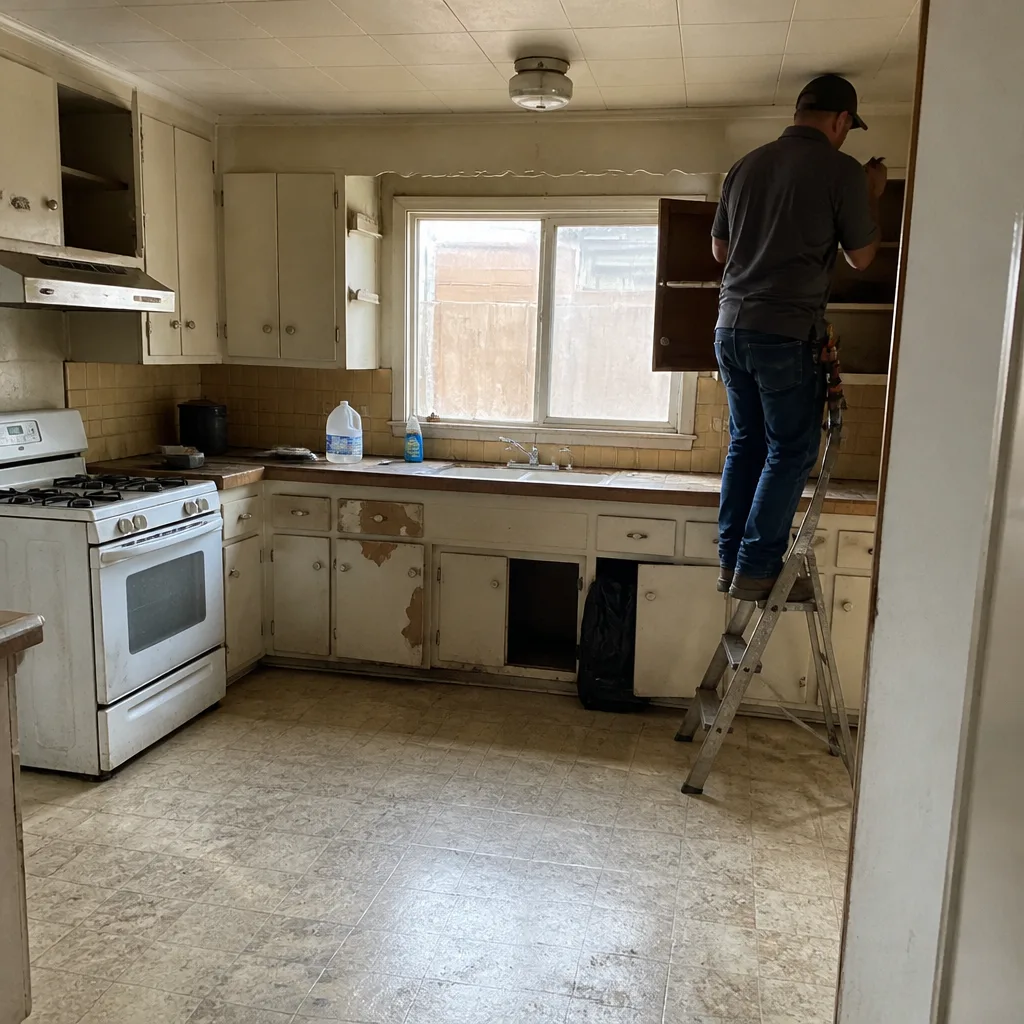 Before
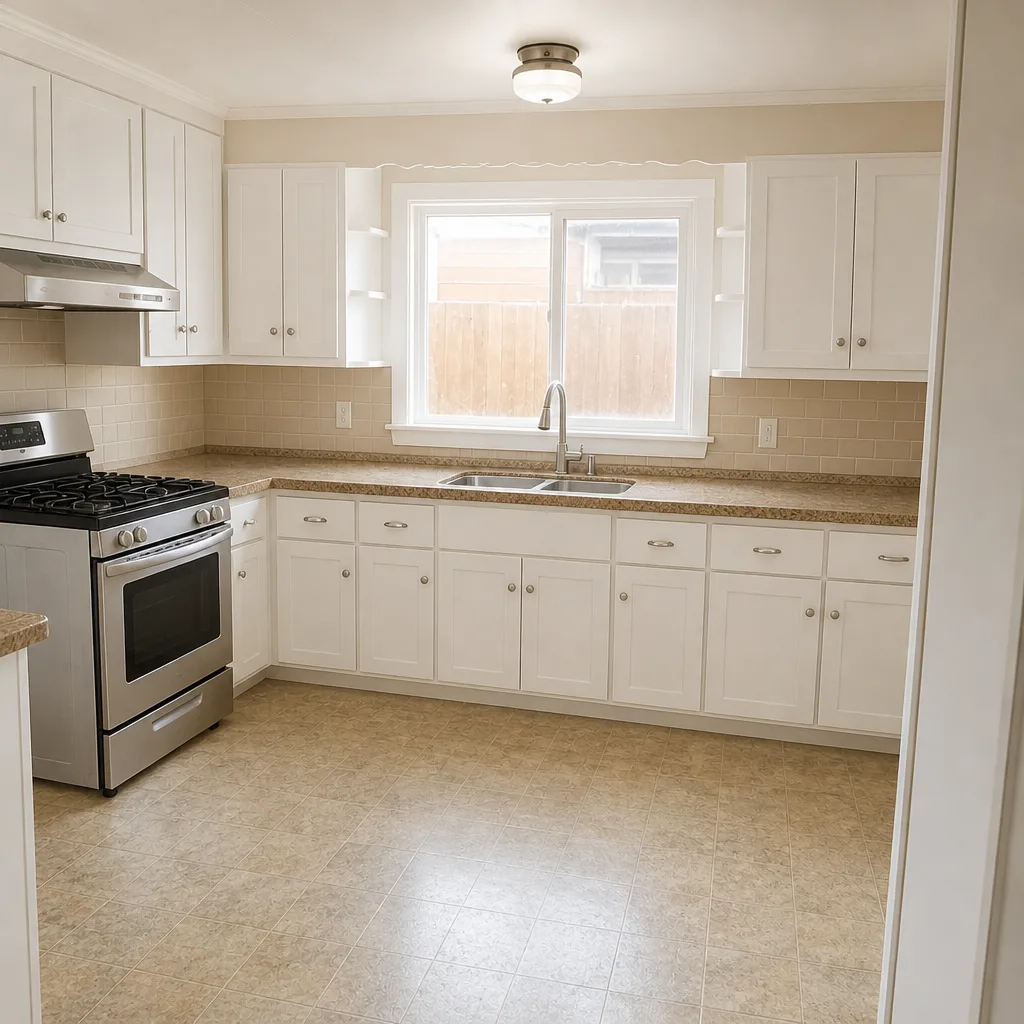 After
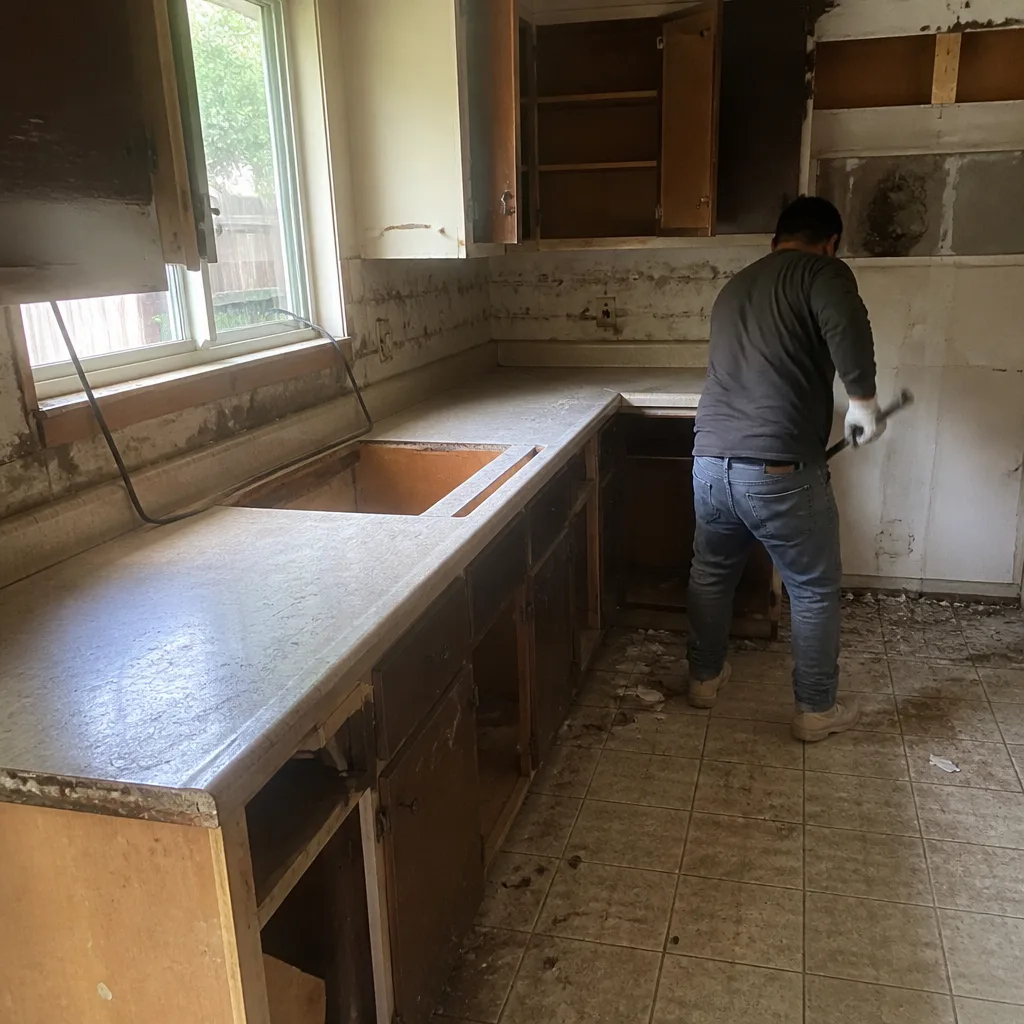 Before
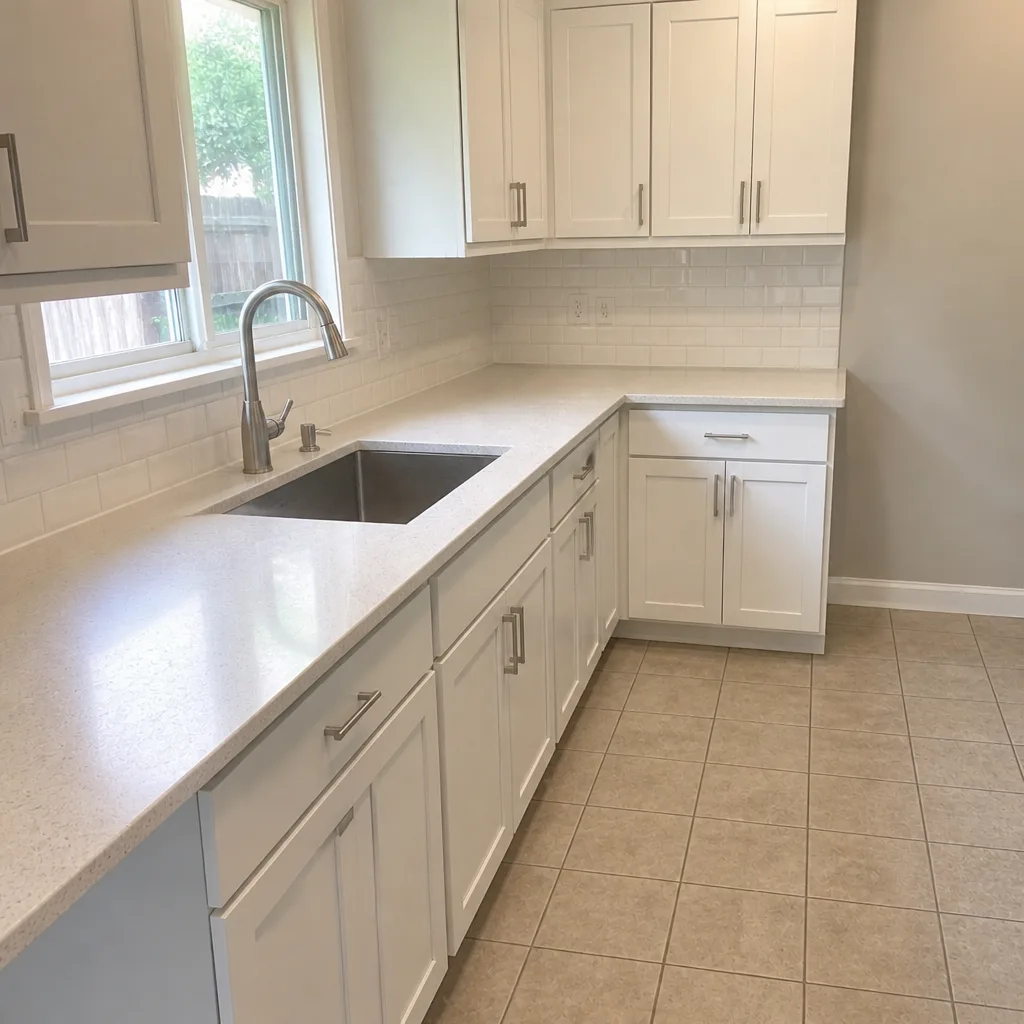 After
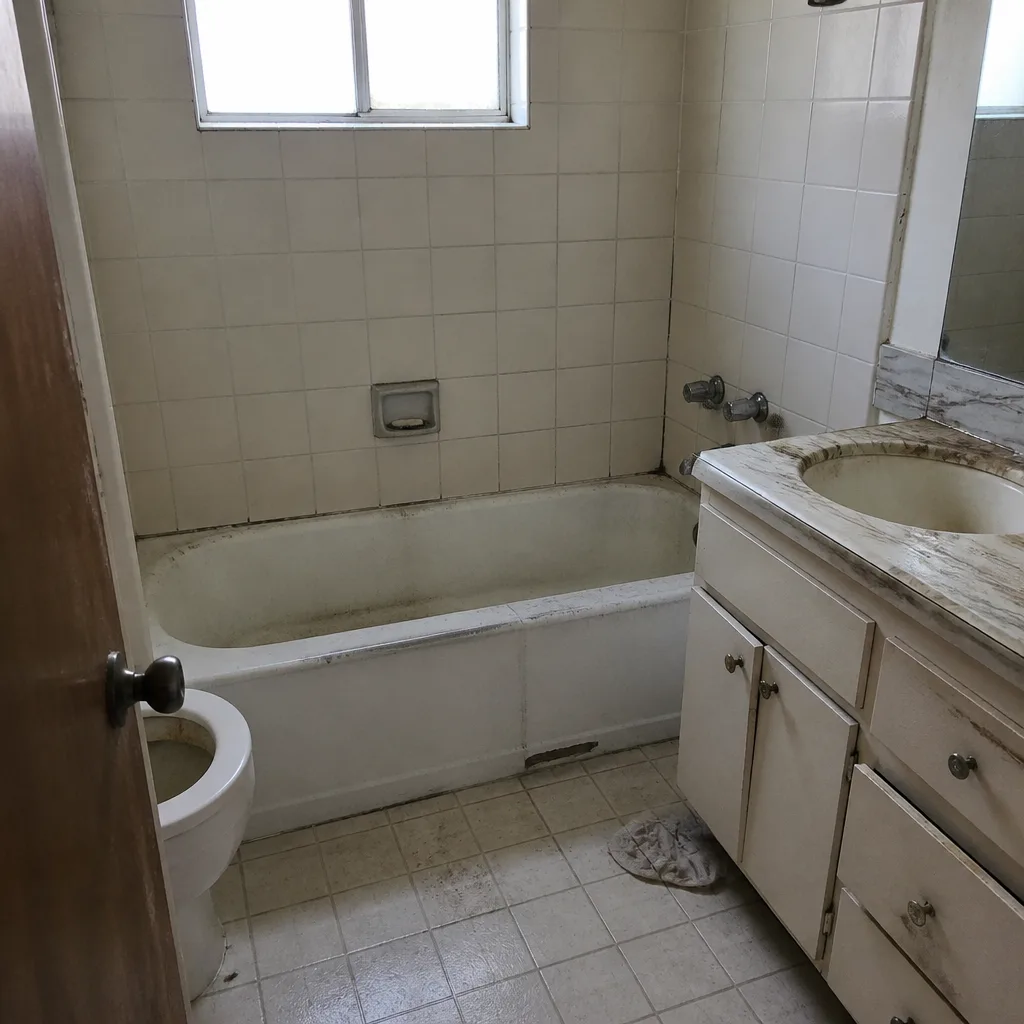 Before
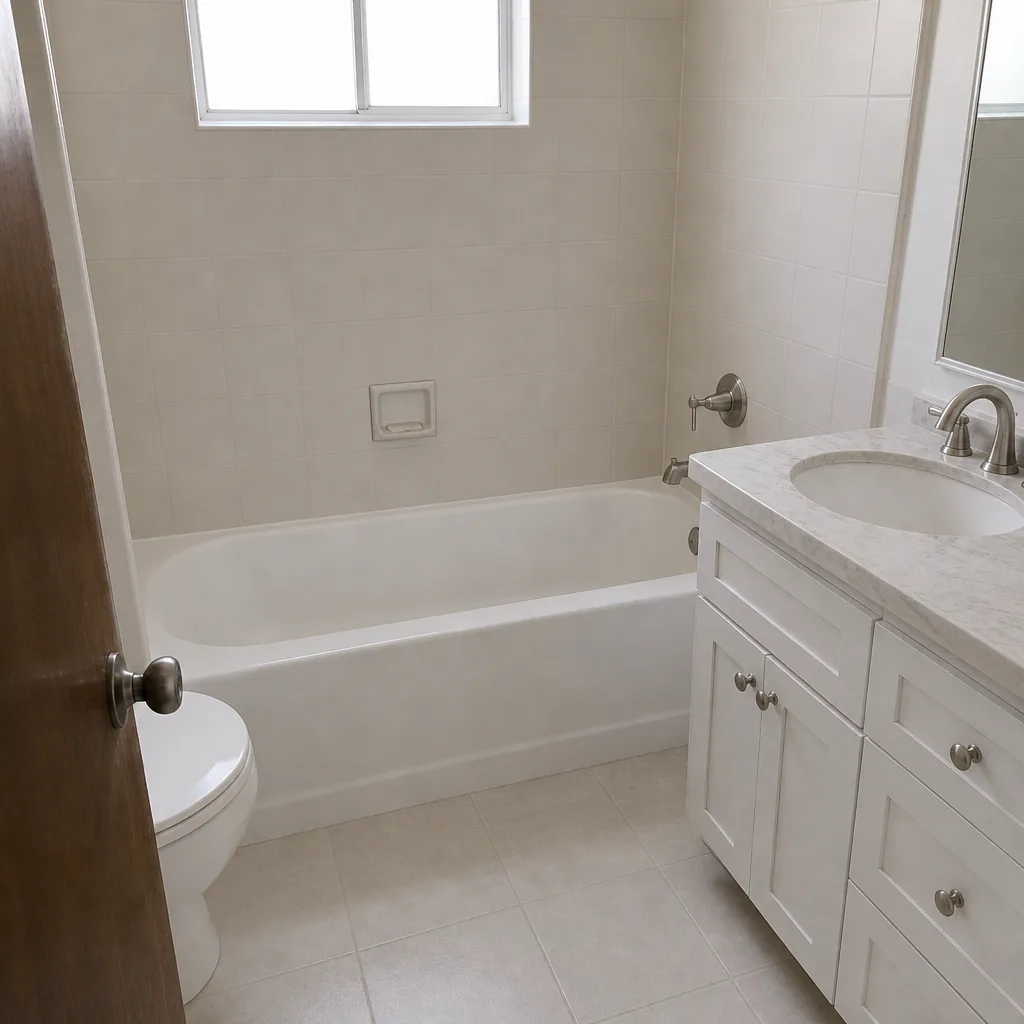 After