Last updated November 18, 2026
Free written scope consultation - allowances, timeline, and change-order rules on paper before a single trade is scheduled
Choosing the Right Construction Brand: A Buyer’s Guide for Santa Ana
Two roofing quotes land on your kitchen table in Santa Ana, both at $14,000. They look identical until you read the fine print: one specifies 30-year architectural shingles from a manufacturer with a full transferable warranty, the other a builder-grade product that voids coverage the moment an uncertified crew touches it. The brand of materials on your home decides warranty terms, failure rates, and what a buyer will pay for your house years from now. This guide walks through how to read a proposal, which categories actually reward brand attention, and the exact language to add before you sign.
Quick Answer
The best construction material brands for Santa Ana homeowners are the ones sold as a certified system: a manufacturer’s product installed by a factory-trained crew, backed by a warranty that transfers when you sell. Brand matters most in roofing, windows, waterproofing membranes, and pavers. It matters less in framing lumber and drywall, where installation quality drives the outcome. Ask your contractor to name every brand in writing before the purchase order goes in.
Styles & brands we work with
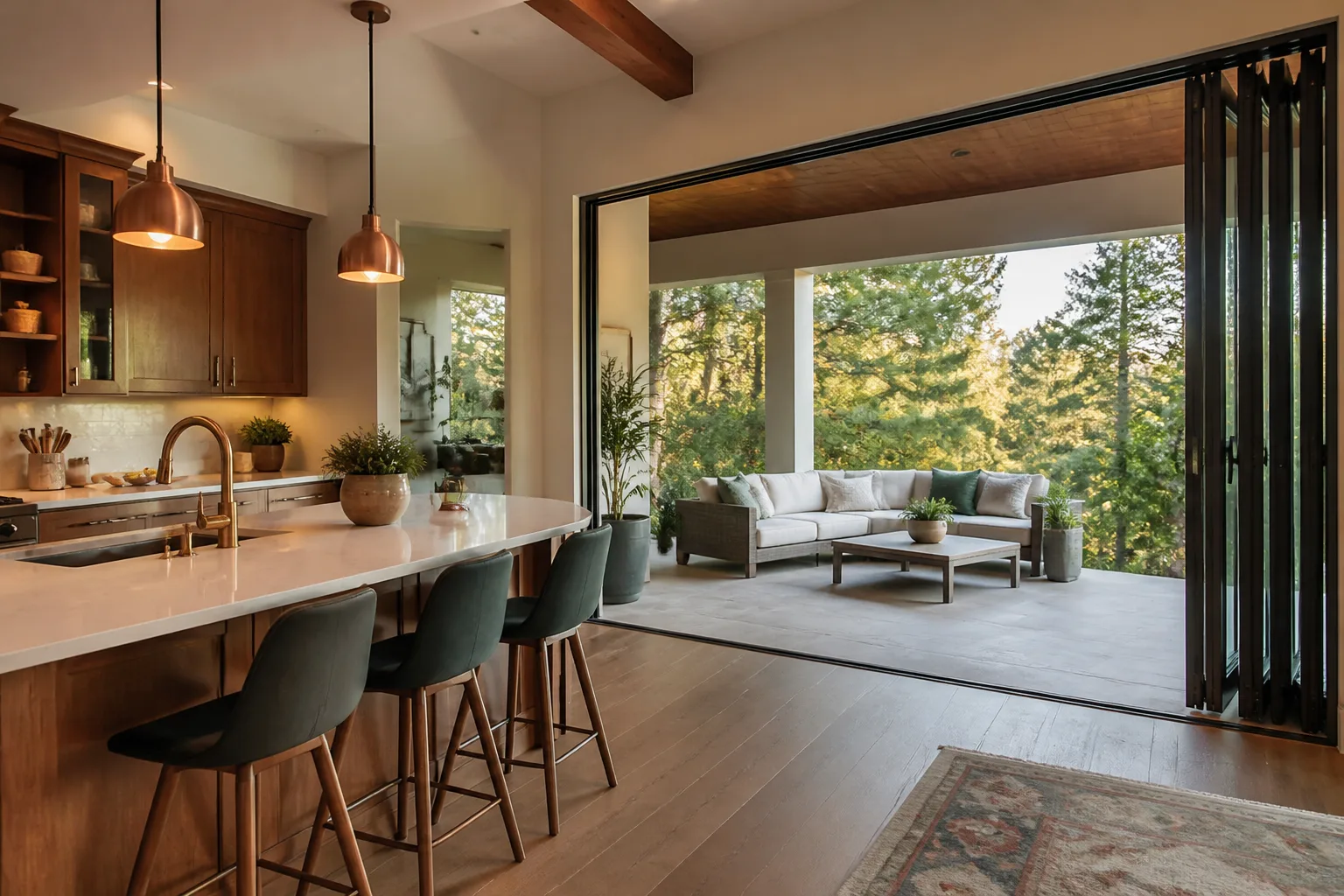
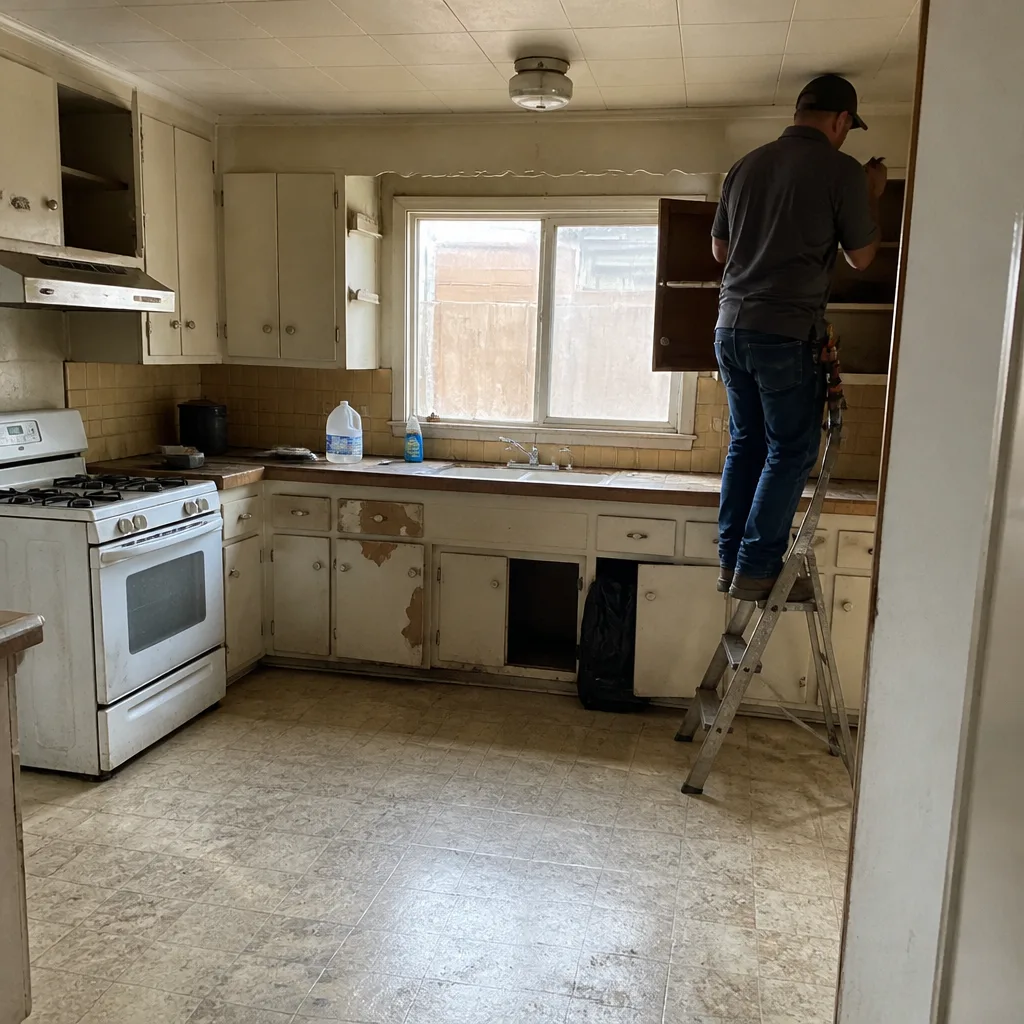
- Kitchen remodeling
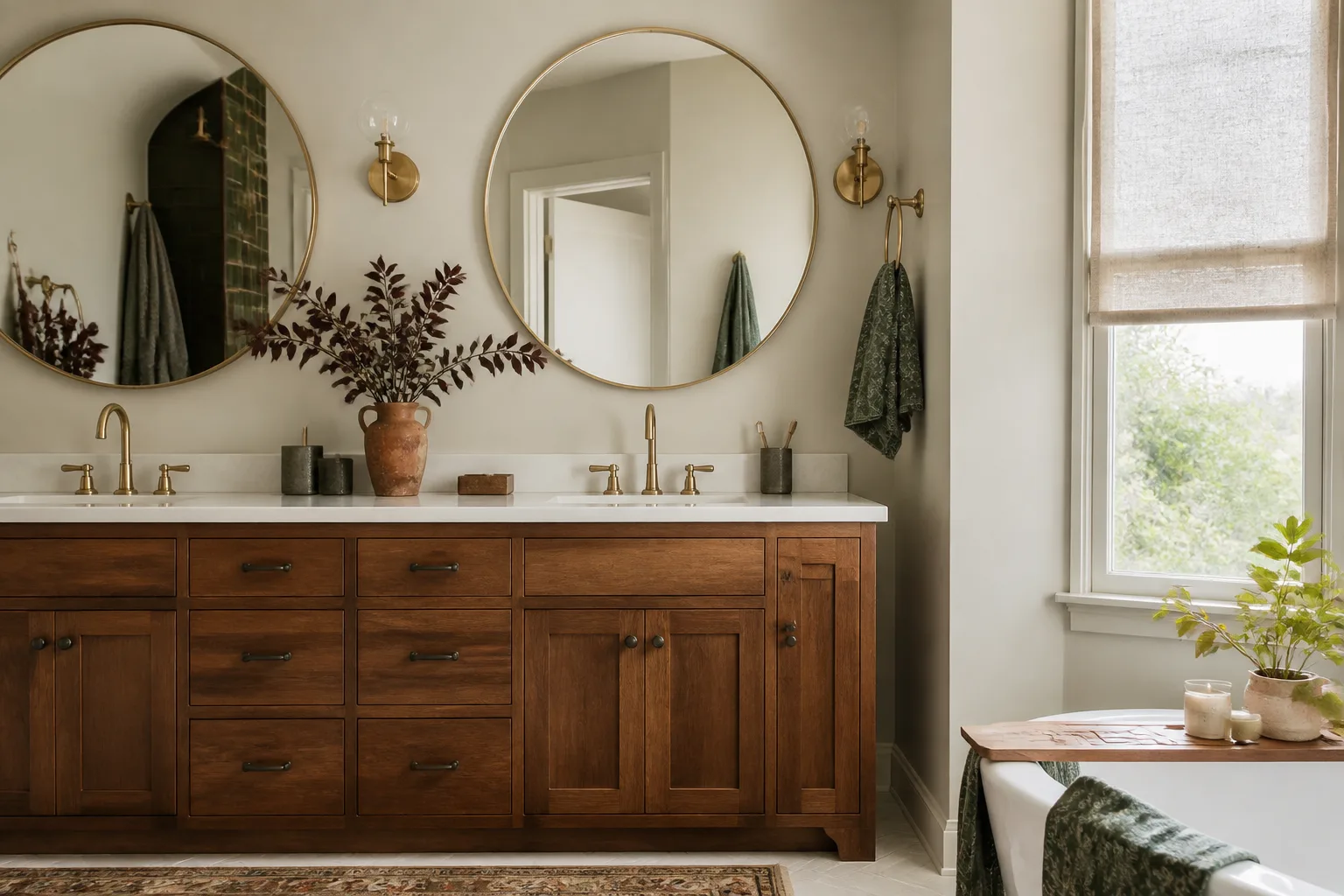
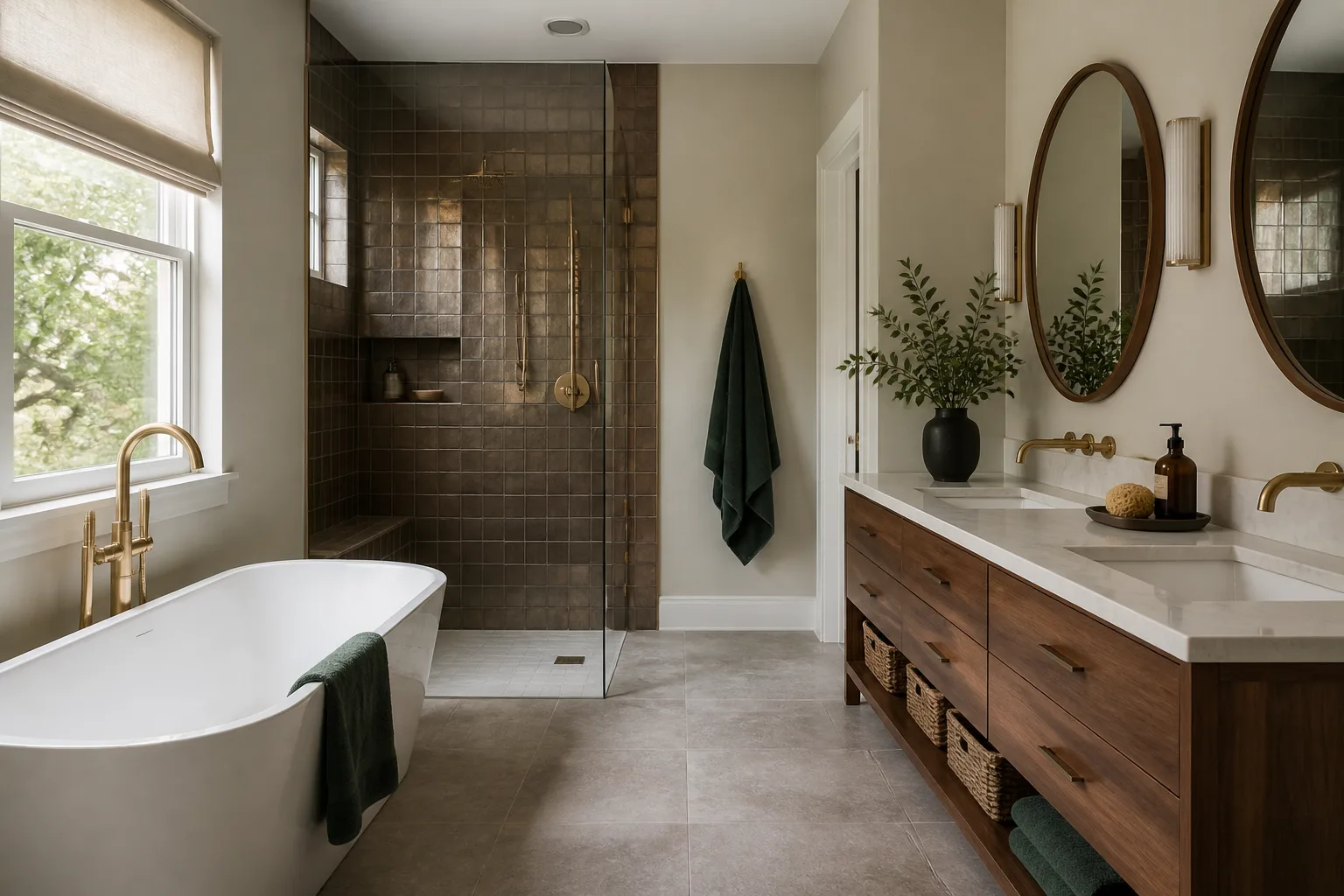
- Bathroom remodeling
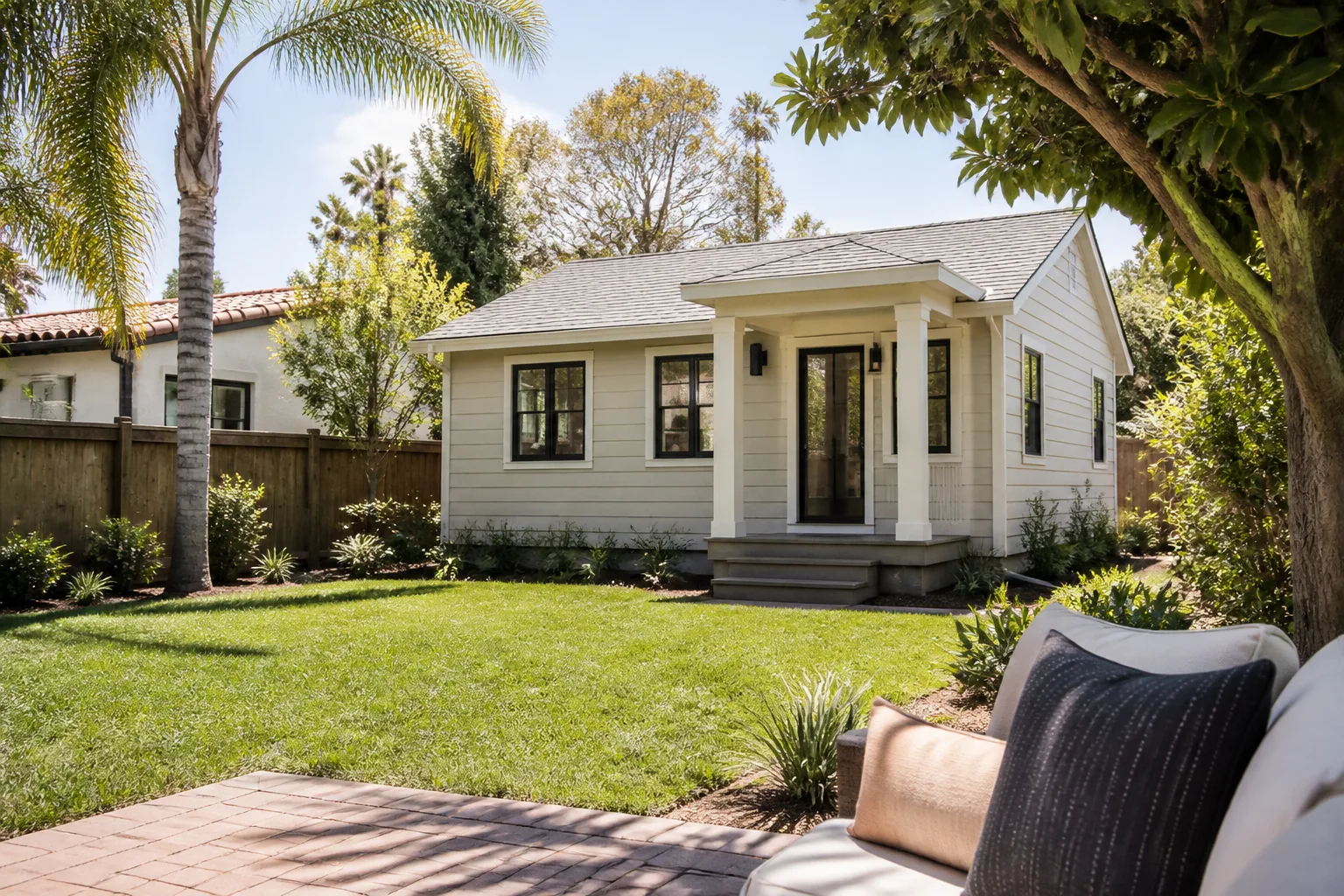
- Home additions & ADU
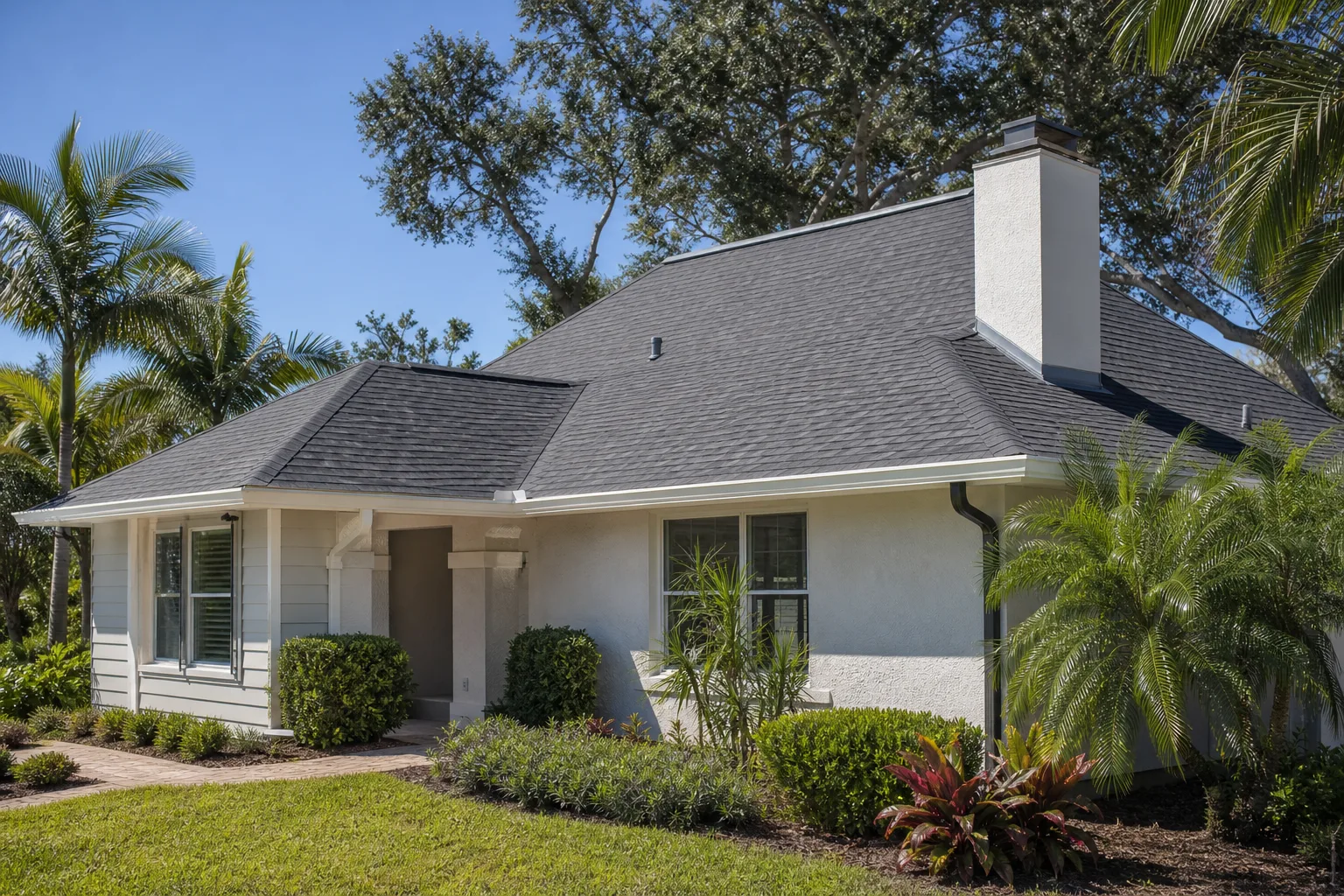
- Roofing
- Windows & doors
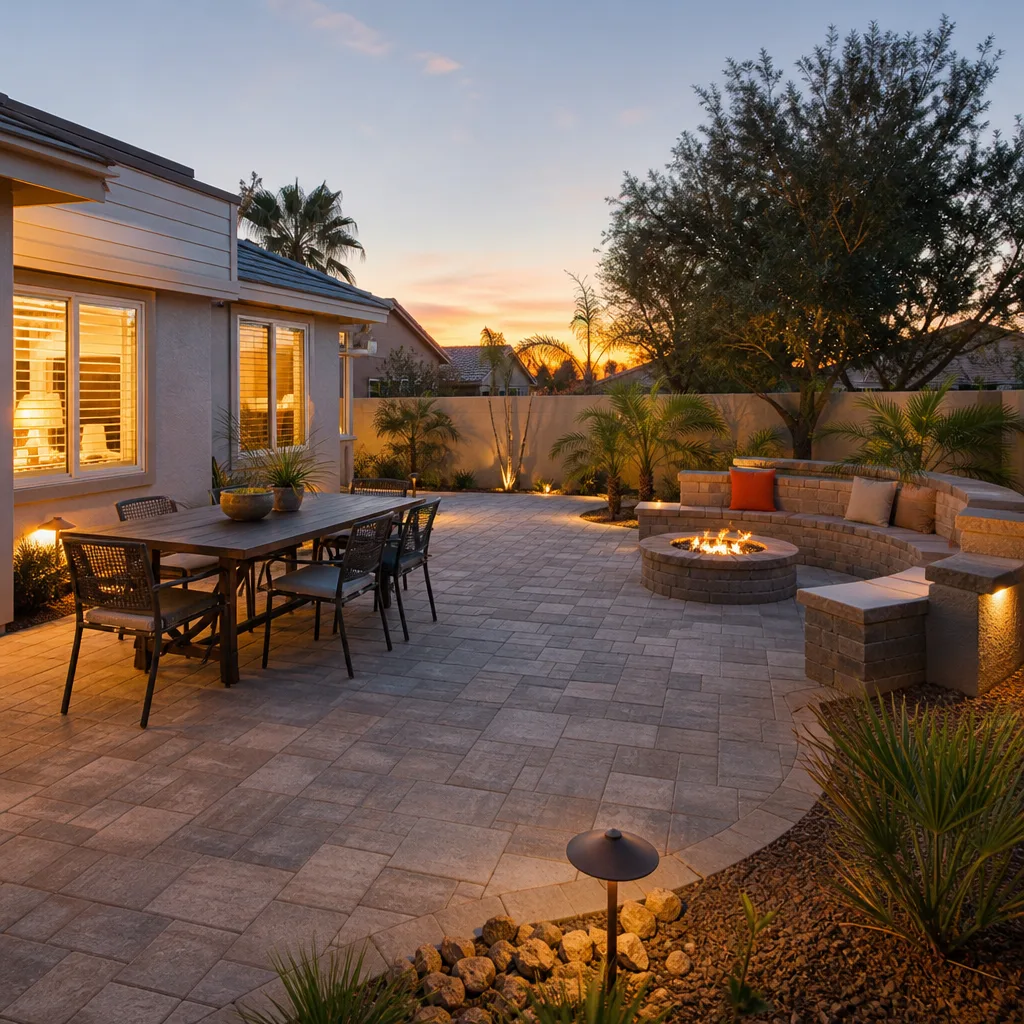
- Driveway & pavers
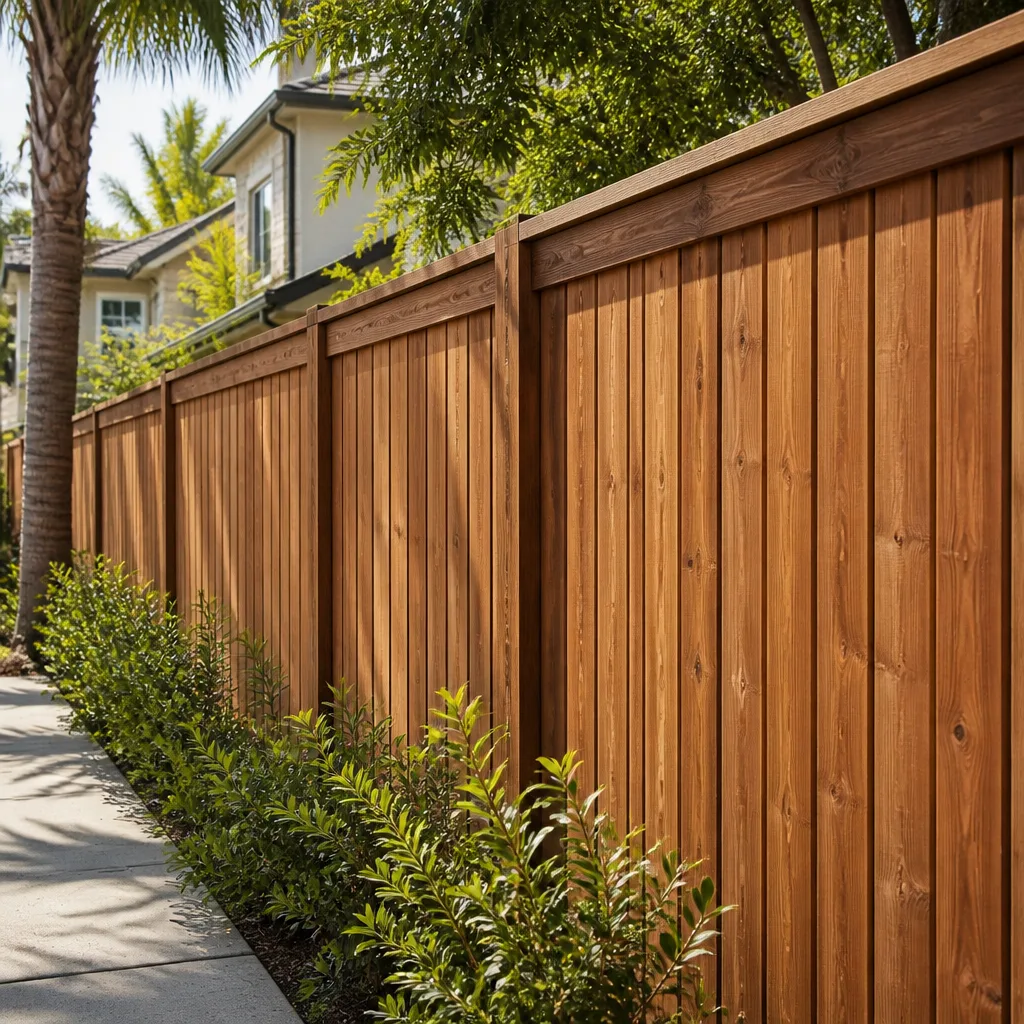
- Fence
Table of Contents
- Full System Warranty vs. Materials-Only
- Where Brand Matters and Where It Doesn’t
- Reading Specs for Santa Ana’s Climate
- How to Get Brands Specified in Writing
- Owner-Operated vs. Lowest-Bid Sourcing
- Reading a Proposal Like a Builder
- Common Mistakes to Avoid
- Frequently Asked Questions
Full System Warranty vs. Materials-Only: The Difference That Costs You Thousands
A materials-only warranty covers the shingle or the window glass if it fails on its own. A full system warranty covers the whole assembly – product, underlayment, fasteners, flashing, and labor – when it’s installed by a manufacturer-certified contractor. The gap between these two is where most Santa Ana homeowners get surprised three or four years down the road.
Here’s the trap. Manufacturers like GAF and CertainTeed sell tiered warranties. The longest ones, sometimes 50 years on labor and material, are only available when the installer holds current factory certification and registers the job properly. A contractor who isn’t certified can install the same shingle and hand you a 25-year materials-only card. Same product on the roof. Half the coverage in your hand.
What to check:
- Ask which specific warranty tier the proposal qualifies for. “30-year shingle” tells you nothing about coverage length.
- Ask if the warranty transfers to a new owner. In Santa Ana’s housing market, where homes in Floral Park and Washington Square turn over regularly, a transferable warranty is a real selling point.
- Ask for the certification name. GAF Master Elite, CertainTeed SELECT ShingleMaster, and Andersen’s Certified Contractor program are all verifiable on the manufacturer’s website.
- Get the registration confirmation in writing. Some warranties require registration within 30 to 60 days of install; if the contractor skips it, you may never know until you file a claim.
The same principle applies to windows. A line like ES Windows or ECO Window Systems is only worth the premium if the installer is authorized and the warranty is registered. If you have a written estimate from another company and want a second read on it, we’ll look at it free. That’s the standard offer, because most homeowners have never seen what a good proposal looks like side by side with a thin one.
Where Brand Matters and Where It Doesn’t
Not every category on your project deserves the same scrutiny. Some materials are commodity products where a brand label is mostly marketing. Others live or die by the manufacturer’s spec sheet and warranty program. Spending your attention on the wrong categories wastes the conversation.
Categories where brand differentiation is real:
- Roofing: GAF and CertainTeed both publish detailed wind and impact ratings, and their premium lines carry transferable full-system warranties. Builder-grade shingles from an unnamed source often don’t.
- Windows and doors: Andersen and Marvin carry meaningful differences in frame materials, glazing options, and air infiltration ratings. Therma-Tru entry doors have a recognizable spec sheet that makes comparison possible. For an addition or a replacement job, the window brand affects energy bills for 20 years.
- Waterproofing membranes: Schluter and similar premium systems are engineered to work as a complete assembly. Mixing brands or substituting a cheaper sheet goods product behind your tile creates a failure path you won’t see until water shows up in the ceiling below.
- Pavers and hardscape: Belgard and Techo-Bloc both publish compressive strength and freeze-thaw data. A cheap paver from an unnamed importer can look fine on day one and spall within three winters.
- Kitchen cabinetry and counters: KraftMaid and Cambria both maintain published warranties and dealer networks. The cabinet brand determines whether a replacement door is available in year eight.
Categories where installation quality beats brand: framing lumber, drywall, standard interior paint, and basic plumbing rough-in. A respected brand of drywall installed poorly still cracks. A commodity 2×4 hung plumb still holds. Put your energy where the product itself varies.
Reading Specs for Santa Ana’s Climate
Santa Ana sits in a coastal-influenced Mediterranean climate with hot, dry summers, intense UV exposure, occasional Santa Ana wind events that push gusts well past 60 mph in the foothills, and a marine layer that keeps humidity higher than you’d expect for a Southern California city. Those four factors decide which specs on a product data sheet actually matter.
What to look for:
- UV resistance ratings. Roofing granules and window frame coatings should carry a documented UV weathering rating. In a city that gets 280-plus days of sun, a product with thin UV protection will chalk and fade in five years.
- Wind load ratings. Santa Ana’s wind events push the local requirement to 110 mph in some zones. Asphalt shingles should carry a manufacturer wind warranty to at least that number. Windows should show a design pressure (DP) rating appropriate for your elevation and exposure.
- Alkali resistance. Concrete products like pavers and masonry near coastal-adjacent zones fight alkali-silica reactions when moisture and certain aggregate chemistries combine. Look for manufacturers who publish alkali resistance data or use low-alkali cement blends.
- Salt air corrosion. Even inland, the marine layer carries enough chloride to pit cheap aluminum and untreated steel hardware. Stainless or hot-dipped galvanized fasteners cost 10% more and last decades longer.
Product data sheets use terms like ASTM D3161 (wind), ASTM D3462 (shingle composition), and AAMA 2604 (window finish durability). You don’t need to memorize them. You need your contractor to be able to say which ones his specified product meets on your job. If he can’t, ask why.
How to Get Brands Specified in Writing
The single most useful sentence you can add to a construction contract in Santa Ana is this: “Contractor shall specify the manufacturer and model number of all products in the scope of work, and shall install only those specified products unless a written change order signed by both parties substitutes an alternate.“
That language closes the door on the oldest trick in the trade: the proposal quotes a named premium brand, and a lower-grade product shows up on your driveway. A contractor who specifies brands in writing and means it won’t flinch at adding that sentence. One who does flinch just told you something. Write that down.
Follow this sequence before any work begins:
- Ask for a manufacturer list with every line item on the proposal. Roof: brand and product line. Windows: brand, model, glazing package. Pavers: brand and color. Cabinets: brand and door style. If the line says “premium shingle,” that’s not a brand.
- Confirm certifications. Ask which factory certifications the crew holds for each major product line. Verify on the manufacturer’s site.
- Ask about allowances. Where the proposal says “allowance” for tile, fixtures, or flooring, ask for the specific product line and per-unit price. An allowance that isn’t on paper is a surprise waiting for a date.
- Add the substitution clause. The contract should say any brand change requires a written change order signed before the substitution happens, with the price difference spelled out.
- Request the warranty registration timeline. Get the scheduled date the contractor will register your warranty with the manufacturer, and the document to follow.
Every one of those steps is standard on a well-run job. If a contractor treats them like an obstacle course, you’re talking to the wrong one.
Owner-Operated vs. Lowest-Bid Sourcing: Why the Business Model Shows Up in Your Materials
A national chain sources materials through a central purchasing department whose job is to hit a cost target. The crews are local subs who win bids on rate, not on factory certification. That system produces consistent invoices and inconsistent materials. An owner-operated company has a different incentive: the name on the truck is the name on the shingles, and a warranty claim in year four lands on a family, not a call center.
You can tell the two apart in the proposal itself:
- Named brands on every line. A proposal that lists KraftMaid and Cambria by name, that specifies GAF or CertainTeed on the roof, that names ES Windows or Therma-Tru at the entry, is showing its work. A proposal that says “premium quality materials” without naming anything isn’t.
- Certifications with the crew, not a subcontractor. Ask who is actually installing the window or the roof. If the answer is a sub you just met, the warranty certification is his to hold or lose, not the company’s.
- Written change orders, not verbal adjustments. Scope in writing, allowances in writing, change orders in writing. That’s the whole discipline in one line.
- Permits in the scope. Every eligible job should carry the permit and inspection line items as published cost, not as an optional add-on. The permit inspector works for you, not for the contractor – that’s the whole point of the process.
- A warranty with a face behind it. A written guarantee that brings the same person back if something goes wrong is a different commitment than a phone tree. Ask what happens on a callback.
That is the shape of the business model you’re actually choosing between when you compare two bids. The materials are the visible end of it. Everything behind the materials – certifications, sourcing discipline, accountability – is what determines whether the brand on the box ever does its job.
Reading a Proposal Like a Builder
Most homeowners read a proposal for the total number at the bottom. Read the middle instead. Here’s the order we’d suggest, whether you’re planning a Barrett & Sons Construction Santa Ana home project or comparing bids from any company.
- Scope paragraph first. Does it say exactly what’s being removed and installed, room by room or elevation by elevation? Vague scope is where change orders come from.
- Materials line item by line item. Brand name, product line, model number where applicable. If any line lacks a brand, highlight it and ask.
- Exclusions. Every proposal should state what’s not included. Missing exclusions are usually not oversight – they’re the space where extras get added.
- Allowances. If the proposal names an allowance, ask for the specific product it covers and the per-unit price. Anything less is a moving number.
- Permits and inspections. Are they line-itemed? If the proposal says “permits included,” ask which city permits and which inspections apply to your job.
- Warranty terms. Company warranty and manufacturer warranty are two separate documents. Ask for both in writing before you sign.
- Payment schedule. A deposit that’s too large or a final payment that’s too small to matter tells you who carries the risk.
Bring a second opinion to the table when you’re not sure. Our standing offer of a free second opinion on any written estimate exists because most families comparing three bids have never been shown what an itemized proposal looks like next to a thin one. The comparison does the work.
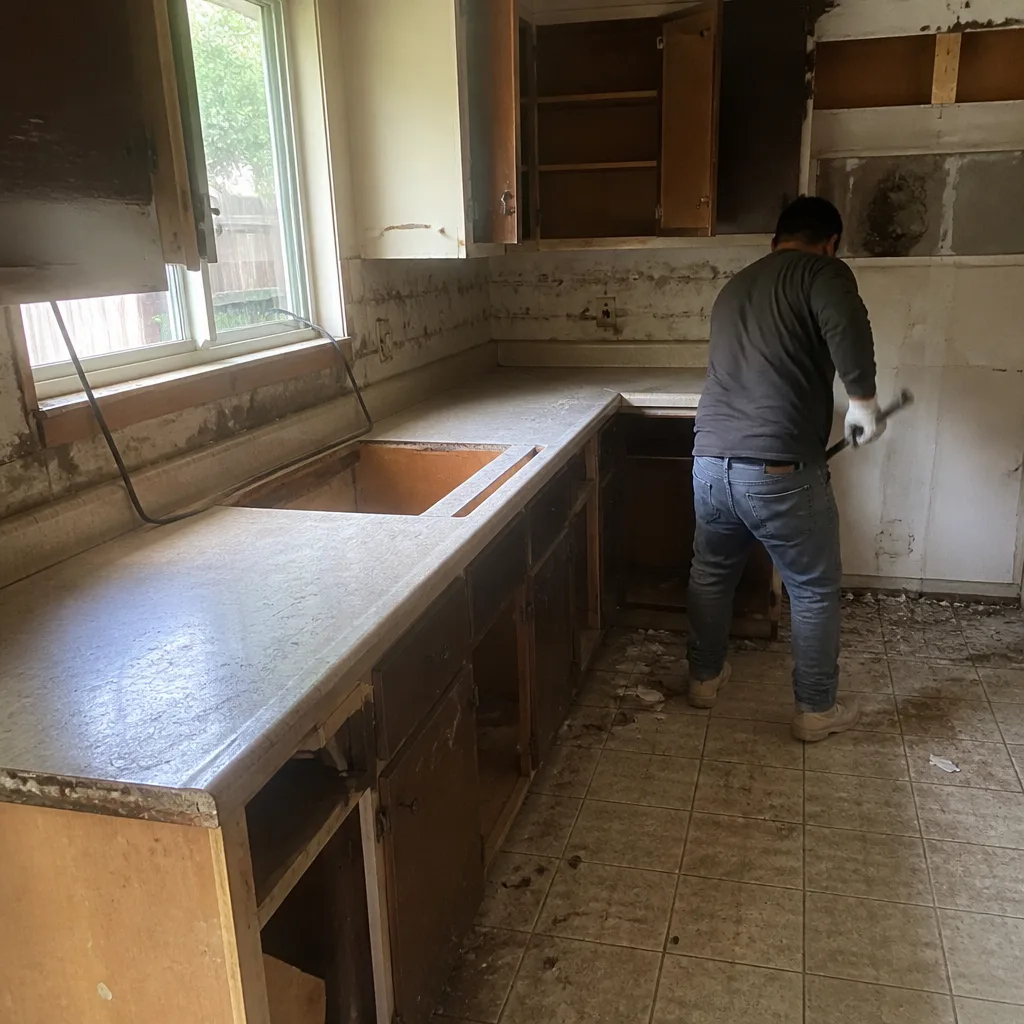
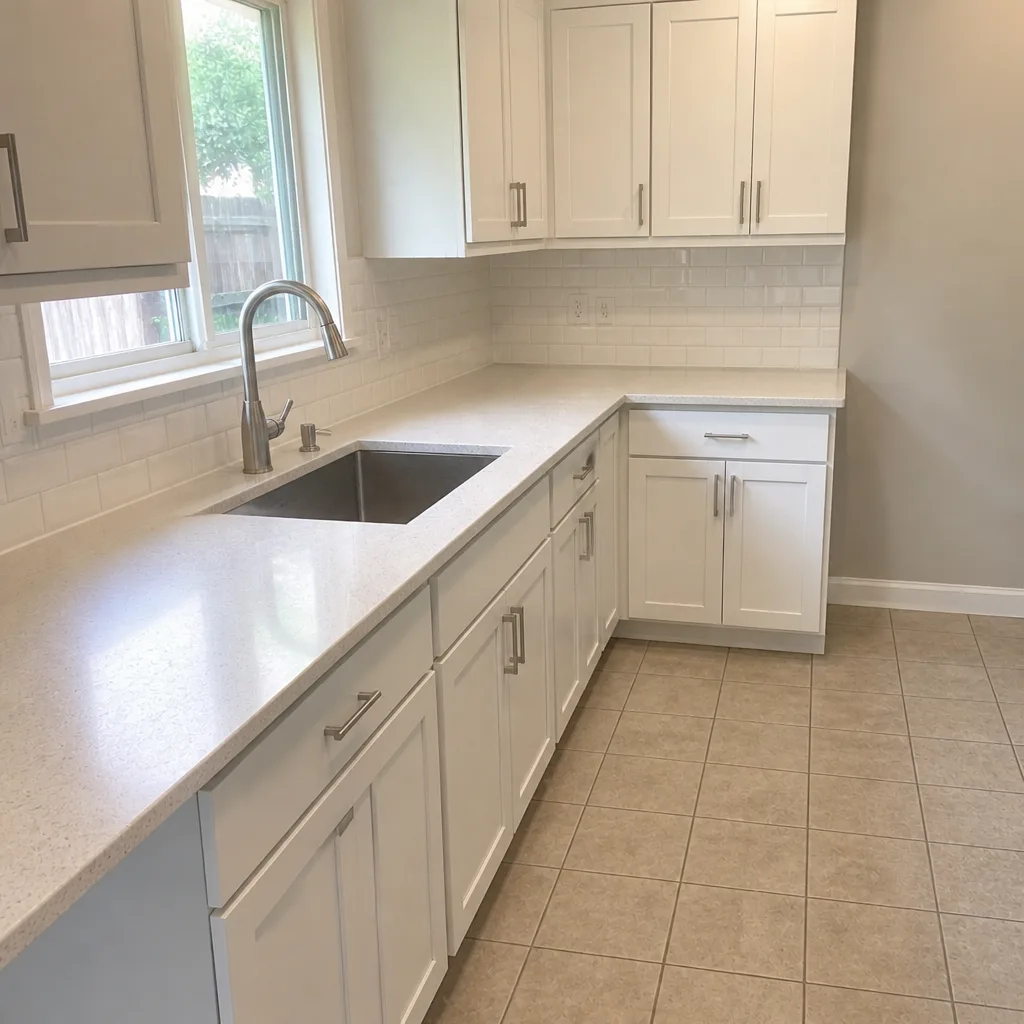
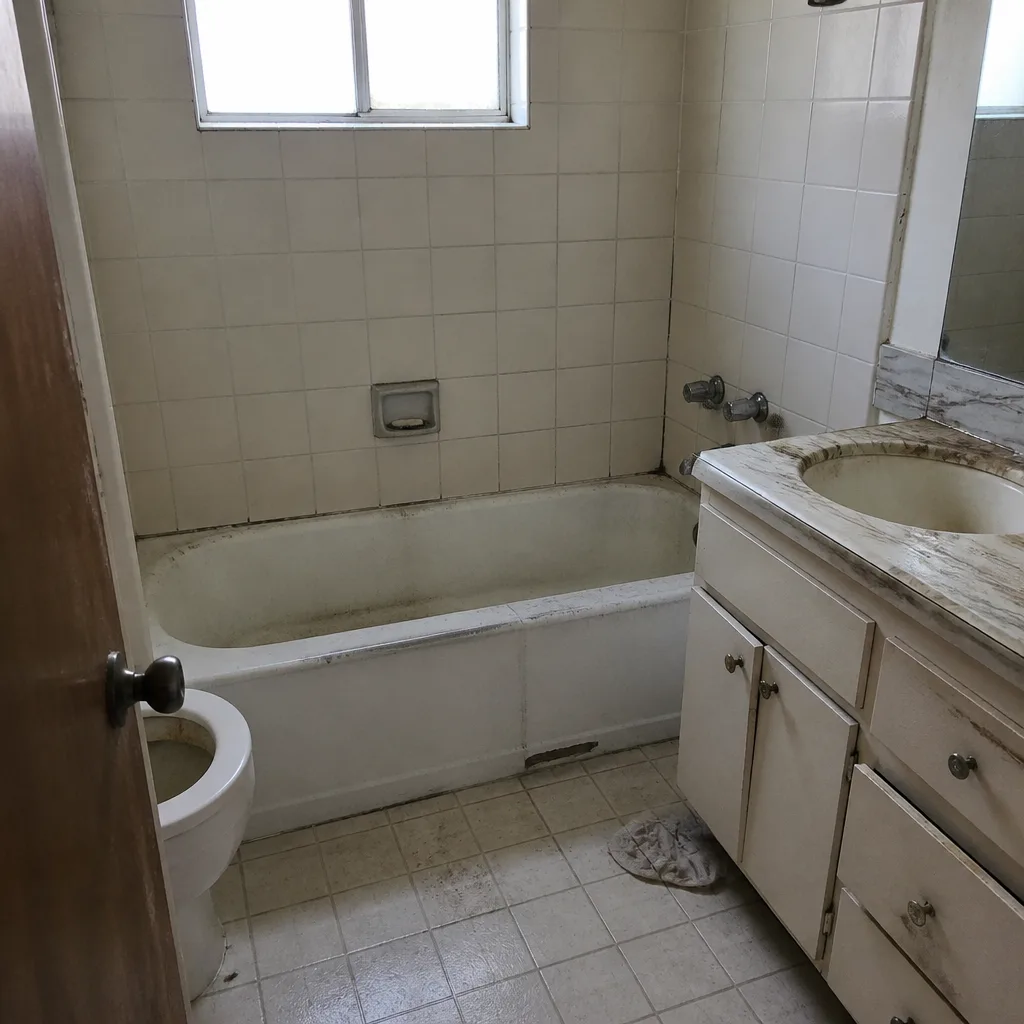
See the difference
 Before
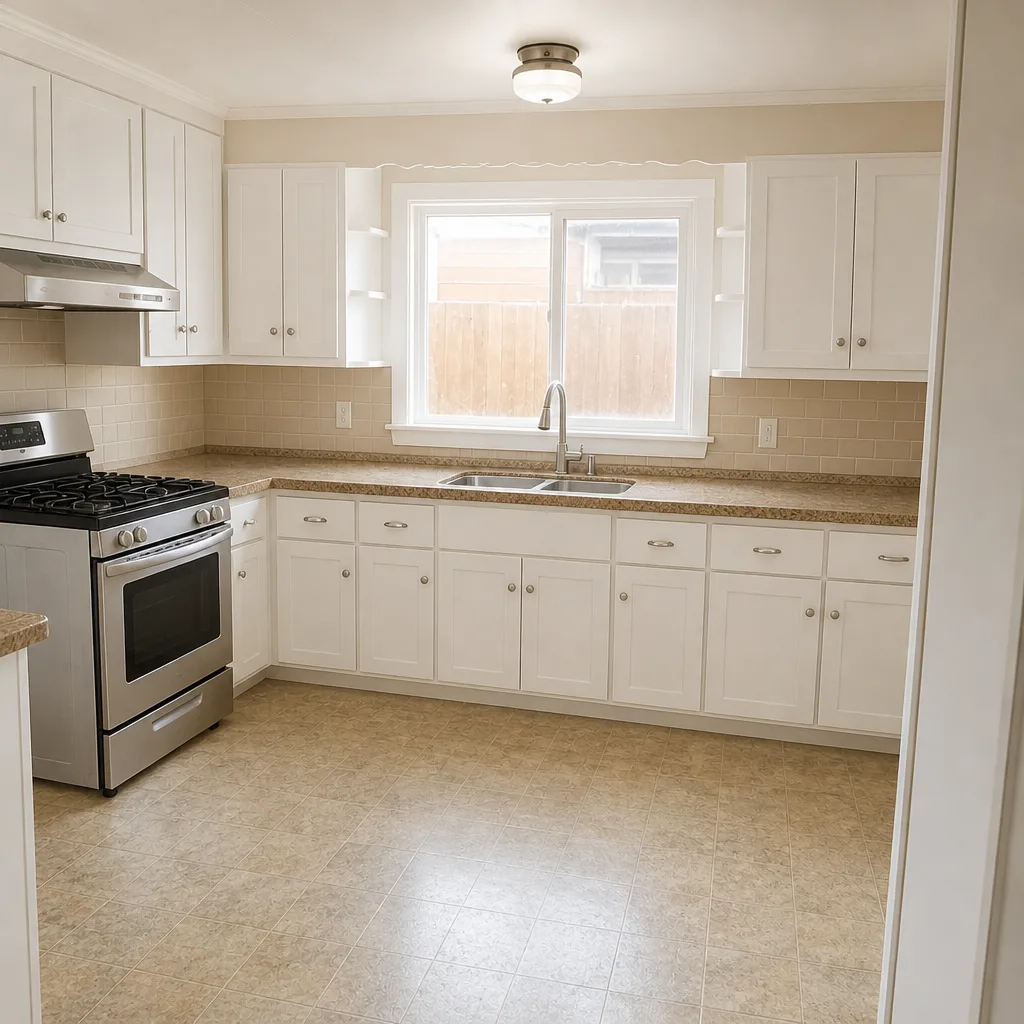 After
 Before
 After
 Before
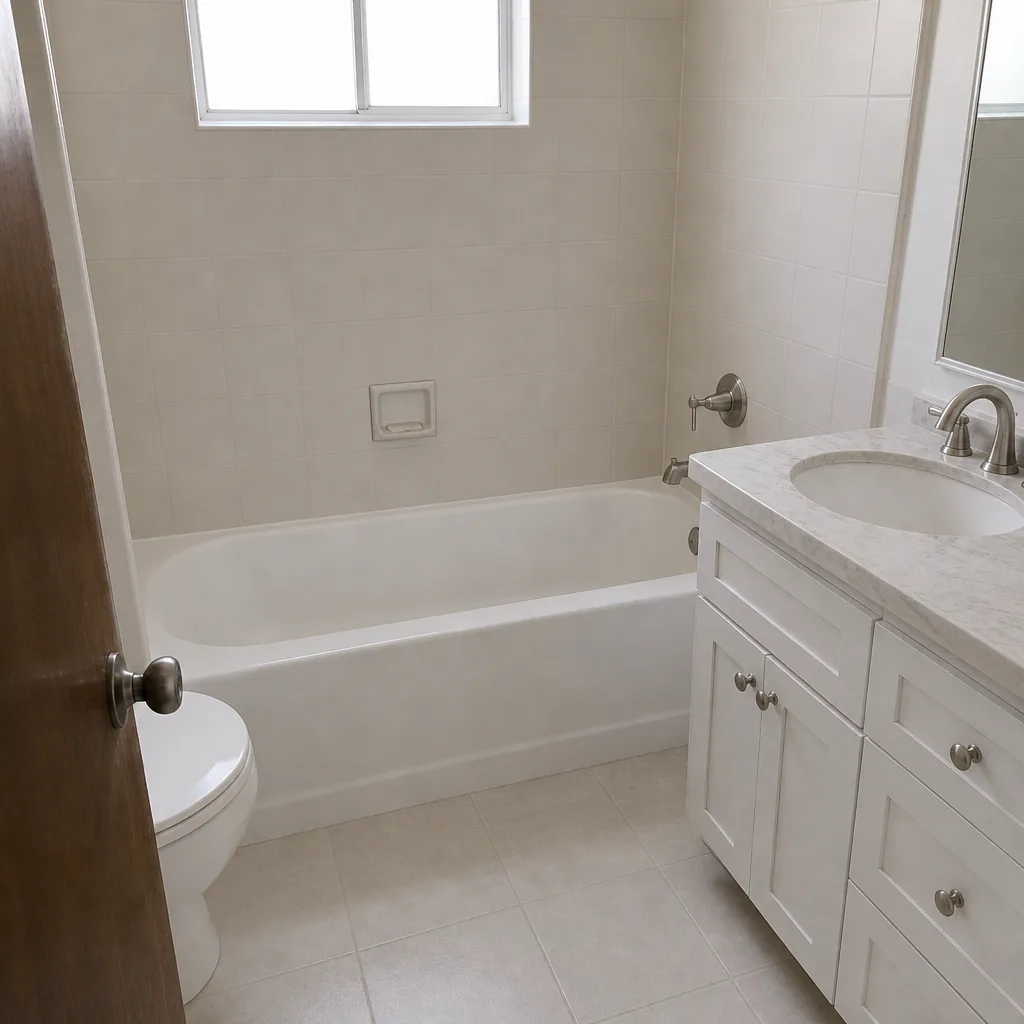 After
Common Mistakes to Avoid
- Choosing by total price alone. A $14,000 roof that carries a 25-year materials-only warranty is often more expensive over 15 years than a $16,000 roof with a 50-year transferable full-system warranty. Do the math on coverage, not just the quote.
- Accepting “premium” as a brand. In Santa Ana, heat and UV exposure punish off-brand shingles and windows faster than in cooler climates. A vague material descriptor on the proposal is a warning sign.
- Letting the crew hand-pick materials on install day. Without a written substitution clause, the product that shows up on your driveway is often not the product that was quoted. Get the brand in writing and enforce it.
- Skipping permit verification. A permit that was never pulled can void your homeowner’s insurance on a claim and complicate a future sale. If the contractor says permits are optional, they aren’t.
- Forgetting warranty registration. Manufacturers won’t honor a claim if the installer never registered the job. Ask for the registration confirmation once the work is done.
- Overlooking the fastener spec. Cheap fasteners directly affect roof and window wind performance. Coastal-adjacent Santa Ana homes need corrosion-resistant fasteners, and they’re often the first thing cut to shave a bid.
- Trusting a phone quote. A real number comes from a site visit and a written scope. Anyone willing to give you a final price on the phone hasn’t seen the job, and the difference between a phone number and a written proposal on a Santa Ana house can be $6,000 or more.
When to Call a Professional
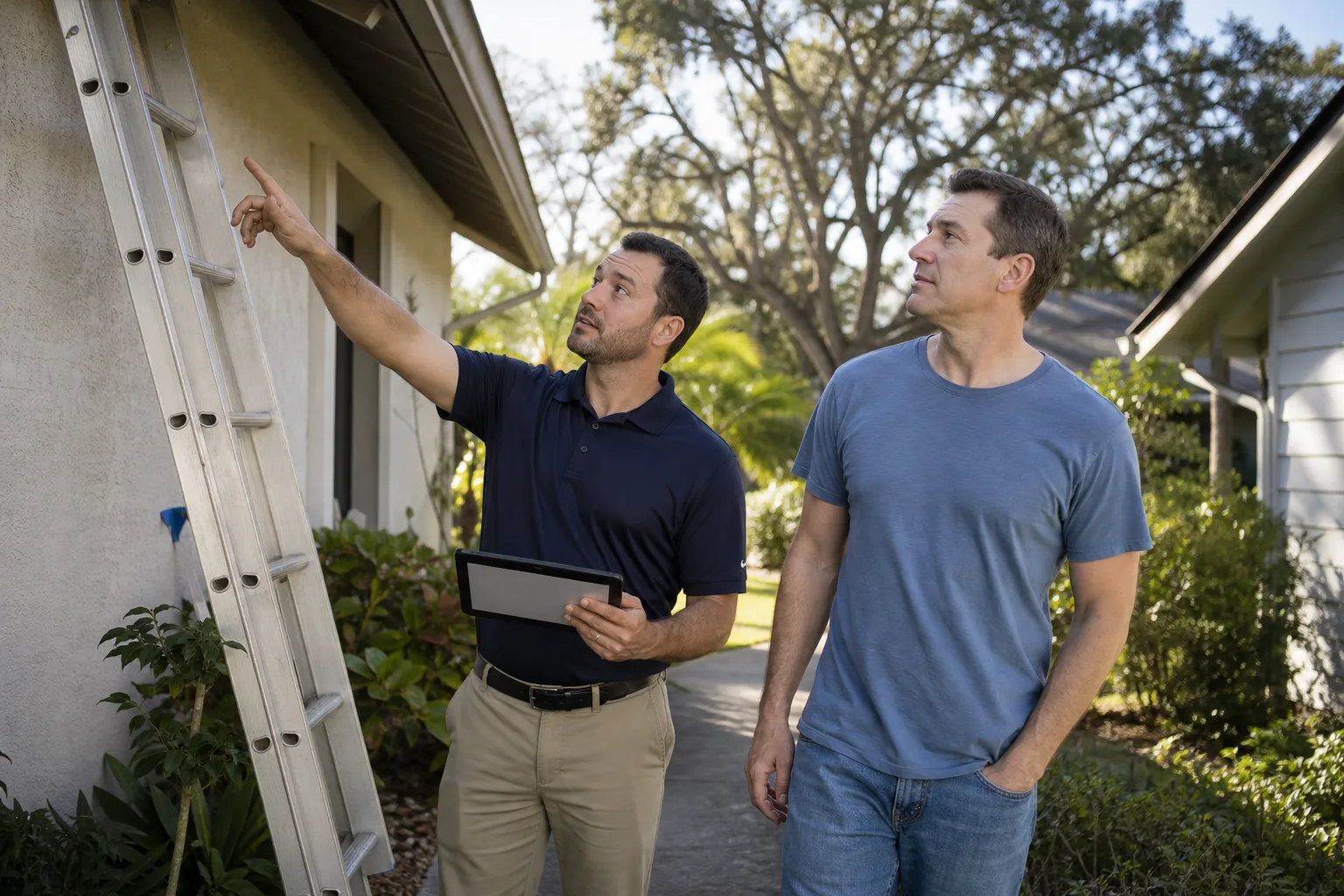
Some decisions need a site visit, not a website. If you’re specifying a new roof, replacing windows on a two-story home, planning a kitchen or bath with premium tile and cabinetry, or laying pavers on a driveway with slope or drainage challenges, get a trained contractor out to see the conditions. Santa Ana’s older housing stock – especially in neighborhoods like Heninger Park and Lacy – often hides conditions under the visible surface that change the product spec. If you’re adding a Home Additions & ADU in Santa Ana, brand choices in framing, windows, and waterproofing affect the entire assembly and should be specified before permits are filed. If your existing driveway or patio is settling and the pavers are the visible symptom, that’s the moment to ask whether the underlying base is doing its job. Same with a leaning or rotting Fence Installation in Santa Ana – the brand of material matters less than the post setting and the gate hardware, and both need a set of eyes on site. Barrett & Sons Construction Santa Ana offers free estimates in Santa Ana – call (888) 325-4971 to schedule one.
Frequently Asked Questions
Roofing, windows, waterproofing membranes, and pavers are the four categories where a premium brand earns its price in Santa Ana. GAF and CertainTeed publish full-system specs and tiered warranties you can verify; Andersen, Marvin, ES Windows, and ECO Window Systems offer real performance differences in UV and wind ratings. For waterproofing, a named premium system keeps the tile assembly inside one manufacturer’s spec. For pavers, Belgard and Techo-Bloc generate documentation on alkali resistance, which matters in Santa Ana’s climate. Framing lumber and drywall don’t need a premium brand – installation quality drives those. Call (888) 325-4971 for a free estimate and we’ll walk through the items on your project.
A materials-only warranty covers the product if it fails on its own, without labor. A full-system manufacturer warranty covers the product plus installation components – underlayment, fasteners, flashing – for the entire assembly, and usually requires factory certification of the installer. On a roof, the difference can be 25 years of materials-only coverage versus 50 years of full-system coverage. On windows, the difference is often airtightness and glazing coverage on top of the window unit itself. Ask the contractor which tier your proposal qualifies for, and get the answer in writing. Call (888) 325-4971 for a free estimate if you’d rather have us read the proposal with you.
Add this line to the contract before signing: “Contractor shall specify the manufacturer and model number of all products in the scope of work, and shall install only those specified products unless a written change order signed by both parties substitutes an alternate.” A reputable contractor will agree without hesitation, because specifying brands protects both sides. A contractor who resists, delays, or says “we use what’s available” is telling you exactly what will show up on your driveway six weeks from now. Call (888) 325-4971 for a free estimate if you’d like to see how this looks on paper.
Yes, but for a different reason. A roof’s performance rides on wind uplift, shingle adhesion, and warranty coverage. A driveway’s performance rides on base preparation and drainage, and the paver brand supplies the raw strength and alkali resistance specs. In Santa Ana, where summer heat is intense and clay soils can shift, the base underneath matters as much as the paver on top. Belgard and Techo-Bloc both publish compressive strength and freeze-thaw data, and those numbers matter for how the paver holds up against a 20-year service life. Call (888) 325-4971 for a free estimate on any Driveway & Pavers in Santa Ana project and we’ll walk your site.
An owner-operated proposal names the brands, lists the permits and inspections as line items, specifies allowances in writing, and quotes a warranty that name a specific company remedy. A national chain proposal tends to use “premium” as a descriptor, quotes allowances as lump sums, and routes callbacks through a call center. Both can produce a clean install; only one puts a family name behind the warranty. The difference matters most in year three or four, when a claim needs somebody to answer the phone. Call (888) 325-4971 to schedule a free estimate and see what an itemized proposal looks like.
Ask for KraftMaid or Cambria on kitchens, GAF or CertainTeed on roofs, Andersen or Marvin on windows, Belgard or Techo-Bloc on hardscapes, and a named waterproofing system behind tile. Therma-Tru is worth asking about for entry doors where you want a verifiable product spec. Those names are on a national dealer network, which means you can look up the manufacturer directly, check the installer’s certification, and read the actual warranty document before you sign anything. Call (888) 325-4971 for a free estimate on any project in Santa Ana – it costs nothing to see the details.
The Bottom Line
The brand on the box is only half the decision. The other half is the certification of the person installing it, the warranty tier the proposal actually qualifies for, and the discipline of getting all of it in writing before the purchase order goes in. In Santa Ana, the climate makes those categories matter more than in most places – UV, wind, and marine layer humidity all test the product in ways a specs sheet from another region won’t predict. Read the proposal. Name the brands. Ask which warranty tier applies. If the contractor can’t answer, you have your answer. Call Barrett & Sons Construction Santa Ana at (888) 325-4971 to schedule your free estimate – the offer of a second opinion on any written estimate is standing, and the details are all in writing before any work begins.
Written by the team at Barrett & Sons Construction Santa Ana.