Last updated November 18, 2026


Free written scope consultation - allowances, timeline, and change-order rules on paper before a single trade is scheduled
How Long Does Home Additions & ADU Take? Timelines and What to Expect
In Santa Ana, a standard ADU permit can sit in plan check for 4-8 weeks after submission. That window doesn’t appear anywhere in the “90-day build” estimate a contractor gives you over the phone. And it’s usually not the only gap. When homeowners plan a home addition or an ADU, they plan around the construction phase, because that’s the only phase anyone quotes them. The problem is that construction is rarely the longest part of the project. This guide maps the full calendar: design, plan check, permitting, construction, and final inspection. You’ll learn where the unavoidable minimums sit, how combination projects change the clock, and how to build a contract schedule that protects you when a phase runs long. If you’ve been burned by a contractor who quoted a number on the phone and handed you a different one at the door, this is the page to read before you sign anything in Santa Ana.
Quick Answer
A typical home addition in Santa Ana takes about 6-10 months from first sketch to final inspection, and a detached ADU often runs 9-14 months. The construction itself is usually 3-6 months of that. The rest is design, plan check, permitting, and inspection sign-offs, and those phases have minimum floors that no contractor can compress. Budget the whole calendar, not just the build, and you’ll plan realistically. Budget only the build, and you’ll spend most of the project frustrated at a schedule that was never honest to begin with.
Styles & brands we work with
- Kitchen remodeling
- Bathroom remodeling
- Home additions & ADU
- Roofing
- Windows & doors
- Driveway & pavers
- Fence
Table of Contents
- The Five Phases of an Addition or ADU Project
- Why Santa Ana Plan Check Takes as Long as It Does
- Concurrent Review and Combination Projects
- The Construction Sequence and Your Daily Life
- How to Build a Contract Schedule That Protects You
- Common Mistakes to Avoid
- When to Call a Professional
- Frequently Asked Questions
The Five Phases of an Addition or ADU Project
Every addition and every ADU moves through the same five phases, and each one has a minimum floor. You can shave days off a phase. You can’t remove the floor. Here’s the honest breakdown for Santa Ana projects.
- Design and drafting (3-8 weeks). Architectural drawings, structural engineering, and a site survey if the lot has grade changes or an existing structure close to the property line. An ADU with a kitchenette and full bath needs more sheets than a simple bedroom bump-out, so it sits at the longer end.
- Plan check (4-8 weeks). Santa Ana’s building department reviews the plans against current code. Simple additions can clear faster; ADUs and anything touching a kitchen or bath typically don’t.
- Permitting and revisions (2-4 weeks). Corrections come back, your designer or contractor responds, and the permit issues. This phase often overlaps with plan check on a well-run job, but expect real calendar days here.
- Construction (3-6 months). Foundation, framing, rough-in, inspections, insulation, drywall, finishes. Detached ADUs run longer because they’re a separate structure with their own utility trenching.
- Final inspection and sign-off (1-2 weeks). The building inspector walks the job, punches the list, and signs off. Then we hand you the signed permit card and the warranty paperwork.
Those phases stack to roughly 6-10 months for an attached addition and 9-14 months for a detached ADU in Santa Ana. The numbers that surprise people are always in phases two and three. If you want the parent service overview, start with Home Additions & ADU in Santa Ana, then come back here for the calendar.
Why Santa Ana Plan Check Takes as Long as It Does
Plan check is where timelines go to die quietly. A reviewer has to confirm your addition meets current setback requirements, height limits, fire separation, energy code, and the state’s ADU rules, which have changed several times in recent years and which local jurisdictions interpret differently. That’s a real review, not a rubber stamp, and the queue behind it is long.
In our experience across Santa Ana, an ADU submittal typically sits 4-8 weeks before the first review cycle comes back. Corrections add another round. If the plans miss a required sheet, the resubmittal goes to the back of the line, and that’s where the extra month appears.
Two things genuinely move the calendar here:
- Submit a complete package the first time. The most common resubmittal triggers we see are missing structural details for the roof-to-wall connection, an incomplete energy compliance form, and site plans that don’t show existing trees or easements. Every one of those is avoidable before the submittal date.
- Ask about third-party plan review. Some Santa Ana projects can route through an approved private reviewer instead of the city queue, which can shorten the review window. It’s not available for every project and it costs money, but the time savings are real, and it’s worth asking about at the counter on day one.
None of this is a knock on the building department. The inspector works for you, not for us. The point is that plan check is a real phase with a real floor, and it should appear in your written schedule. If a contractor’s quote shows a start date two weeks out and nothing about plan check, that schedule was written by someone who hasn’t pulled many Santa Ana permits.
Concurrent Review and Combination Projects
Here’s where timelines get interesting. If your project has multiple moving parts an addition plus an ADU, or an addition plus a main panel upgrade, or an ADU plus a lot-line adjustment, you have a choice: submit everything together and have it reviewed at once, or file piece by piece. That choice can move your calendar by two months in either direction.
Submitting together (concurrent review)
When the addition, the ADU, and any electrical or structural scope all go in on one submittal, the reviewer looks at them as one project. The electrical panel upgrade that would otherwise need its own separate review is folded into the same cycle. The tradeoff is that the combined package is larger and takes slightly longer to review than any single piece would. The payoff is that you don’t pay the plan-check line twice.
Submitting separately
Filing the addition first and the ADU later can look faster on paper, because the smaller addition package clears plan check sooner. But the ADU still has to wait its turn afterward, and the two reviews can’t overlap. Stack them in sequence and you often add 4-8 weeks to the total project. Concurrent review is almost always the faster road when the projects are related.
This matters especially in Santa Ana’s older neighborhoods, where the main electrical panel is often too small for a new ADU’s load, and where a panel upgrade is a separate permit that a naive schedule doesn’t account for. Pulling the electrical permit at the same time as the ADU submittal keeps both reviews on one clock. Want to see how this plays out on a real site? Take a look at our Barrett & Sons Construction Santa Ana home page, and we’ll walk through your specific combination.
The Construction Sequence and Your Daily Life
The construction phase is the part you live through, and here’s the part contractors rarely explain: each stage of construction hits your household differently. Knowing the order helps you plan around it.
Foundation and site work (weeks 1-3)
Demolition and excavation are the loudest, dustiest weeks. Concrete trucks block access. If the addition shares a property line with a narrow driveway, that’s the phase where you park on the street. Expect noise during normal working hours and a driveway that isn’t really yours for a week or two.
Framing (weeks 3-7)
Framing is loud and the site is busy with crew members and lumber. Access gets tighter. This is also the phase where the roof sheathing goes on, so the site is open to the weather for a short window. In Santa Ana, we schedule framing around our unusually dry winters, but a rare rain week can add a few days to this stretch. That’s why framing goes in the schedule first.
Rough-in and inspections (weeks 7-10)
Plumbing, electrical, and HVAC rough-in happen now, and the city inspector visits before the walls close up. This is the stretch where the lights may go off for an hour here and there as circuits are tied in. Water may shut off during a plumbing tie-in. We schedule those interruptions with you the day before, not the morning of.
Insulation, drywall, and finishes (weeks 10-20)
The dust settles, the noise drops, and the trades come through in sequence. For the finishes you’ll actually see, we install premium brands you can look up: Cambria quartz in the addition’s bathroom, Kohler fixtures in the powder room or kitchenette. Brand names are on the contract, not buried in an allowance line you have to argue about later.
Final inspections and punch list (weeks 20-24)
The last month is inspections and finishing. A dry concrete slab is done in days once it’s poured, but the finish work is where a rushed job shows, and where a 90-day comeback becomes a lot less likely.
How to Build a Contract Schedule That Protects You
Most construction contracts tie payments to calendar dates. That structure is why so many homeowners end up paying for work that hasn’t happened yet, or worse, paying a contractor who walked off the job with their money. There’s a better arrangement, and it works the same for both sides.
Tie each milestone payment to a specific inspection sign-off, not a date. The sequence looks like this:
- Milestone 1: paid after foundation inspection passes.
- Milestone 2: paid after framing inspection passes.
- Milestone 3: paid after rough-in inspections (plumbing, electrical, HVAC) pass.
- Milestone 4: paid after final inspection is signed.
- Retainage: a stated percentage held until the final punch list is complete and signed off.
An inspection sign-off is a third-party fact, not a contractor’s promise. When the payment depends on the inspector’s signature, your money stays in your pocket until the work is verified. That’s exactly how a written change order should work too: every scope change, every allowance adjustment, arrives in writing before a single nail moves. We’ve watched this structure save both sides of a project, because it also protects a contractor from a homeowner trying to move the goalposts late in the job.
The same inspection-based structure applies to a detached ADU and to fencing around the new structure. If your addition includes a new perimeter, our Fence Installation in Santa Ana page covers the fence schedule separately. And if the driveway gets torn up during the build, the rework is covered on the Driveway & Pavers in Santa Ana page.
Common Mistakes to Avoid
- Planning around the construction phase only. A contractor who says “90 days” is quoting construction. The project is usually two to three times that when design, plan check, permitting, and final inspection are included. Build the whole calendar into your expectations.
- Submitting an incomplete plan package. A resubmittal in Santa Ana goes to the back of the plan check queue, and that’s how two weeks becomes six. Review the submittal checklist with your designer before you file.
- Filing the ADU and the panel upgrade separately. In older Santa Ana homes, the electrical panel is often the bottleneck. Submitting separately means paying the plan check line twice and waiting through two reviews instead of one.
- Tying payments to calendar dates. A date-based schedule gives the contractor the money before the work is verified. Inspection-based milestones keep your cash tied to actual results.
- Accepting verbal allowances. “We’ll pick out the countertops later” sounds friendly. It’s how a Cambria quartz upgrade turns into a surprise invoice at the end. Every allowance belongs in writing before the contract is signed.
- Skipping the permit because someone said it’s optional. The last contractor a lot of customers used told them that. Then the building inspector shows up, and the homeowner inherits a stop-work order. Every eligible job in Santa Ana gets permits pulled and inspections signed, period.
- Not asking to see the license number. Look it up before you sign anything. A contractor’s license, insurance, and record are public, and a legitimate company wants you to check.
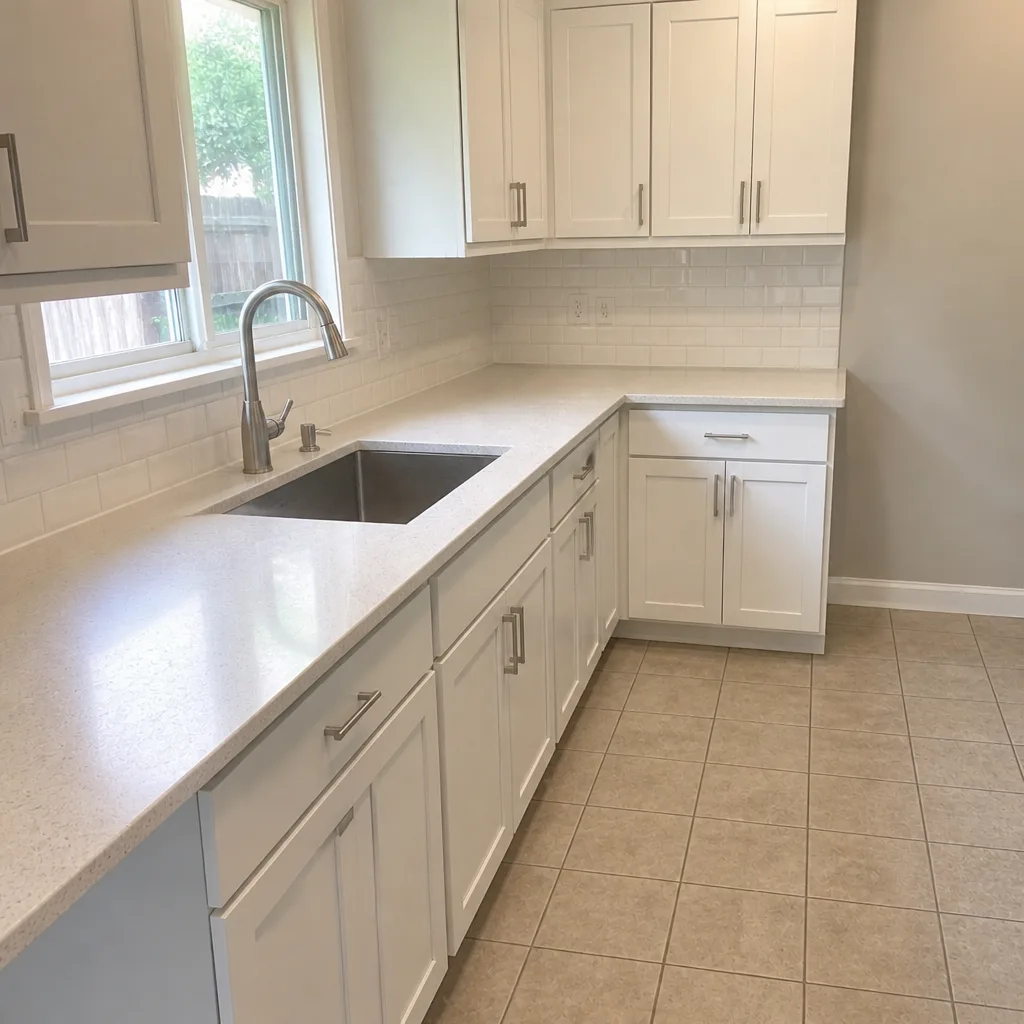
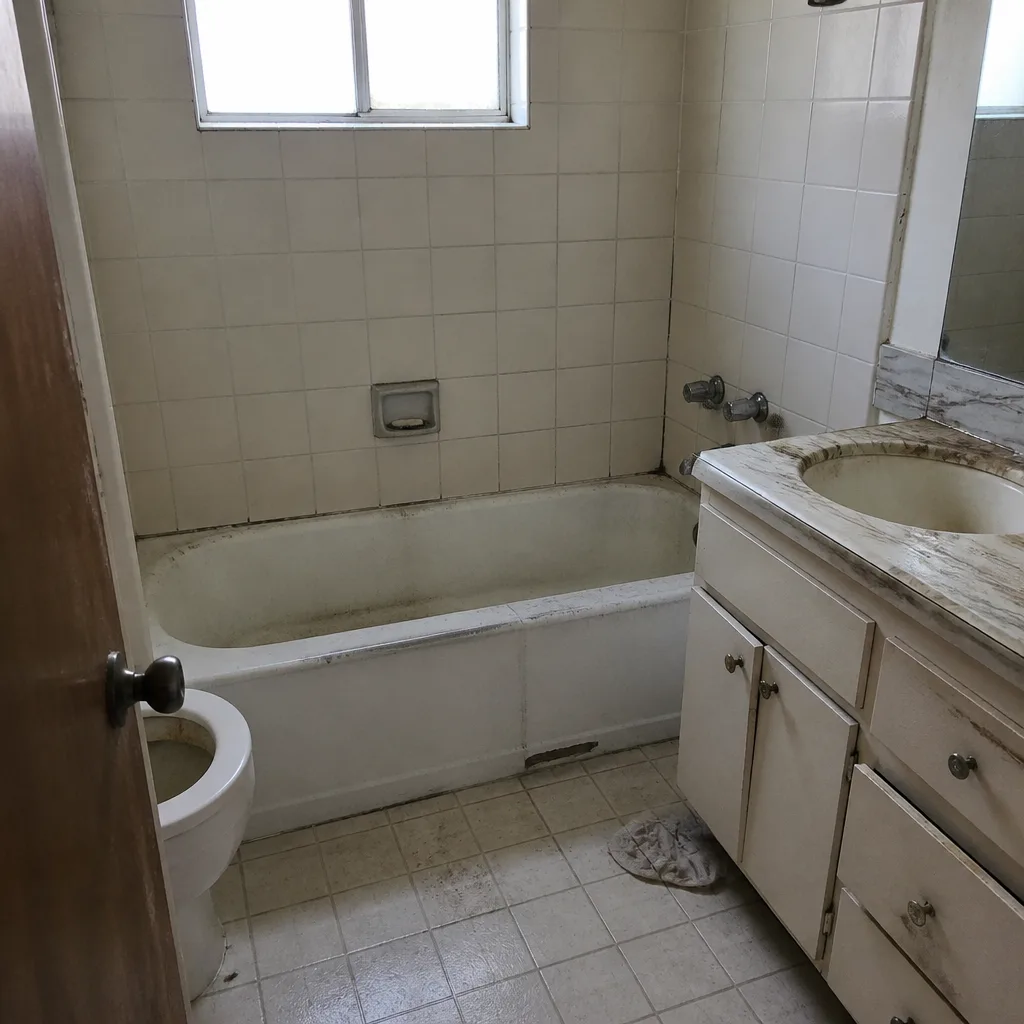
See the difference
 Before
 After
 Before
 After
 Before
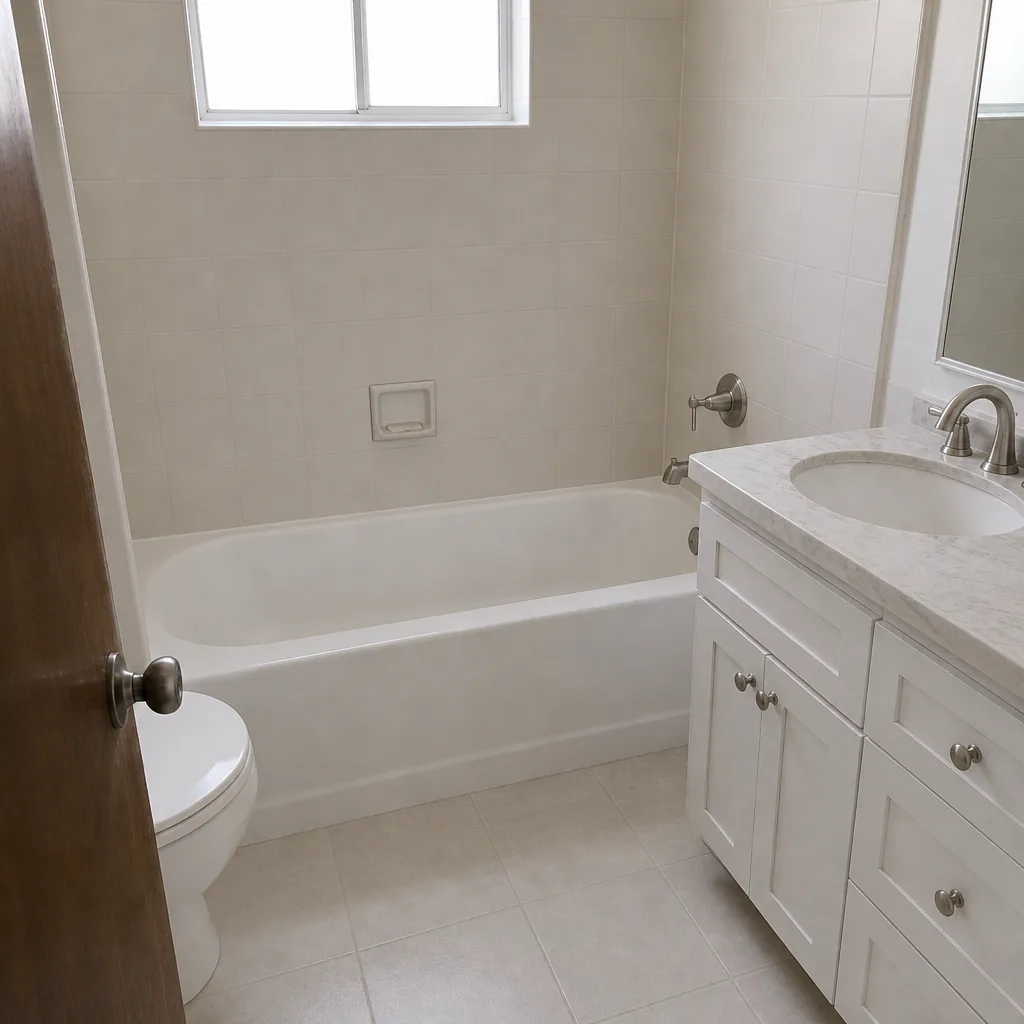 After
When to Call a Professional
Call a professional whenever the project touches the structure of your house, the electrical service, or the foundation. A home addition changes load paths, which means the roof and the framing are in a structural engineer’s world, not a homeowner’s. An ADU adds an electrical draw to an existing panel, and a panel upgrade is one of the genuinely dangerous parts of any job: live electrical panels and service lines can kill, and they belong to a trained, permitted electrician. Anything involving a gas line for a kitchenette or a gas appliance belongs to a licensed plumber, not a weekend project. And any work that needs a permit should be done by someone who will pull the permit and stand behind the inspection. Barrett & Sons Construction Santa Ana offers free estimates in Santa Ana. Call (888) 325-4971 and a live person answers, day or night.
Frequently Asked Questions
A typical attached home addition in Santa Ana takes 6-10 months from first design sketch to final inspection, with construction itself usually 3-6 months of that. The remaining time is design, plan check, revisions, and inspection sign-off. Call (888) 325-4971 for an exact timeline for your project; estimates are free.
Yes. California ADU law and Santa Ana’s local rules generally allow a detached or attached ADU on most residential lots, and a typical project takes 9-14 months from design to final inspection. The plan check window is usually the longest single phase, often 4-8 weeks on the first review cycle. Call (888) 325-4971 to walk through your lot and your options.
Plan check takes 4-8 weeks in Santa Ana because a reviewer confirms setbacks, height, energy code, structural details, and ADU compliance across many sheets, and the queue is long. A complete first submittal is the single biggest speed-up, and asking about third-party plan review for your project is the second. Call (888) 325-4971 to get an honest submittal plan before you file.
It shouldn’t, and on our jobs it doesn’t change without your signature. Every scope change, allowance adjustment, and price change arrives as a written change order before the work proceeds. No surprise invoices at the end. Call (888) 325-4971 for a written line-item estimate; there’s no charge to look.
Yes. On every eligible addition and ADU project, permits are pulled and inspections are signed before we hand you the finished job. The inspection sign-off is also the trigger for each milestone payment, so the inspector’s signature is what releases the funds. Call (888) 325-4971 to ask about permits on your specific project.
Foundation and site work is the loudest and most disruptive stretch, typically weeks 1-3, followed by framing. Utility interruptions during rough-in (weeks 7-10) are short and can be scheduled the day before. We plan around your schedule so you know what’s coming. Call (888) 325-4971 to talk through timing on a free estimate.
The Bottom Line
A home addition or ADU in Santa Ana is a whole-calendar project, not a construction project. Plan for 6-10 months for an attached addition and 9-14 months for a detached ADU, and build the contract schedule around inspection sign-offs instead of calendar dates. Submit the whole package together, ask about third-party plan review, put every allowance and change order in writing, and expect the plan check window to be the longest single phase. Get those five things right, and the rest of the project is predictable, which is the only kind of timeline worth promising. Look up the license number before you sign anything.
Contact
If you’re planning an addition or an ADU in Santa Ana, call (888) 325-4971 for a free estimate. Barrett & Sons Construction has been owner-operated since 1998, every price change comes in writing before the nail moves, and every eligible job is backed by our written 90-Day Done Right Promise. A live person answers the phone day or night, and we’ll walk you through the whole calendar before you commit to anything.
Written by the team at Barrett & Sons Construction Santa Ana.