Last updated November 18, 2026







Free written scope consultation - allowances, timeline, and change-order rules on paper before a single trade is scheduled
Seasonal Construction Care for Santa Ana: Year-Round Homeowner’s Guide
October in Santa Ana isn’t fall. It’s Santa Ana wind season – the stretch most likely to peel a ridge cap, crack a fence post at the ground line, or push water where your site drainage never expected it, all in a single dry weekend. And it usually arrives before most homeowners have done a single maintenance check since summer. Santa Ana doesn’t run on a Midwest four-season calendar. It runs on four distinct maintenance windows: heat buildup, wind events, rainy season, and spring dryout. Miss one and you pay for it in the next. This guide gives you the actual calendar, what to check in each window, and how to keep a log that pays off when you file a warranty claim or sit down with a contractor.
Quick Answer
Santa Ana homeowners should run four maintenance windows a year: a pre-wind inspection in late August or September (roof edges, flashing, fence posts, west and north faces), a rain-readiness check in October and November (drainage, caulk, gutters), a post-storm walk-around in January or February to catch water intrusion early, and a spring dryout in March and April before summer heat bakes small problems into expensive ones. Most of the damage we see across Santa Ana traces back to a missed window, not bad luck.
Styles & brands we work with
- Kitchen remodeling
- Bathroom remodeling
- Home additions & ADU
- Roofing
- Windows & doors
- Driveway & pavers
- Fence
Table of Contents
- The Santa Ana Wind Window: September Through November
- Why the Dry Season Cracks Concrete and Masonry
- Getting Rain-Ready Before the First Storm
- The Post-Rain Walk-Around: January and February
- Spring Dryout: Reseal, Re-Caulk, and Reset
- Keeping a Home Maintenance Log That Actually Works
- Common Mistakes to Avoid
- When to Call a Professional
The Santa Ana Wind Window: September Through November
Santa Ana winds are dry, fast, and hot, and they come out of the northeast down through the canyons toward the coast. In Santa Ana that means a west or north-facing wall, a west-facing fence line, and any roof edge with a raised ridge gets the brunt of it. We’ve pulled up ridge caps that looked fine from the ground in August and were lifting at the fasteners by the first week of October. The wind doesn’t need a storm to cause damage. It just needs a fastener that’s already loose and a dry week to work it free.
Here’s what to walk and look at before the wind season arrives:
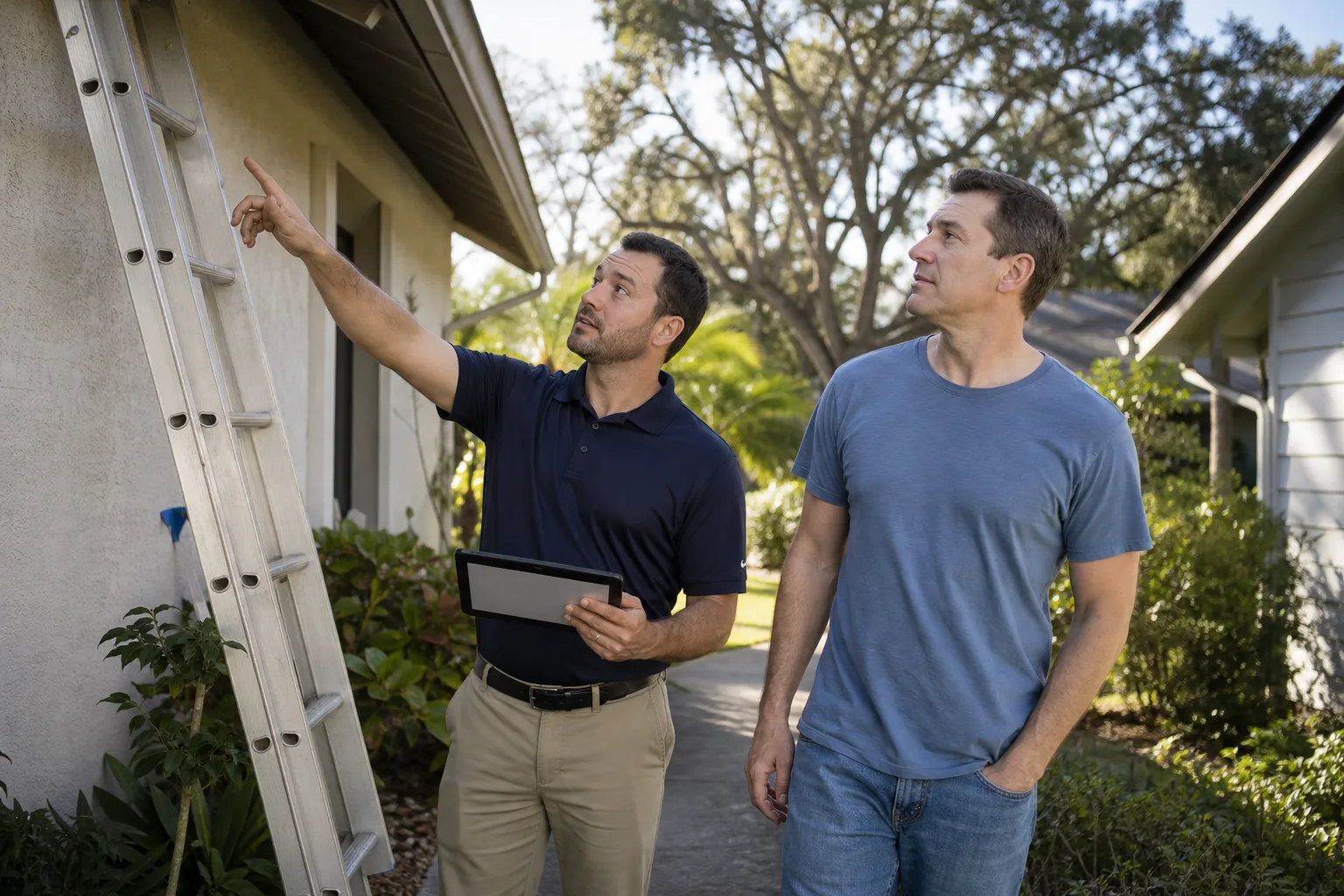
- Ridge caps and hip caps: Scan from the ground with binoculars or from a ladder you’re comfortable on. Any cap that’s visibly lifted, crumbling at the mortar, or rattling in a light breeze needs attention before the first big wind.
- Flashing: Check where the roof meets a chimney, a wall, or a skylight. Lifted flashing is the number one path for wind-driven rain to get inside during a later storm.
- Fence posts: Push each post at chest height. If the post wiggles, the footing is compromised and the first dry wind event will lean the fence panel over – often onto a neighbor’s property. A post that’s already loose is a re-set, not a patch.
- West and north faces: Look at siding, trim, and stucco on those sides. That’s where wind-driven grit pits the surface and where any existing caulk joint opens up first.
- Loose site items: Patio covers, shade sails, and trellises anchored into dry soil all become sails in a wind event. Anything that can lift and strike the house should be re-anchored or taken down for the season.
The wind window in Santa Ana is more predictable than most homeowners treat it. Late August is a good time to schedule the roof inspection so a crew can get out, look, and make any repairs before the first real event. If your roof is GAF or CertainTeed shingle and the install is more than about 12 years old, that pre-wind check is not optional.
If you want a full review of the roof, siding, and drainage that takes that window seriously, the team at Barrett & Sons Construction Santa Ana handles it as part of a standard free estimate. We pull permits and sign inspections on every eligible job because the inspector works for you, not for us – that’s why we like him.
Why the Dry Season Cracks Concrete and Masonry
Santa Ana runs a long dry stretch from roughly May through September. During those months the soil under a driveway, walkway, patio, or foundation shrinks. Concrete and masonry are rigid; the soil beneath them isn’t. When the subgrade dries and pulls, the slab has nothing to bear on, and it develops hairline cracks from the bottom up. You won’t see most of them until the first rain, because that’s when water finds them, fills them, and starts working the crack open.
We’ve seen this pattern across Santa Ana hundreds of times. A driveway that has looked fine all summer shows a crack pattern within two weeks of the first October rain. The crack itself isn’t the expensive part. The expensive part is water getting under the slab, into a stem wall, or along a foundation edge and softening the subgrade further, which is when a $600 crack becomes a $6,000 slab repair.
Here’s what we tell homeowners to do during the dry season to stay ahead of it:
- Walk the slab with a flashlight at a low angle, not straight down. Hairline cracks hide from overhead light and reveal themselves at a raking angle.
- Look at the perimeter. Any gap between the slab and the soil along the edge is a place where water will enter first. Fill and compact it before the rainy season.
- Poke a few planned irrigation drips. In Santa Ana, the soil under most hardscape is bone dry by August. A slow soak along the high-side edge of a slab – never spraying the cracks – helps slow the shrink cycle.
- Take dated photos. A crack that’s 1/16 inch wide in July and 1/8 inch wide in October is a story about a developing problem, and a paper trail makes it easier to get a contractor to take it seriously.
- Fix small now. A cleanout and seal on a hairline crack in the dry season costs a fraction of what the same crack costs after a rainy season has run through it.
If a slab has heaved or settled significantly, that’s not a seal-and-forget job. Get it looked at before the rains, not after. Driveway and hardscape work is one of the places where the wrong material choice shows up most, and it’s part of what we plan for any Driveway & Pavers in Santa Ana project so the base is built for the local shrink-swell swing.
Getting Rain-Ready Before the First Storm
Santa Ana doesn’t get a lot of rain, but the rain it does get comes in concentrated bursts. A single storm can drop what a Midwest city would spread across two weeks, and the ground can’t absorb it fast enough. That’s why getting rain-ready matters more here than the annual rainfall number suggests. Two inches in one afternoon on hard, dry soil runs off like ten.
Before that first storm arrives, do these five things:
- Clear gutters and downspouts. On a shingle roof, one clogged downspout can back water under a starter course. Empty them and confirm the downspout actually carries water away from the foundation, not into a planting bed against the wall.
- Re-caulk exterior joints. Every exterior caulk joint – around window trim, door frames, vent hoods, the base of a chimney – is a place the sun has worked on all summer. Caulk that’s chalky or pulling away should be cut out and re-applied, not smeared over.
- Check the grade. The soil against the house should slope away, not toward. In Santa Ana we see grade issues at the back of many older homes where a patio or planting bed was added without re-grading. If water pools against the house, it will find the foundation.
- Look at window and door seals. On premium units – Sterling and Grohe hardware, Andersen or Marvin frames – the weatherstrip and sill seal are the parts that fail first, not the glass. Run a hand along the frame on a windy evening and feel for draft.
- Inspect the fence line. A wind that hits a fence panel from the outside can lean it into a neighbor’s yard, and a rainy-season fence issue becomes a boundary conversation. Any post with movement needs a re-set before the rain, not after.
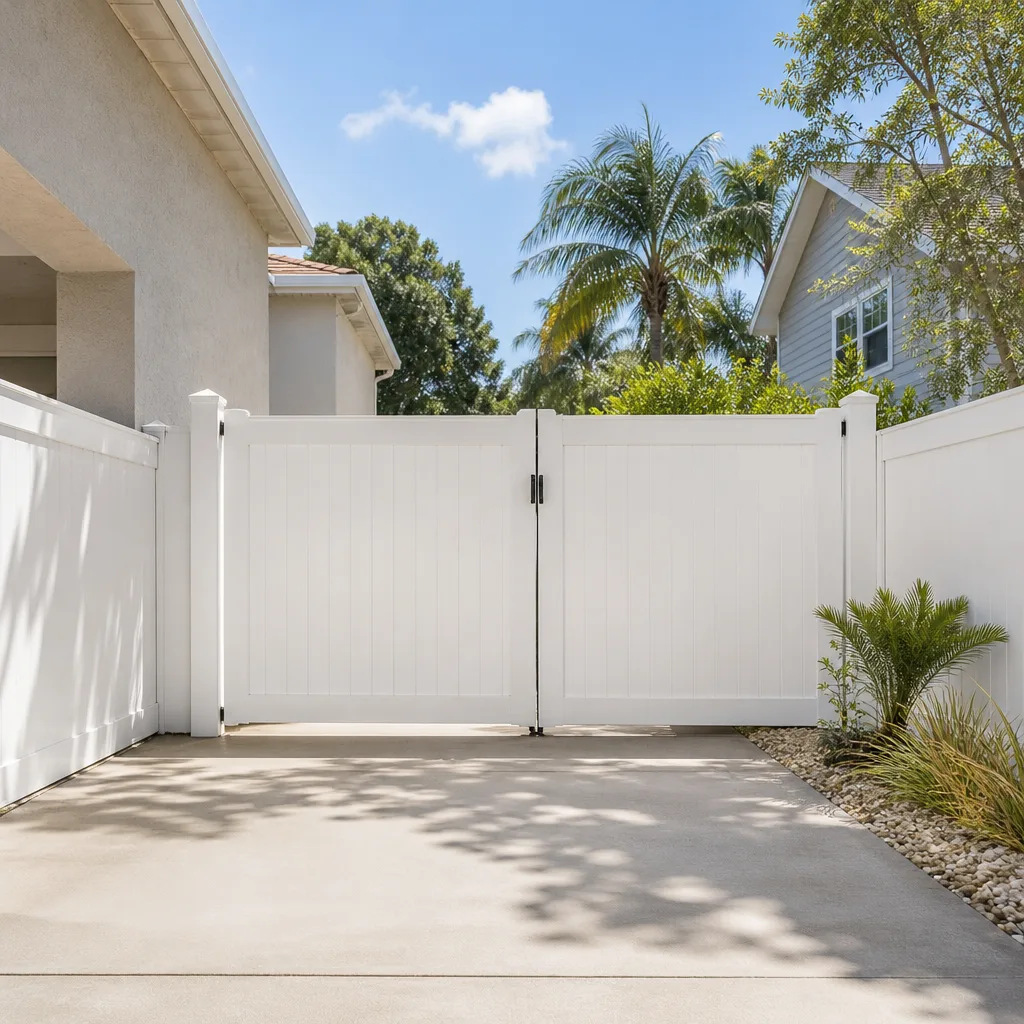
Fence and gate hardware deserve their own line on the list – a gate that sags after the first rain is a hinge or post footing issue, not a hardware issue. When we handle Fence Installation in Santa Ana, we set the footings for the local shrink-swell soil, which is the difference between a fence that stays put through the first storm and one that leans by February.
The Post-Rain Walk-Around: January and February
January and February are the wettest stretch in Santa Ana, and the storm sequence – not a single storm – is what does the damage. The ground is saturated, the next storm runs off, and any drainage weak point that survived October is now under real pressure. A walk-around after each significant storm catches problems while they’re still cosmetic.
Do this walk-around within a day or two of a storm sequence ending, in this order:
- Walk the perimeter of the house. Look for standing water, damp soil against the foundation, or new dark stains on a stem wall or stucco. Any of those is a drainage failure that needs looking at.
- Look up the exterior walls. Water streaks down a wall from a window frame, chimney, or flashing tell you exactly where the entry point is. Photograph it before it dries.
- Check ceilings and attic space for stains. Water that got in through a roof detail shows as a tide line in the attic before it shows as a wet spot on the ceiling inside. Catching it in the attic saves a drywall repair and an insulation replacement.
- Look at any hardscape that was dry-cracked in the fall. A crack that has visibly widened or is holding water is asking for attention now, not in the spring.
- Pull the caulk line one more time. Rain finds the one caulk joint you skipped in October. Re-check the spots you weren’t sure about.
If your drainage system has a sump, a French drain, or a surface channel, this is the window to check it’s flowing. A drain that clogs in the wet season turns into a foundation issue within a season. If a storm has caused damage to siding or a stucco wall, that’s the one time we tell people to call us right away rather than wait – post-storm repairs get harder once the water has been sitting in a wall cavity for a week.
Spring Dryout: Reseal, Re-Caulk, and Reset
By March and April the rains stop, the sun comes back, and the outdoor building envelope starts drying out. This is the window to close up what the rainy season revealed. It’s also the window that homeowners skip most often, because the house is now dry and no longer looks like it needs anything. That’s exactly the trap – the dry, hot months ahead will bake a small problem into a permanent one.
Spring dryout is where we spend most of the year’s exterior maintenance attention. Here’s the checklist:
- Re-seal concrete and masonry. A penetrant sealer on any driveway, patio, or walkway slows the dry-season micro-cracking and keeps winter water from re-entering the existing cracks. Two years between seal coats is a reasonable rhythm in Santa Ana; four is not.
- Re-caulk every exterior joint you touched in the fall. Caulk that dried correctly in the cool season can shrink slightly in the heat. A quick pass in late April catches the joints that need a second application before summer.
- Touch up paint on trim and fascia. Any spot where paint has failed is a place the dry season will open the substrate. A one-hour touch-up in April costs a fraction of a trim replacement in July.
- Reseal wood decks and fence panels. In Santa Ana’s low humidity and high UV, wood finish breaks down fast. A re-seal in spring buys a year or two of life on a fence or deck; skip it and you replace boards by fall.
- Clear debris from roof valleys and behind chimneys. What the rainy season dropped sits there all dry season and shades the shingles underneath. On an older shingle roof, that’s where the first leak shows up.
Spring dryout is also the right time to plan any larger project. If you’re thinking about an addition, an ADU, or a re-roof, scheduling the estimate in spring means the work lands in the dry window and the permits are pulled before the fall. Home Additions & ADU in Santa Ana work especially benefits from a spring start, because the foundation and framing don’t have to compete with a wet season.
Keeping a Home Maintenance Log That Actually Works
The single highest-return thing you can do as a Santa Ana homeowner is maintain a simple log of what you checked and when. It doesn’t need an app or a spreadsheet with formulas. A spiral notebook kept in the garage works fine. What matters is that it’s consistent and dated.
A useful home log has three parts:
- What was checked, with a date. “Oct 12 – walked roof from ground, west ridge cap lifting at three fasteners, called for repair” is a complete entry. “Fixed roof” is not.
- Photos with timestamps. Phone photos carry their own date. Keep them in a single album per year so you can scroll a season in fifteen seconds.
- Who did the work and what they charged, with a copy of every written change order and invoice. When a warranty claim comes up later, this is the file that decides the outcome. A change order in writing is what separates a covered repair from an argument.
The log pays off in three places. First, when you call a contractor out to look at something, the log gives them a timeline instead of a guess. Second, when you sell the house, the log shows a buyer an actual maintenance history, not a promise. And third, when a warranty claim comes up – roof, windows, hardscape – the log with dates and photos is what makes the claim stick.
The 90-Day Done Right Promise is a written guarantee on every job we complete. If something goes wrong after we leave, one call brings us back. The home log is how you make that call with the facts in hand.
Common Mistakes to Avoid
- Treating Santa Ana like a four-season town. The maintenance template that works in a Midwest climate assumes a hard freeze; Santa Ana doesn’t get one. The four windows here are wind, rain-readiness, post-rain, and dryout – skip them and you’ll be doing emergency repair instead of planned maintenance.
- Waiting for the first rain to look at the roof. A roof issue found in October is a repair. The same issue found in December, after three storms, is a ceiling, insulation, and drywall job. The pre-wind inspection is the cheap version.
- Ignoring hairline cracks in concrete all summer. The dry season is where those cracks are born, and if you don’t seal them before the rainy season, water does the expensive part for you.
- Assuming a fence post that wiggles is fine because the panel still stands. A wiggling post near the end of the wind season is the next wind event’s first casualty, and in Santa Ana it often takes a neighbor’s fence with it.
- Caulking over failing caulk. New caulk won’t adhere to chalky old caulk. The joint fails within a season and you’re back where you started, except now the surface is worse. Cut it out and re-apply.
- Skipping the spring dryout because the house “looks fine.” The dry season is exactly when the small stuff stops being small. A one-hour re-caulk in April is the cheapest hour of maintenance you’ll spend all year.
- Not keeping a written record. An undocumented repair is a repair that didn’t happen, as far as a warranty claim or a buyer is concerned. Date every entry and keep every change order.
When to Call a Professional
Most of what’s on this list is a homeowner job: clearing gutters, walking the perimeter after a storm, taking photos, and writing entries in a log. Some of it isn’t. Any roof work above a single-story eave, anything involving lifting ridge caps or flashing, any electrical or gas component, and any structural issue with a stem wall or foundation belongs in a trained professional’s hands. On Santa Ana wind and rain damage specifically, a stucco or siding repair that looks cosmetic can hide water behind the wall – that’s a job to get looked at, not a job to patch. If a storm has dumped a downed fence panel or a loose ridge cap, get eyes on it before the next wind event, not after.
Barrett & Sons Construction Santa Ana offers free estimates in Santa Ana. Every estimate is a written scope with line-item pricing, and every price change arrives as a written change order before any work starts. Call (888) 325-4971 for a free estimate, and if you’d like a second look at a written estimate you already have, we offer a free second opinion on it.
See the difference
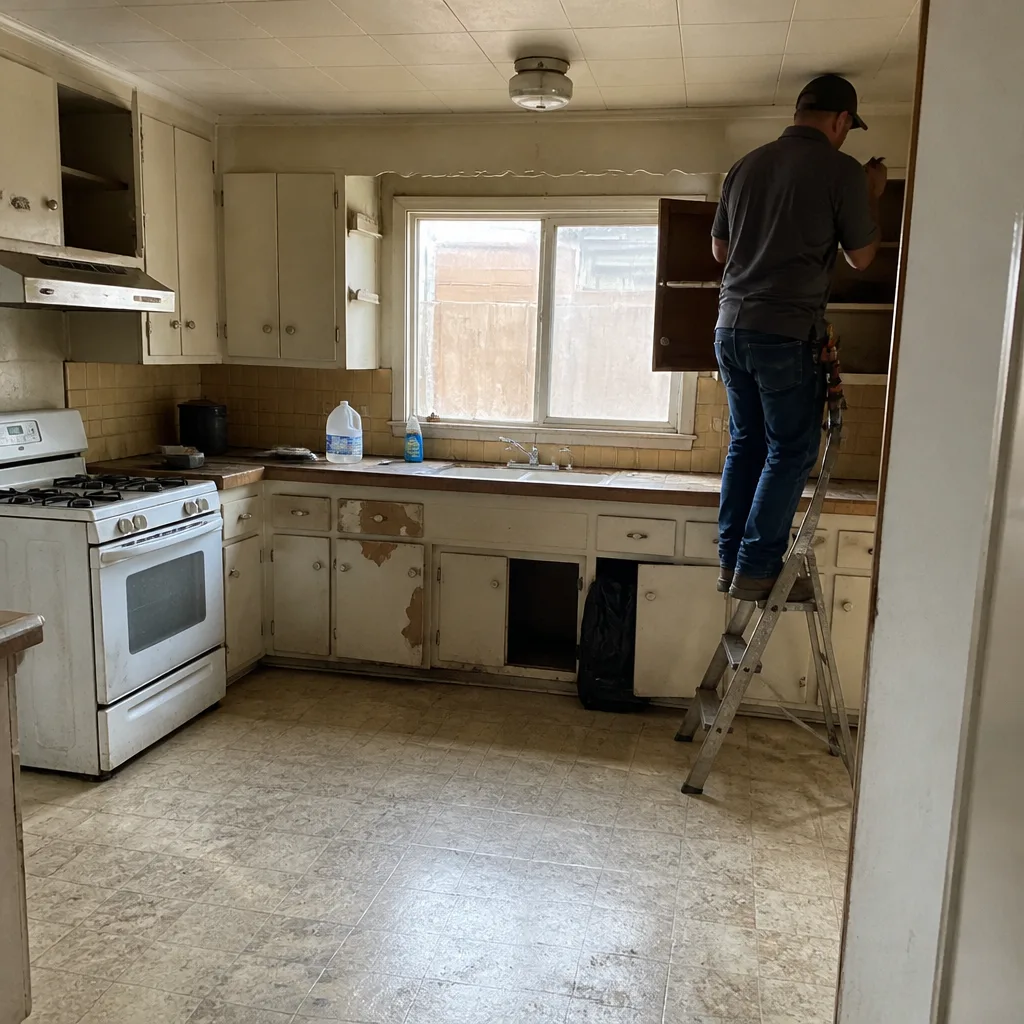 Before
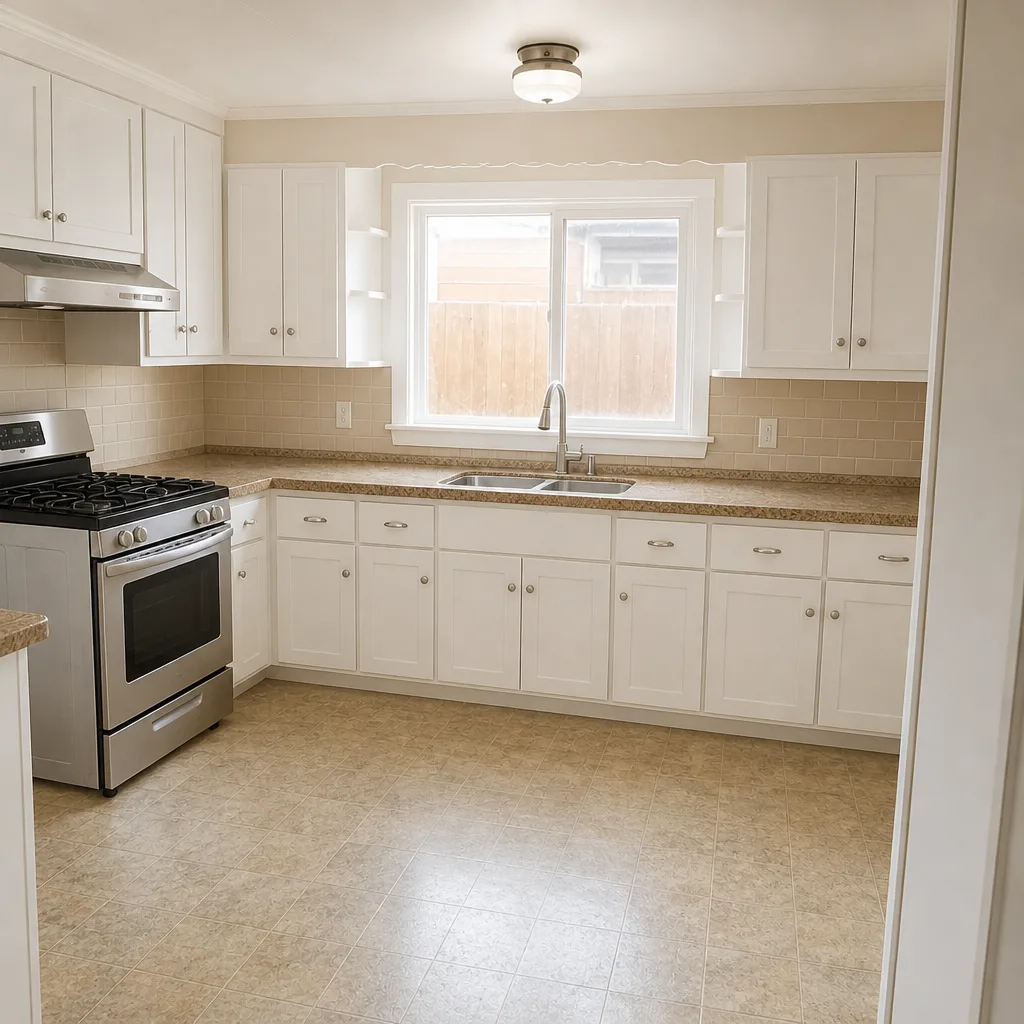 After
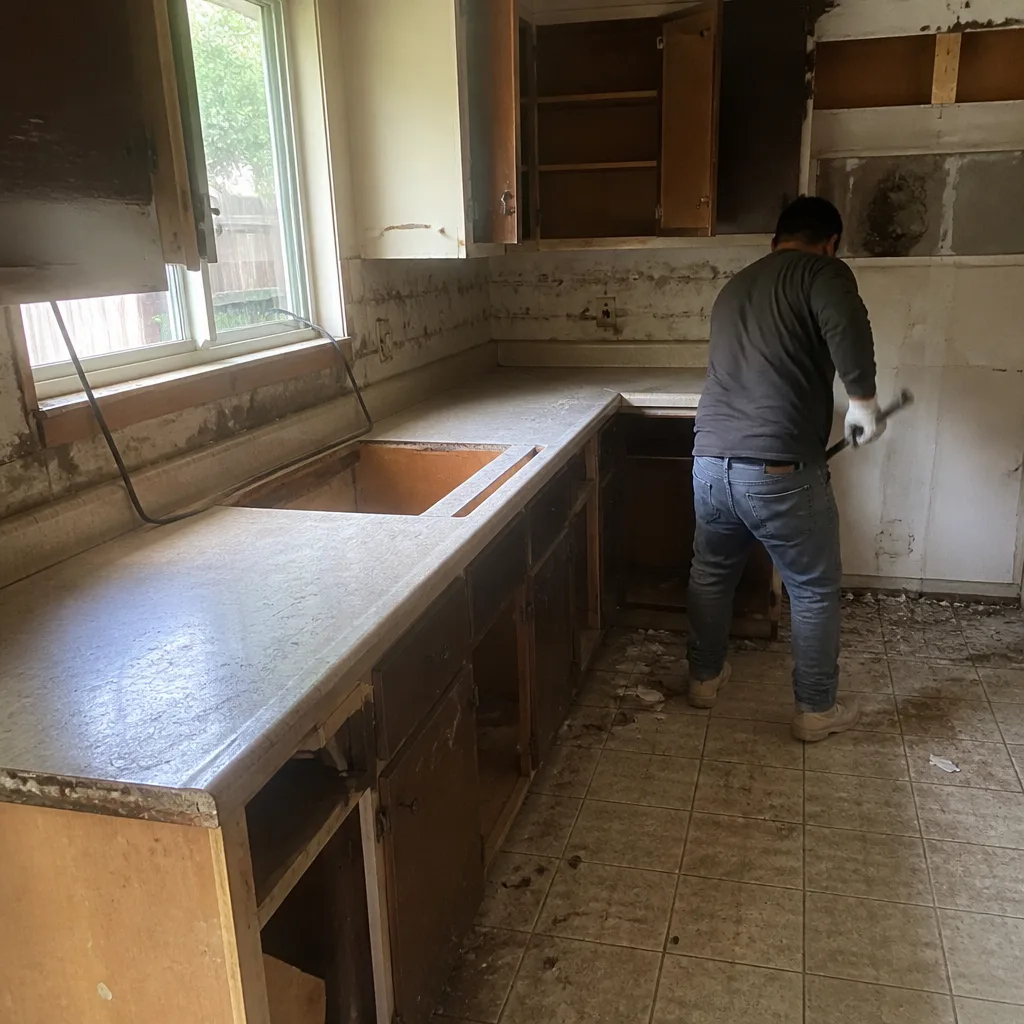 Before
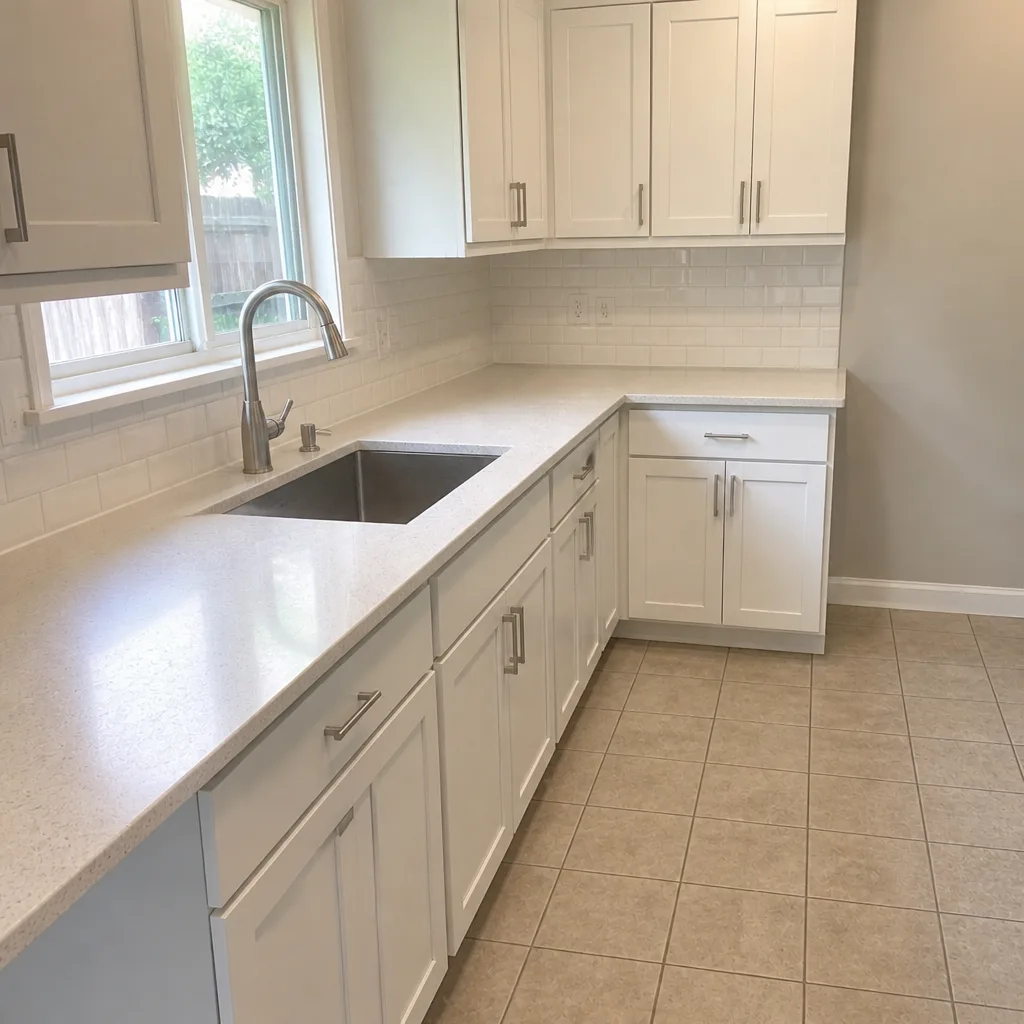 After
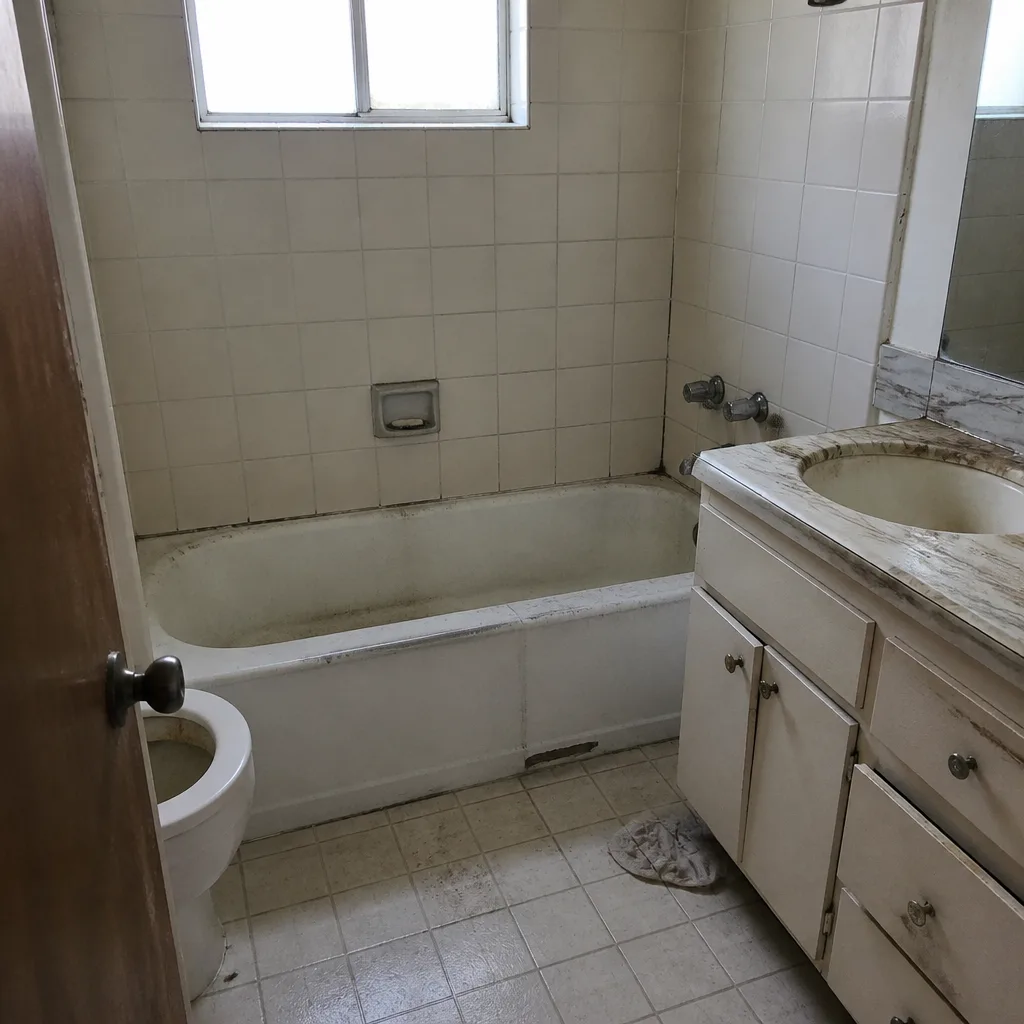 Before
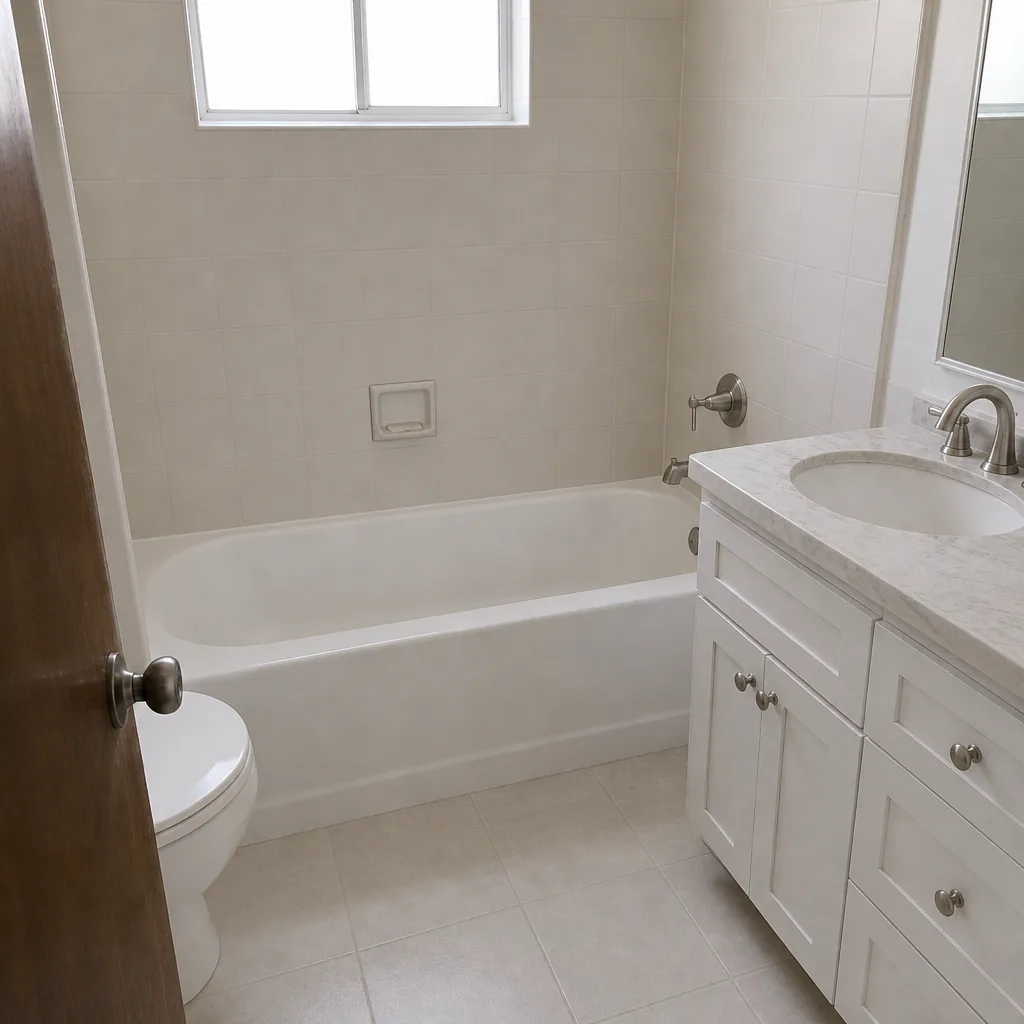 After
Frequently Asked Questions

Late August and September – the pre-wind inspection – is the highest-value window in Santa Ana. That’s the last chance to catch a lifting ridge cap, a loose fence post, or failing flashing before the Santa Ana wind events arrive. Fixing those in August is a repair; fixing them in December, after a storm has used the entry point, is a much bigger job.
Twice a year at minimum: once from the ground in late summer before wind season, and once with photos after the first significant storm sequence in winter. If your shingle roof is older than about 12 years or the home has had a prior repair, add a mid-winter look. A roofer can do that safely; most homeowners should keep the check to the ground.
Because the dry season here is long and the soil under the slab dries hard, which pulls support away from the concrete from below. The crack usually shows up right after the first fall rain, when water finds the weakest line. Sealing the concrete in spring and keeping the soil at the slab edge from completely drying out slows the cycle significantly.
Minor repairs – re-caulking, clearing gutters, replacing a fence picket – don’t require a permit. Anything structural, any re-roof, any change to a fence line height or setback, and any window or door replacement that changes the opening does. When we take on a job in Santa Ana, we pull the permits and get the inspections signed on every eligible one – a contractor who tells you a permit is optional is telling you they’ll skip it.
Walk the perimeter within a day or two: standing water against the foundation, damp soil, water streaks down an exterior wall, a stale smell or stain in the attic, and any hardscape crack that’s holding water. Photograph whatever you find before it dries. That walk is what turns a small water intrusion into a repair rather than a wall replacement.
Not without a written change order you’ve signed before any work proceeds. Our scopes and allowances are in writing from the start, and if something on the job genuinely changes the scope, that change is priced and approved before anyone touches it. No surprise invoices at the end. Call (888) 325-4971 and the estimate itself is free.
The Bottom Line
Santa Ana doesn’t deliver four seasons – it delivers four maintenance windows, and each one costs money to miss. Protect the roof and fence line before the wind in September. Seal the concrete before the first rain in October. Walk the perimeter after the storm in January. Re-caulk and re-seal in spring before the heat. Keep a dated log of what you checked, what you fixed, and who did it. None of this takes more than a weekend across the year, and all of it is cheaper than the alternative. If any window turns up something you’d rather have trained eyes on, we’re a phone call away.
Call (888) 325-4971 to schedule your free estimate with Barrett & Sons Construction Santa Ana. We’ll walk the property with you, put the scope in writing, and tell you what actually needs doing and what can wait.
Written by the team at Barrett & Sons Construction Santa Ana.