Last updated November 18, 2026


Free written scope consultation - allowances, timeline, and change-order rules on paper before a single trade is scheduled
How Long Does Driveway & Pavers Take? Timelines and What to Expect
When a contractor says “three days,” they usually mean three days of visible paver-laying. They don’t mention the excavation day before it, the base compaction and curing time in between, or the 72 hours after the last stone where you shouldn’t park a car on it. That gap between the sales pitch and the calendar is where homeowners get blindsided. Most paver driveways in Santa Ana run 5 to 10 working days from demolition to sealant, but the honest number depends on three phases: the prep you never see, the install your neighbors will watch, and the settling window after the crew leaves. This guide walks through all three, with real timelines and the Santa Ana-specific conditions that stretch or shrink them.
Styles & brands we work with
- Kitchen remodeling
- Bathroom remodeling
- Home additions & ADU
- Roofing
- Windows & doors
- Driveway & pavers
- Fence
Quick Answer
A standard two-car paver driveway in Santa Ana takes 5 to 10 working days from demolition to final seal, plus a 1 to 2 week permit window before work starts and a 72-hour stay-off period after the last stone. Small driveways with no existing concrete can finish in 4 to 5 days; larger driveways with concrete demolition, tree root issues, or a hot spell during base compaction can run 12 to 15 working days. The paver-laying itself is usually only 2 to 3 of those days.
Table of Contents
- The Three Phases of a Paver Driveway Timeline
- Day-by-Day: What a Typical 7-Day Santa Ana Job Looks Like
- What Adds Time to a Paver Driveway in Santa Ana?
- What Weather Actually Delays a Paver Job in Southern California?
- Permits: Why 1 to 2 Weeks Before the Job Is a Feature, Not a Bug
- What “We’ll Be In and Out in a Day” Actually Means
- Driveway Size, Concrete Removal, and Tree Roots: Real Time Estimates
- The 72-Hour Window and the First Month After Install
- Common Mistakes to Avoid
- When to Call a Professional
- Frequently Asked Questions
The Three Phases of a Paver Driveway Timeline
Every paver driveway breaks into three phases, and each one has its own clock. Understanding them separately is the difference between feeling informed and feeling ambushed.
Phase 1: Prep and excavation. This is the phase before you see anything. Demolition of existing concrete (if any), excavation to depth, hauling away spoils, and grading to slope away from the garage slab. In Santa Ana, most driveways are on grade with the garage, so drainage grading is straightforward, but the demolition of old concrete alone can consume one to two full days and requires a dumpster or dump truck on site. This phase is invisible progress, and it’s also the phase a cheap bid will skip.
Phase 2: Base prep, compaction, and install. Class II base rock goes down in 2 to 4 inch lifts, each compacted with a plate compactor until it’s tight enough to resist settling. That’s one reason a paver driveway holds up for decades. Then the bedding sand, then the pavers themselves, then polymeric joint sand, then a final pass with a plate compactor over the finished surface. Laying is the fast part; base prep is where the days go.
Phase 3: Curing, settling, and sealing. The pavers need 72 hours before vehicle traffic, and the polymeric joint sand needs to set before sealing. Sealing is optional but extends the life of the pavers and locks the sand in place; most homeowners seal after 30 days so the joint sand has fully cured.
Day-by-Day: What a Typical 7-Day Santa Ana Job Looks Like
Here’s a real timeline for a two-car driveway with existing concrete that needs to come out, using a standard paver driveway in Santa Ana as the example. Weekends and rain days excluded.
- Day 1: Dumpster drop, demo existing concrete, haul spoils. Sometimes runs into Day 2.
- Day 2: Excavate to depth (typically 8 to 10 inches for a residential driveway), shape and grade for drainage.
- Day 3: Install Class II base rock in lifts, compact each lift. This is the longest single day of base work.
- Day 4: Screed bedding sand, check grade and slope, set edge restraints.
- Day 5: Lay pavers. A crew lays roughly 800 to 1,200 square feet per day, so a larger driveway can push into Day 6.
- Day 6: Cut edge pavers, install polymeric joint sand, run the final compaction pass, clean the surface.
- Day 7: Final inspection, walkthrough with the homeowner, cleanup. Vehicle traffic opens after 72 hours.
Smaller driveways without demolition compress to 4 to 5 working days. Larger driveways with concrete removal, a slope, or decorative borders push to 9 to 12.
What Adds Time to a Paver Driveway in Santa Ana?
Five conditions consistently stretch timelines in Santa Ana, and any honest estimate should flag them up front.
- Existing concrete demolition: Adds 1 to 2 days and a dumpster. A reinforced slab with rebar runs longer than a plain pour.
- Tree root interference: Santa Ana’s mature ficus and eucalyptus root systems can push into the excavation depth. Removing or working around roots adds hours and sometimes requires a certified arborist consult before the base goes down.
- Driveway width and length: A single-car driveway under 300 square feet is a 4-day job. A three-car driveway over 800 square feet is a 10 to 14-day job.
- Gate or garage integration: If the driveway meets a motorized gate track, a garage slab, or a curb cut, the transitions take extra time to fit.
- Decorative patterns and borders: Herringbone, European fan, and mixed-material borders add layout time. Belgard and Techo-Bloc systems generally install faster than custom cuts, but a complicated border can add a day.
The contractor who quotes a flat “three days” for a driveway with existing concrete, a slope, and a border is either guessing or planning to skip base compaction. Neither helps you.
What Weather Actually Delays a Paver Job in Southern California?
Most homeowners assume rain is the enemy of a paver job. In Santa Ana, we’d argue the bigger threat is heat. Heavy rain does stop compaction and paver-laying, and a wet base that hasn’t drained becomes a problem you can’t skip past. But Santa Ana’s inland heat waves in July, August, and September routinely hit 95°F to 105°F, and sustained heat over 95°F during base compaction is a real scheduling issue for three reasons.
First, the plate compactor and crew work harder and slower in extreme heat, and crews on a big job will start earlier and stop earlier than they would in April. Second, polymeric joint sand and sealants behave differently under high heat and need to be applied in cooler windows. Third, the pavers themselves heat up to 140°F or more in direct sun, and setting them by hand on a hot afternoon is a safety issue for the crew, not a productivity boast.
Our approach is to schedule base work for morning, install pavers in two shorter blocks instead of one long push, and delay sealing to a cooler day. If you’re watching the calendar and a Santa Ana heat advisory lands mid-job, expect a day of slippage. A crew that powers through anyway is a crew that isn’t thinking about your finished driveway.
Permits: Why 1 to 2 Weeks Before the Job Is a Feature, Not a Bug
Driveway replacement in Santa Ana generally requires a permit from the city, especially when the work touches the curb, the sidewalk apron, or the storm drain connection at the street. Plan on 1 to 2 weeks to pull the permit before work starts. That window feels like waiting, but it’s the difference between a legal driveway and one that could force you to tear it out at resale.
Here’s why we treat the permit window as a feature. The city inspector checks grade, drainage, and thickness during the base phase. That inspection happens whether or not the homeowner hired a licensed contractor, and it’s the same inspection we want on every job. As we say around here, the permit inspector works for you, not for us, and that’s why we like him. When a contractor tells you permits are optional, the honest read is that they’ve been skipping them for years and their timelines reflect it. The permit clock is real, and it’s there for a reason.
Barrett & Sons pulls permits and signs inspections on every eligible job. That means the timeline we quote you includes the permit window as a visible, planned step.
What “We’ll Be In and Out in a Day” Actually Means
A one-day paver driveway bid is a red flag. Pavers over a properly compacted base cannot be installed in one day in Santa Ana or anywhere else. What a one-day promise usually signals is one of three shortcuts: pavers laid directly over existing concrete or unprepared soil with a sand-set only, base rock installed in a single lift without compaction between lifts, or a thin excavation that leaves the base vulnerable to settling from our clay-heavy soils and occasional winter rains.
Each shortcut buys a day of speed and costs years of life. Pavers laid without a compacted base shift within 12 to 24 months, joint sand washes out, edges heave, and the surface starts to look like a bar of chocolate that melted in the car. Fixing it means pulling the pavers, redoing the base, and relaying them, which costs more than doing it right the first time.
If a bid promises a paver driveway in under 48 hours with no demolition phase, no base compaction, and no inspection, ask what’s missing. There’s always something missing.
Driveway Size, Concrete Removal, and Tree Roots: Real Time Estimates
Realistic ranges for common Santa Ana conditions, assuming no weather delays and a standard crew:
- Single-car driveway, no existing concrete, no trees: 4 to 5 working days
- Single-car driveway, existing concrete removal: 6 to 7 working days
- Two-car driveway, existing concrete removal: 7 to 9 working days
- Two-car driveway, tree root interference: 8 to 11 working days
- Three-car or extended driveway, concrete removal and decorative border: 10 to 14 working days
- Any driveway during a sustained Santa Ana heat advisory (95°F+): add 1 to 2 days
Tree root work is the one that catches homeowners off guard. A ficus or eucalyptus with roots pushing into the excavation depth isn’t a routine demo day; it’s a day where your contractor either has an arborist on call or hauls out roots that will regrow and lift the pavers. Barrett & Sons plans that into the estimate before work starts, not after a root ball of a 40-year-old ficus shows up in the excavation.
The 72-Hour Window and the First Month After Install
The job doesn’t end when the crew leaves. After the last paver is set and the joint sand is swept in, plan on three things:
- 72 hours with no vehicle traffic. This lets the polymeric joint sand begin to cure and the bedding sand settle. Walk on it that day; just don’t park on it.
- 30 days before sealing (if you choose to seal). Sealing immediately after install traps moisture and shortens the life of the joint sand. Most homeowners wait a month, then schedule a seal for a cooler day.
- A 2 to 4 week inspection window. Walk the driveway once a week for the first month. If you spot a shifted paver, a soft spot, or joint sand washing out, that’s the moment to call. Fixing a 24-hour problem is cheap; ignoring it for a year turns minor settling into a full re-pull.
The 90-Day Done Right Promise on every Barrett & Sons job covers that window, including the settling and inspection phase. If something isn’t right in the first 90 days, one call brings a crew back. That’s the whole point of a written promise on every contract.
Common Mistakes to Avoid
- Believing a three-day bid without seeing a base plan. Ask your contractor to walk you through the excavation depth, the base rock spec, and the compaction schedule. If they can’t, the “three days” is wishful thinking.
- Skipping the permit to save two weeks. In Santa Ana, an unpermitted driveway can become a disclosure issue at sale. The 1 to 2 week permit window is a small price for a legal, documented job.
- Parking on the pavers the same day. The 72-hour no-drive window isn’t a suggestion. Cars parked early are the number one cause of joint sand displacement on new driveways.
- Sealing the same week as install. Sealing before the joint sand has cured traps moisture. Wait 30 days, and don’t let a fast-talking crew rush the seal in a heat wave.
- Ignoring tree roots during excavation. A ficus or eucalyptus root system will lift pavers within a few seasons if it’s left in the excavation depth. Address roots before the base goes down, not after.
- Assuming “no demolition needed” without looking. A 20-year-old concrete driveway often looks solid until a demo hammer touches it. Plan for at least one demolition day unless you’ve confirmed otherwise.
- Skipping the first-month walkthrough. Walk the driveway weekly for four weeks after install. Catching a soft spot in week two is a 15-minute fix; catching it in year two is a full re-pull.
When to Call a Professional
If your existing driveway is cracked, heaved, or has settled more than an inch near the garage, a paver driveway is a sensible upgrade, but the excavation and base work is not a DIY weekend job. Pavers over an unprepared base fail faster than a fresh concrete pour, and a 40-year-old ficus next to your driveway can turn a simple excavation into a root removal project with real safety issues. Any driveway that touches a curb cut, a sidewalk apron, or a storm drain needs permitted work from a licensed, insured contractor, and any driveway over 400 square feet is a multi-day crew job, not a wheelbarrow project. If you’re in a Santa Ana neighborhood with mature trees, clay-heavy soil, or an existing concrete slab you’re not sure how to demo, get an estimate before you commit. Barrett & Sons Construction Santa Ana offers free estimates in Santa Ana, with written change orders and permits pulled before any scope moves, and can answer your questions in plain English. Call (888) 325-4971 to schedule yours.
Frequently Asked Questions
Most two-car paver driveways in Santa Ana take 5 to 10 working days from demolition to final cleanup, plus 1 to 2 weeks for the permit before work starts and 72 hours after the last paver before you can park on it. Small driveways with no concrete removal can finish in 4 to 5 days; larger driveways with existing concrete, tree root issues, or decorative borders can push 12 to 15 working days. Call (888) 325-4971 for an exact timeline based on your driveway.
Yes, in most cases. Driveway replacement in Santa Ana that touches the curb, sidewalk apron, or storm drain connection requires a permit through the city, and plan 1 to 2 weeks for approval before work starts. The permit isn’t optional, and the inspection during base prep is there to protect you. We pull permits and sign inspections on every eligible job. Call (888) 325-4971 to talk through your specific driveway.
No. A properly built paver driveway cannot be installed in a single day. The one-day bids you’ll see are usually pavers laid over concrete or unprepared soil with no base compaction, and those fail within a couple of seasons. Even the fastest crew in Santa Ana needs a demolition day, a base prep day, and an install day at minimum. If a bid promises one day, ask what’s missing. Call (888) 325-4971 for a realistic timeline.
You can walk on the driveway the day the crew finishes, but wait 72 hours before driving a vehicle on it. That window lets the polymeric joint sand begin to cure and the bedding sand settle. Sealing, if you choose it, should wait 30 days so the joint sand fully cures first. Call (888) 325-4971 with any questions about the post-install window on your job.
In Santa Ana, the biggest delay is sustained heat over 95°F during base compaction, not rain. Snow and rain slow jobs elsewhere, but on our side of the county it’s July through September heat waves that force crews to work shorter, earlier shifts. Existing concrete demolition, tree root removal, and decorative border layout are the other three common additions. Call (888) 325-4971 for an estimate that plans for these up front instead of adding them later.
No. Every scope, every allowance, and every price change on a Barrett & Sons job arrives as a written change order before any work happens. If we open the excavation and find tree roots we didn’t expect, we write it up, price it, and hand it to you before a single paver moves. No surprise invoices at the end. Call (888) 325-4971 for a free estimate with written pricing.
The Bottom Line
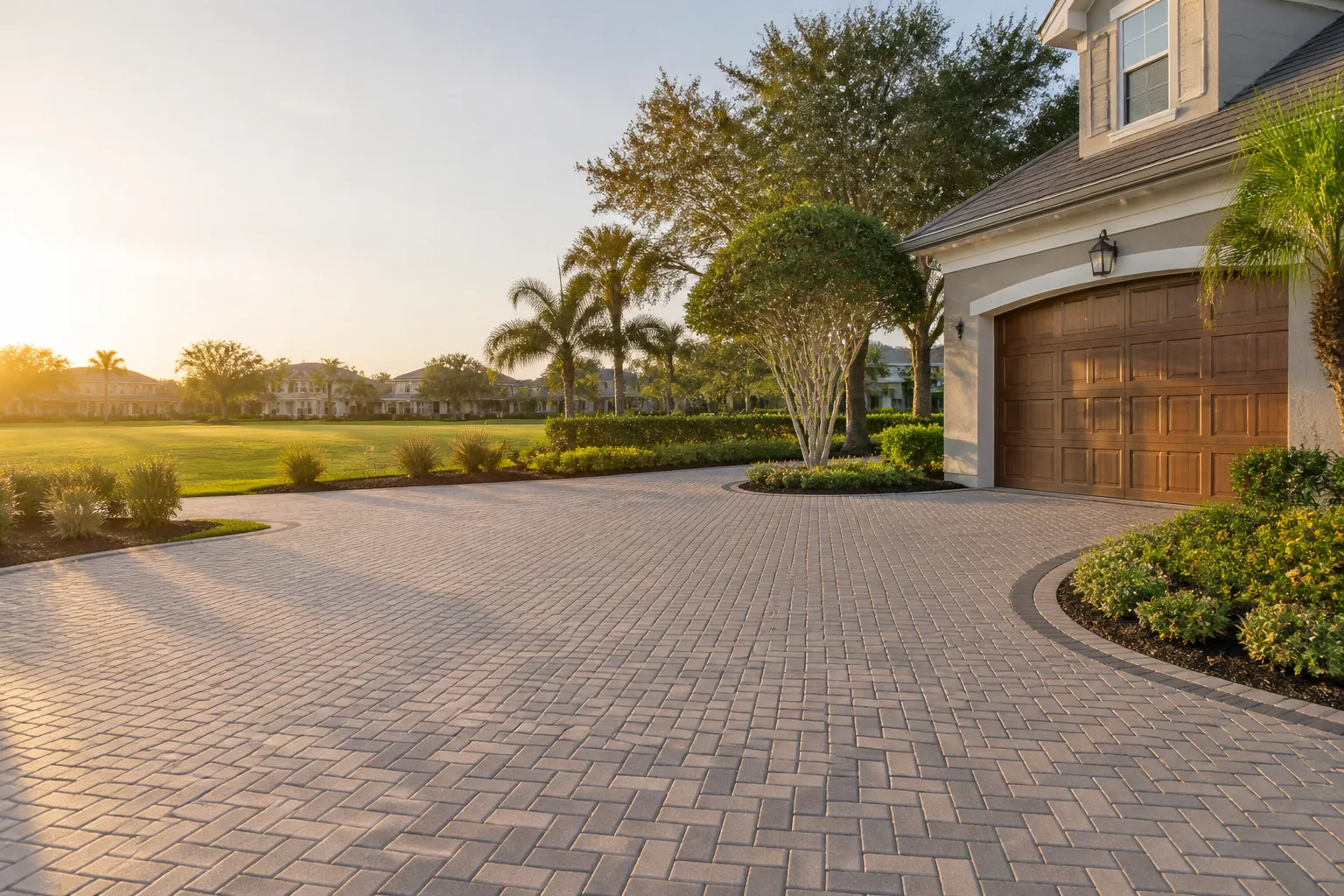
A paver driveway in Santa Ana is a 5 to 10 working day job, bookended by a 1 to 2 week permit wait before and a 72-hour stay-off period after. The visible install is 2 to 3 days; the excavation, base compaction, and settling window make up the rest. Any bid that promises one day is a bid that skips base prep, and any timeline that doesn’t mention the permit window is a timeline that hasn’t been checked. The crews that stand behind their work will show you the base plan, pull the permit, and write any change order down before it happens. That’s the difference between a driveway that lasts 30 years and one that starts to shift in year two.
If you’re planning a paver driveway or a full exterior refresh, the same honest-timeline philosophy applies across the work we do. Explore our Barrett & Sons Construction Santa Ana home page for the full picture, see how perimeter projects fit a similar schedule on our fence installation in Santa Ana page, or plan a longer structural timeline with home additions & ADU in Santa Ana. For modern modular driveway-adjacent additions, brands like Cover, Dvele, and Mighty Buildings have shifted how we think about prefab timelines, but the base and grading work underneath still follows the same rules. Call (888) 325-4971 to schedule a free estimate, and we’ll walk the driveway with you and lay out a written timeline you can hold us to.
Written by the team at Barrett & Sons Construction Santa Ana.
See the difference
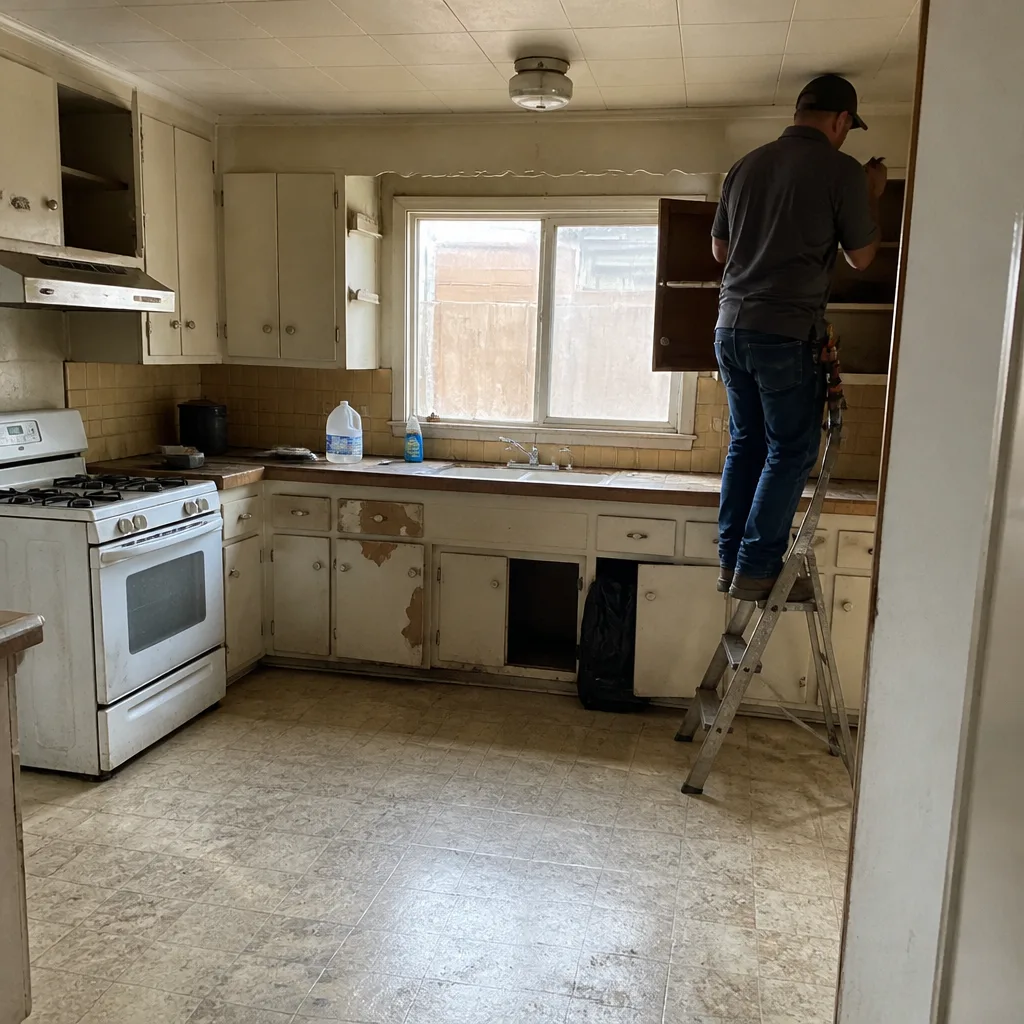 Before
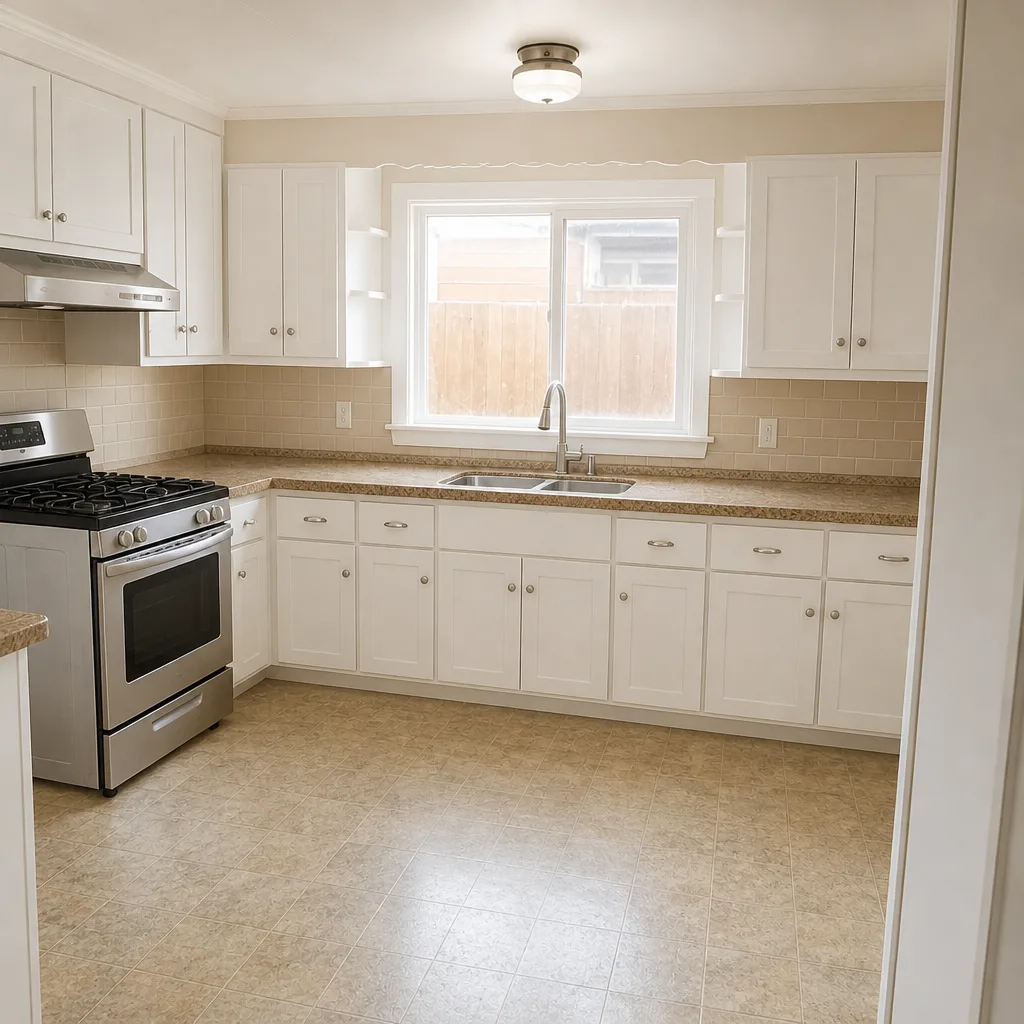 After
 Before
 After
 Before
 After