Last updated November 18, 2026
Free written scope consultation - allowances, timeline, and change-order rules on paper before a single trade is scheduled
Construction Cost Breakdown: The Santa Ana Homeowner’s Reference for 2026
A national cost site will tell you a bathroom remodel in Santa Ana runs somewhere between $8,000 and $35,000. That range is so wide it tells you nothing. You can’t budget a real project on a number that could mean a powder-room refresh or a full gut with new plumbing. The actual answer depends on variables those guides never ask about: the age of your electrical panel, whether you’re on a raised foundation with cast iron drains, and how Santa Ana’s labor market prices out compared to the rest of Orange County. This guide breaks down what labor, materials, permits, and contingency cost in Santa Ana in 2026, line by line, so you can plan around a number instead of a range.
Quick Answer
Most Santa Ana residential projects in 2026 fall into a few honest brackets: a hall bathroom remodel typically lands $18,000-$28,000, a full kitchen $45,000-$75,000, a room addition $180-$320 per square foot, and a detached ADU $250,000-$400,000 depending on site work. The three things that swing those numbers most in Santa Ana are older electrical and plumbing systems, pre-1978 materials testing, and how the job is sequenced around permit inspections.
Styles & brands we work with
- Kitchen remodeling
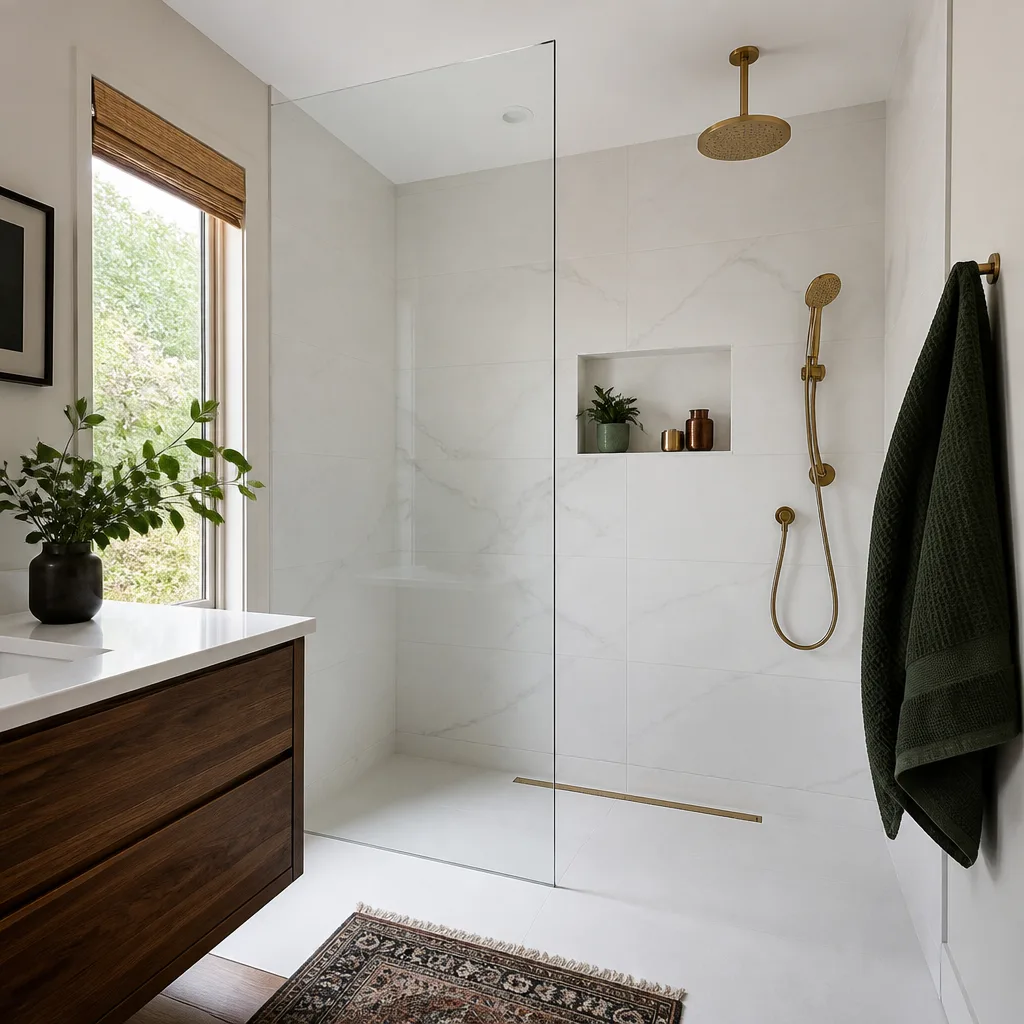
- Bathroom remodeling
- Home additions & ADU
- Roofing
- Windows & doors
- Driveway & pavers
- Fence
Table of Contents
- Why Santa Ana Labor Rates Differ From the Orange County Average
- Santa Ana Permit Fees for Common Residential Projects
- The Hidden Costs That Inflate Santa Ana Budgets
- What a Legitimate Contingency Line Looks Like
- How to Compare Two Bids That Quote Different Numbers
- Where Materials Actually Eat the Budget
- Common Mistakes to Avoid
- Frequently Asked Questions
Why Santa Ana Labor Rates Differ From the Orange County Average
Santa Ana sits in the middle of Orange County but doesn’t price like Newport Beach. That gap matters when you’re reading a cost guide built on county-wide averages. Three things drive the difference.
Union versus non-union mix. Orange County’s residential remodeling market is largely non-union, but the commercial and multi-family side leans union, and those wages set a ceiling that bleeds into residential bids on larger jobs. A Santa Ana addition that requires structural steel or heavy framing may pull from a crew pool that also bids commercial work, and you’ll feel that in the labor line. A straightforward bathroom doesn’t.
Commute patterns. Many of the trades working in Santa Ana commute in from Riverside and San Bernardino counties. That’s normal here, and it’s baked into most bids as a modest travel line. What it means for you: a crew that shows up late on a Tuesday in Santa Ana traffic costs the same as one that shows up on time, unless your contract has a schedule. We put the schedule in writing.
Neighborhood-scale differences. A full gut in Floral Park, where homes are often 1920s-1940s and systems have been patched for decades, prices differently than the same square footage in South Coast Metro, where you’re more likely to find a 1990s rebuild with modern wiring. The labor hours are similar. The discovery hours inside the walls are not.
In our experience, Santa Ana labor for trades like tile, drywall, and finish carpentry runs roughly 5-10% below the county average on comparable scope. Structural, electrical, and plumbing run close to the county number because the licensed pool is smaller and demand is steady.
Santa Ana Permit Fees for Common Residential Projects
Permit fees are the line item most cost guides skip entirely, and they’re the one number you can actually predict before you sign. Santa Ana’s fee schedule is built on valuation plus a set of flat add-ons. Here’s what homeowners typically see in 2025-2026 for the four most common projects:
- Bathroom remodel: $450-$900 in permit and inspection fees for a typical hall or primary bath, depending on whether plumbing is relocated. Moving a drain triggers additional plumbing review.
- Kitchen remodel: $600-$1,400. Kitchens pull more trade sub-permits (electrical, plumbing, mechanical) than any other room, and each adds a fee.
- Room addition: $1,800-$4,500 depending on square footage and whether the addition changes the building’s footprint or lot coverage. Structural review adds cost.
- Detached or attached ADU: $3,000-$7,000 in total permit and inspection fees, plus utility connection fees that Santa Ana assesses separately. An ADU is the one project where the permit line can genuinely surprise a homeowner, so it belongs in the estimate from day one, not as a change order later.
These are fee ranges, not quotes. The exact number comes from the city’s valuation-based schedule once plans are submitted. What matters for budgeting is that you know the ballpark and see it in writing before work starts. The permit inspector works for you, not for us, so every eligible job we take gets permits pulled and inspections signed. If a bidder tells you permits are optional on a project this size, that’s the bid to set down.
The Hidden Costs That Inflate Santa Ana Budgets
National cost guides assume a house that’s already up to current code. Most Santa Ana homes aren’t, and that’s where budgets go sideways. Three discovery items come up repeatedly.
Older electrical panels. A large share of Santa Ana’s housing stock was built before 1970, and many of those homes still run on 100-amp panels or older fuse boxes. Open a wall for a kitchen remodel and the panel has to support the new load. Upgrading to a 200-amp panel typically runs $2,500-$4,500 including the permit and inspection. It’s not optional work; it’s what the inspector will require before signing off.
Cast iron drain replacement. Floral Park, French Park, and Lathrop-era homes frequently have original cast iron drains that have been weeping for years. Once tile comes up, a camera inspection usually confirms it. Replacing a section under a bathroom runs $2,000-$6,000 depending on length and whether it runs under a slab. Trenchless alternatives exist but aren’t always appropriate for older clay-to-cast connections.
Asbestos testing on pre-1978 homes. Federal rules require testing before disturbing suspect materials, and Santa Ana has plenty of pre-1978 homes with popcorn ceilings, vinyl floor tile, and duct wrap that can contain asbestos. Testing runs $400-$900 for a typical remodel area. If abatement is needed, budget $1,500-$5,000 more depending on how much material is involved. Skip the test and you risk a much larger bill when the inspector catches it mid-job.
None of these are reasons to avoid a remodel. They’re reasons to open the walls during the estimate phase, not after the tile is ordered. We walk every Santa Ana job with these three questions answered before we write a scope.
What a Legitimate Contingency Line Looks Like
Every honest remodel contract has a contingency line. The question is where it lives. An allowance that isn’t on paper is a surprise waiting for a date. So the contingency should be visible, sized to the project, and explained.
Here’s what a legitimate contingency looks like on a Santa Ana contract:
- A named percentage. For a bathroom with limited discovery, 10%. For a kitchen remodel where walls come down, 15%. For an addition or ADU, 15-20% because site work and soils testing introduce unknowns.
- A written definition of what it covers. Discovery of code violations, hidden water damage, unexpected structural conditions, and material substitutions when a specified product is discontinued. It doesn’t cover upgrades you decide to add mid-project.
- A written change-order process. Every scope change, every allowance adjustment, every price change arrives as a written change order before that work happens. No invoices at the end that nobody agreed to.
- A clear owner of the contingency. The contingency is your money. It stays with you if it isn’t spent, and the contract should say so.
A contractor who builds surprise costs into change orders instead of publishing a contingency line may show you a lower initial bid. That bid isn’t lower. It’s just missing the part that will appear on the invoice three weeks in. Ask for the contingency line. If there isn’t one, ask why.
How to Compare Two Bids That Quote Different Numbers
Two bids on the same Santa Ana kitchen can differ by $30,000 and still describe the same room. The trick isn’t to pick the lower one. It’s to get them onto the same scope before you decide. Here’s the sequence we recommend to every homeowner who’s shopping a bid:
- Put both bids side by side and match the line items. If one includes cabinet hardware and the other doesn’t, that’s not a cost difference, it’s a scope difference.
- Ask each bidder to name the brand and model of every finish. KraftMaid and Wellborn cabinets price differently. Cambria and an unnamed quartz price differently. Materials you can look up tell you whether you’re comparing apples to apples; mystery brands off a van don’t.
- Check the allowance amounts, not just the totals. A $3,000 tile allowance in one bid and a $7,000 tile allowance in the other can make the cheaper bid look cheaper on paper while costing more at selection.
- Confirm whether permits and inspections are in the bid. Some bids leave permit fees out and bill them later. Add that number to both.
- Ask for the contingency line and the change-order process in writing. A bid without a defined contingency is an incomplete bid.
- Confirm who carries the license and whose name is on the contract. Our name and license number are published because you should look it up before you sign anything.
Once both bids are on the same scope, the comparison gets easy. Sometimes the lower one is genuinely lower because the bidder is more efficient. Sometimes it’s lower because it’s missing the electrical upgrade nobody asked about yet. You can’t tell which without getting them onto the same page.
Where Materials Actually Eat the Budget
Materials are the easiest line to adjust and the one homeowners understand best. In Santa Ana, three material decisions swing a budget most.
Cabinets. Stock cabinets can run a third the cost of semi-custom, but the gap in quality and fit is real. KraftMaid and Wellborn both offer a semi-custom tier that closes the gap without the full custom price. Cabinets are 25-35% of a typical Santa Ana kitchen budget.
Countertops. Cambria and comparable quartz run $60-$95 per square foot installed; granite closers to $50-$80; laminate $25-$45. The counter is the most-visible line and often the first one homeowners adjust.
Roofing and siding. GAF and CertainTeed architectural shingles price similarly; the difference is in the warranty and the underlayment package. James Hardie siding runs higher than vinyl but lasts decades longer and holds paint better in Santa Ana’s dry heat and occasional wet winters.
The rule we use: spend on the things you touch daily and can’t easily change (cabinets, counter, flooring). Save on the things you can swap in a weekend (lighting, hardware, paint color).
Common Mistakes to Avoid
- Budgeting from a national average. A $8,000-$35,000 bathroom range doesn’t reflect Santa Ana’s electrical and plumbing realities. Use local line items, not national ranges.
- Skipping the pre-1978 asbestos test. Testing a Flintridge-era home for the first time mid-remodel usually costs three times what the test would have cost upfront.
- Accepting a bid without a contingency line. A bid without contingency is a bid with an unadvertised change order attached. Ask for the number.
- Comparing totals instead of scopes. Two bids that look $30,000 apart often describe two different projects. Line them up before deciding.
- Leaving the permit out. A kitchen or bathroom remodel without permits is a problem at resale and a bigger problem if the inspector catches it mid-job. Permits belong in the bid.
- Ignoring the electrical panel until it’s a problem. A 100-amp panel in a 1960s Santa Ana home will not support a modern kitchen. Budget the upgrade.
- Choosing a contractor you can’t look up. If the license number isn’t published and the name isn’t on the contract, you have no recourse if something goes wrong. Look it up before you sign anything.
See the difference
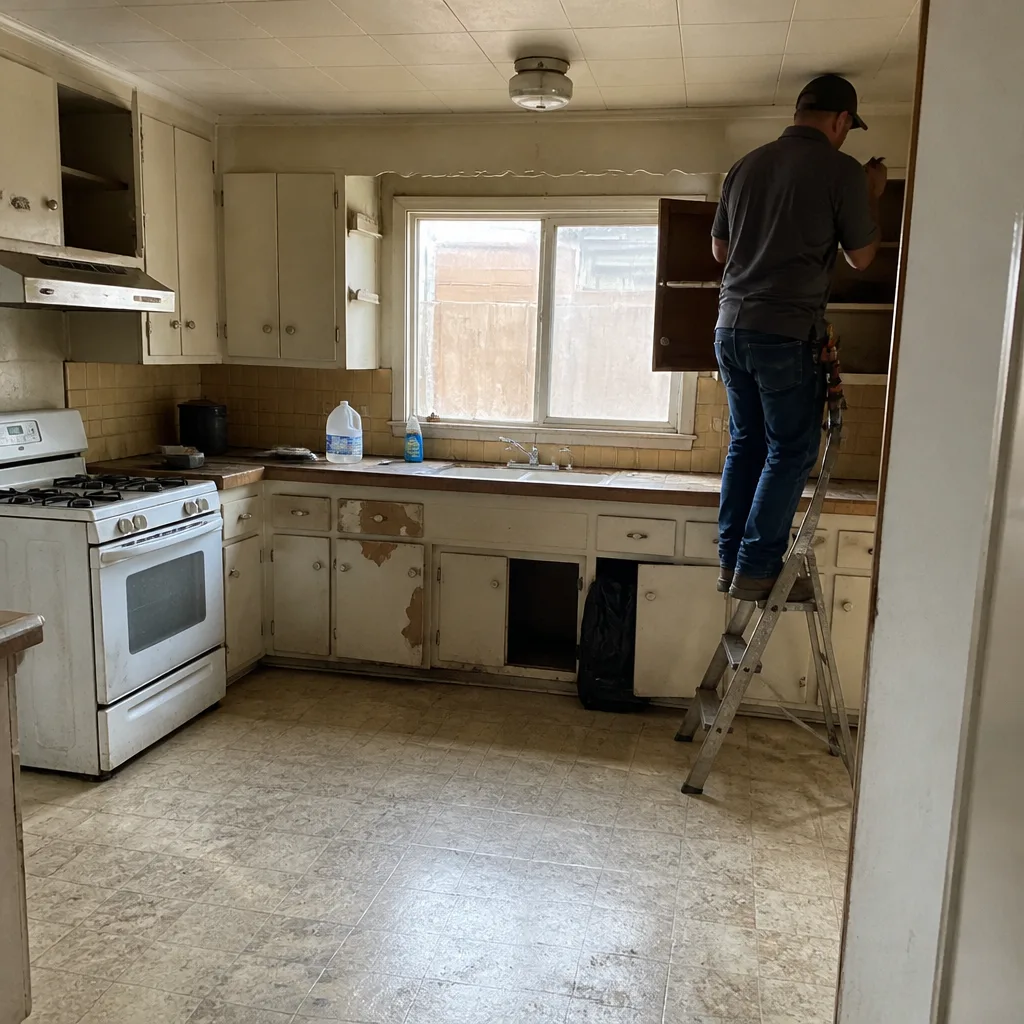 Before
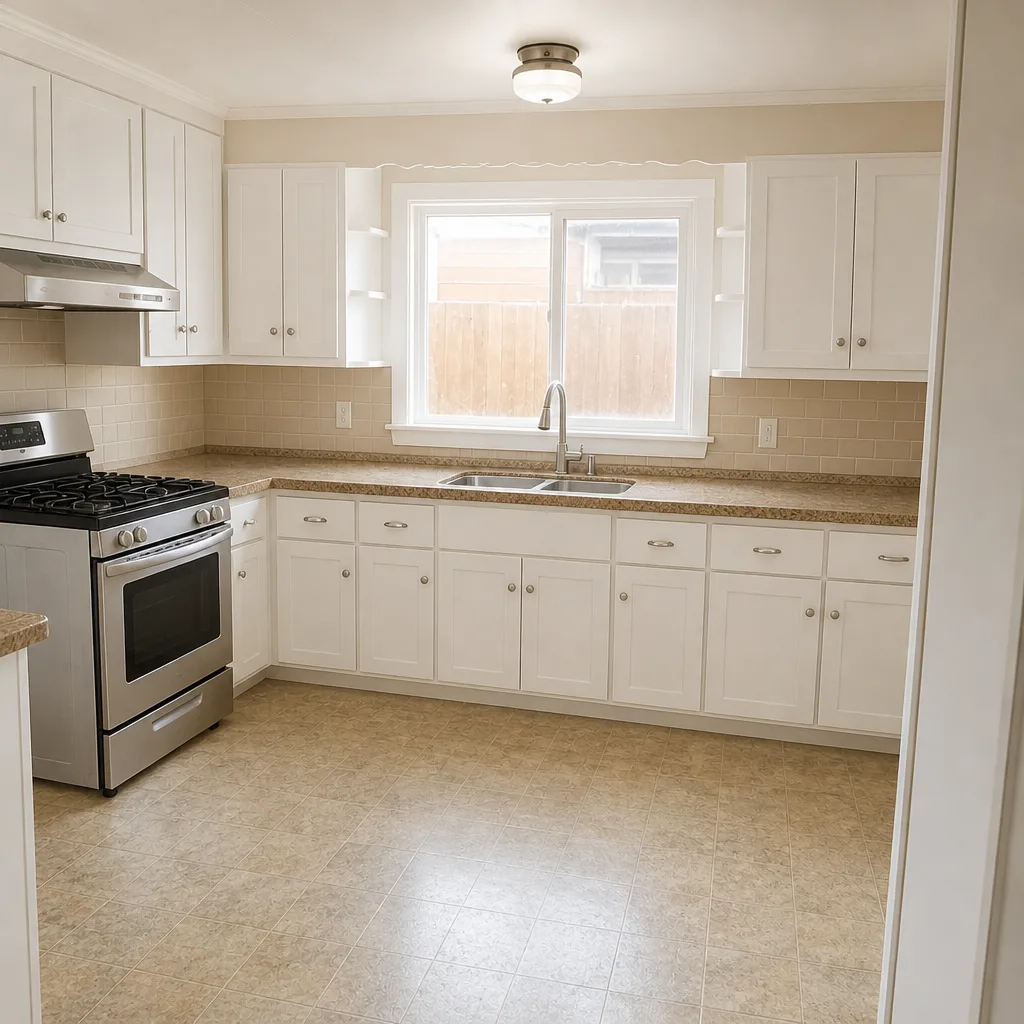 After
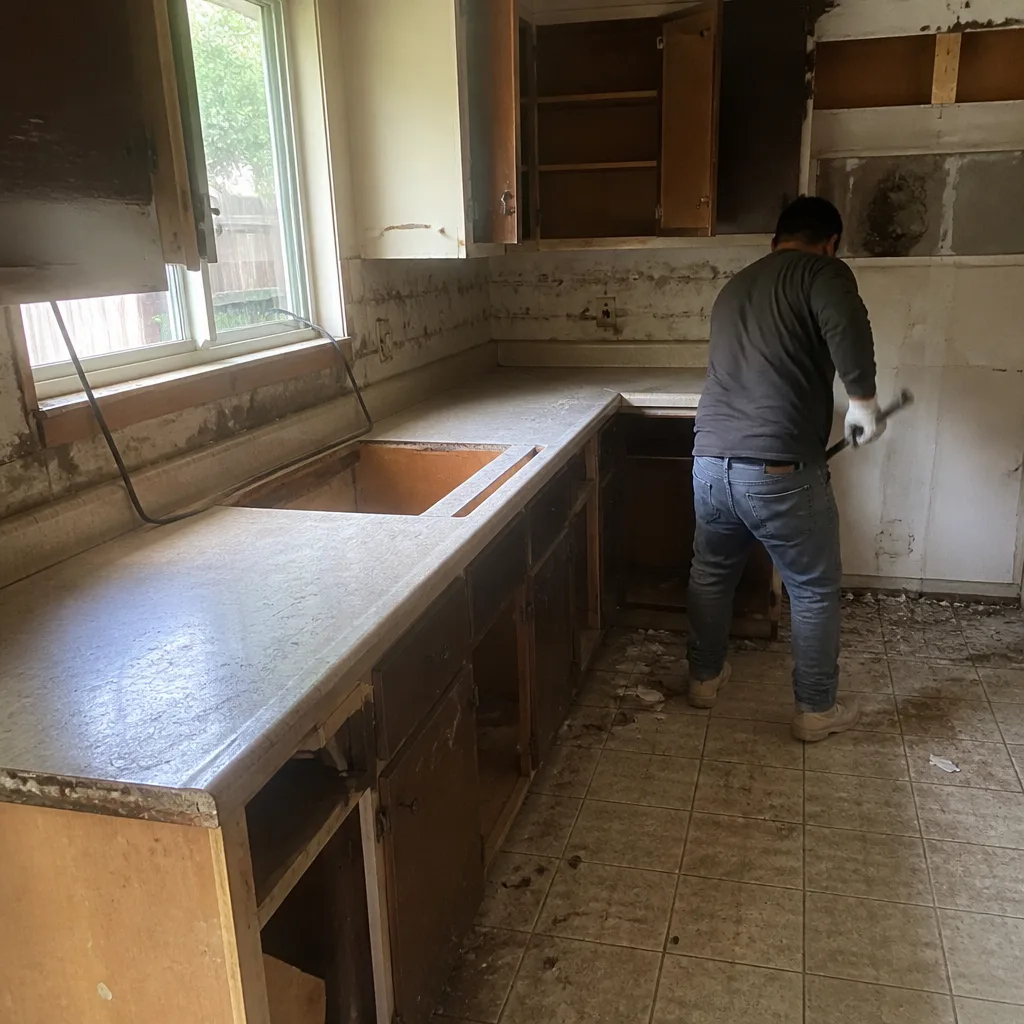 Before
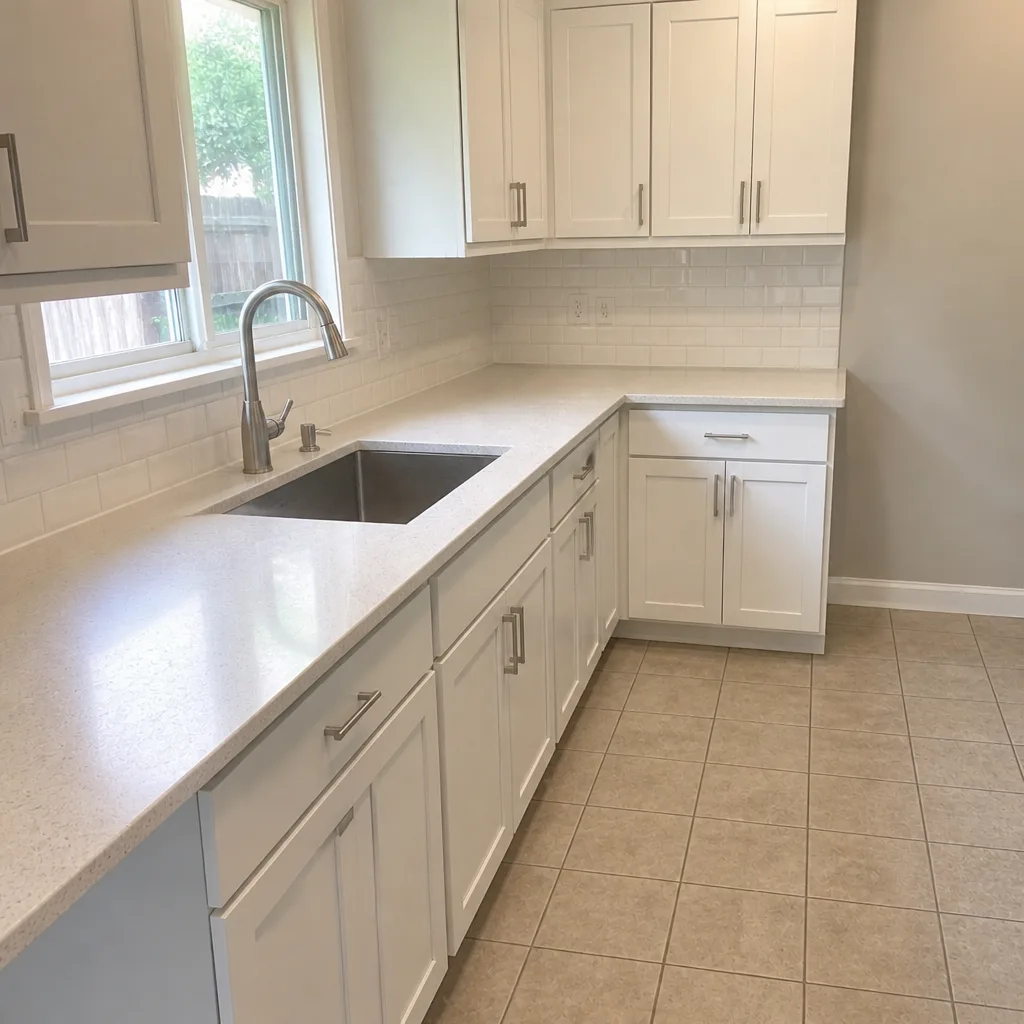 After
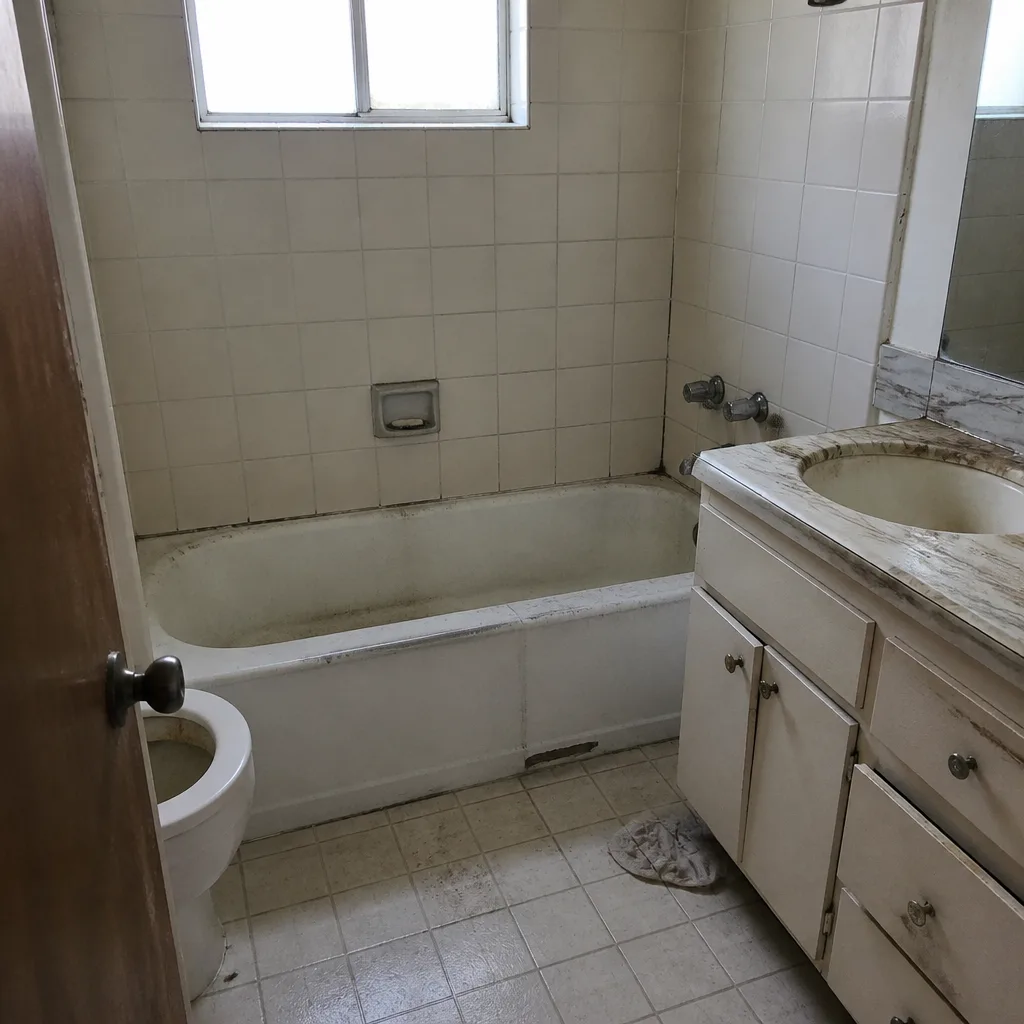 Before
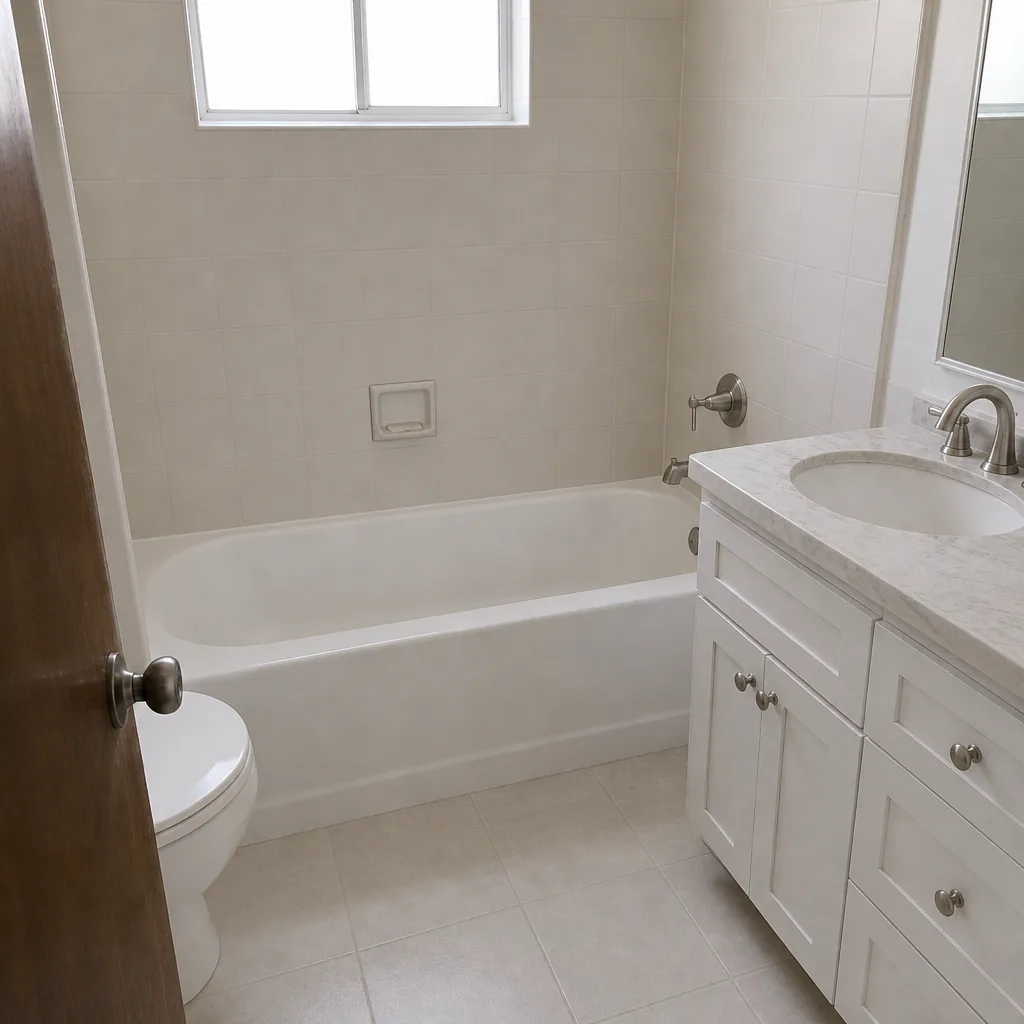 After
When to Call a Professional
Some work is genuinely fine to handle yourself: paint, swapping light fixtures, hanging hardware, swapping a toilet. But several projects in Santa Ana homes belong with a licensed contractor because the consequences of getting it wrong are expensive or dangerous. Anything touching the electrical panel, gas line, or load-bearing wall needs a licensed trade and a permit. Any remodel that opens walls in a pre-1978 home needs a professional scope before you order materials. Any project that changes the building’s footprint, adds a bathroom, or creates a dwelling unit needs permits and inspections. And any job where two bids differ by tens of thousands of dollars deserves a second opinion from someone who does this daily. Barrett & Sons Construction Santa Ana offers free estimates in Santa Ana – call (888) 325-4971.
Frequently Asked Questions
A typical hall or primary bathroom remodel in Santa Ana runs $18,000-$28,000 in 2026, with the low end covering a like-for-like refresh and the high end including new plumbing rough-in, tile, and fixtures. If your home is pre-1978 or has original cast iron drains, budget an additional $2,000-$6,000 for the plumbing and testing items that surface once walls open. Call (888) 325-4971 for an exact quote – estimates are free.
Santa Ana permit fees run $450-$900 for a bathroom remodel and $600-$1,400 for a kitchen, with the higher ends reflecting sub-permits for electrical, plumbing, and mechanical trades. Room additions run $1,800-$4,500 and ADUs $3,000-$7,000 before utility connection fees. These are ballpark figures from the city’s valuation-based schedule; we list the actual number in the written estimate before work starts. Call (888) 325-4971 for a breakdown specific to your project.
The price changes only if you approve a written change order, which we issue before any work behind that change proceeds. Discovery of hidden conditions (cast iron drains, a failing panel, water damage) is what the contingency line is for, and that line is yours to review before we touch the wall. An allowance that isn’t on paper is a surprise waiting for a date, so we put every allowance and every change in writing before the first nail moves. Call (888) 325-4971 to schedule a free estimate.
Yes. Every eligible job includes permits pulled and inspections signed, and we build the permit fee into the written estimate instead of billing it later. We notify you before the inspector arrives so you know what they’ll be checking. The permit inspector works for you, not for us, and that’s why we like him. Call (888) 325-4971 to talk through your project’s permit requirements.
A hall bathroom typically takes 4-6 weeks from demo to final inspection; a kitchen remodel with semi-custom cabinets runs 8-12 weeks. Room additions run 4-6 months and ADUs 6-9 months, with most of that time in the permit phase. We put the schedule in writing, along with a change-order process so a mid-project change doesn’t reset the calendar silently. Call (888) 325-4971 for a realistic timeline on your project.
Electrical panel upgrades and cast iron drain replacement tied for first place. A large share of Santa Ana homes were built before 1970, and 100-amp panels can’t support a modern kitchen; replacing one runs $2,500-$4,500 including the permit. Original cast iron drains in neighborhoods like Floral Park frequently require $2,000-$6,000 to replace once they’re exposed. Pre-1978 asbestos testing runs $400-$900 and prevents a much larger bill later. Call (888) 325-4971 and we’ll walk the house with you before you sign anything.
The Bottom Line
A realistic Santa Ana budget in 2026 comes from four numbers you can actually check: local labor for your specific scope, permit fees from the city’s schedule, the hidden items your home’s age will require, and a named contingency that belongs to you. National ranges skip all four. Get those four into a written scope with a written change-order process behind them, and the surprise invoices at the end go away. Every price change in writing, every permit pulled, every allowance documented. That’s the standard we work to, and it’s the one to hold any bidder to before you sign.
Ready to put a real number on your project? Call (888) 325-4971 for a free estimate and a written line-item scope. We’re glad to give a free second opinion on any written estimate you already have, and if you’re inside the county, there’s no trip charge. For a look at the specific services that fit your project, start with our Barrett & Sons Construction Santa Ana home, browse Driveway & Pavers in Santa Ana, Fence Installation in Santa Ana, or Home Additions & ADU in Santa Ana.
Written by the team at Barrett & Sons Construction Santa Ana.