Last updated November 18, 2026



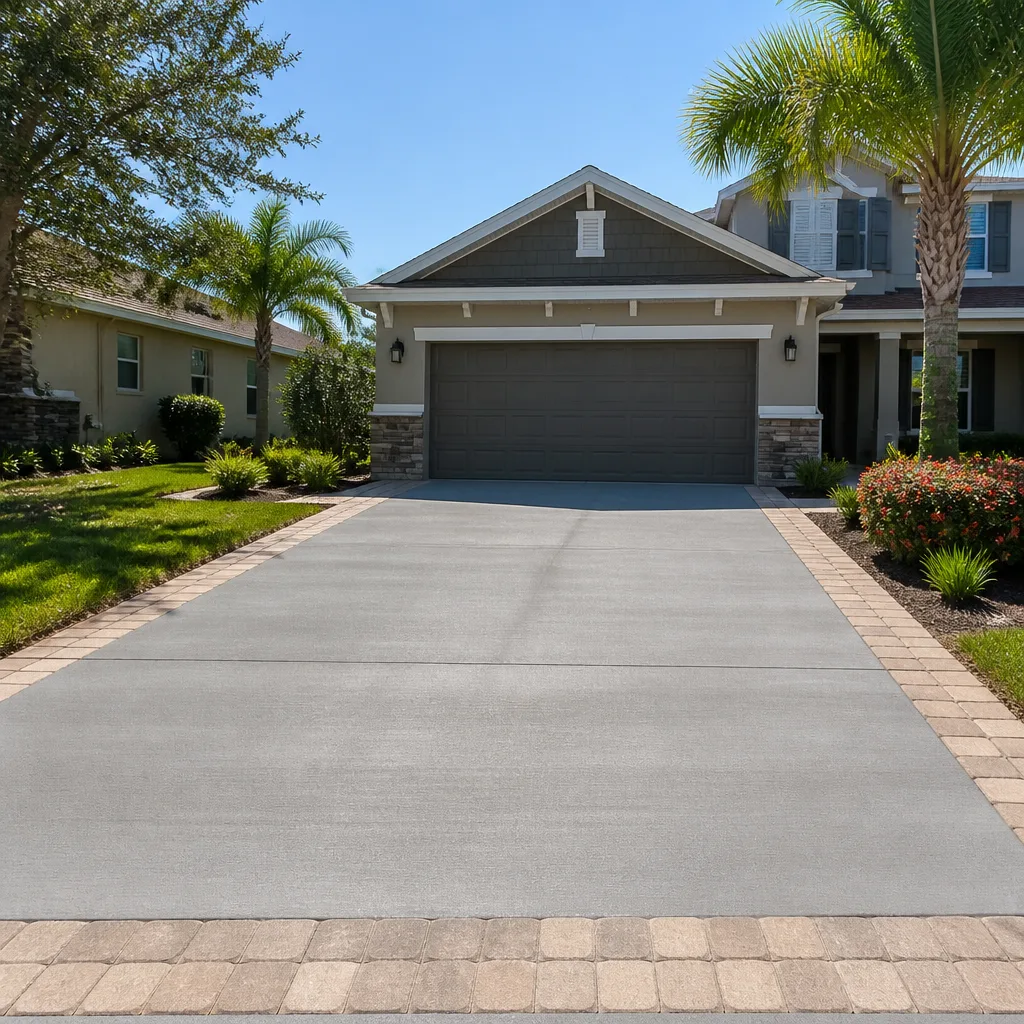
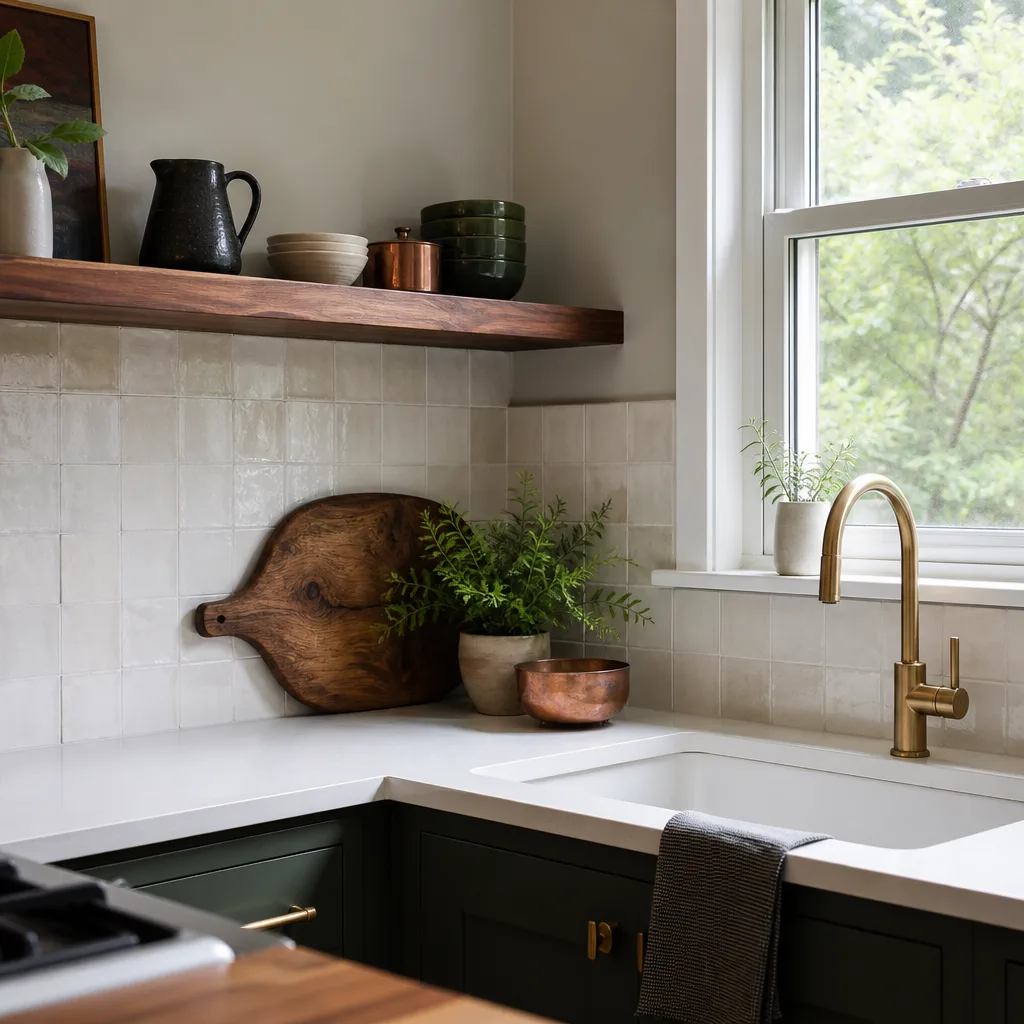

Free written scope consultation - allowances, timeline, and change-order rules on paper before a single trade is scheduled
Bathroom Remodeling Warning Signs Every Homeowner Should Know
The single most predictive warning sign of a bad bathroom remodel isn’t a low bid. It’s a contractor who can’t tell you which subcontractors will be in your home and whether they’re licensed. We’ve seen homeowners in Santa Ana hand over a deposit to a smooth talker who “runs a tight crew” and then watch a rotating cast of strangers show up over six weeks, none of them on paper. The estimate was clean. The handshake was firm. The problems started long before demo day, back in the sales conversation. This guide walks through the red flags that show up before you sign, during the job, and inside your existing bathroom before work even begins.
Quick Answer
The biggest bathroom remodeling warning signs are: a contractor who won’t name their subcontractors or show licenses, promises to handle change orders “verbally,” pressure to skip permits, vague line items on an estimate, and requests for large cash draws before milestones are hit. Any one of these is a reason to pause. Two or more is a reason to walk away.
Styles & brands we work with
- Kitchen remodeling
- Bathroom remodeling
- Home additions & ADU
- Roofing
- Windows & doors
- Driveway & pavers
- Fence
Table of Contents
- Pre-Contract Warning Signs: Before You Sign Anything
- What a Real Change Order Looks Like vs. a Setup for Surprise Costs
- Mid-Project Red Flags: Crew Swaps, Draws, and Missed Inspections
- Physical Warning Signs Inside Your Existing Bathroom
- How to Verify a Contractor in Orange County
- The Paper Trail: What a Fair Contract Includes
- Santa Ana Permit and Inspection Realities
Pre-Contract Warning Signs: Before You Sign Anything
Almost every bathroom remodel horror story starts with a conversation that felt fine. The contractor was polite, the price sounded reasonable, and the paperwork looked official. Then the bathroom sits half-torn-apart for months and nobody answers the phone. The warning signs were there in the first meeting, if you knew what to listen for.
Here’s what to watch for in the conversation before you sign:
- They can’t name their subs. Ask directly: “Who’s doing the plumbing rough-in, who’s tiling, and are they licensed?” A reputable contractor answers in specifics. A bad one stalls with “we use the same guys all the time.”
- “Permits aren’t necessary for a bathroom.” In Santa Ana and across Orange County, a bathroom remodel that moves plumbing, electrical, or walls nearly always needs a permit and inspections. This is one of the biggest tells. The permit inspector works for you, not for the contractor. That’s why we like him.
- The bid is a single number. “Full bathroom remodel: $18,000.” No line items, no allowances, no brand names. You cannot compare that bid to anything, and you cannot enforce it later.
- They want a big deposit up front. A small mobilization deposit is normal. A 40 – 50% cash draw before demolition starts is not.
- No written change order process. Ask: “If I want to upgrade the tile mid-job, how does the cost change get handled?” If they say “we’ll talk about it,” you’ve just learned everything.
Written scope, written allowances, written change orders, every time. That’s the only system that protects a homeowner from surprise invoices at the end. We’ve seen Santa Ana homeowners stuck in a job where the “allowance for tile” was discussed out loud but never written down, and the final invoice was $4,000 higher than the signed bid. An allowance that isn’t on paper is a surprise waiting for a date.
What a Real Change Order Looks Like vs. a Setup for Surprise Costs
A legitimate change order is a one-page document, signed by both parties, before the work it covers happens. It states exactly what’s being added or removed, the dollar amount, and how it affects the schedule. A contractor who plans to surprise you at the end of the job produces something very different: a modified invoice, a verbal “well, once we opened the wall we found rot,” or a new figure with no line items attached.
Here’s how to tell the two apart:
- Legitimate change order: arrives before the work, on paper, signed by both sides, with an itemized amount and a date.
- Warning-sign “change order”: arrives after the work, verbal or texted, with a lump sum and no itemization.
- Legitimate allowance: a specific dollar figure written into the original contract for tile, fixtures, vanity, or lighting, with a named brand where practical (Cambria quartz counters, for instance, are easy to specify).
- Warning-sign allowance: “allowance for materials” written with no number, no brand, and no source.
When we write a bathroom scope in Santa Ana, every allowance has a dollar figure and every brand is named. If you want Cambria at a specific price and your budget won’t stretch, we say so before demo. That’s not a sales pitch; that’s the only honest way to quote the job. It also means you can compare our bid line-by-line against any other bid, which many contractors quietly avoid.
Mid-Project Red Flags: Crew Swaps, Draws, and Missed Inspections
The conversation before the contract is where most of the risk lives, but the mid-project phase has its own set of signals. These are the ones homeowners usually call us about after the fact, asking us to step in and fix what the last contractor left half-finished.
- Crew swaps without notice. If the crew working in your home changes three times in a bathroom remodel and nobody introduces the new people, that’s not flexibility, it’s a labor scramble. The crew members should be background-checked and consistently assigned. You have a right to know who’s in your home.
- Work proceeding before inspection sign-off. The most expensive mistake in bathroom remodeling is closing walls before the plumbing and electrical inspections have been signed off. Reopening a wall costs thousands, and it’s the contractor’s fault.
- Large cash draws ahead of schedule. If you agreed to four draws at specific milestones and the contractor asks for draw three when milestone two is barely finished, stop. Faded draws are one of the earliest and most reliable warning signs of a contractor running out of money, not a growing job.
- Radio silence. A legitimately busy contractor still returns calls. Two days of silence during a demo phase is normal. A week is a warning sign.
- You’re asked to pay a sub directly. You hired the contractor, not the sub. If a subcontractor comes to you asking to be paid because the primary hasn’t paid them, that’s a serious red flag and you need an attorney’s advice.
Before any bathroom work starts, we send a schedule with names: who’s leading, who’s tiling, who’s doing the plumbing rough-in. If someone different arrives, the homeowner gets a call first. That’s the kind of small commitment that separates an owner-operated job from a job being run out of a call center somewhere else. It’s also why we publish our license number and address openly. Ask anyone on your street, or look it up yourself before you write a deposit check.
Physical Warning Signs Inside Your Existing Bathroom
Sometimes the warning signs are in the bathroom itself, and they’ll inflate the cost of your remodel once the walls come down if you don’t spot them ahead of time. Santa Ana’s warm, dry climate hides some problems and accelerates others. Here’s what to look at before you get a bid.
- Soft subfloor spots. Walk the bathroom in socks. Any give, dip, or spongy feel near the tub or shower is a sign of chronic water exposure. In older Santa Ana homes, small leaks under a shower pan have been quietly rotting the subfloor for a decade before they announce themselves.
- Efflorescence on tile. That white, chalky crust on grout lines or at the base of tile isn’t just cosmetic. It’s mineral deposit from water moving through the wall or slab. Efflorescence in a bathroom usually means moisture behind the tile, which means a re-tile job just became a re-plumb-and-re-tile job.
- Slow drains that share a wall. If the sink and shower on the same wall are both slow, that’s a joint drain line problem, not two coincidences. Expect the plumbing scope to grow once the wall opens.
- Recurring mold in the caulk lines. A little mold in the shower caulk is normal. Mold coming back within weeks of cleaning, or mold higher up on the drywall, points at a ventilation or vapor barrier failure that needs to be corrected during the remodel, not painted over.
- Cracks along the tile-to-drywall seam. Often structural movement or a failing backer board. The good news: an experienced tile setter can address it during the job. The bad news: if it isn’t in the original scope, it’s the reason your price moves mid-job if the change order process isn’t already established.
Bring these up when you get a bid. A reputable contractor wants to hear them. They’ll build the contingencies into the scope now, in writing, instead of hitting you with them in month two. In our experience, Santa Ana bathrooms in homes built before 1980 almost always have one of these issues waiting behind the tile, and the honest contractor prices for it up front.
How to Verify a Contractor in Orange County
You can verify almost everything a contractor tells you about licensing and insurance in about fifteen minutes, and it costs nothing. Do it before any money changes hands. Do it even if the contractor is a friend of a friend. Do it even if the price seems fair. Here’s the sequence:
- Look up the contractor’s license number on the California Contractors State License Board (CSLB) website. Confirm it’s active, in the right classification for bathroom remodeling (usually B, C-36 plumbing, or C-54 tile), and not suspended.
- Ask for a certificate of insurance and call the carrier to verify it’s active. General liability and workers’ comp are both important. If there’s no workers’ comp and someone gets hurt on your property, that’s on you.
- Check the CSLB for complaints and disciplinary actions. A single complaint from two years ago isn’t necessarily a dealbreaker. A pattern is.
- Call the City of Santa Ana’s building department and confirm the contractor is set up to pull permits. Ask for the permit history on the contractor’s recent work if you can.
- Ask for three recent references in Santa Ana or nearby, and actually call them. Ask specifically: “Did the price change? Were change orders in writing? Were the crew members the same people each week?”
- Meet the person who owns the license. You don’t need a handshake with every crew member, but you deserve to know the name on the paperwork.
If any of that verification is refused or deflected, that’s the answer. A contractor who publishes his name, address, and license number expects you to check. A contractor who’s vague about all three expects you won’t.
The Paper Trail: What a Fair Contract Includes
The contract is the contractor’s character in writing. Read it before you sign, and if a section is unclear, ask. Any contractor worth hiring will walk you through every line. Here’s what should be in yours.
- Full scope with line items for demolition, framing, plumbing rough-in, electrical, tile, vanity, fixtures, and finish carpentry
- Named brands and model numbers where applicable, along with the specific allowance dollar amount for any item not yet selected (Wellborn or KraftMaid cabinetry, Cambria or Silestone counters, fixtures by name)
- Payment schedule tied to milestones, not dates
- Written change order procedure and who approves what
- Permit responsibility spelled out. Every eligible job we run carries permits pulled and inspections signed, and that line is in the contract.
- Workmanship warranty term, and what triggers a return visit
- Start and completion dates, with weather or material-delay language
- A named crew lead or point of contact throughout
- A signature line for the license holder, not a “sales manager”
If your bid is a single page with a total number and a signature line, that’s not a contract, that’s a want-ad for disputes. If the payment schedule asks for more than a third down before demolition, that’s a warning sign. If a stated crew member vanishes and replacements aren’t introduced, that’s a warning sign. The paper trail exists so that in week five you can point at a document and get a fair answer.
Santa Ana Permit and Inspection Realities
Bathroom permits in Santa Ana are not optional, and no licensed contractor will tell you otherwise. The city’s building department handles permits for bathroom remodels, and inspections are required at rough-in (plumbing, electrical, framing) and again at finish. That means multiple scheduled visits by a city inspector throughout the job. Skipping them isn’t a shortcut; it’s a future problem at resale, at refinance, and at insurance claim time.
What homeowners in Santa Ana should know:
- Permit timelines vary by scope. A cosmetic refresh (paint, fixtures, tile over existing backer) often needs a lesser permit or none. A full remodel that moves plumbing, electrical, or walls needs the full permit and the full inspection sequence.
- Inspectors are on your side. The permit inspector works for you, not for the contractor. That’s a good thing, and anyone who pitches “you don’t want inspectors in your house” is telling you something about their track record.
- Open permits on a property show up at resale. If a previous bathroom remodel was done without permits, that’s a warning sign you inherited with the house. A good contractor can help you close it out properly during the current job.
- Neighborhood context matters. In older Santa Ana pockets like French Park and Washington Square, plumbing is often cast iron or galvanized steel, which may need partial replacement if the walls are open. In newer builds, it’s PEX and PVC. That’s a real scope difference and should be in your bid.
If you’re planning a larger related project, whether that’s a kitchen refresh, a new fence, or adding square footage onto the back of the house, ask for the scope as one coordinated plan so the permits overlap cleanly. Learn more about Home Additions & ADU in Santa Ana when a bathroom remodel grows into a bigger build, or about Fence Installation in Santa Ana if the work is spreading to the yard.
Common Mistakes to Avoid
- Choosing the lowest bid. The cheapest bathroom remodel in Santa Ana is almost always the one with the most guaranteed surprises. Line-item bids are comparable; a single lump sum isn’t. Two bids $8,000 apart aren’t telling you about quality, they’re telling you about what’s not in the bottom bid.
- Paying the deposit in cash with no receipt. Every dollar should move on a check or card with a written receipt tied to a milestone. Cash with no paper is a warning sign before the job starts.
- Trusting a verbal promise of a change order. If it isn’t written, it isn’t real. We’ve seen Santa Ana homeowners stuck with a “we agreed on that tile upgrade” bill that no one can prove either way.
- Signing a contract with no start date. “We’ll get to it when the schedule opens” is not a start date. A real contract states one, and a real contractor honors it or calls.
- Skipping the permit to save money. The permit fee is a fraction of the cost to reopen a finished wall for a missed inspection. This is one mistake that follows the house, not the contractor.
- Ignoring soft floors and slow drains in the bid phase. If you spot them on day one and don’t tell the contractor, you’ll pay more later. If the contractor spots them and doesn’t tell you, that’s a warning sign about the whole relationship.
- Not asking who’ll be in the house. You’re going to have strangers in your home for weeks. Asking who they are isn’t being difficult, it’s being reasonable. A contractor who gets defensive at that question is telling you something.
Whether you’re planning a full bathroom remodel, a new driveway to match, or a fence around the yard, the same discipline applies: scope in writing, allowances in writing, change orders in writing. If you’re also considering a hardscape upgrade while the crews are on site, see Driveway & Pavers in Santa Ana for how we sequence exterior work around the interior job.
See the difference
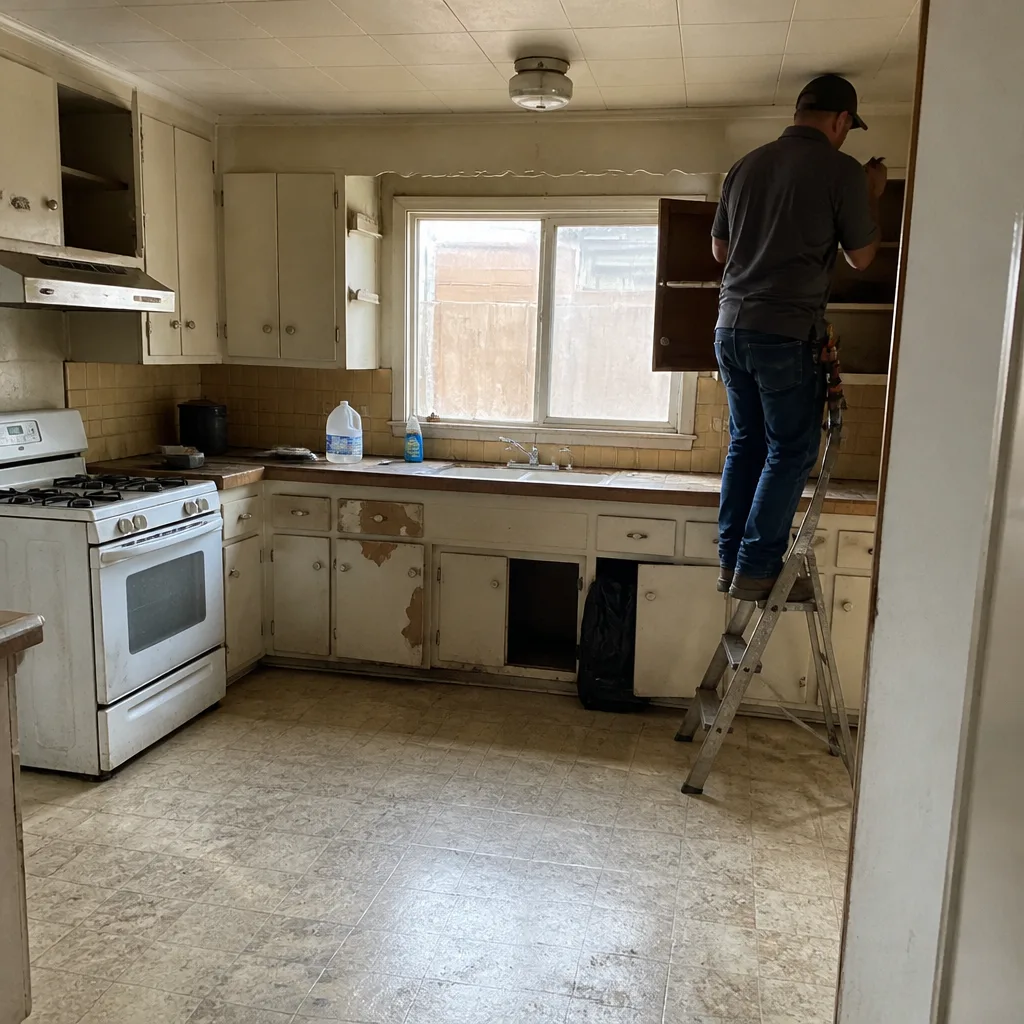 Before
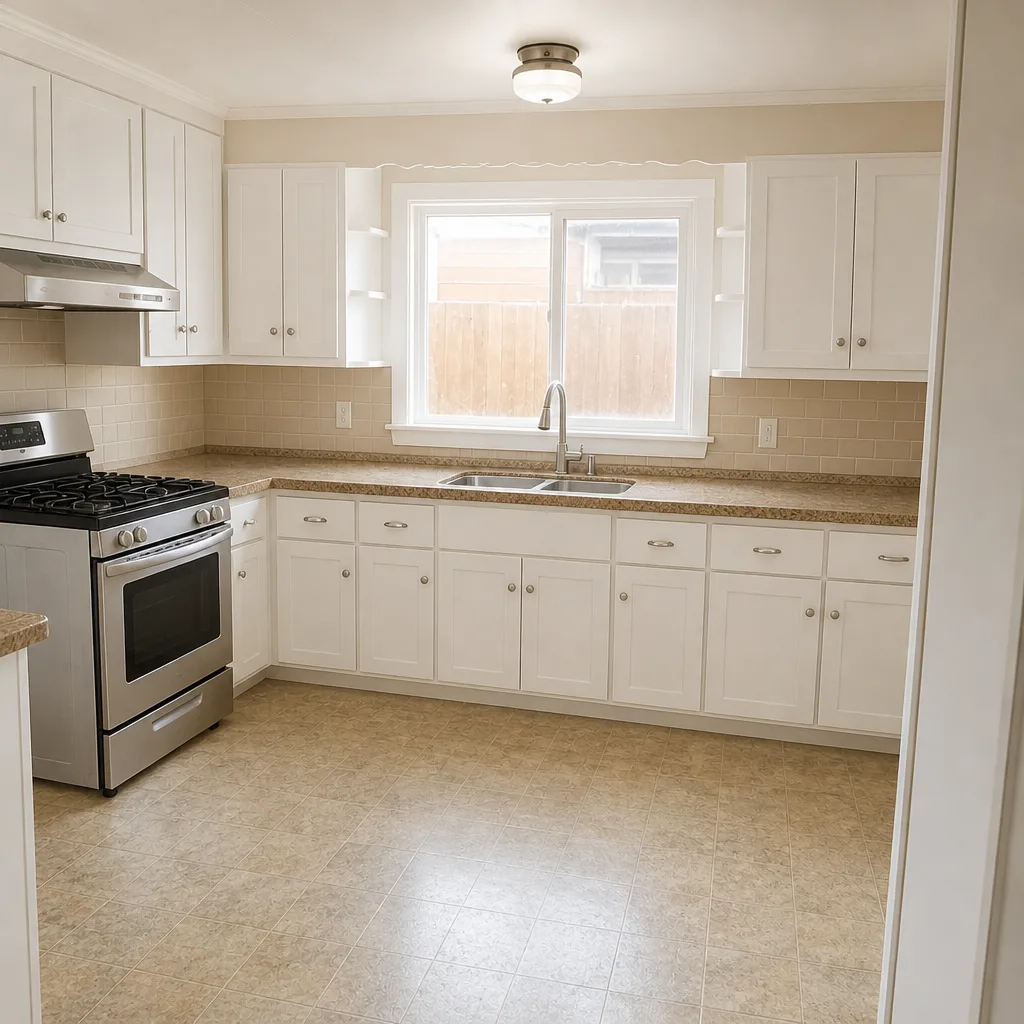 After
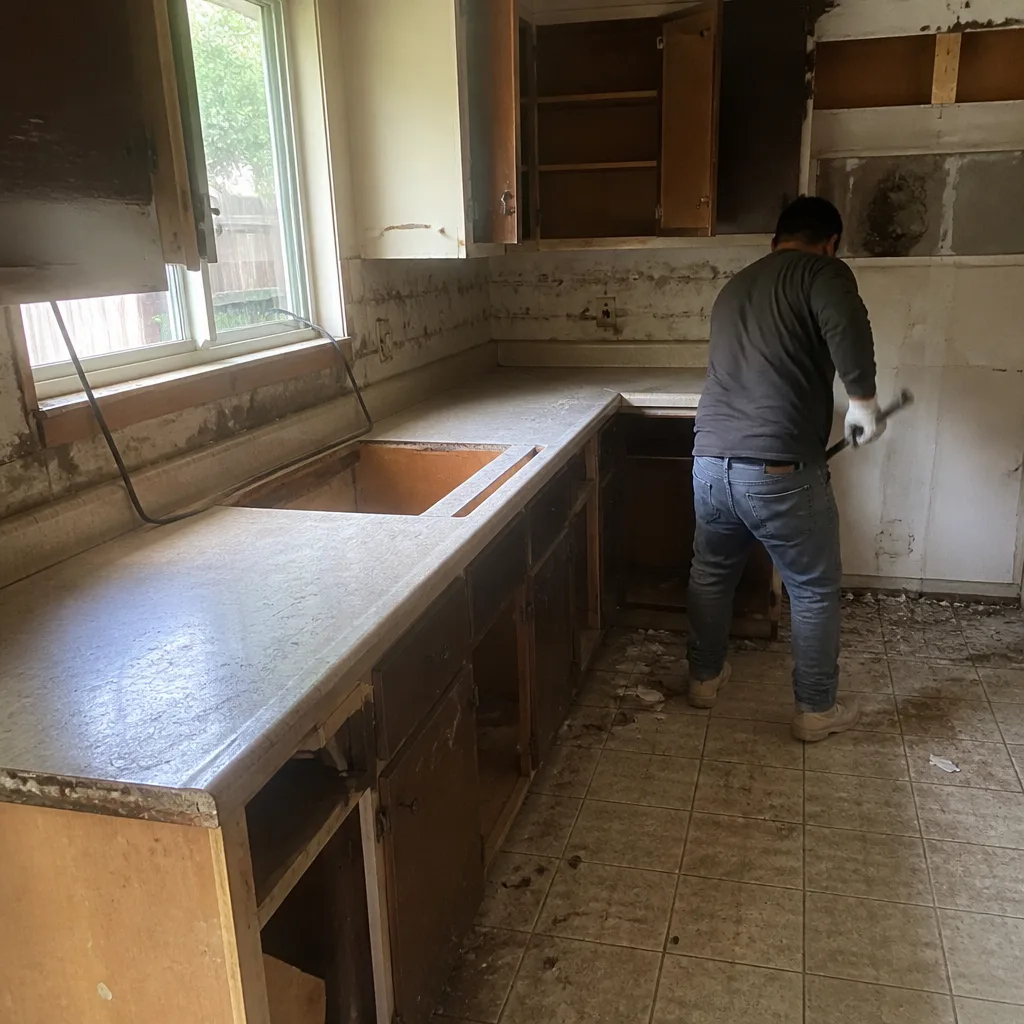 Before
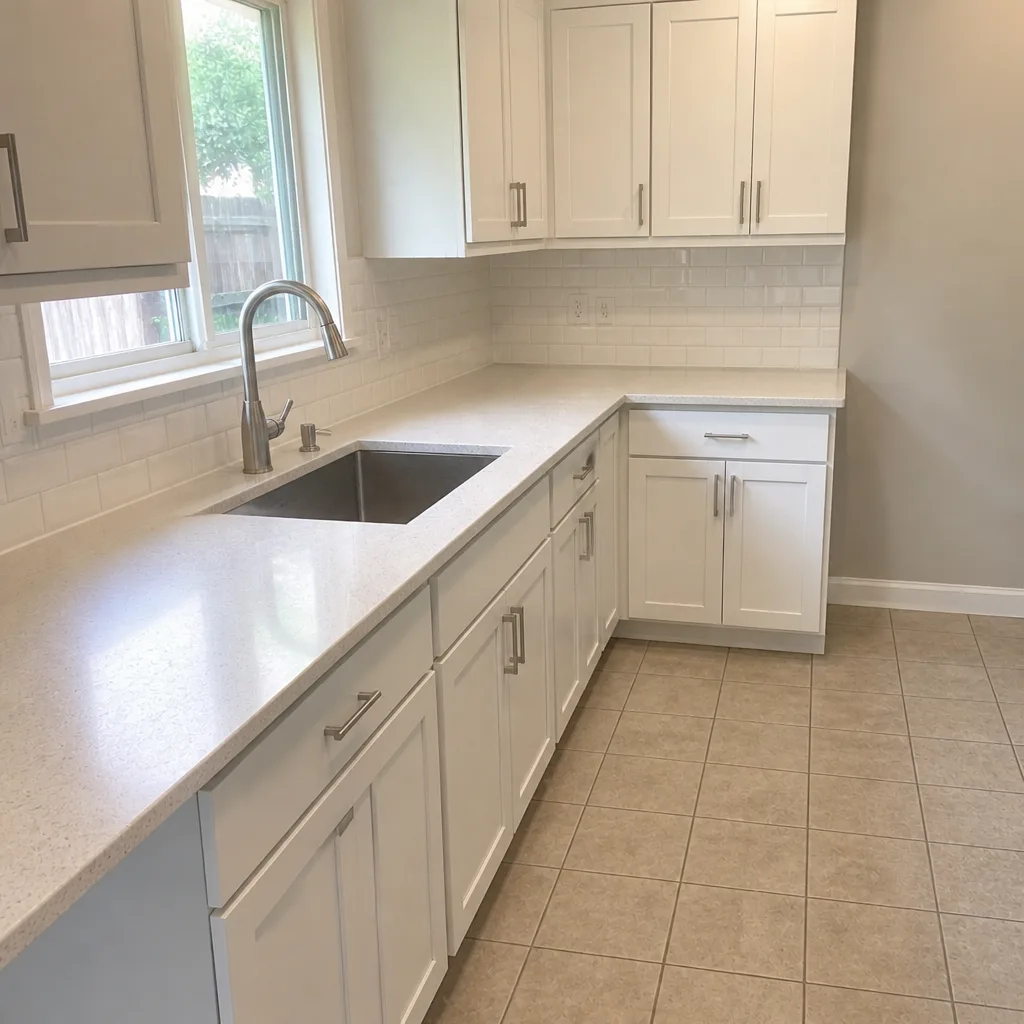 After
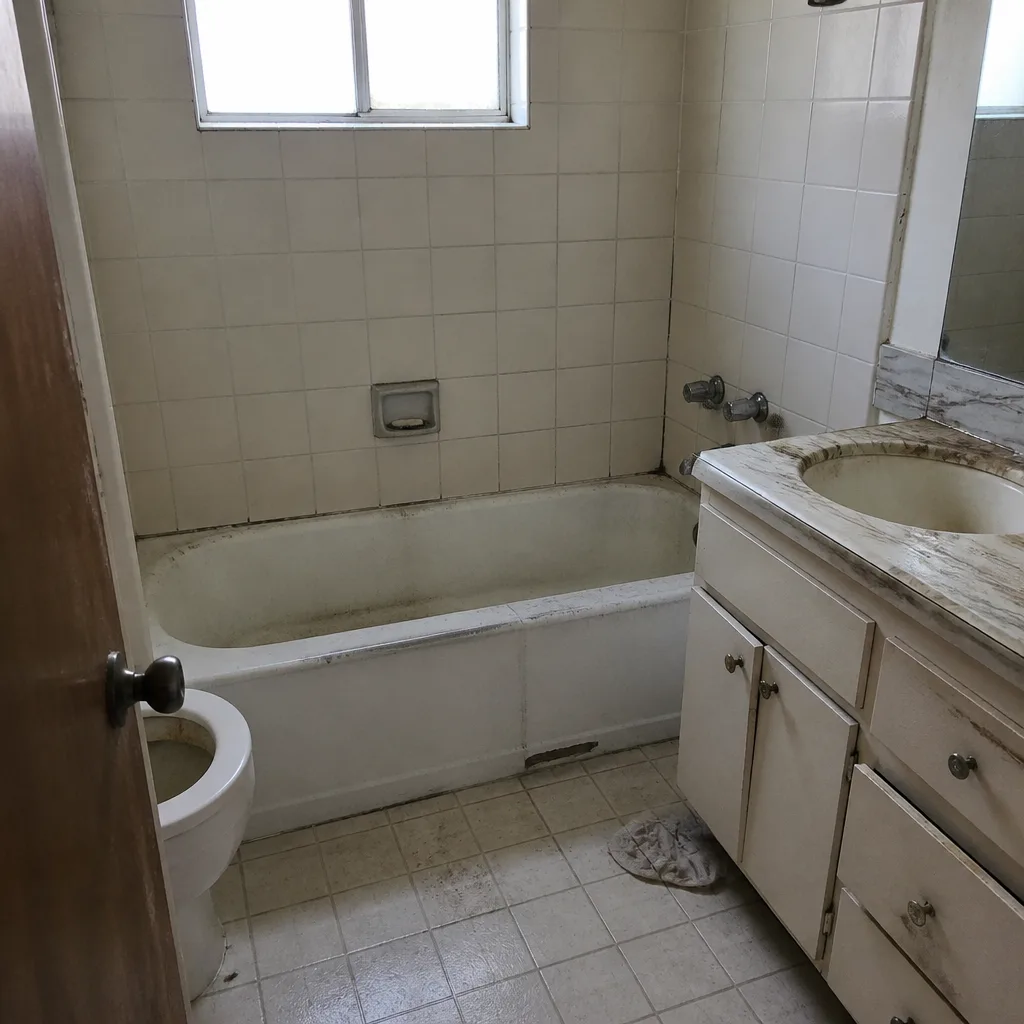 Before
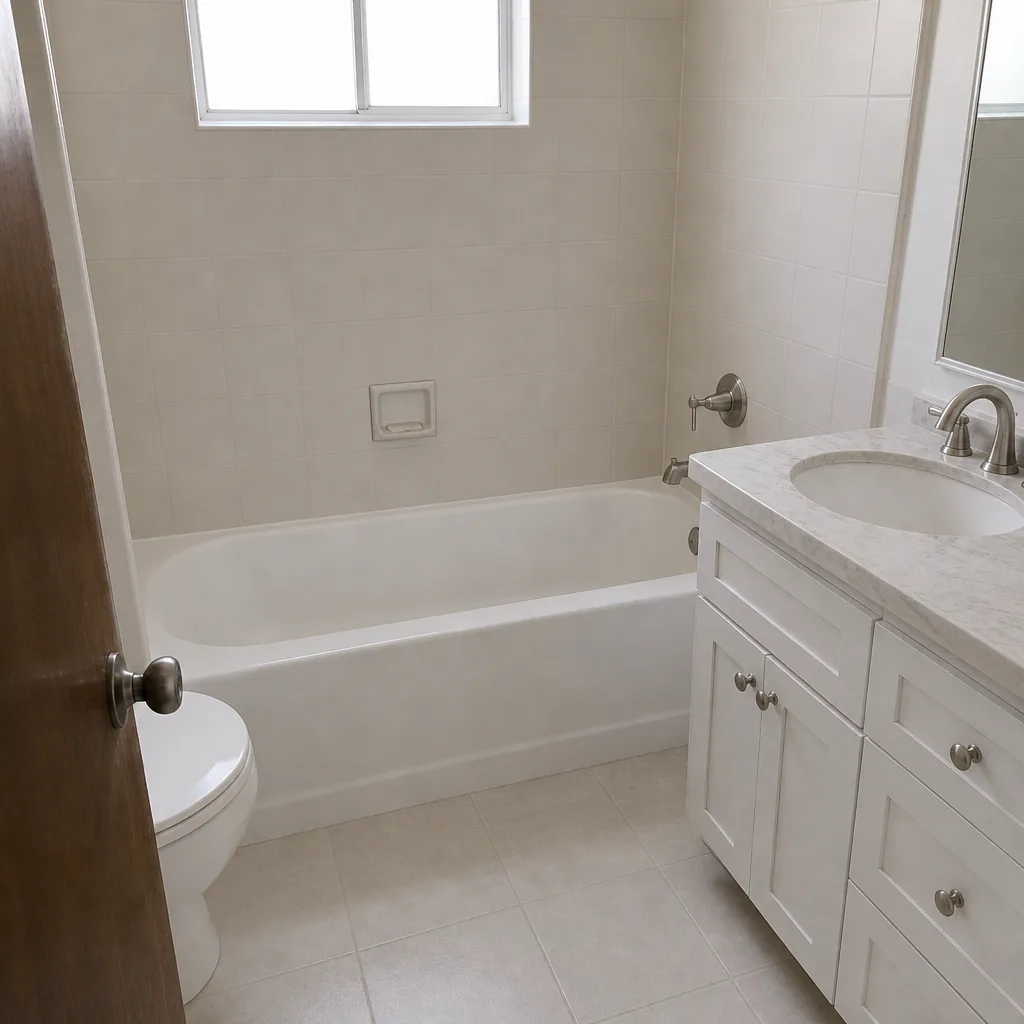 After
When to Call a Professional
Call a professional before you sign anything, not after the bathroom is torn up and the phone isn’t being answered. Specific situations that need a licensed contractor, not a handyman: anything that moves plumbing, electrical, or walls; any subfloor issue; any job where a permit is required; any bid over a couple of thousand dollars where you want line items and written change orders; and any time you’ve already been burned by a previous contractor and need a second opinion on the scope you were given. Barrett & Sons Construction Santa Ana offers free estimates in Santa Ana and honors the Free Second Opinion on Any Written Estimate standing offer, so you can bring us another contractor’s bid and get a plain-language read on what’s missing before you sign.
Our crew members have up to 28 years of experience, and every eligible job includes permits pulled and inspections signed. If you’re also planning exterior work at the same time, our teams handle Driveway & Pavers in Santa Ana and Fence Installation in Santa Ana so the whole property stays coordinated. For the full picture of what we build in Santa Ana, start at the Barrett & Sons Construction Santa Ana home page.
Frequently Asked Questions
A contractor who can’t tell you which subcontractors will be in your home and whether they’re licensed. That answer predicts almost everything else: whether permits get pulled, whether change orders arrive in writing, and whether the same crew shows up in week four. If the answer is vague, the whole job is vague.
A typical hall bathroom remodel in Santa Ana ranges from roughly $12,000 to $28,000 depending on whether walls move, plumbing changes, and finish level. Full primary bathrooms with major plumbing changes run higher. Get a written line-item bid with allowances spelled out, then call (888) 325-4971 for a free second opinion on any written estimate you receive – the Free Second Opinion standing offer lets you compare honestly.
In almost every case, yes. Moving plumbing, electrical, or walls requires a permit and inspections at rough-in and finish. A cosmetic refresh may not. Your contractor should know which applies to your job and should state it in the contract. If a contractor suggests skipping the permit to save time, that’s the warning sign.
Only if you sign a written change order. A fair contractor quotes a scope that anticipates normal surprises, then issues a one-page written change order before the work it covers happens. Verbal “we found rot in the wall” calls that turn into invoices at the end are a warning sign, not a normal part of remodeling.
Look up the license number on the California Contractors State License Board website, confirm the classification fits bathroom remodeling, and check for complaints and disciplinary actions. Ask for a certificate of insurance and call the carrier to verify. Then call the City of Santa Ana building department to confirm the contractor pulls permits.
Bring them up when you get the bid. A soft subfloor, recurring mold, or slow drains sharing a wall are all signs the scope will grow once the walls open. A good contractor prices for them up front. If your bid ignores them, or the contractor doesn’t want to hear about them, that’s worth paying attention to. Call (888) 325-4971 for a free estimate that accounts for what we actually see.
The Bottom Line
Bathroom remodel disasters don’t start with sledgehammers, they start with a sales pitch. Watch for a contractor who can’t name their licensed subs, who treats permits as optional, who promises change orders “verbally,” who asks for a large draw before a milestone, or who goes quiet when the job gets hard. Verify the license, the insurance, the permit history, and the crew before any money moves. Call (888) 325-4971 to schedule your free estimate. Written scope, written allowances, written change orders, every time; that’s how a bathroom gets done in Santa Ana without a surprise at the end.
Written by the team at Barrett & Sons Construction Santa Ana.