Last updated November 18, 2026





Free written scope consultation - allowances, timeline, and change-order rules on paper before a single trade is scheduled
Home Additions & ADU Warning Signs Every Homeowner Should Know
If your contractor is scheduling drywall before the framing inspection is signed off, he’s betting his timeline against your legal liability, and you’re the one who owns the house. That’s the uncomfortable truth about addition and ADU work: the contractors who cost homeowners the most money aren’t the ones who take a deposit and vanish. They’re the ones who finish the job, shake your hand, cash the final check, and leave behind a structure that fails inspection six months later, a lien from a subcontractor who never got paid, or a bedroom that the county doesn’t legally recognize as a bedroom. This guide covers the warning signs that show up during a Santa Ana addition or ADU build, not before it starts, so you can catch a problem while it’s still cheap to fix.
Quick Answer
The biggest warning signs on an addition or ADU job are skipped or unrecorded inspections, drywall or roofing installed before rough-trade sign-offs, subcontractor lien notices arriving in your mailbox, materials delivered that don’t match your written scope, and a contractor who goes quiet when the schedule slips. Any one of these on a Santa Ana job is a reason to stop, ask for paper, and verify the permit record yourself before another payment goes out.
Styles & brands we work with
- Kitchen remodeling
- Bathroom remodeling
- Home additions & ADU
- Roofing
- Windows & doors
- Driveway & pavers
- Fence
Table of Contents
- How to Verify Your Inspections Were Actually Called and Passed
- The Sequencing Shortcuts That Skip Required Inspections
- What a Subcontractor Lien Notice Really Means
- Materials Substitution: What Shows Up vs. What You Signed
- Falls Behind and Communicates vs. Falls Behind and Disappears
- Allowances, Change Orders, and the Surprise Invoice
- Santa Ana-Specific Codes, Climate, and Neighborhood Context
How to Verify Your Inspections Were Actually Called and Passed
The single most useful habit you can build during a Santa Ana addition or ADU build is checking your own permit record. The City of Santa Ana’s building division keeps a public record of every permit pulled in the city, including the inspection history, and homeowners are entitled to look up their own permit status. You don’t need your contractor’s permission. You need your address and the permit number, which should be posted on the job site and printed on your approved plans.
Here’s what the record tells you that your contractor might not:
- Whether inspections were scheduled at all. A permit with a foundation inspection logged and nothing after it means the concrete was poured and the framing has never been looked at.
- Whether inspections passed or were “partially approved.” A partial approval is a real thing, and it usually means a correction is outstanding.
- Whether the trades were signed off individually. Rough electrical, rough plumbing, and rough framing are separate inspections in Santa Ana, and each one needs its own green tag before the next phase can legally start.
- Whether the permit has expired. Permits have a shelf life. An expired permit on a half-finished addition is a headache that lands on the property owner, not the contractor.
We’ve seen homeowners in Santa Ana discover, at refinance or resale, that a completed ADU had two inspections on record and six that were never called. The structure looks fine. It just isn’t legal, and the difference gets priced into your appraisal. The permit inspector works for you, not for your contractor. That’s exactly why some contractors avoid him.
The Sequencing Shortcuts That Skip Required Inspections
A good addition schedule is a chain of dependencies. Each trade waits for the inspection that covers the work behind it. A shortcut breaks the chain, and the shortcuts almost always look like efficiency on a progress report. In our experience on Santa Ana additions, here are the ones we watch for.
- Drywall hung before rough electrical and rough plumbing sign-off. Once the wall board goes up, the inspector can’t see the wiring, the box fill, or the drain slope without cutting into your new wall. If the drywall crew shows up and the rough inspection hasn’t been logged, the job has a problem.
- Backfill before the foundation inspection. The rebar spacing, the anchor bolts, the forms, and the waterproofing on a stem wall all have to be visible before dirt goes back in. Trenches filled before the inspector walks the site hide defects that show up as cracks two winters later.
- Roofing before the sheathing nailing pattern is checked. A nailing inspection on the roof deck is a real step in Santa Ana, and shingles over an unverified deck mean the correction is now a tear-off.
- Insulation and vapor barrier installed before the framing inspection. The inspector needs to see the studs, the fire blocking, and the hold-downs. Wrap it up and you’ve walled over the evidence.
- Slab poured without a pre-pour inspection on an ADU foundation. This is the most expensive shortcut because the fix is demolition.
The pattern to recognize is a contractor who treats inspections as an obstacle to a schedule instead of a checkpoint that protects your investment. A crew that falls two days behind to wait for an inspector is doing the job right. A crew that “works around” the inspector is building you a problem with a nice roofline.
What a Subcontractor Lien Notice Really Means
If a preliminary lien notice from an electrician, a concrete supplier, or a framing sub shows up in your mailbox, don’t ignore it. A lien notice on a construction project is a warning that the person who supplied labor or materials to your job hasn’t been paid, and it puts you on notice that a mechanic’s lien could land on your property if the bill stays unpaid. The money in your draw to the general contractor is supposed to be paying these people. If it isn’t, your project budget has a hole in it and you’re standing over it.
In Santa Ana, a subcontractor has a defined window to record a lien after the work is done, and the county recorder’s office is where it gets filed. The notice you received is your chance to act before that happens. What to do:
- Call the subcontractor. Ask what they’re owed and for what work. Most will tell you straight.
- Ask your contractor for proof of payment. A written statement plus a signed lien release from each sub is standard practice on a well-run job.
- Hold the next draw until you see releases. This is legal, and it’s the single best protection a homeowner has.
- Get lien waivers in writing for each phase. A conditional waiver tied to a specific payment is your receipt that the sub was actually paid.
A reputable contractor isn’t offended by this request. Tom Barrett’s rule is simple: if a scope isn’t on paper, it isn’t happening, and the same goes for payment. A general contractor who won’t produce lien releases is telling you something about how he treats his subs, and how he’ll treat you when the final invoice comes.
Materials Substitution: What Shows Up vs. What You Signed
Material substitutions happen on almost every job, and most are innocent: a discontinued tile, a back-ordered window, a color that isn’t available in time. The problem isn’t substitution. The problem is substitution without a written change order, done quietly, on a delivery day when nobody’s looking.
What to watch for when the truck arrives:
- Windows. If your scope names a Marvin or Andersen unit with a specific glass package and a different brand gets installed, you’ve been downgraded. Check the label on the frame before it goes in the rough opening.
- Roofing. A scope that specifies GAF or CertainTeed shingles shouldn’t end up with an off-brand bundle. The wrapper is right there on the pallet.
- Plumbing fixtures. A Grohe faucet in the plan and a builder-grade fixture on the counter is a several-hundred-dollar swing on a single item. This happens more than people think.
- Framing lumber. Grade and moisture content vary. A bundle of green lumber installed in a Santa Ana wall gets checked by an inspector for a reason.
- Concrete mix. The ticket from the ready-mix truck states the PSI and the mix design. Ask to see it. A sub-spec pour on an ADU foundation is a structural defect that may not show up for years.
Cross-reference deliveries against your approved submittal sheet and your written scope. Anything that doesn’t match is a conversation, and the conversation should produce a written change order before installation, not an apology after. Premium brands only protect you when the right ones actually show up.
Falls Behind and Communicates vs. Falls Behind and Disappears
Every addition falls behind at some point. Weather, a permit correction, a back-ordered window, a sick crew member. A slipped schedule is not a red flag. How the contractor handles the slip tells you everything about how the last month of the job will go.
A contractor who falls behind and communicates does a few specific things:
- Calls you before you call him.
- Gives you a revised date, not a vague “should be soon.”
- Tells you what caused the delay and what it costs you, if anything.
- Puts schedule changes in writing when they affect milestone payments or your move-in date.
- Keeps the job site tidy even when he’s behind, because he’s still supervising it.
A contractor who falls behind and goes quiet does the opposite. Calls stop being returned. The crew on site changes week to week and the faces get unfamiliar. The job site gets messy, and the trash starts to pile up. Payments come due before milestones are hit. By the time you realize the pattern, you’re managing the last phases yourself. The best predictor of a bad ending isn’t a late start. It’s silence when the schedule slips.
Allowances, Change Orders, and the Surprise Invoice
An allowance is a placeholder number for something you haven’t picked out yet, like tile, fixtures, or cabinets. An allowance that isn’t on paper is a surprise waiting for a date. The trap is a bid that looks low because the allowances are unrealistically small, and the final invoice that arrives once you’ve chosen real products and the gap has to be made up somewhere.
On any Santa Ana addition or ADU contract, you should be able to answer these questions before work starts:
- What is the allowance amount for each unfinished item, and where is it written?
- What happens if you pick a product that costs more than the allowance? Is the overage billed at cost or at cost plus a markup?
- What’s the process for a change order, and who signs it?
- Is there a written change order required before any work happens, or can your contractor “handle it and settle up later”?
- What’s the payment schedule tied to, milestones or calendar dates?
Every scope, every allowance, and every price change should arrive in writing before work proceeds. If a contractor tells you he’ll “work out the difference at the end,” that’s a hire you should reconsider. Written change orders cost nothing. Surprise invoices at the end of an addition cost thousands, and they hit hardest right when you’re ready to move back into your house.
Santa Ana-Specific Codes, Climate, and Neighborhood Context
Santa Ana has its own building division, its own inspection schedule, and a housing stock that ranges from pre-war bungalows near downtown to mid-century tracts in the Floral Park area and newer infill construction across town. The local context for an addition or ADU is different from what you’d see in a cooler coastal city, and it matters for both the design and the inspection schedule.
A few things that come up on Santa Ana projects:
- Alley-loaded lots and ADU placement. Many Santa Ana properties front a street and back onto an alley, and the ADU placement, setbacks, and utility routing depend heavily on which way the lot runs. Getting this wrong means a design change after permits are pulled.
- Detached garages as conversion sites. A lot of older Santa Ana garages are candidates for conversion, but they often have shallow footings, aged slab, and no current electrical. Those get discovered, not assumed, and they get inspected on the way.
- Heat and framing moisture. Santa Ana summers are hot and dry, and lumber installed during a dry stretch can dry-check if it’s exposed on the site. An inspector will flag grade and moisture, and that’s the point.
- Older service panels. Adding an ADU means adding load. On a 1950s Santa Ana house, the existing panel often has to be upgraded, and that’s its own permit and its own inspection. Skipping it is a fire hazard and a code failure.
If you’re planning this kind of work and want a straight answer on what your lot can support, our Home Additions & ADU in Santa Ana page walks through the process from permit to final inspection. If your addition involves a new driveway or hardscape approach, Driveway & Pavers in Santa Ana covers how the sitework ties in. And when a project includes new fencing along a property line, Fence Installation in Santa Ana explains what to sequence before the concrete truck arrives.
Common Mistakes to Avoid
- Paying the framing draw before the framing inspection is logged. If the money moves before the paper does, you’ve handed away your leverage. Check the Santa Ana permit record the same day the invoice lands.
- Letting the contractor “call the inspector when he’s ready.” Inspections are scheduled by the permit holder, and in Santa Ana the homeowner can follow up directly. A two-week silence on a scheduled inspection is a warning sign, not a scheduling quirk.
- Ignoring a preliminary lien notice. It doesn’t go away. It becomes a recorded lien if nobody pays the sub, and the lien lands on your title, not the contractor’s.
- Choosing an allowance amount that clearly won’t cover real products. A $4,000 kitchen cabinet allowance in a Santa Ana remodel is a fantasy. The bid looks low and the final math doesn’t.
- Accepting a verbal change order. “We’ll square it up at the end” is how a $3,000 conversation becomes a $9,000 invoice. Nothing moves without a signed change order.
- Assuming a passed final inspection means every trade passed. Each trade has its own sign-off. A final only means the paperwork closed, not that every phase was verified.
- Tearing out a “nearly finished” job to change the framing plan mid-stream. If you’re changing footprint, roof line, or window placement after the permit is issued, that’s a new revision and possibly a new fee. Plan it before the drawings go in.
See the difference
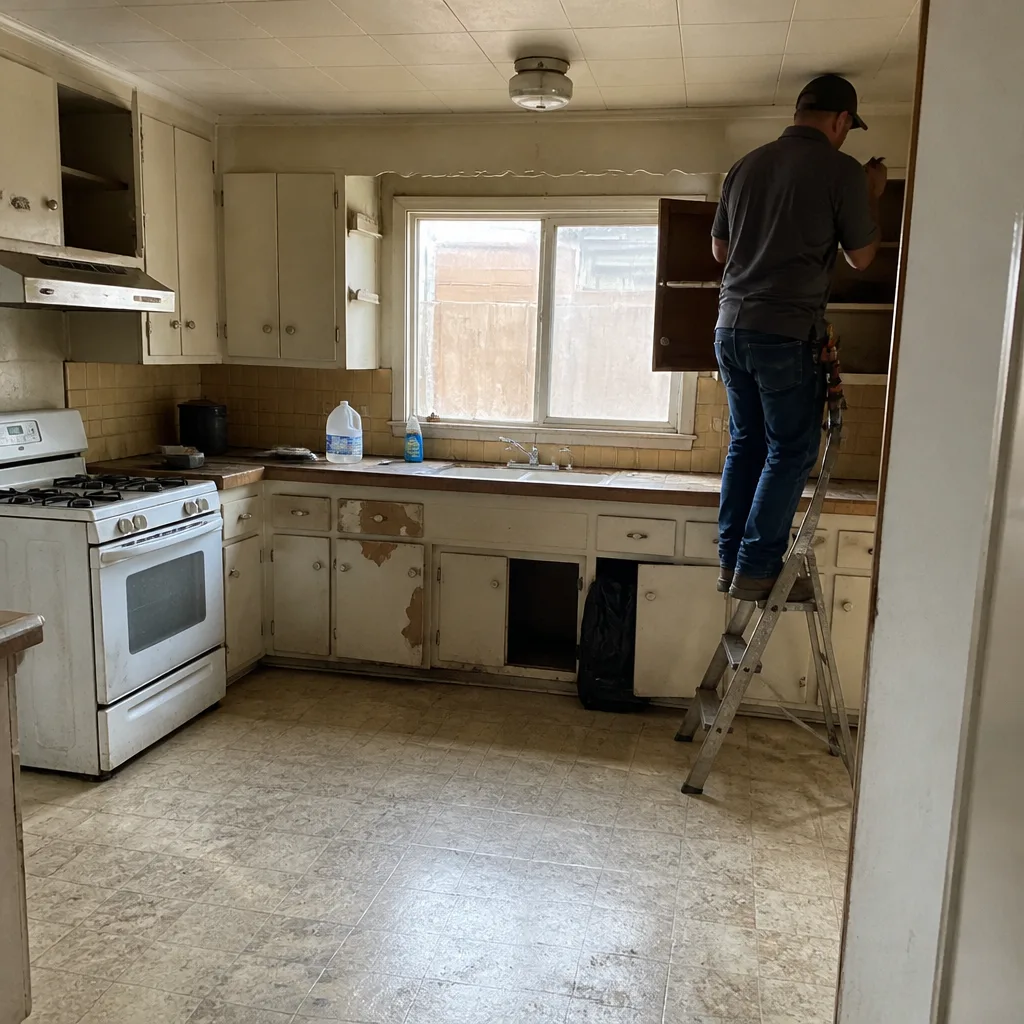 Before
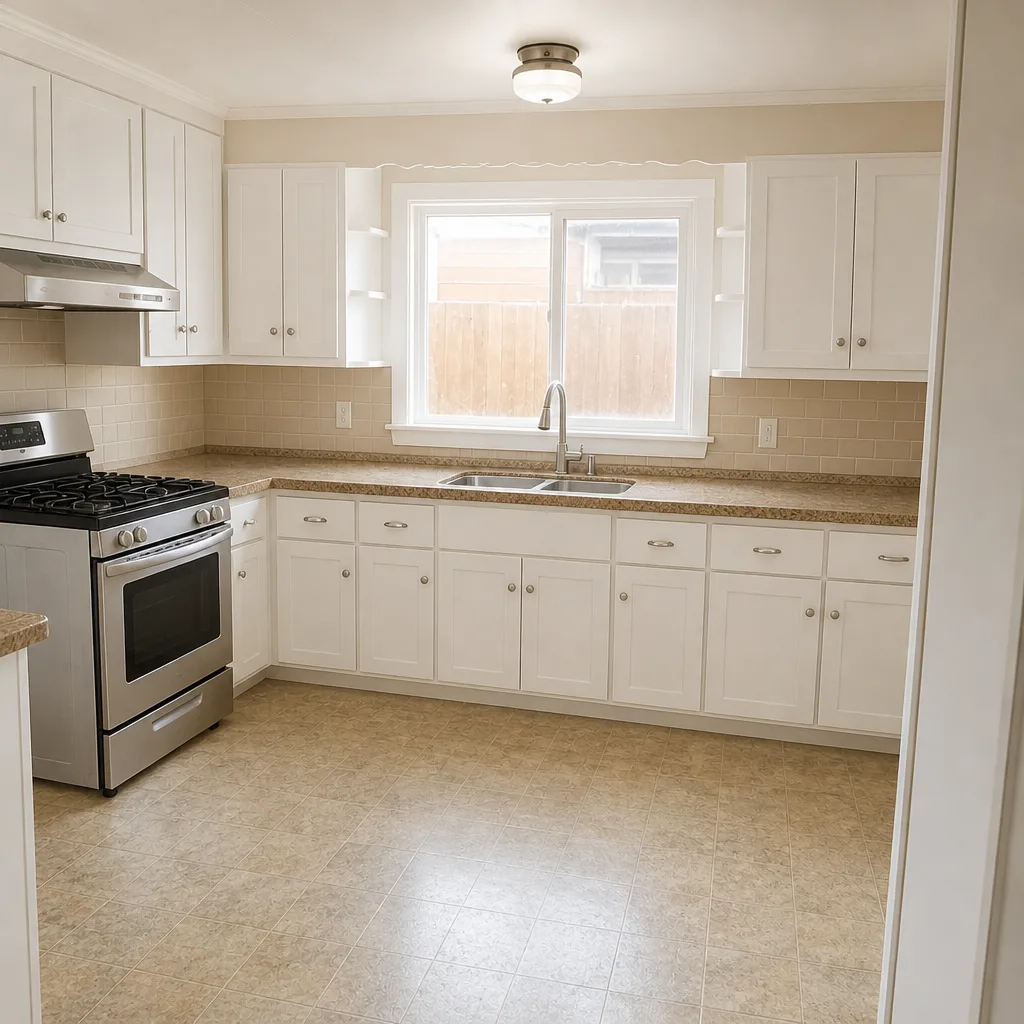 After
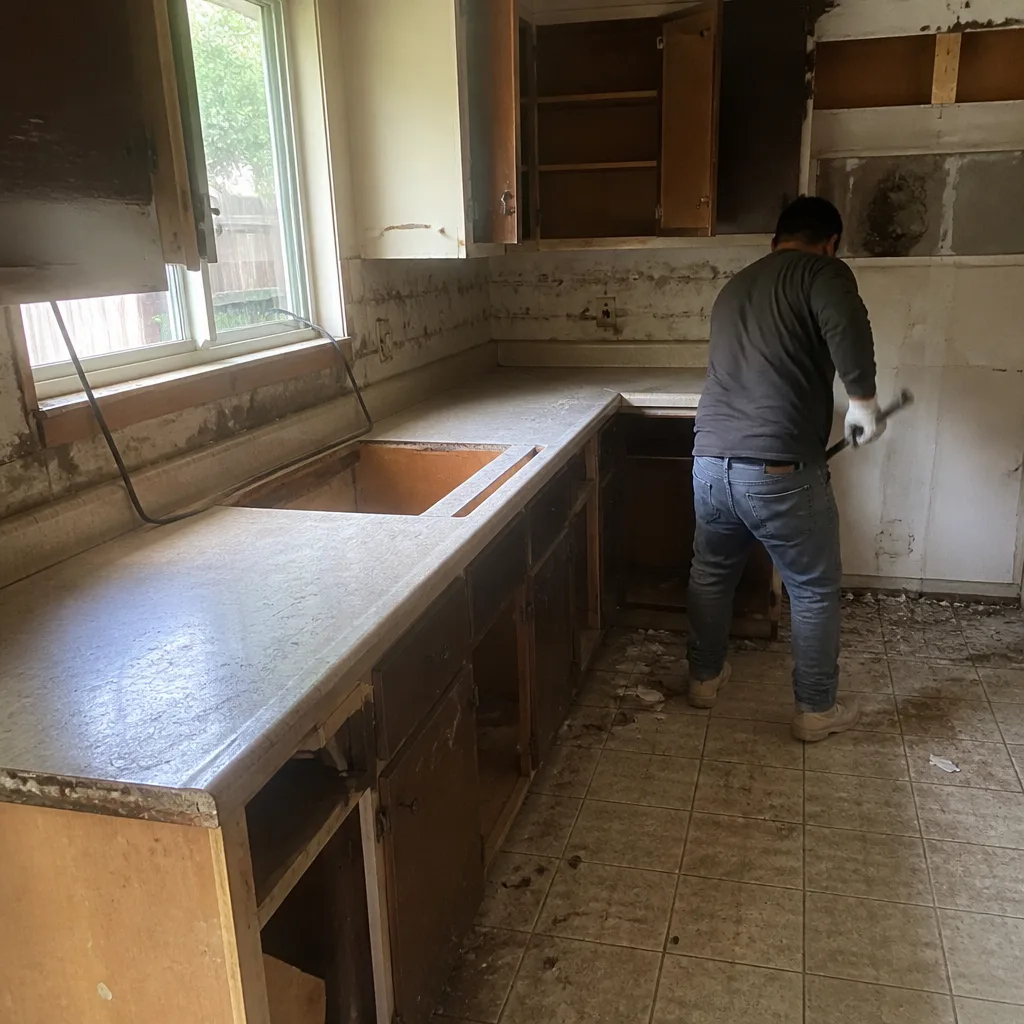 Before
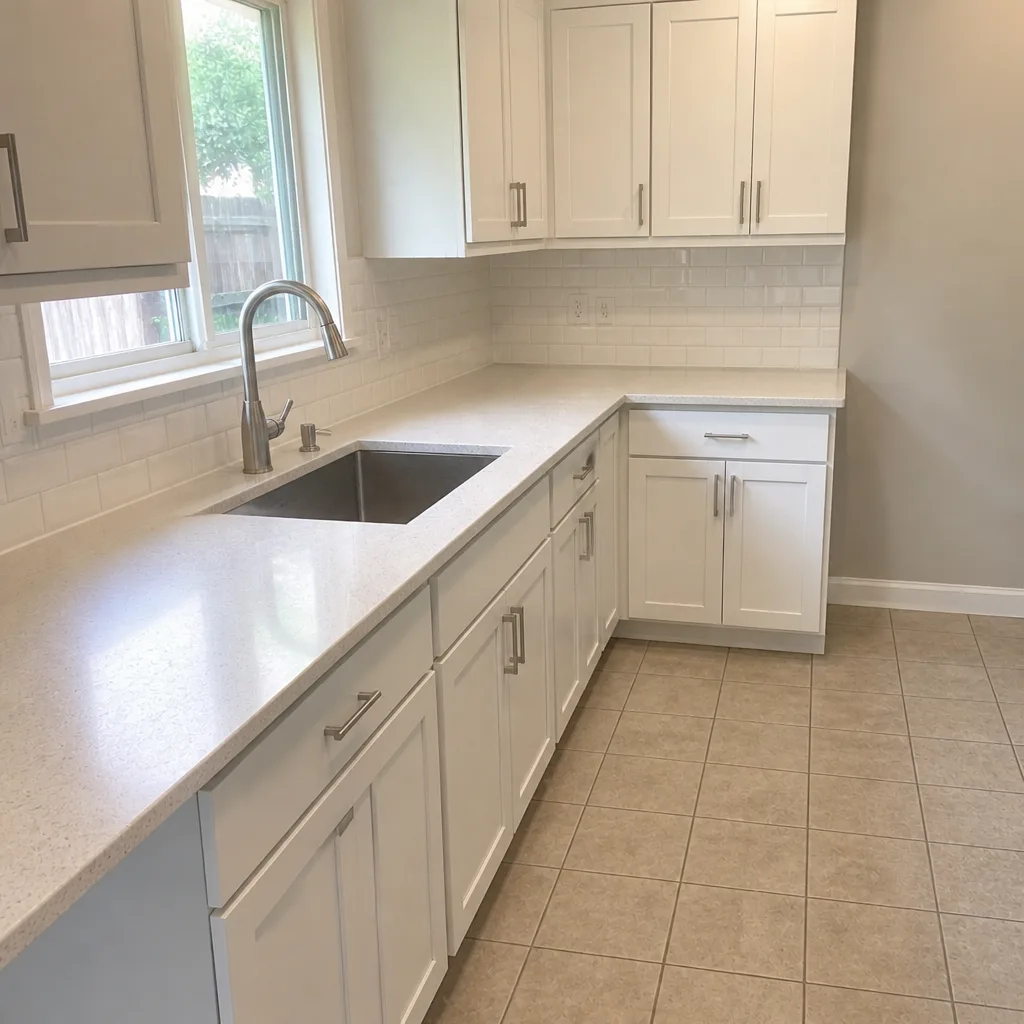 After
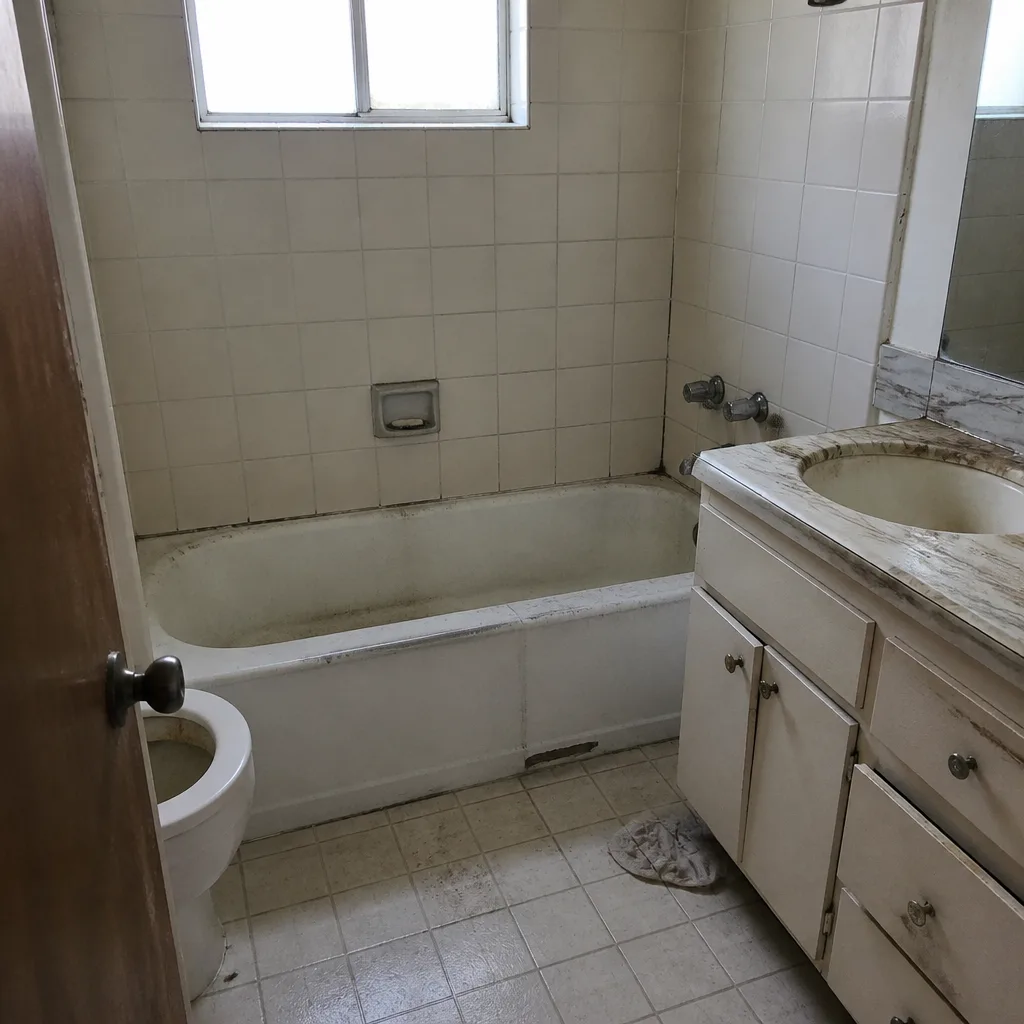 Before
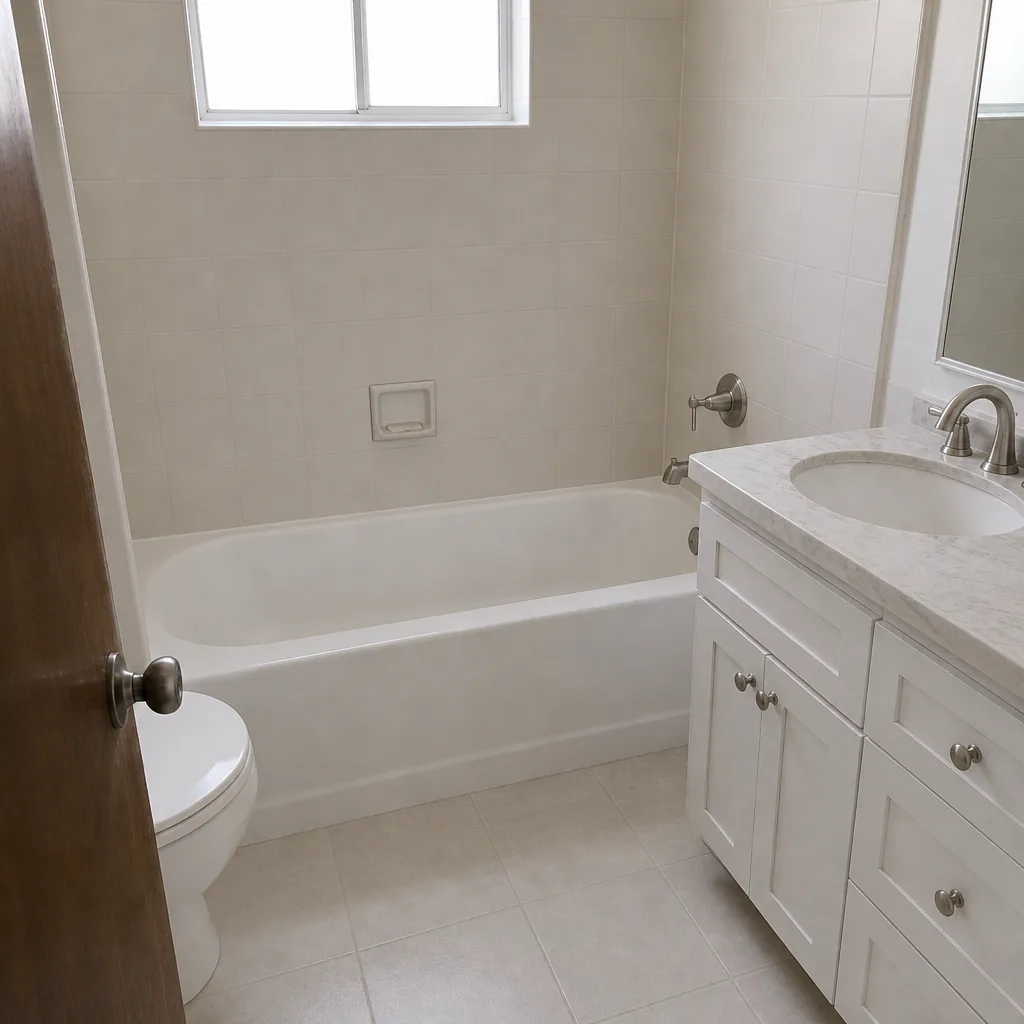 After
When to Call a Professional
Call a licensed, insured contractor before you sign, and call one again the moment you suspect any of these patterns on your job. Specifically: a scheduled inspection that never happens, drywall or roofing going up before rough sign-offs, a lien notice in the mail you can’t connect to a paid invoice, materials on site that don’t match your submittal sheet, or a contractor who’s stopped answering calls while the schedule slips. Any one of these is worth a second set of eyes. On a Santa Ana addition or ADU, the cost of a second opinion is a fraction of the cost of a failed final inspection, an unpermitted structure, or a lien on your title. Barrett & Sons Construction Santa Ana offers free estimates and a free second opinion on any written estimate, and we pull permits and sign inspections on every eligible job because that’s the baseline, not an upgrade. If you’d like an honest read on where your project stands, call (888) 325-4971.
Frequently Asked Questions

You can check the City of Santa Ana’s building division records for your address. The permit number should be posted at the job site and printed on your approved plans, and the public record will show every inspection that’s been scheduled and passed. If your contractor can’t provide a permit number, or says the work is “below the threshold” on an addition or ADU, that’s a red flag. Call (888) 325-4971 for a free permit status review if you’re not sure where to look.
It means a sub or supplier hasn’t been paid for work delivered to your project, and they’re putting you on notice before they record a lien. You should be concerned because the lien attaches to your property, not your contractor’s business. Ask your contractor for lien waivers for each phase and hold the next draw until you have them. If a lien has already been filed, get a contractor’s read on it right away by calling (888) 325-4971.
Not without a written change order, and not if it changes a named brand or a spec in your approved scope. A different brand of window, a downgrade on shingles, or a subspec concrete mix is a scope change, and scope changes in writing are how a reputable contractor handles them. If a delivery shows up that doesn’t match your paper, don’t let it get installed. Call (888) 325-4971 if you need a second opinion on what was delivered.
The most common issues we see are inadequate electrical panels for the added load, ADU placement that conflicts with setbacks on alley-loaded lots, and detached garage conversions that need structural upgrades on the existing slab. Each of those is a permit and inspection matter in Santa Ana, and each one is easier to catch before the concrete goes in than after. Call (888) 325-4971 to schedule a free walkthrough.
Only with a signed change order before the work proceeds, and only for a defined scope change, a real material cost swing, or a hidden condition our team couldn’t see before demo. Every change order states the dollar amount and the schedule impact in writing. No surprise invoices at the end, because an allowance that isn’t on paper is a surprise waiting for a date. Call (888) 325-4971 for a free estimate with line-item written pricing.
An attached or detached ADU in Santa Ana typically runs several months from permit issuance to final inspection, with the schedule driven by plan review, inspection availability, and weather. The sequence matters more than the calendar: foundation, framing, rough trades, insulation, drywall, finish, final. We pull the permits, schedule the inspections, and keep the change order paper trail in front of you the whole way. Call (888) 325-4971 to talk through a realistic timeline for your lot.
The Bottom Line
The contractors who cause the most damage on Santa Ana additions and ADUs aren’t the ones who vanish. They’re the ones who finish, collect, and leave a problem behind that costs more to fix than doing it right would have cost to build. The defense is the same every time. Look up the inspection record yourself. Keep a written scope, written allowances, and written change orders. Ask for lien waivers with every draw. Watch what shows up on the truck. And when a contractor goes quiet, treat that as information. A neighborly contractor who pulls permits, puts price changes in writing, and answers his phone is the only kind worth hiring for an addition. That’s been our standard at Barrett & Sons Construction Santa Ana home from the beginning.
If you’re planning an addition, an ADU, a kitchen, a bath, a roof, or a fence project and you’d like a free estimate with a written line-item quote and a free second opinion on any written estimate you already have, call (888) 325-4971. A live person answers the phone around the clock. We pull permits and sign inspections on every eligible job, we issue a written change order before any price change touches the work, and every completed job is backed by our 90-Day Done Right Promise. Ask about our published offers: $40 off any repair over $200, no trip charge inside the county, and a permanent 10% senior and veteran discount.
Written by the team at Barrett & Sons Construction Santa Ana.