Last updated November 18, 2026
Free written scope consultation - allowances, timeline, and change-order rules on paper before a single trade is scheduled
DIY vs Professional Fence Installation: What’s Safe to Do Yourself
Here’s the part almost nobody tells you before they hand you a shovel: building a fence is the easy half. A first-timer with a level and a weekend can set posts and hang boards straight enough to look good from the street. What sinks most DIY fences isn’t the carpentry. It’s the survey, the permit research, the HOA paperwork, and the conversation with the neighbor that never happened. In Santa Ana, where lots are tight and property lines have been argued over since the 1950s, a fence set 18 inches onto the wrong side of a line is a legal problem you can’t fix with better hammering. This guide walks through what’s genuinely safe to do yourself, what will cost you more than you save, and where a hybrid approach gets you the best of both.
Quick Answer
DIY fence installation is safe to do yourself only when all four of these are true: your property lines are verified by a survey, the lot is flat, the fence is a basic wood privacy style, and your city and HOA already approved the plan. Everything else (shared property lines, sloped yards, retaining-integrated fences, and permit-required heights) is where experienced crews earn their money. The construction is usually the cheapest part of the job; the risk lives in what happens before anyone digs a hole.
Styles & brands we work with
- Kitchen remodeling
- Bathroom remodeling
- Home additions & ADU
- Roofing
- Windows & doors
- Driveway & pavers
- Fence
Table of Contents
- The 4 tasks DIYers skip that cause the most expensive problems
- Which fence types are genuinely DIY-friendly
- Which fence types are not DIY-friendly (and why)
- A realistic cost comparison: DIY vs professional in Santa Ana
- What 811 utility marking does and doesn’t cover
- The hybrid approach: DIY the panels, hire out the footings
- Common mistakes to avoid
- When to call a professional
The 4 Tasks DIYers Skip That Cause the Most Expensive Problems
Every fence failure we’ve walked up on in Santa Ana started before the first post went in. The construction itself is not forgiving of bad planning, but it’s not what bankrupts the project. These four pre-construction tasks are the ones first-timers skip, and each one carries a cost that dwarfs the price of the fence.
- Survey verification. A plat map from the county recorder’s office shows the legal boundary, but it doesn’t show where your fence actually sits today. Only a licensed surveyor can put pins in the ground and give you a defensible line. If your fence crosses your neighbor’s line by a foot, they can require you to remove and rebuild it at your cost. That’s not a carpentry problem. It’s a property law problem.
- Permit research. Santa Ana has a specific fence height code: front-yard fences over 42 inches generally require a permit, and fences on corner lots face additional sight-line restrictions. Skip this step and the city can require the fence to come down after the neighbor complains.
- HOA approval. In the neighborhoods around South Coast Metro and parts of Tustin Avenue, HOA covenants often restrict fence style, color, and height beyond what the city allows. You can pull a permit and still get dinged by the HOA for the wrong picket pattern.
- Utility marking. Call 811 (California’s Underground Service Alert) at least two business days before you dig. It’s free, and it’s the only thing standing between your post-hole digger and the gas line feeding your house.
These four steps take a first-timer two to three weeks of research and phone calls. An experienced crew handles them as routine before the truck ever leaves the yard.
Which Fence Types Are Genuinely DIY-Friendly
Some fences really are weekend projects. Others aren’t, no matter how handy you are with a chop saw. In our experience across Santa Ana’s mix of mid-century ranch homes and newer tract builds, the following styles stay on the DIY-friendly side of the line:
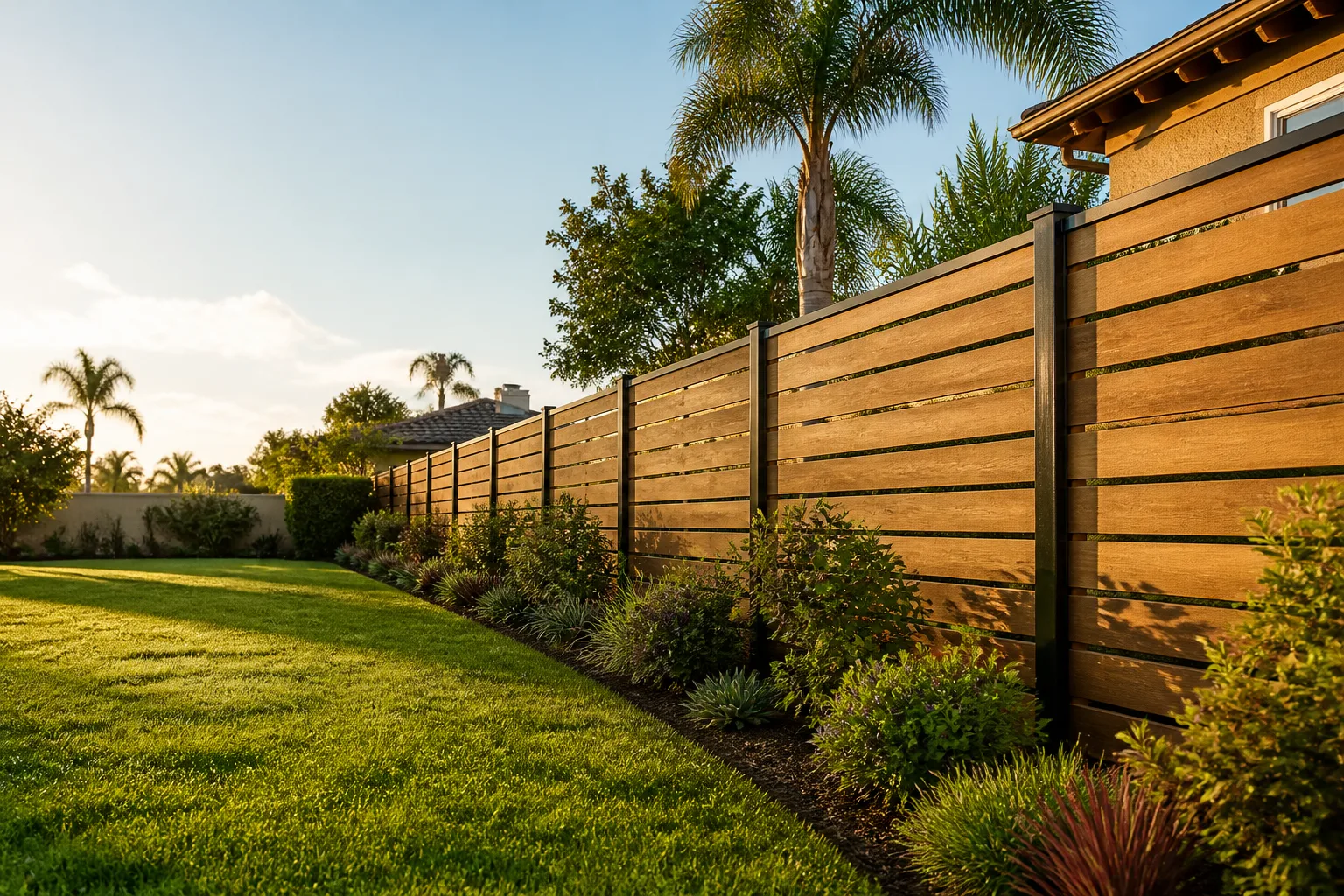
- Basic wood privacy fence (6-foot dog-ear or flat-top cedar or treated pine). Standard post spacing at 8 feet on center, concrete-set posts, two stringers, vertical pickets. This is the classic first-timer fence and the one that most DIYers do successfully.
- Flat lot, straight run, no corners. A straight 40-foot run of privacy fence on level ground is manageable. Introduce a corner, a gate, or a slope and the learning curve steepens fast.
- Known, verified property line. If a recent survey already placed the pins and both neighbors agree on the location, you’ve cleared the biggest hurdle.
- Fence under the permit-trigger height. A 42-inch front-yard decorative picket that doesn’t cross the code threshold skips the permit process entirely.
- No shared-property-line complications. A fence completely inside your own property is a different animal from one that sits on or near the line.
If your project checks all five boxes, a careful homeowner with a helper and a rented auger can build a good-looking fence. If any one of them is off, the risk math changes.
Which Fence Types Are Not DIY-Friendly (And Why)
The fences that most often fail inspection, sink out of level, or end up in a neighbor dispute are the ones that look deceptively similar to the easy ones. These are the styles we recommend a homeowner not tackle alone:
- Shared property line fences. California’s shared-fence rules can make the fence a joint asset with the neighbor. The location, style, and cost split need to be agreed to in writing before anyone digs. A DIY fence set on the wrong side of the line is a legal problem that no amount of skill solves after the fact.
- Sloped lots. A fence on a grade requires step-down construction, stepped stringers, and carefully varied post heights. Get the steps wrong and the panels rack, sag, and fail at the joints within a season.
- Retaining-integrated fences. Any fence acting as or attached to a retaining wall is a structural problem first and a fence problem second. Many retaining walls over 4 feet require engineered plans and a permit in Santa Ana. The fence on top is the cosmetic part.
- Masonry, block, and brick fences. Footings, courses, and structural bonding are not a first-timer’s project. This is where the professional trade skills actually show.
- Anything the HOA restricts or the city requires a permit for, at heights over the code threshold. The permit inspector is going to check footing depth, post spacing, and structural attachment. If the fence fails, you remove and rebuild, often at a higher total cost than professional installation would have carried from the start.
A Realistic Cost Comparison: DIY vs Professional in Santa Ana
The DIY cost is rarely as low as the sticker price on lumber suggests once you add in rented equipment, wasted material, and the value of your weekends. Here’s how the two paths usually shake out on a typical 100-foot wood privacy fence in Santa Ana. These are honest ranges, not quotes, and your actual numbers depend on grade, style, and site conditions.
- Material (wood privacy, 6-foot, 100 linear feet): $1,800-$2,800 for DIY at retail; professional installation typically lands $32-$55 per linear foot installed, which absorbs material, labor, disposal, and warranty.
- Equipment rental (auger, mixer, level, compaction): $150-$400 for a full weekend; add another $100-$250 if you need a second weekend.
- Survey (if not already on file): $400-$800. Professional installers pull from public records and coordinate any needed survey work; DIYers sometimes skip this and sometimes pay for it twice.
- Permit (when triggered): $75-$250 in Santa Ana depending on scope; a failed inspection add $100-$300 for a re-inspection cycle.
- Wasted material from learning curve: plan on 10-15% waste on a first build. A pro crew’s waste is closer to 5% because they’ve cut this fence a hundred times.
- Your weekends: a 100-foot fence is typically a full 3-4 weekend project for a first-timer. Professional crews usually complete the same run in 2-3 working days.
Add it all up and the “DIY savings” on a 100-foot fence is often $600-$1,200 versus handing it to a professional. That’s real money, but it shrinks fast if you need a re-inspection, re-do a footing, or replace a panel because the slope was miscalculated. When we quote a fence, every number gets written down before any work starts – if you’ve seen a fence installation in Santa Ana quote from us, you know the line items don’t move after the fact.
What 811 Utility Marking Does and Doesn’t Cover
Calling 811 before you dig is not optional, even for a fence post that only goes 24 inches deep. The service is free, and it’s the only reliable way to learn where the underground utilities crossing your yard actually sit. Here’s what it does and doesn’t cover:
- What 811 covers: It notifies the local utilities (gas, electric, water, telecom, and sewer) to mark their buried lines on your property within two business days. In Santa Ana, call 811 at least 72 hours ahead to give the marking crews room to schedule.
- What 811 doesn’t cover: Private lines on your side of the meter. Landscape irrigation, pool equipment feeds, yard lighting, sewer laterals from the house, and any line you or a previous owner buried. You have to find those yourself or hire a private locator.
- What happens if you skip it: Striking a gas line is a serious emergency. Striking a water main or electrical feed can cost thousands in repair and can hurt you badly. Post-hole diggers and augers hit these more often than people believe, and the repairs are not covered by homeowners insurance in most cases where the digging was avoidable.
Marking is the cheapest insurance on the whole project. In our experience, the majority of near-misses on fence jobs come from private lines that 811 never marks, not from city or utility lines that it does.
The Hybrid Approach: DIY the Panels, Hire Out the Footings
For a homeowner who wants sweat equity in the project but doesn’t want the legal risk, the hybrid approach is the sweet spot. The reason is simple: the footing work is what determines whether the fence lasts 20 years or 8, and it’s also the step where mistakes are most expensive. Panels and finishing are visible and forgiving. Footings and post-setting are neither.
Here’s how a sensible hybrid usually runs:
- You handle the research phase. Pull the plat map, call 811, verify HOA covenants, and secure the survey if needed. This is knowledge work, and you can absolutely do it yourself.
- You hire out the post-setting. A professional crew takes over for the layout, augering, concrete footings, and post-setting to the correct depth and plumb. They set the standard; everything else hangs off their work.
- You wait 48-72 hours for the concrete to cure. This is non-negotiable. A post isn’t ready for stringers until the concrete has hardened.
- You install stringers and pickets. With reliable, plumb posts and a level line established, the panel work is genuinely doable for a first-timer. This is the part you can take real pride in.
- You handle the gate, finishing, and stain. Gate hangs are the fussiest part of the visible work; brace, hinge, and set the latch yourself if you enjoy the fine finicky end of finish carpentry.
When we quote the post-setting portion as a standalone scope, the cost usually lands at $18-$28 per post including concrete and disposal. For a 13-post run, that’s roughly $250-$360 to eliminate the majority of the structural risk. The math holds up. The same principle applies on other hard-to-undo scopes in Santa Ana – the driveway and pavers work in Santa Ana we handle is the same story, where base prep is 80% of the longevity and most of the cost.
Common Mistakes to Avoid
- Skipping the survey because the fence “looks like it’s on the line.” It rarely is. A 12-inch encroachment onto a neighbor’s property in Santa Ana can be legally required to come down at your expense, and the neighbor might not raise it for years.
- Ignoring HOA covenants until after the fence is up. Some Santa Ana HOA boards require specific styles or colors, and a post-install rejection letter means paint or replacement at your cost.
- Setting posts in soil without concrete on a slope. The post will migrate downhill within a season. Sloped-lot fences need concrete and, often, a step-down design that most DIYers won’t draw correctly.
- Forgetting 811 for a “shallow” fence. A 24-inch post hole still finds the gas line more often than you’d expect, and the repair bill lands on you.
- Using the wrong treated lumber grade for the climate zone. Santa Ana’s dry summers and cool coastal nights make cheap untreated pine a short-lived choice. Ground-contact rated pressure treatment is the floor, not the ceiling.
- Hanging the gate before the posts are cured. A gate hung within 24 hours will settle unevenly, sag, and require re-hanging. Wait the full cure time.
- Fencing in the neighbor’s fence. If a shared-line fence is on your neighbor’s property and you build a second one against it, you can end up liable for the shared-line cost and the neighbor’s approval, not just your own scope. Talk to them first, in writing.
See the difference
 Before
 After
 Before
 After
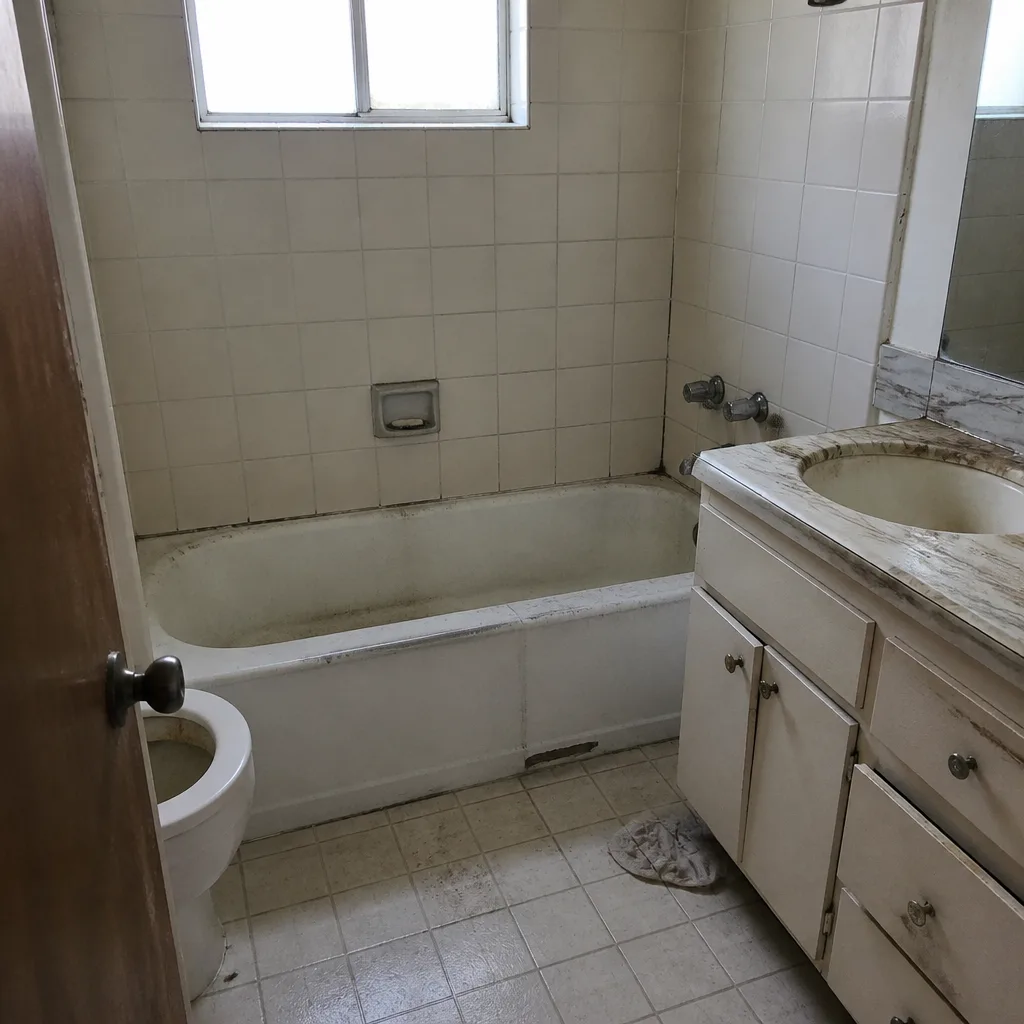 Before
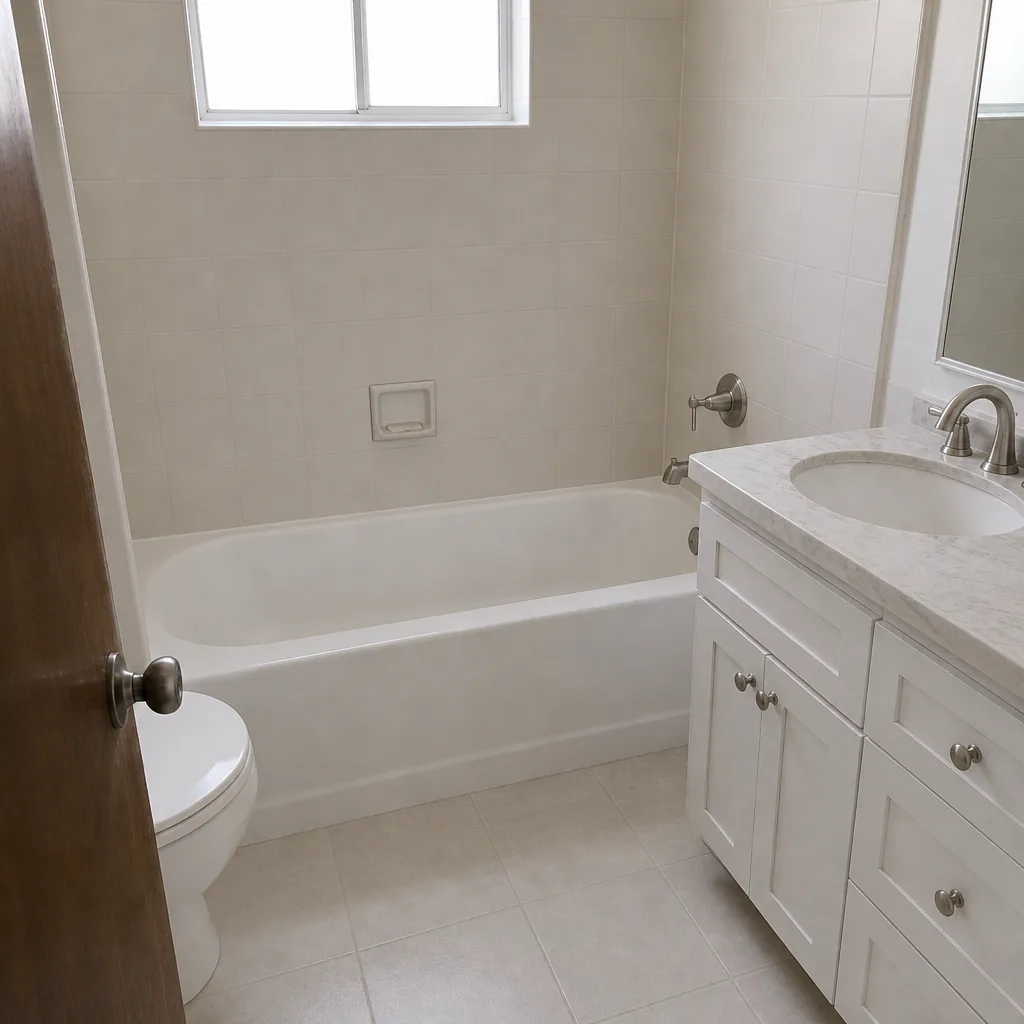 After
When to Call a Professional
Call a professional when any of the following is true: your property line isn’t verified by a recent survey, the fence is a shared-property-line build, the yard has any slope or retaining requirement, the fence height crosses your city’s permit threshold, or your HOA has rules you haven’t fully read. Also consider professional help when the fence style is masonry, block, or brick, when posts will be set in soil where the access is tight, or when the project needs to be complete on a schedule (a sale, a pool safety requirement, a dog that needs containing). For a straight-run wood privacy fence on a verified, flat lot, DIY is genuinely reasonable. For everything else, the risk math flips quickly. Barrett & Sons Construction Santa Ana offers free estimates in Santa Ana – call (888) 325-4971 and we’ll walk the property with you and tell you honestly what you can do yourself.
Frequently Asked Questions
Yes, if the fence is a basic wood privacy style on a flat, verified lot under the permit-trigger height. The property line must be confirmed by a survey, 811 must be called, and HOA rules must be checked first. If any of those is in question, professional help is the safer path.
Often, yes. Front-yard fences over 42 inches and any fence on a corner lot generally require a permit from the City of Santa Ana, and the permit triggers a site inspection. Skip the permit and the city can require removal after a complaint. Call (888) 325-4971 for a free estimate on a permitted install.
The neighbor can legally require you to remove it at your expense, regardless of how well it was built. California property law treats encroachment as a property rights issue, not a construction issue. A licensed surveyor or professional fence crew verifies the line before any digging, and that verification is the only real protection.
Yes. 811 is free and required in California before any ground disturbance, even a 24-inch post hole. It marks utility lines within two to three business days, but it does not mark private lines on your side of the meter (irrigation, pool feeds, yard lighting, and sewer laterals). Those need a private locator or a careful walk of the yard.
A standard 6-foot wood privacy fence in Santa Ana typically lands in the $32-$55 per linear foot range installed, which includes material, labor, disposal, and warranty. A 100-foot run comes out to roughly $3,200-$5,500 depending on style and site conditions. That’s the honest math against a DIY build that carries $2,500-$4,000 in direct cost once you add survey, permit, and material waste. Call for a written line-item quote.
Yes, and this is often the smartest split. Professional post-setting runs roughly $18-$28 per post and eliminates the structural risk, while the panel and finish work is well within reach of a careful homeowner once the posts are plumb and the concrete has cured. This hybrid approach saves real money without giving up the parts of the job that matter most.
Yes, a licensed professional pulls the fence permit and schedules the inspection. When we install a fence in Santa Ana, every permit is pulled and every inspection is signed before we call the job done. The permit inspector works for you, not for us – that’s the whole point of having one.
The Bottom Line
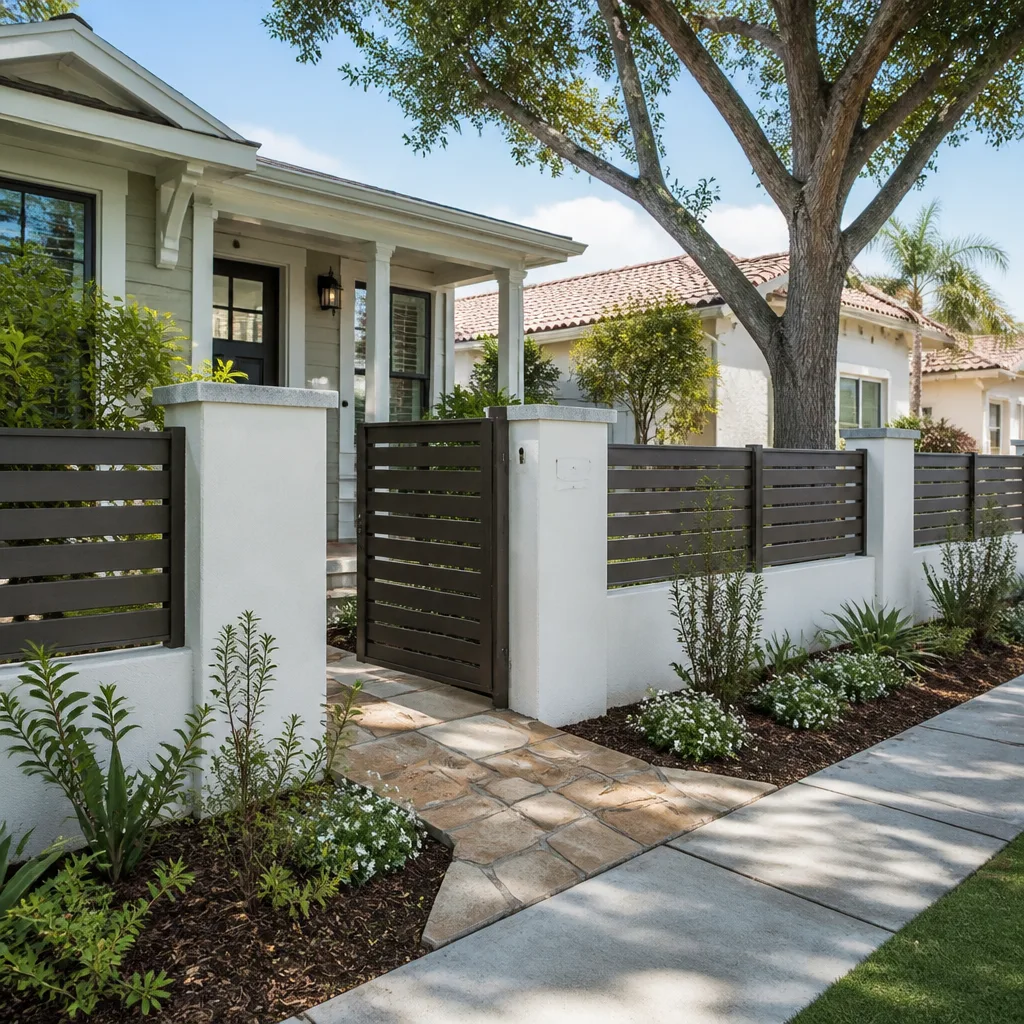
You can build a fence yourself. Plenty of careful homeowners do, and some of them do it well. The honest question isn’t whether you can set a post and hang a picket; it’s whether you want to own the survey, the permit, the HOA paperwork, and the neighbor conversation that protect the whole build. If all four of those are clean and verified, DIY on a basic wood fence is reasonable. If any one of them isn’t, the savings evaporate the first time a surveyor, an inspector, or a neighbor gets involved. For everything beyond a straight-run wood privacy fence on a flat, verified lot, and for any fence in Santa Ana where a shared line, slope, or permit is in play, the professional path is the safer one.
If you’re ready to talk through your fence in Santa Ana, or just want a second opinion on a DIY plan you’ve already drawn up, call us at (888) 325-4971. Barrett & Sons Construction Santa Ana offers free estimates, and we’ll walk the property with you and tell you straight what you can do yourself and where the professional scope actually protects you. Every scope, every allowance, and every price change goes in writing before any work starts. That’s the only way we know how to do it – and if something isn’t done right, the 90-Day Done Right Promise puts us back on the job.
Written by the team at Barrett & Sons Construction Santa Ana.