Last updated November 18, 2026






Free written scope consultation - allowances, timeline, and change-order rules on paper before a single trade is scheduled
DIY vs Professional Construction: The Santa Ana Homeowner’s Decision Guide
In California, you can legally pull your own permits and do your own electrical, plumbing, and even structural work on the home you live in. That’s the owner-builder exemption, and it’s real. But here’s the part that surprises people in Santa Ana: if you sell within a few years and unpermitted work turns up during a buyer’s inspection, the repair bill and the disclosure fight at the closing table routinely cost more than you saved by doing it yourself. This guide draws the actual line – which jobs are Saturday-safe, which need a permit and an inspection, and which ones legally require a licensed contractor.
Quick Answer
The DIY-versus-hire call in Santa Ana comes down to three questions: does the job require a permit, does a manufacturer warranty require licensed installation, and will you sell this house before the work would pass an inspection? Painting, cabinet hardware, and minor landscaping are genuinely DIY-safe. Roofing, panel upgrades, waterproofing, and anything structural are jobs where a permit and a licensed contractor protect your equity more than the labor savings ever will. When in doubt, a free second opinion on a written estimate is cheaper than a do-over.
Styles & brands we work with
- Kitchen remodeling
- Bathroom remodeling
- Home additions & ADU
- Roofing
- Windows & doors
- Driveway & pavers
- Fence
Table of Contents
- The California Owner-Builder Exemption, Explained
- The Three Categories: DIY-Safe, Permit-But-DIY, and Licensed Only
- The Santa Ana Resale Disclosure Risk Nobody Warns You About
- What “Warranty Void” Actually Means in Practice
- The Real Cost Comparison: Run These Numbers First
- Where a Local Contractor Is the Right Call Even on Small Jobs
- Santa Ana Climate, Codes, and Neighborhood Realities
- A Step-by-Step Way to Decide on Any Project
The California Owner-Builder Exemption, Explained
California allows a homeowner to act as their own general contractor on their primary residence. That means you can apply for permits in your own name, hire sub-trades, and do the work yourself if you’re capable. You don’t need a contractor’s license to build on the home you live in. What surprises people is how narrow that exemption actually is once you read the fine print.
Here’s what the owner-builder exemption actually covers and what it doesn’t:
- Covered: Single-family homes you occupy as your primary residence. You can pull permits, do the labor, and be inspected like anyone else.
- Covered: You can hire licensed subs for trades you don’t want to touch and act as the coordinator.
- Not covered: Rental properties and any property you don’t live in. The exemption is tied to occupancy, not ownership.
- Not covered: New construction on land you don’t occupy. Different rules apply.
- Not covered: The resale disclosure. If you acted as owner-builder and sell, you may need to disclose that status in writing to the buyer.
In Santa Ana, the Community Development department issues owner-builder permits regularly. The permit process itself isn’t the hard part. The hard part is what happens when the work isn’t inspected properly or the disclosure paperwork surprises you at the closing table. That’s the part most homeowners learn about too late.
The Three Categories: DIY-Safe, Permit-But-DIY, and Licensed Only
Not every project belongs in the same bucket. Sorting your list into these three categories before you pick up a tool is the single most useful thing you can do. We’ve watched homeowners skip this step and waste a weekend on a job that should have been a phone call, and we’ve watched them try to tackle something that ends with a red tag on the door.
Category 1: Genuinely DIY-Safe in Santa Ana
- Interior painting on drywall and wood trim
- Cabinet hardware, drawer pulls, and shelf installation
- Minor landscaping, planting, and irrigation drip-line replacement
- Fence staining and repair of pickets (not replacement of posts)
- Pressure-washing driveways and exterior walkways
- Swapping out light fixture covers and updating bulb trim
- Caulking around tile and any cabinetry trim
These jobs don’t require permits in Santa Ana, and a mistake doesn’t void a warranty or put a future sale at risk.
Category 2: Permit Required, But You Can DIY With Inspection
- Fence replacement with new footings on or near a property line
- Replacing pavers over a new base on existing driveways
- Adding a small patio or hardscape area under the threshold
- Replacing kitchen countertops where plumbing or gas is reconnected
- Basic re-roofing of a small shed or permitted accessory structure
These are jobs where the work itself might be within your skill set, but the permit and inspection are what make the finished product legitimate. The permit fee is small. The protection is not.
Category 3: Legally Requires (or Effectively Requires) a Licensed Contractor
- Any change to the electrical panel or main service
- Gas line work of any kind
- Structural work: load-bearing walls, beams, foundations
- Roof replacement on the primary home
- Waterproofing on showers and any wet-area tile
- HVAC installation and ductwork changes
- Window and door replacement on a primary residence where structural openings change
- Garage door spring and cable replacement, always
The garage door line deserves special note. High-tension springs and cables cause serious injury every year, and no weekend guide makes that work safe. Same for panel work and gas. These aren’t “know your limits” jobs – they’re jobs where the wrong move is a hospital visit.
The Santa Ana Resale Disclosure Risk Nobody Warns You About
Here’s the scenario we see time and again in Santa Ana. A homeowner adds a patio cover or converts a garage without pulling the permit, because the work looked fine and the fee felt like a tax. Five years later, they’re in escrow and the buyer’s inspector finds unpermitted construction. The deal doesn’t automatically die, but three things happen at once:
- The buyer asks for a credit or a price reduction to cover permitting retroactively.
- The lender may require the work to be legalized before funds are released.
- The seller’s disclosure now has to document what wasn’t permitted, which invites more scrutiny.
In our experience helping Santa Ana homeowners sort this out, the retrofit permit plus the inspector’s re-inspection plus the repair of anything that fails adds up fast. Add buyer concessions on top and the total routinely lands north of what a professional install would have cost from the start.
California’s disclosure rules require the seller to tell the buyer about anything material they know, including non-permitted work. When that work surfaces on inspection, the buyer’s agent has every incentive to press. The permit inspector works for you, not against you. That’s why we pull permits on every eligible job – it protects the homeowner’s equity years after the last nail goes in.
What “Warranty Void” Actually Means in Practice
Manufacturer warranties on roofing, waterproofing, windows, and HVAC are contracts. They aren’t vague promises. Most of them include a licensed-installation clause. Read the fine print on a GAF or CertainTeed roofing system and you’ll find clear language that the system warranty requires installation by a contractor recognized by the manufacturer. Same with shower waterproofing membranes and high-efficiency HVAC equipment.
That clause does two things for you:
- It transfers the risk of material failure off your checkbook and onto the manufacturer, but only if the install was done by the book.
- It kills the claim when you install it yourself or hire an unlicensed helper.
When a Santa Ana homeowner installs a shower pan without a proper membrane, the tile may look perfect for two years. Then the grout cracks and water gets behind the wall. That’s when the warranty question suddenly matters, and the answer is usually “sorry, no coverage” if the install wasn’t licensed. The same math applies to a roof installed by a friend for cash. A full roofing system warranty can be the difference between a repair under warranty and a tear-off on your dime.
The Real Cost Comparison: Run These Numbers First
The mistake most homeowners make is comparing a contractor’s bid against the price of materials. That’s not the real comparison. Here’s the actual methodology, and we walk Santa Ana customers through it before they decide either way.
- Get the written bid. Include labor, materials, permits, disposal, and any allowances. Ask for a second opinion on any written estimate if you want a sanity check.
- Add up your material cost. Use real prices, not the cheapest thing on the shelf. Premium brands cost more, and they’re worth it for the years they last.
- Add permit fees. In Santa Ana these vary by scope but are almost never zero for work that needs one.
- Add tool rental or purchase. Nailers, tile saws, roofing harnesses, ladders – the list gets long.
- Add your time at a real hourly rate. If a job is 40 hours and your time is worth $80 an hour, the labor savings vanish quickly.
- Add the do-over probability. For a first-time tile job or a roofing replacement, assume a 20 to 40 percent chance of a redo. If the redo is a professional call, you’ve now paid twice.
- Add resale risk. If the work needed a permit and didn’t get one, add the retrofit number, plus whatever the buyer negotiates off your price.
When you run the whole ledger, the gap between a professional bid and DIY narrows more than most people expect. Sometimes DIY wins clearly. Sometimes it doesn’t come close. The ledger tells you which.
Where a Local Contractor Is the Right Call Even on Small Jobs
On a small job, the value of a local contractor isn’t always the skill. It’s the advice. A contractor who’s going to see you at the hardware store next Saturday has a strong reason to tell you the truth about what’s worth doing and what isn’t. That’s different from a call center, and it’s different from a national outfit working a script.
We’ve told Santa Ana homeowners to skip projects that weren’t worth their money and to save for the ones that were. A handyman who tells you the front porch beam has rot so bad it needs a structural fix is doing you a favor. So is one who says the fence has three good years left if you replace six pickets this fall. That’s not upselling. That’s the relationship. When you’re weighing whether a starter countertop is worth it before a kitchen remodel, or whether an ADU sketch should be a real plan, a local contractor who answers their own phone can save you a costly mistake.
Whether you’re mapping out a full kitchen refresh with KraftMaid and Cambria, a GAF or CertainTeed roof, or a Belgard paver patio, the small advisory conversation ahead of time is worth having. And if you need a broader view of what a project looks like, our team can walk you through Barrett & Sons Construction Santa Ana home services without a hard sell.
Santa Ana Climate, Codes, and Neighborhood Realities
Santa Ana’s climate affects which projects hold up and which degrade fast. The dry heat and the Santa Ana winds that sweep through the canyons every fall are hard on roofs, exterior paint, and fences. We regularly see coastal-side and inland-side homes fail differently based on sun exposure and wind. A south-facing fence in Santa Ana can look sun-bleached and warped in five years while the shaded fence around the corner still looks new. Roofs near the canyon winds lose shingles and ridge caps first. These are the details that determine whether a material choice will hold.
The permitting side matters too. Santa Ana’s Community Development department has its own schedule and its own stack of overlays, especially in historic districts. Doing your homework on the specific neighborhood matters. The city has historic-district requirements that can affect window and door replacements and exterior changes. That’s a step most weekend plans don’t account for.
Areas like Floral Park, Washington Square, and Lacy have homes from the early 1900s with original framing and old wiring behind the plaster. What looks like a simple cabinet swap can turn into a partial rough-in once you open the wall. That’s not a reason to skip the work. It’s a reason to plan for what’s under the surface.
A Step-by-Step Way to Decide on Any Project
Here’s the checklist we walk through with Santa Ana homeowners who can’t decide whether to DIY or hire. It works on anything from a kitchen refresh to a driveway, a fence, an addition, or a full roof.
- Does it need a permit? If yes, the work is not “just a weekend.” It requires a plan, an inspection, and someone accountable for it passing.
- Does a manufacturer warranty require licensed installation? Check the product documentation. GAF, CertainTeed, and most window makers put it in writing.
- Does it touch electrical, gas, structural, or the roof? If yes, hire licensed. Those are the categories that hurt people and cancel coverage.
- What’s the real ledger cost of DIY? Materials plus permits plus tools plus your time plus a 20 to 40 percent do-over buffer.
- What’s the resale risk? If you might sell in five years and the work needs a permit, the retrofit cost belongs in the ledger too.
- What’s the local advisory value? A five-minute call to a contractor who sees you on the street can kill a bad plan before you spend money on it.
Two of those answers will usually settle the question.
Common Mistakes to Avoid
- Pulling a permit and then skipping the inspection. The permit is worthless without the signed inspection, and in Santa Ana the city will find out when you try to close one out at resale.
- Trusting a cash bid with no written scope. An allowance that isn’t on paper is a surprise waiting for a date. Get every scope and every allowance in writing before any work starts.
- Assuming “warranty” covers everything. Most roofing and waterproofing warranties require licensed installation. Read the fine print before you decide to DIY the install.
- Skipping the Santa Ana historic overlay check. A window replacement in Floral Park may need an extra approval. That’s a mistake that costs weeks.
- Buying materials before checking the tool list. A roofing job with the wrong nailer and no harness is a false economy and a real safety risk.
- Hiring the first name in a search ad. The last contractor most customers used told them permits were optional. That’s a red flag worth respecting.
- Not asking about change orders up front. National outfits are famous for the low quote and the high invoice. A contractor who puts every price change in writing is telling you something about how they’ll behave.
See the difference
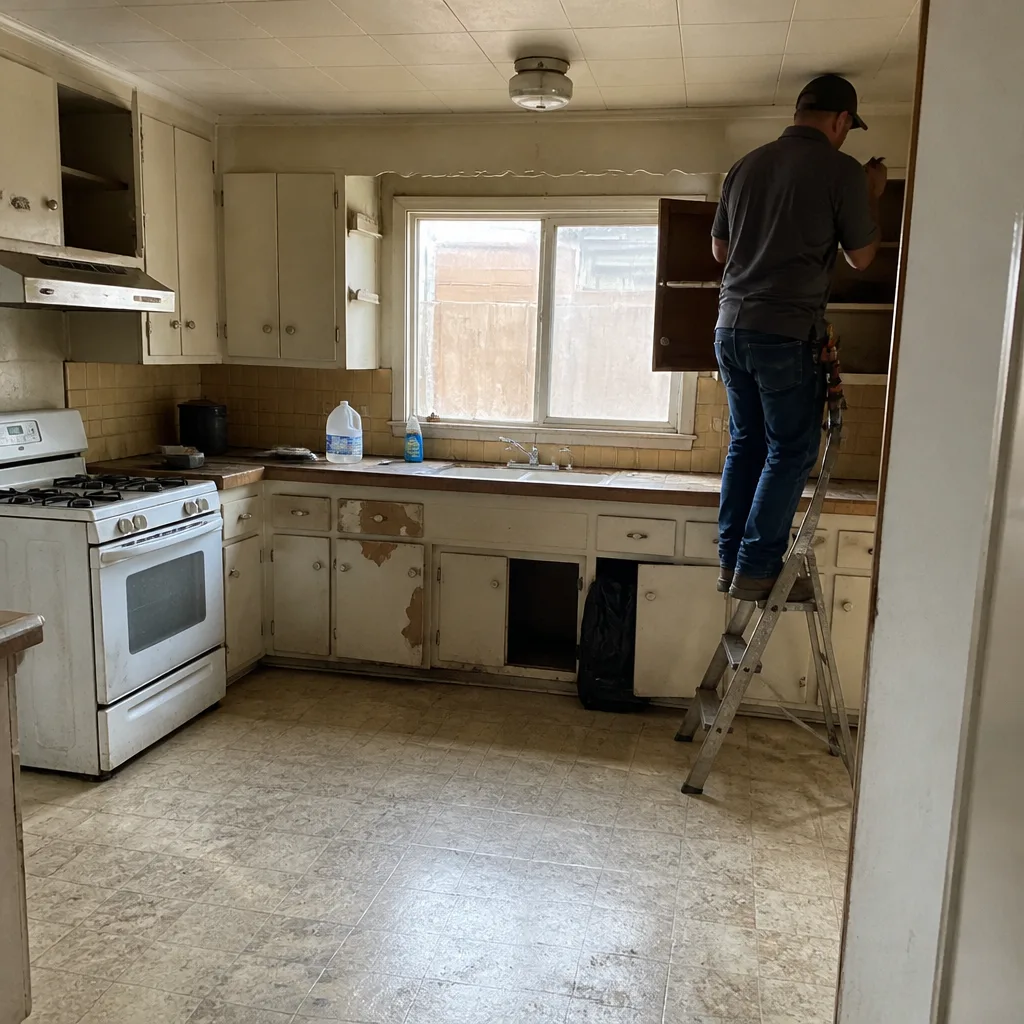 Before
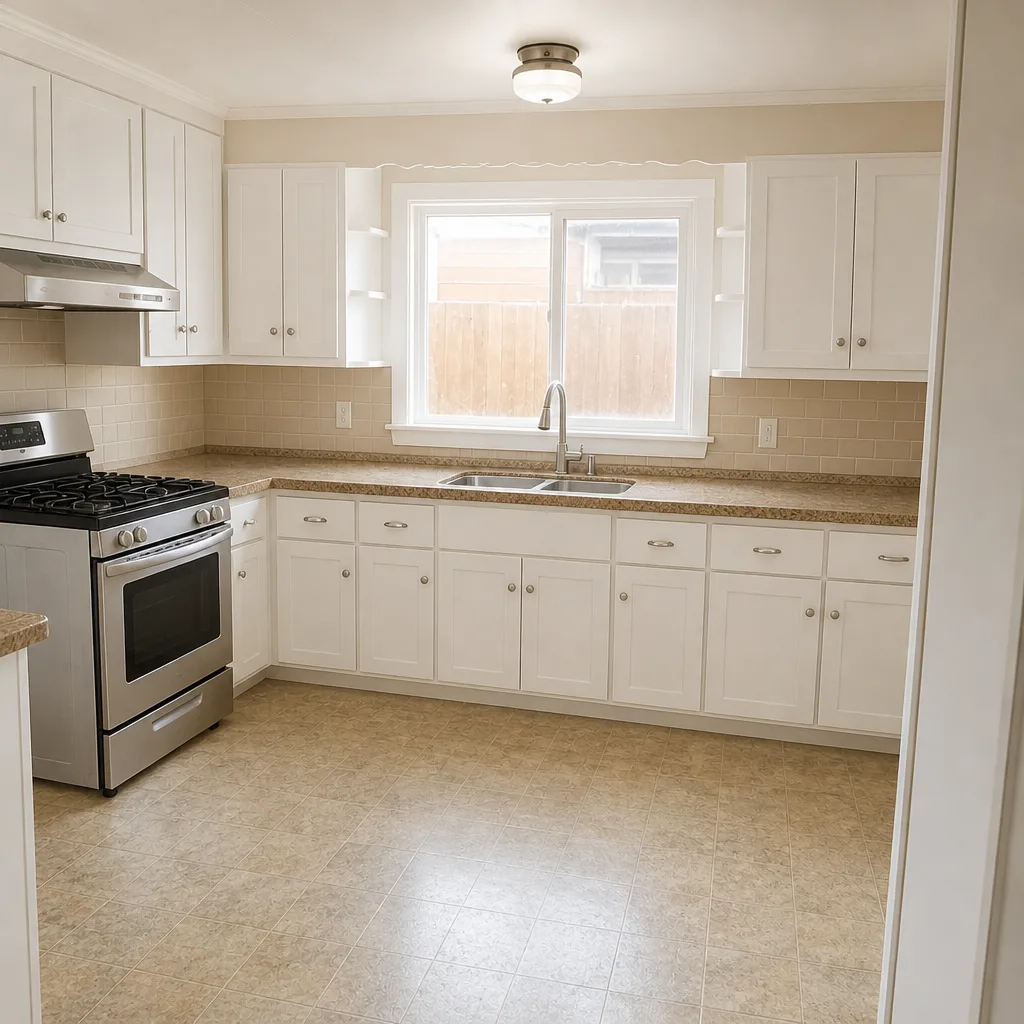 After
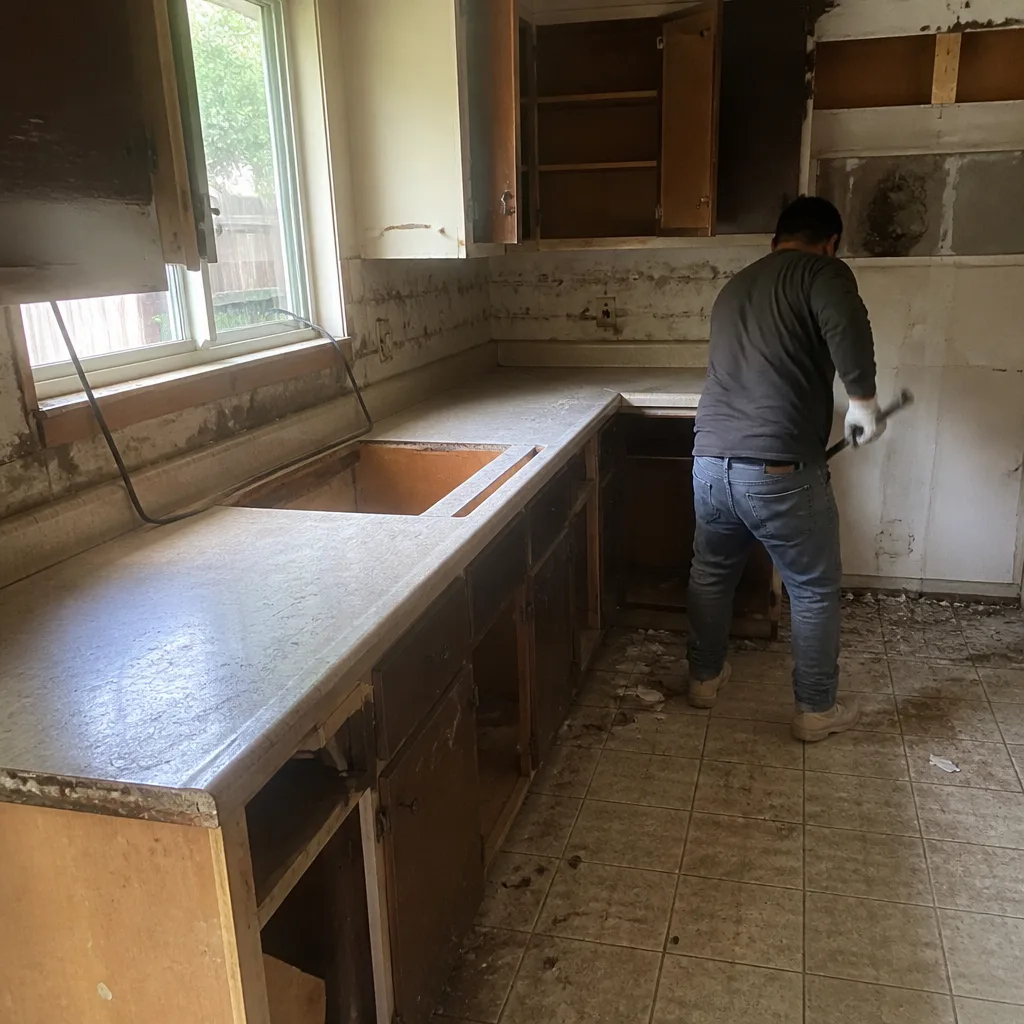 Before
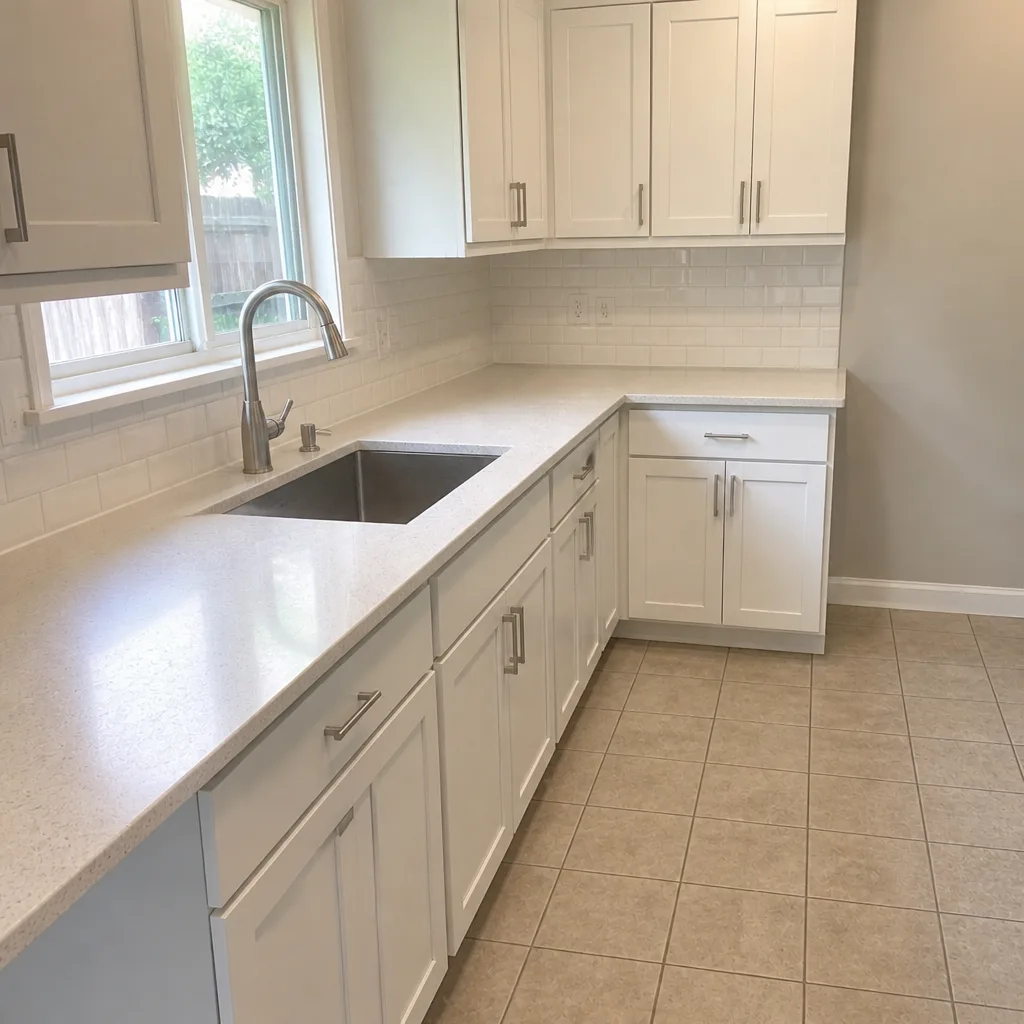 After
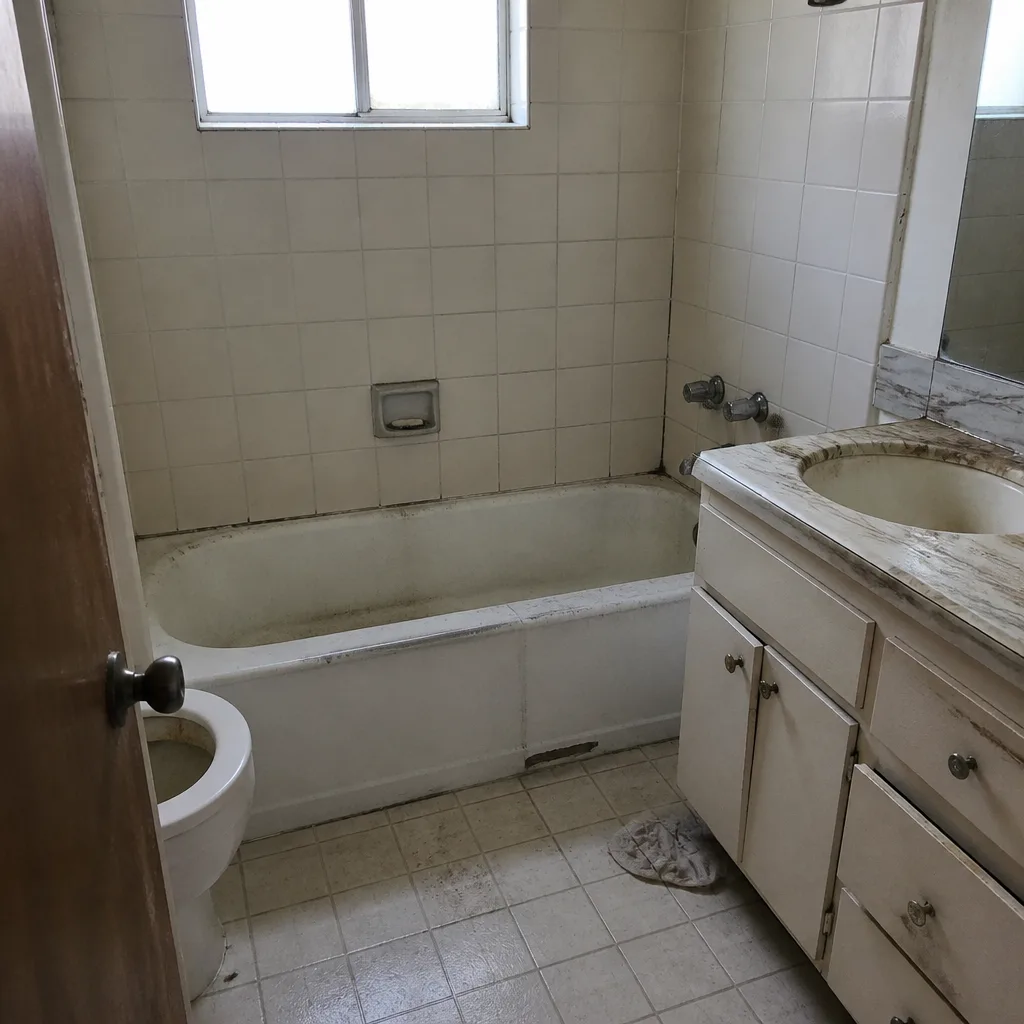 Before
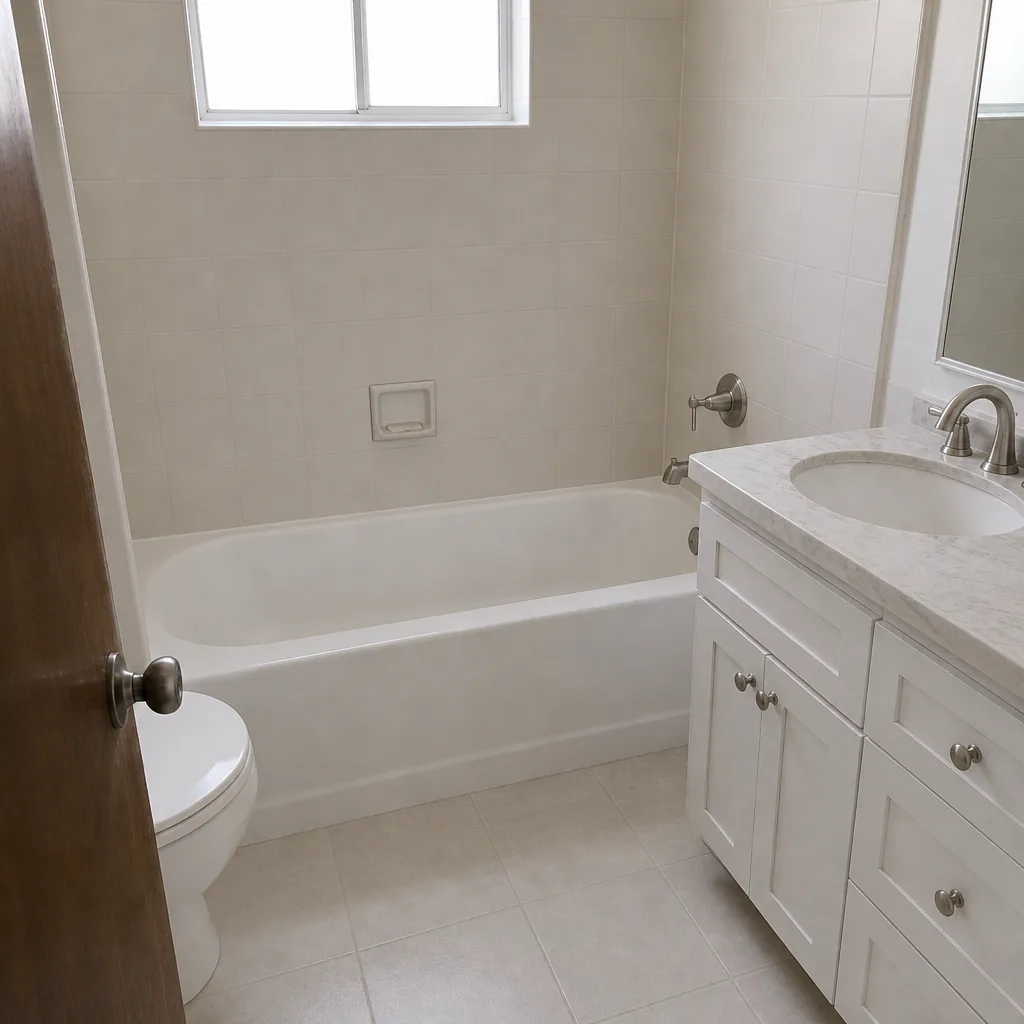 After
When to Call a Professional
Call a licensed professional the moment a project touches the electrical panel, gas, structural framing, roofing, garage door springs, or waterproofing. Those are the categories where the work either requires a license, requires a permit, or can seriously hurt someone. Call a professional when a manufacturer warranty requires licensed installation – a GAF or CertainTeed roof, a high-efficiency HVAC system, or any waterproofing system that comes with a warranty. And call when the resale ledger is close, because a written change order, a pulled permit, and a signed inspection protect your equity more than the labor savings ever will. If you’re comparing your own plan against a contractor’s bid, a free second opinion on the written estimate is often the cheapest hour of your project. Barrett & Sons Construction Santa Ana offers free estimates in Santa Ana – call (888) 325-4971.
Frequently Asked Questions

Yes, on the home you live in as your primary residence, under California’s owner-builder exemption, you can pull a permit and do the work yourself, and it will be inspected like anyone else’s. That said, panel work and service upgrades are the one category we don’t recommend for DIY. The shock hazard is real, and a mistake can void insurance coverage on a fire claim. For anything beyond swapping a light cover or outlet, hire a licensed electrician and keep the permit.
Yes, if it surfaces during the buyer’s inspection, and it usually does. California requires sellers to disclose material issues, including non-permitted work. The buyer can demand a credit, and the lender may require the work to be legalized before closing. The retrofit permit plus inspection plus repairs typically costs more than permitting it correctly the first time. Call (888) 325-4971 if you want an honest read on a current project.
On most major roofing systems, yes. GAF, CertainTeed, and other manufacturers require installation by a recognized contractor for the system warranty to apply. If a DIY roof fails at year three, the material coverage may not apply. The savings from a weekend install can be erased by a single repair. A written bid from a licensed roofer usually comes with a materials warranty that follows the home.
Interior painting, cabinet hardware, minor landscaping, drip irrigation, fence staining, and pressure-washing are all genuinely DIY-safe and don’t require permits in Santa Ana. If the job involves electrical, gas, structural, roofing, or waterproofing, the safety and resale math changes. When in doubt, call for a free second opinion on any written estimate before you spend the weekend.
Add materials, permit fees, tool rental, your hourly time, a 20 to 40 percent do-over buffer, and any resale risk from unpermitted work. Then compare that number to the written bid, which already includes labor, permits, disposal, and any allowances. When you run the full ledger, the gap often shrinks or flips. Call (888) 325-4971 for an itemized written estimate you can actually compare against.
A fence replacement with new footings on or near a property line typically needs a permit in Santa Ana, and so does a paver installation over a new base. Staining an existing fence or swapping damaged pickets usually doesn’t. If you’re not sure, ask before you start; pulling the permit upfront is a fraction of the cost of a retrofit later. Our Fence Installation in Santa Ana and Driveway & Pavers in Santa Ana team can walk you through which side of the line a specific project falls on.
The Bottom Line
The DIY-versus-hire decision in Santa Ana isn’t about whether you’re handy. It’s about permits, warranties, and resale. Painting, cabinet hardware, and minor landscaping are genuinely yours to own. Roofing, panel work, gas, structural, and waterproofing are not, and the reason isn’t skill – it’s injury risk, voided warranties, and a closing table surprise. Run the real ledger before you start, pull the permit when one is required, and get the manufacturer’s licensed-install requirement in writing. If the plan is bigger than a weekend, our team can price it in writing, itemized, with every change order on paper before the work moves. That’s how a Santa Ana homeowner protects their equity instead of gambling it on a Saturday.
Where to Go From Here

If you’re still on the fence about a specific project – a kitchen refresh, a roof, a fence, or an ADU sketch – get a written bid you can actually compare against your own plan. Itemized, no surprise line items, no phone-quote-then-door-quote routine. Call (888) 325-4971 for a free estimate. You can also see our Home Additions & ADU in Santa Ana work, and if prefab is on your shortlist, brands like Dvele and Plant Prefab are worth a look before you commit to a site-built plan. Our crew members are background-checked, we pull permits and sign inspections on every eligible job, and every price change arrives in writing before work moves. Every completed job is backed by our written 90-Day Done Right Promise.
Written by the team at Barrett & Sons Construction Santa Ana.