Last updated November 18, 2026
Free written scope consultation - allowances, timeline, and change-order rules on paper before a single trade is scheduled
DIY vs Professional Driveway & Pavers: What’s Safe to Do Yourself
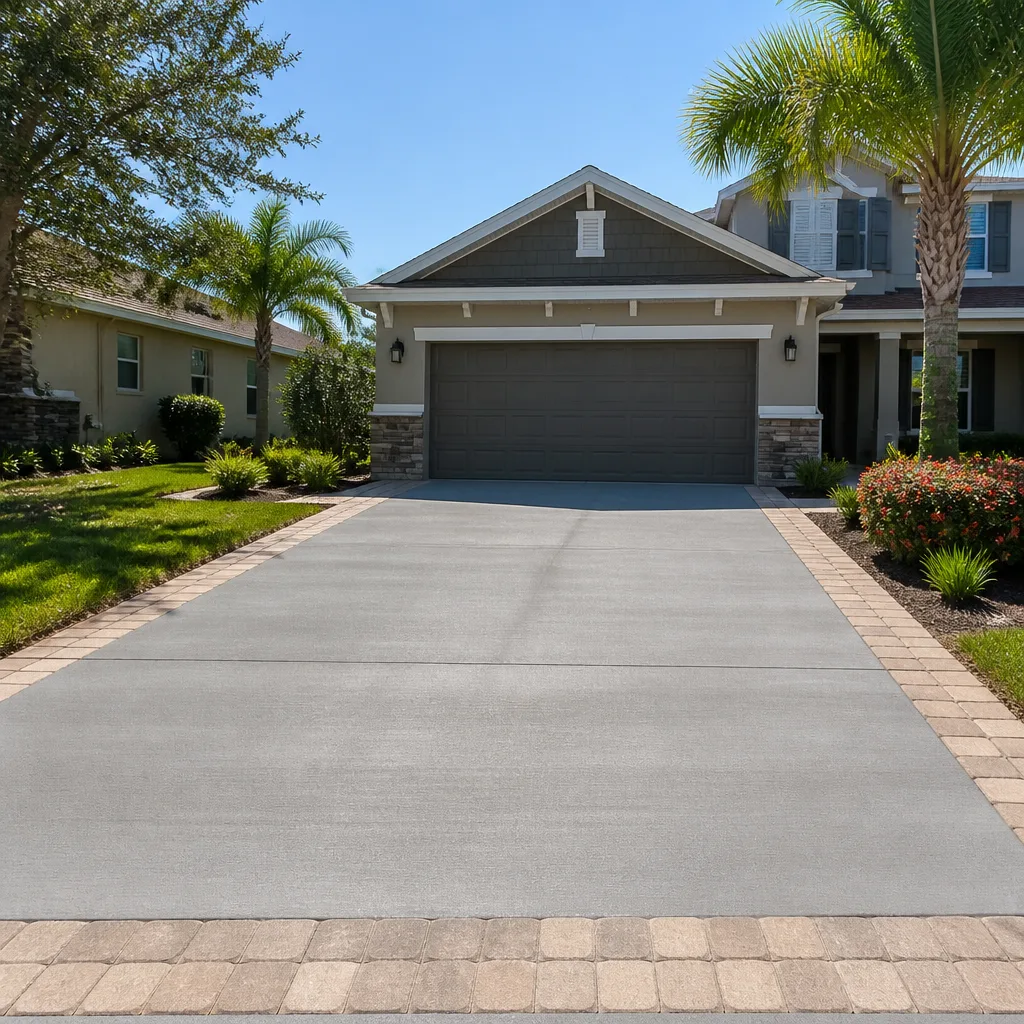
A motivated homeowner can absolutely lay a beautiful paver walkway. The part that quietly ruins most DIY driveways is the part you’ll never see again once the stones go down: the base. Renting a plate compactor and committing to three separate compaction passes is the step tutorial videos skip over, and it’s the step that decides whether your driveway looks the same in year three or has rutted, settled, and started heaving at the edges. In this guide we’ll cover exactly what a real paver install requires, when DIY makes financial sense, and where calling a pro in Santa Ana protects a five-figure investment. You’ll also get the specific questions to ask any contractor so you can confirm they’re actually prepping the base, not just selling you a pretty surface.
Quick Answer
Small flatwork under about 200 square feet – a patio, a garden path, a short walkway carrying only foot traffic – is genuinely DIY-friendly if you’re willing to excavate and compact properly. Full driveways that carry vehicle loads are not a good DIY candidate, because the base prep and compaction that make them last are the exact steps most likely to get skipped, and Santa Ana’s clay-heavy soils and seasonal rain punish shortcuts within a few years.
Styles & brands we work with
- Kitchen remodeling
- Bathroom remodeling
- Home additions & ADU
- Roofing
- Windows & doors
- Driveway & pavers
- Fence
Table of Contents
- What a Real Paver Install Actually Requires
- Why Base Prep Is the Whole Ballgame
- Do You Need a Permit in Santa Ana?
- Where DIY Makes Financial Sense
- Where DIY Doesn’t Make Sense
- Questions to Ask a Contractor
- Common Mistakes to Avoid
- Frequently Asked Questions
What a Real Paver Install Actually Requires
Tutorial videos make paver work look like a weekend with a wheelbarrow and a rubber mallet. The honest equipment list is longer, and the price of buying or renting it is where most DIY budgets quietly blow up. Here’s what a proper install actually calls for from the start:
- A plate compactor (rental, roughly $70 – $120 per day in the Santa Ana area). This is the single most important rental. You’ll need it for the subgrade, the aggregate base, and a final pass on the sand bedding before the stones go down.
- An excavator or a lot of shovel labor if you’re removing an old slab. Breaking up 4 inches of concrete by hand with a sledge and pry bar is a full weekend of back pain.
- A string line, line level, and transit or laser level for grading. Water has to run away from the house and toward the street, and the eye can’t see a 1% slope across 20 feet.
- Landscape fabric and ¾-inch crushed aggregate base – usually 4 – 6 inches deep for pedestrian use, more for vehicles, delivered by the cubic yard.
- Bedding sand, edge restraints, and polymeric joint sand. Edge restraint (the aluminum or plastic channel that pins the outer row) is non-negotiable on anything wider than a garden path.
What the videos conveniently leave off: the dumpster for the old concrete, the haul-away of excess dirt, the permit fee, and the reality that hand-compacting with a tamper is not a substitute for a plate compactor, no matter how many passes you make. That equipment list alone often runs $400 – $800 before you’ve bought a single paver – a number nobody puts in the thumbnail.
Why Base Prep Is the Whole Ballgame
Everything visible above ground on a paver driveway – the stone, the pattern, the sand – is learnable. It’s on YouTube, it’s in books, and a careful amateur can install a beautiful surface. Everything below ground is where amateur jobs fail, and it’s invisible once the last stone is set.
Here’s the sequence that has to happen on a driveway carrying vehicle loads, no matter who does the work:
- Excavate deep enough. For a car or truck, the subgrade needs roughly 6 – 8 inches of aggregate base below the bedding sand and paver. That means digging out around 10 inches of soil and old material – not skimming the sod off the top.
- Grade for drainage. Slope away from the house and garage at about 1 inch per foot on the fall. Standing water under a California clay soil is what turns a base into mush.
- Compact the subgrade. A full plate compactor pass over the exposed dirt before any gravel goes down.
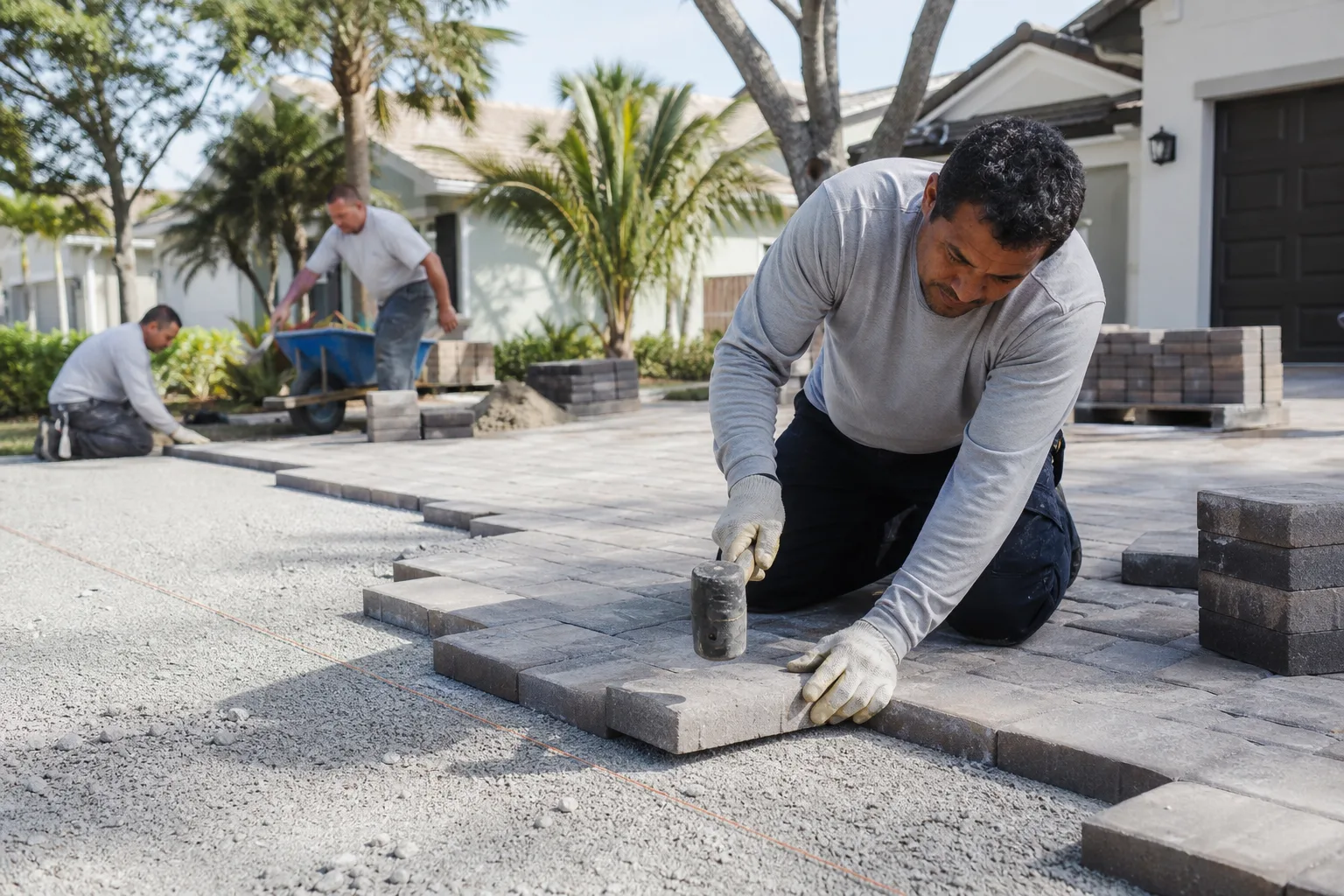
- Lay aggregate base in lifts. Two to three separate lifts of 2 – 3 inches each, compacted individually. You cannot dump 6 inches of gravel and compact it once. It will never lock.
- Compact the bedding sand, then set the pavers, then compact again. That last pass is what seats the stones into the bedding and starts the interlock.
- Sweep in polymeric joint sand and re-compact. This final compaction is what activates the polymer and locks the joints together.
We’ve seen Santa Ana driveways that looked fine for two winters and then rutted and heaved the third, because somebody compacted the base once instead of three times. The paver was fine. The base wasn’t.
Do You Need a Permit in Santa Ana?
Yes, a driveway paver project can require a permit in Santa Ana depending on the square footage and how much impervious surface the property is adding. That’s the part most homeowners never hear from a phone-quote contractor, and it’s the part that can turn a smooth install into a stop-work order if it gets ignored.
The driver is stormwater management. Cities in Orange County, Santa Ana included, care how much rain runs off your property instead of soaking in. A paver driveway replacing grass or pervious ground increases runoff, and once a project crosses certain thresholds the city wants a plan that handles it – which can mean a drainage requirement, a specific paver system, or an engineering review. Additions, new driveways, and enlargements all touch this.
What this means practically: don’t take a contractor’s word that permits are optional. Call the city building department or ask any contractor you’re interviewing to confirm in writing whether a permit is required for your specific square footage. Permits pulled and inspections signed protect you – the permit inspector works for you, not for the contractor. If a bidder says “we don’t bother with that,” that’s your answer about how the rest of the job will go. On our driveway and paver jobs, pulling the permit is part of the scope, not an upsell.
Where DIY Makes Financial Sense
There is real money to save on the right DIY job, and we’ll say so plainly. The math works when the job is small, flat, and only carries foot traffic.
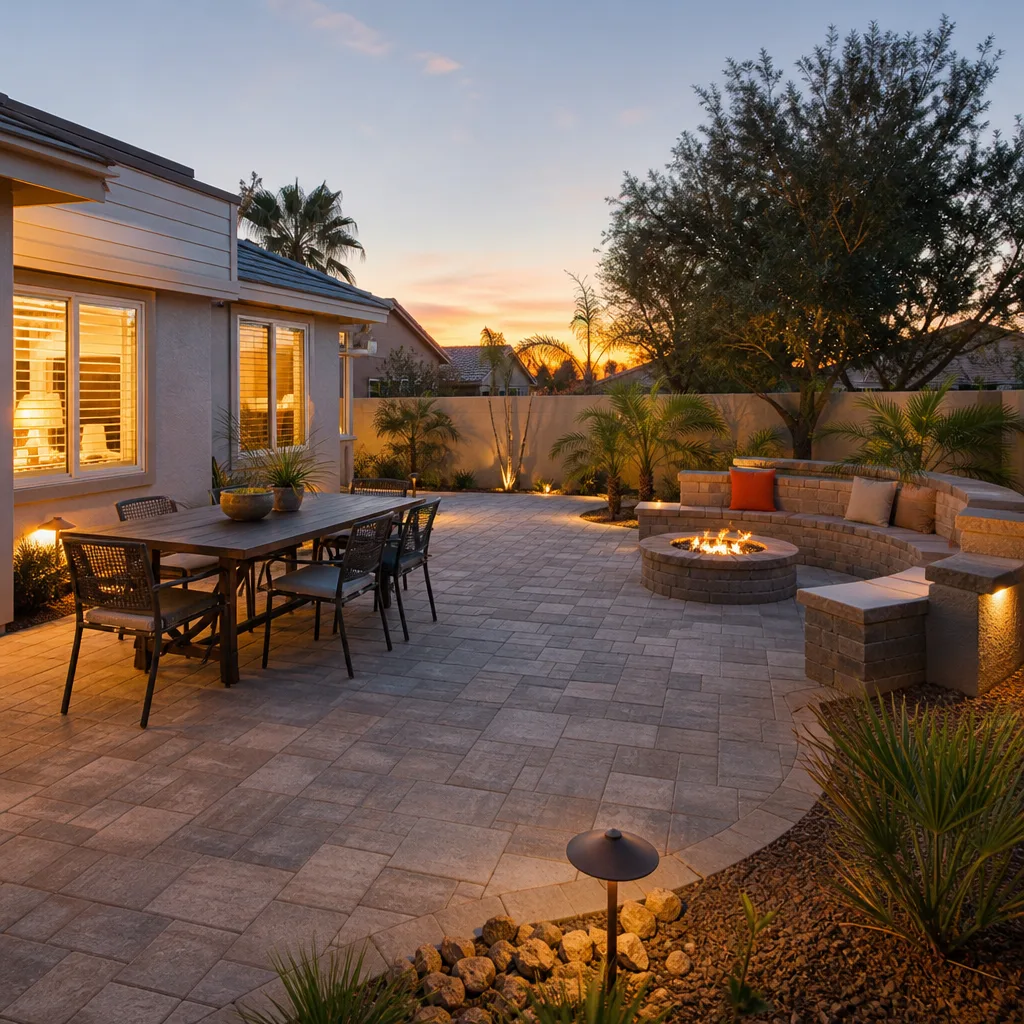
- Patios under about 200 square feet. A side patio or a small courtyard you can excavate and compact in a weekend is a great project. Fewer loads, fewer grades, fewer consequences.
- Walkways and garden paths. Foot traffic only, so the base can be 4 inches instead of 6 – 8. This is where DIY genuinely shines.
- Landscape borders and accents. Small paver bands around planting beds, stepping stone transitions, low-traffic transition strips.
- Repairs on an existing good base. Swapping a handful of cracked or settled units in a driveway is not the same project as building the driveway. If the base under the repair area is sound, that’s beginner-level work.
As a rough rule, if you can carry every material for the job in the back of a pickup and compact the base with one plate compactor rental, you’re in DIY territory. The math on a 150-square-foot walkway in Santa Ana is roughly $400 – $800 in materials and rental, versus a professional install in the $2,000 – $3,500 range depending on stone and site access. That gap is worth keeping.
If you’re expanding beyond a small patio into anything that shapes how your property looks from the street, a Driveway & Pavers in Santa Ana install is worth pricing first to see the real comparison.
Where DIY Doesn’t Make Sense
A full driveway is a different animal, and taking it on as a first paver project is how a lot of homeowners end up paying twice – once for the materials, once for the pro they call a few years later to fix it.
The variables that break a DIY driveway install:
- Loads. A car parked in the same spot every day concentrates pressure on a small footprint. The base has to be built for it, and the compaction has to be right at every lift.
- Slope and grading. Water that runs toward the house because the fall was off by half an inch shows up as a wet foundation and a cracked garage apron. That’s a much larger repair than a wonky walkway.
- Demo. If your current driveway is concrete, breaking it out, hauling it off, and disposing of it is a completely different physical job than laying stones.
- Permits and inspection. A permit may be required, and the inspection has to pass. Skipping it can cost you when you go to sell – an unpermitted improvement is a disclosure headache.
- Time. A real driveway install is 3 – 5 days of professional crew time. A homeowner working evenings and weekends is looking at months of a torn-up driveway, weather interruptions, and a half-finished job sitting in the rainy season.
We’ve been called in to redo more than a few DIY driveway attempts in Santa Ana where the stones looked great and the base was already failing. The stones were reinstallable. The base was a full tear-out.
Questions to Ask a Contractor
The right questions get you past the surface pitch and into whether the crew is actually going to prep the base. Ask these on the call or at the estimate:
- How deep are you excavating, and how many base lifts are you installing? The correct answer for a driver-grade driveway is 6 – 8 inches of base in two or three separate compacted lifts. “About four inches” means a pedestrian build on a street that sees cars.
- Will you compact the subgrade before you put down gravel? A yes, without hesitation, is the answer. A mumble is not.
- What plate compactor are you running, and how many passes per lift? A crew that can name the size of their compactor and the number of passes is a crew that has done this.
- Is this job going to need a permit in Santa Ana, and are you pulling it? “We’ll check” is fine on the initial call. “We don’t bother” is not.
- Is the base material and paver brand named in writing, and what happens if it changes? Every scope, every allowance, every price change should arrive as a written change order before anything moves. An allowance that isn’t on paper is a surprise waiting for a date.
- What does the written workmanship warranty say? Look for it on the contract, in writing, not on a business card.
The right answers here are what separates a driveway that lasts from one that needs a repair visit in three years. Ask the same questions of every bid, and the good contractors will welcome the comparisons.
Common Mistakes to Avoid
- Skipping the compaction passes. One pass with a plate compactor per lift is not enough. Three separate compactions – subgrade, base in lifts, bedding and pavers – is the standard. Anything less and the driveway settles.
- Excavating too shallow. Skimming the grass off and laying stones over a few inches of sand is what produces the wavy, rutted driveways you see in older Santa Ana neighborhoods. Vehicle driveways need deep base.
- Using builder sand for everything. Bedding sand and joint sand are not the same product. Polymeric joint sand is what locks the joints and keeps the ants and weeds out.
- Forgetting edge restraint. An unconstrained outer row of pavers spreads under load. Edge restraint is cheap and non-negotiable.
- Draining toward the house. Slope has to run away from the foundation and the garage apron. A driveway that collects water at the garage lip is a driveway that will find its way under your slab.
- Skipping the permit. A permit may be required for a driveway paver project in Santa Ana depending on size and impervious surface. Skipping it means a problem to disclose when you sell.
- Buying the cheapest paver at the big-box store. A clad paver with a thin wear layer looks the same on day one as a Belgard or Techo-Bloc unit and looks very different after two years of car traffic and Southern California sun.
See the difference
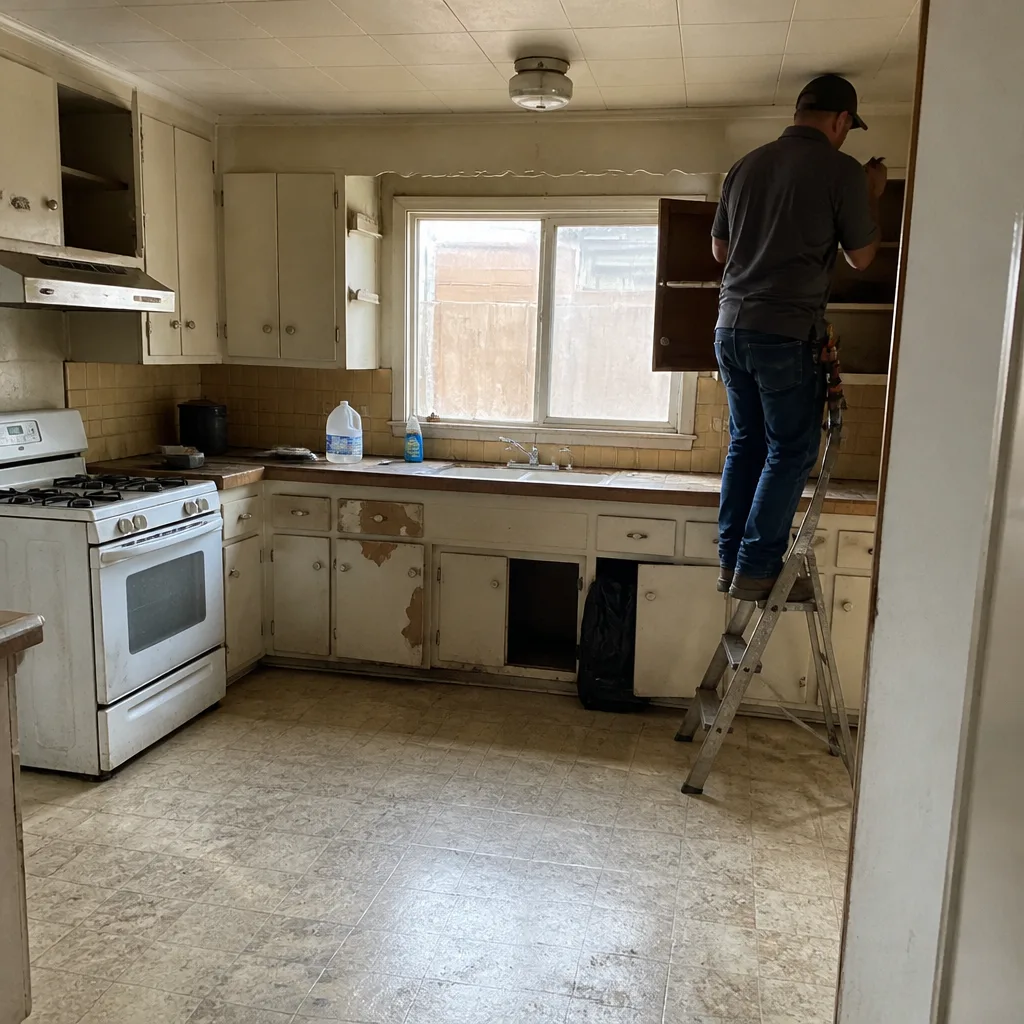 Before
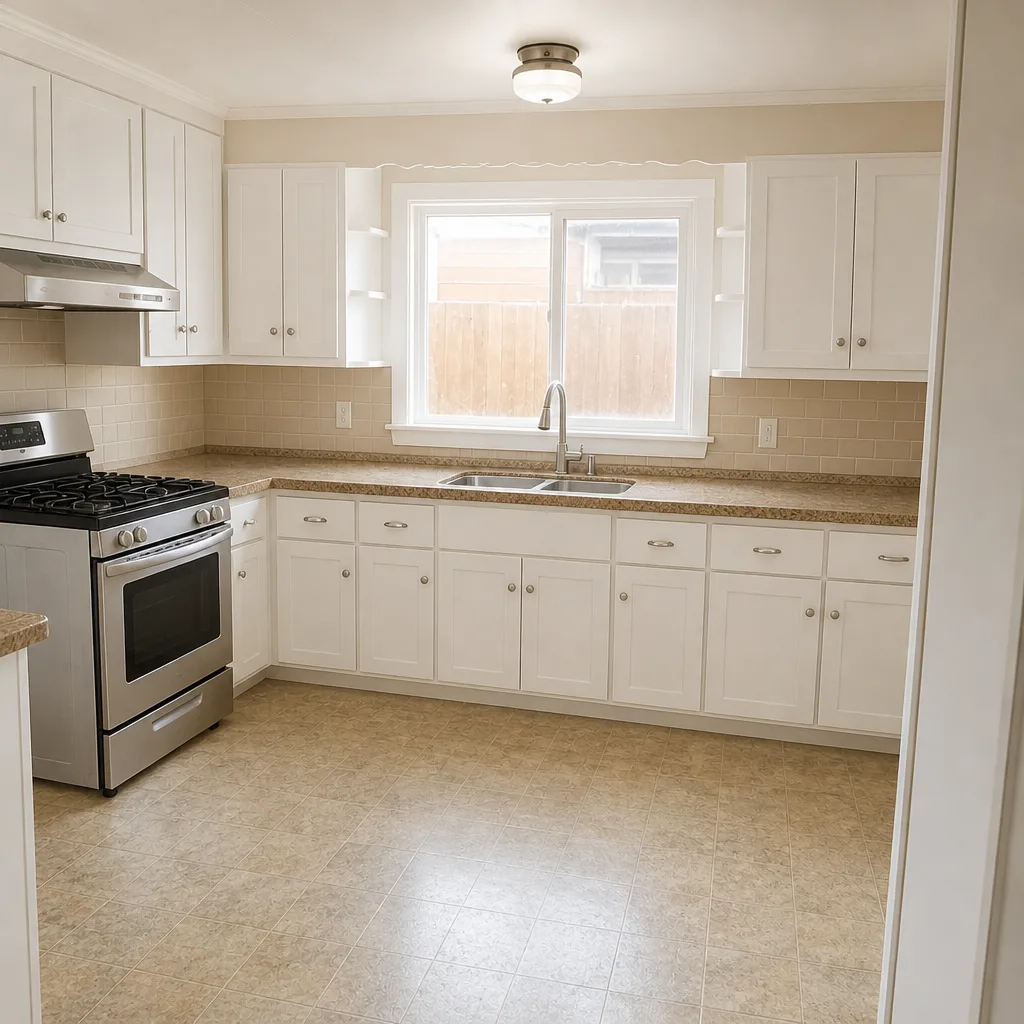 After
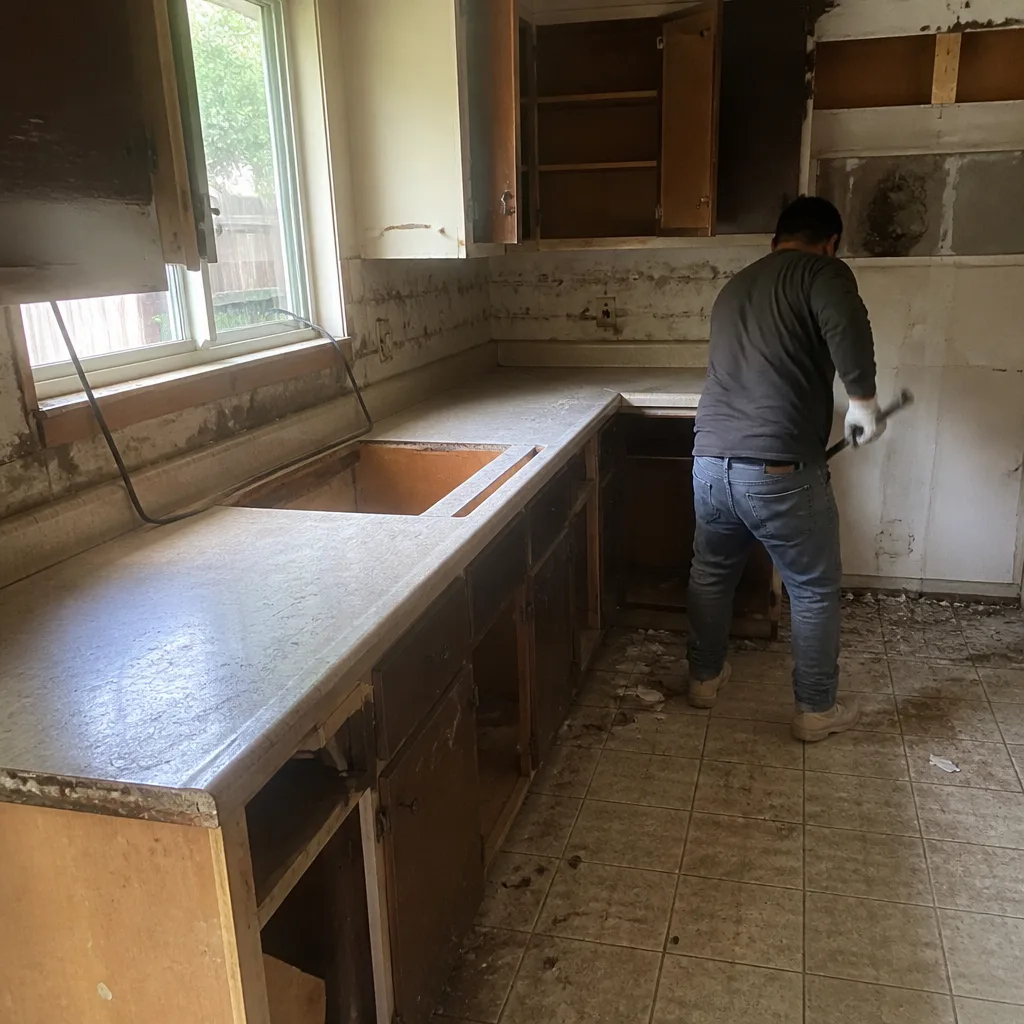 Before
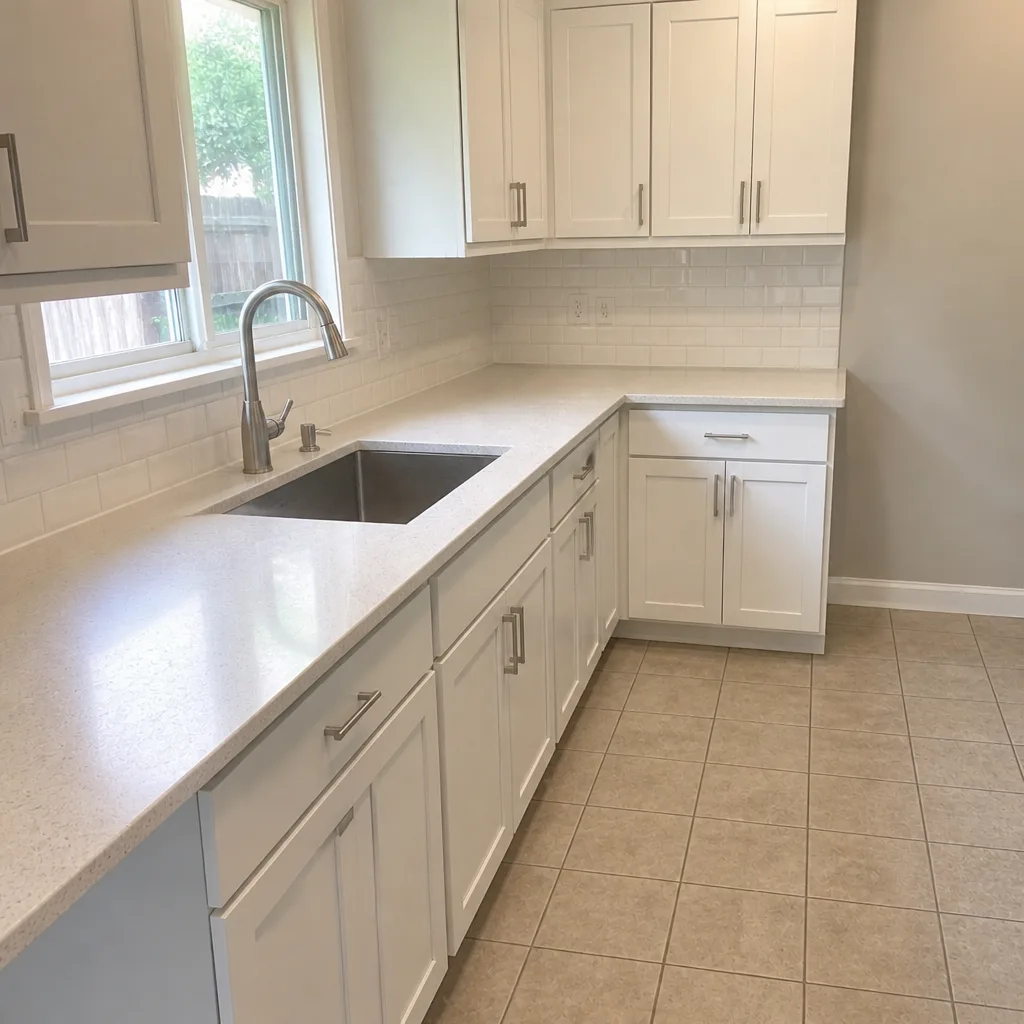 After
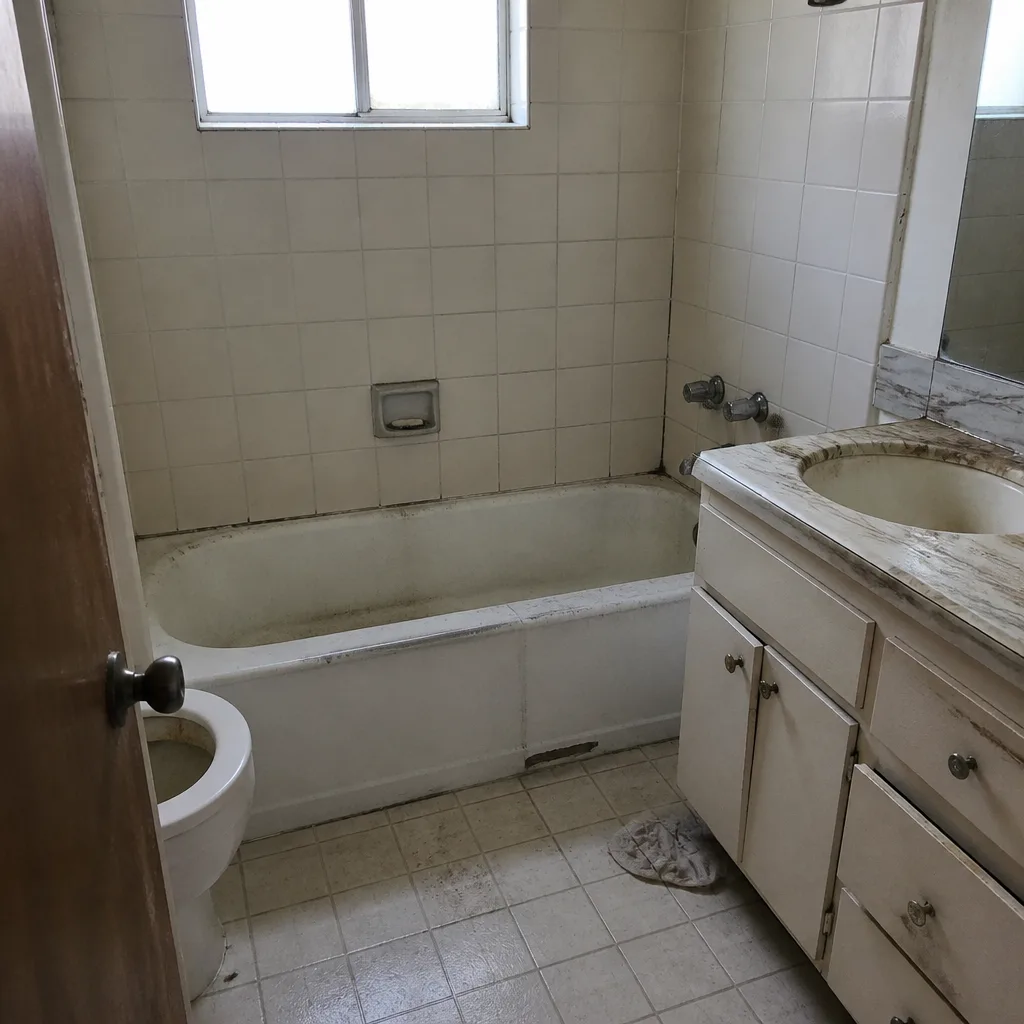 Before
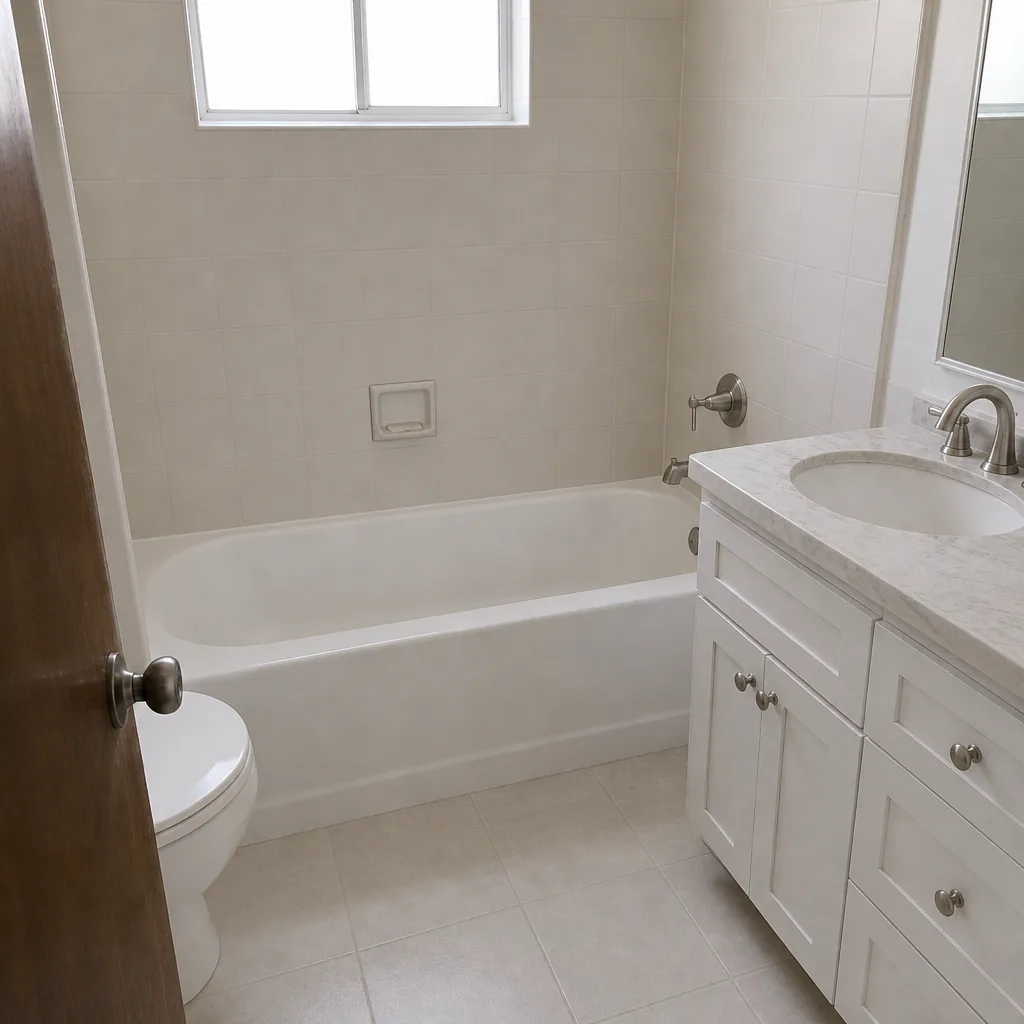 After
When to Call a Professional
Call a pro when the job is a full driveway, when the current surface is concrete that needs breaking out, when the grade doesn’t obviously run away from the house, or when the square footage crosses the permit threshold. Call a pro when the loading is anything more than foot traffic, when you’re adding drainage or the city wants a stormwater look, or when the project needs to hold up for decades rather than a season or two. Barrett & Sons Construction Santa Ana offers free estimates in Santa Ana – call (888) 325-4971. We’ll walk the driveway with you, tell you honestly whether the job is one you can safely take on, and if it’s ours, we’ll put the scope in writing before anything moves. If you want to see what else we do, our Barrett & Sons Construction Santa Ana home shows the full range.
Frequently Asked Questions
You can, but it’s not a good first project. A full driveway carrying vehicle loads requires 6 – 8 inches of properly compacted base, careful grading, edge restraint, and a permit that may be required in Santa Ana depending on square footage and impervious surface. The base compaction that makes it last is the step most likely to get skipped, which is why most installs of this kind are done by crews that do it every week.
A professional paver driveway in Santa Ana typically runs $12 – $22 per square foot installed, all-in, depending on the paver brand, site access, and whether the existing surface needs to be removed. Materials and rental for a DIY job run roughly $4 – $8 per square foot, before the value of your time. Call (888) 325-4971 and we’ll walk your specific driveway and give you a written line-item estimate – estimates are free.
It can. Santa Ana and most Orange County cities care about impervious surface and stormwater runoff, and once a project crosses certain square footage thresholds a permit can be required. The honest answer depends on your lot and the size of the job, so confirm with the city building department or ask any contractor to confirm in writing. On our jobs, pulling the permit is part of the scope.
A properly installed paver driveway lasts 25 – 30 years or more. The driver of longevity is the base, not the paver. When the base is excavated to depth, laid in proper lifts, and compacted three times over, the surface stays level and the joints stay locked. When the base is skimped, the driveway can look fine for two or three years and then start heaving and rutting.
Yes, if the base under the affected area is sound. That’s actually a good homeowner-level repair: lift the loose units, check the base for softness, re-bed with sand, reset the paver, and re-sweep polymeric joint sand. If the base under the area is wet or spongy, the repair is a symptom of a larger problem and the failure will come back within a season. Our Fence Installation in Santa Ana work often runs alongside driveway and hardscape projects, so we see these base failures up close.
Ask three questions in the room: how deep are you excavating for a vehicle driveway, how many separate compacted lifts are in the base, and what compactor are you using. The correct answers are 6 – 8 inches excavated, two or three lifts, and a plate compactor with multiple passes per lift. A contractor who can answer those without hesitating has done this work. A contractor who can only talk stone pattern and color is selling the surface. Call (888) 325-4971 for a free second opinion on any written estimate you’re holding, and we’ll read it with you line by line.
The Bottom Line
The paver work you can safely DIY and the work that quietly destroys a driveway in three years are separated by one decision: whether anyone properly compacted and graded the base. Small patios, walkways, and garden paths under about 200 square feet with foot traffic only – those are great homeowner projects, and you can save real money doing them. Full driveways with vehicle loads are a different job entirely, and the base, permit, slope, demo, and compaction steps are where amateur installs fall apart. If your project is the second kind, get a written line-item quote and ask the base questions before you sign. For a full driveway, a repair of a settling install, or a second opinion on a bid – call Barrett & Sons Construction Santa Ana at (888) 325-4971 for a free estimate. If a home addition is on your 5-year plan too, our Home Additions & ADU in Santa Ana work shares the same base-prep and permit-in-writing discipline.
Written by the team at Barrett & Sons Construction Santa Ana.