Last updated November 18, 2026







Free written scope consultation - allowances, timeline, and change-order rules on paper before a single trade is scheduled
Construction Warning Signs: A Santa Ana Homeowner’s Reference Guide
A hairline crack in a Santa Ana stucco wall is almost always dismissed as cosmetic. But in a home sitting on expansive clay soil, that same crack pattern can be an early sign of differential settlement that triples in repair cost if you give it another two rainy seasons. The expensive part of construction trouble isn’t the repair – it’s the delay. This guide is about what to catch at the annoying stage, not the expensive stage. You’ll learn how to read stucco cracks, spot foundation movement before doors start sticking, recognize ponding water that matters, and see roof problems from the ground. Every sign here is specific to Santa Ana’s soil, climate, and older housing stock.
Quick Answer
In Santa Ana, the construction warning signs worth acting on are diagonal stucco cracks radiating from window and door corners, interior doors that suddenly stick, water pooling within 10 feet of the foundation after rain, lifted ridge caps, and separated flashing around chimneys. These are early signals of settlement, drainage, or roof failure – and every one of them is cheaper to fix now than after two more rainy seasons. A contractor who bids surface repair without diagnosing the cause is a red flag in itself.
Styles & brands we work with
- Kitchen remodeling
- Bathroom remodeling
- Home additions & ADU
- Roofing
- Windows & doors
- Driveway & pavers
- Fence
Table of Contents
- How to Read Stucco Crack Patterns in Santa Ana
- Foundation Warning Signs in Older Santa Ana Homes
- Ponding Water and Santa Ana’s Flat Lot Grades
- Roof Warning Signs You Can See From the Ground
- The Contractor Red Flag That Accompanies Real Structural Problems
- The Diagnostic Sequence: How a Real Inspection Works
- Neighborhood Notes: What We See Across Santa Ana
How to Read Stucco Crack Patterns in Santa Ana
Not every crack means trouble. Most don’t. The trick is telling shrinkage cracking apart from movement cracking, and in Santa Ana that distinction matters more than it does in most of Orange County because so much of the city sits on expansive clay.
Shrinkage cracks are cosmetic. They’re thin (usually under 1/16 inch), they wander in no particular direction, and they show up most on large flat wall areas and around new stucco that cured too fast in summer heat. Santa Ana gets plenty of that dry heat, so shrinkage cracks are common and usually harmless. Patch them, keep an eye on them, and move on.
Diagonal cracks at corners are different. When a crack runs diagonally from the corner of a window or door opening, it’s following a stress line, and stress lines usually point to movement. The bigger and more consistent the pattern, the more it deserves a real look. Here’s what raises the concern level:
- Width: A crack you can slide a nickel into is no longer hairline. That’s movement, not shrinkage.
- Direction: Diagonal cracks radiating from corners, especially matching patterns on opposite sides of a wall, suggest differential settlement.
- Continuity: A crack that runs through the stucco and continues into the interior drywall at the same location is a pattern worth diagnosing.
- Offset: If one side of the crack sits proud of the other – a step rather than a line – the two sides of the wall have moved relative to each other.
In our experience across Santa Ana, the corner-crack pattern on clay-heavy lots is the one homeowners most often write off and later regret. It’s the difference between a stucco patch and a foundation conversation.
Foundation Warning Signs in Older Santa Ana Homes
Interior doors that stick are the most overlooked early indicator of foundation movement. Most people blame humidity or a swollen door and plane it down. In an older Santa Ana home, a door that swings freely in October and drags in March is telling you the frame is moving with the soil, not the weather.
Expansive clay soil swells when it’s wet and shrinks when it’s dry. Santa Ana’s wet winters and long dry summers push that cycle hard, and a home built decades ago on a shallower foundation feels every swing. Watch for these:
- Doors and windows that stick seasonally. If it changes with the rain, the structure is responding to soil movement.
- Diagonal cracks at interior corners. Drywall cracks that follow the same pattern as the exterior stucco cracks are confirming the same movement.
- Uneven floors. A marble or ball bearing that rolls to the same spot every time is a quick, free test. Floors that feel springy or sloped in one direction deserve attention.
- Gaps at exterior trim and door frames. Visible daylight or a growing gap where a door frame meets the stucco is a movement signal.
- Chimney or masonry separation. A gap between the chimney and the house wall is a real one. Get it looked at before the next rainy season.
None of these confirm a foundation problem on their own. Together, and especially when they appear within the same year, they’re a pattern. That pattern is what a real diagnostician reads before recommending anything.
Ponding Water and Santa Ana’s Flat Lot Grades
Water standing within 10 feet of a foundation is the single most fixable warning sign on this list. It’s also the one Santa Ana homeowners see more than their neighbors in the hills, because most of the city sits on flat lots with shallow grades that don’t move water the way a sloped lot does.
After a rain, walk the perimeter of your home. What you’re looking for:
- Puddles that last more than 24 hours. Water that lingers a full day after the rain stops is water that’s soaking into the soil around your foundation.
- Soil that pulls away from the foundation. A visible gap between the dirt and the stem wall after dry weather means the soil has shrunk – and it will swell again when the rain returns.
- Downspouts that dump at the wall. A downspout discharging within a couple of feet of the foundation is doing exactly what you don’t want.
- Flat or negative grade. If the ground slopes toward the house instead of away, every rain event pushes water at the structure.
- Staining or efflorescence on the stem wall. The white chalky residue on concrete or stucco at the base is a sign of water wicking through.
The fix is often simple: regrade, extend downspouts, add drainage. The cost of ignoring it compounds. That’s the point of catching it early.
Roof Warning Signs You Can See From the Ground
You don’t need to climb a ladder to catch most roof problems early. Santa Ana’s wind events and dry heat leave a very readable trail at ground level, and a few minutes with binoculars from the driveway tells you whether to call someone.
Here’s what to look for:
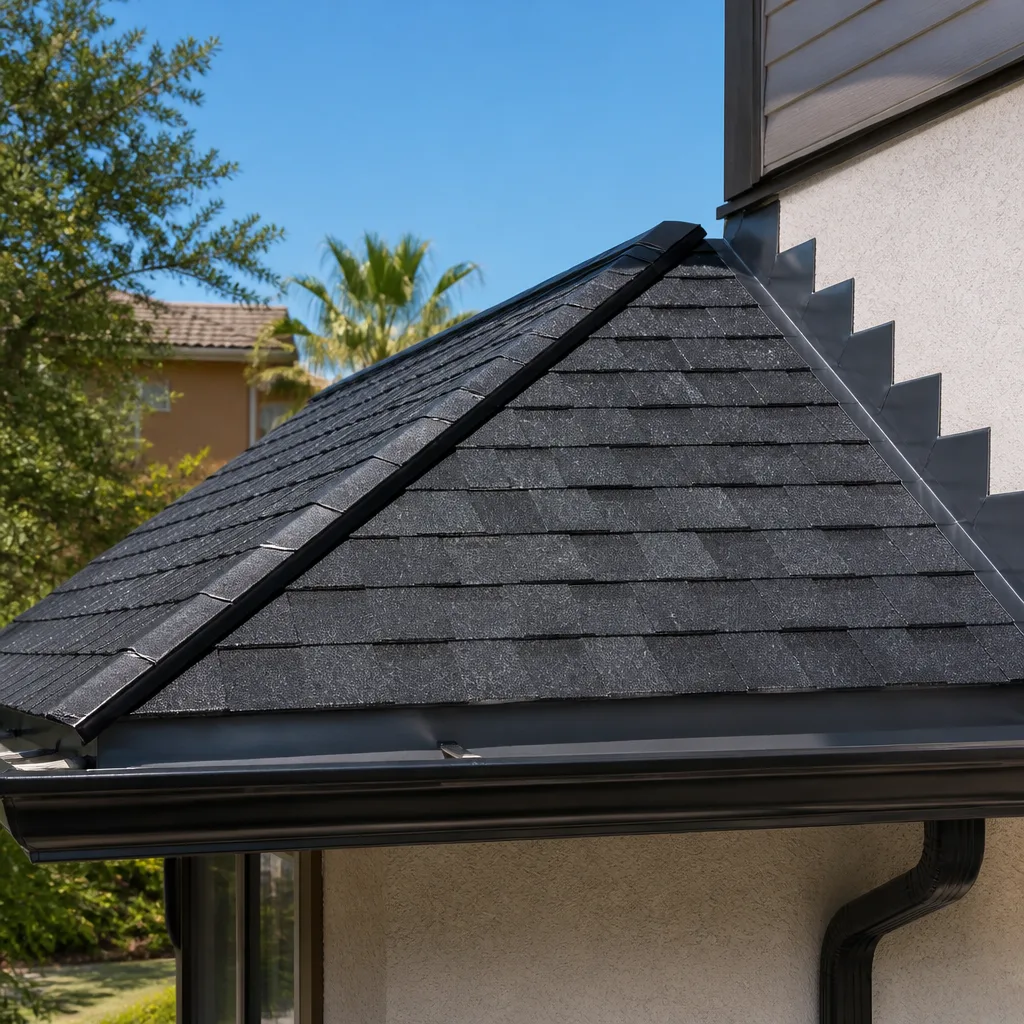
- Lifted or missing ridge caps. After a wind event, the caps along the top ridge are the first thing to lift. A ridge cap that’s curled or gone is a direct path for water.
- Granule loss in the gutters. Asphalt shingles shed granules as they age, but a heavy accumulation in the gutters after a rain means the shingles are losing their protective surface faster than they should.
- Flashing separation around the chimney. The metal flashing where the roof meets the chimney is a common failure point. If you can see daylight or a gap from the ground, water is getting in.
- Flashing around HVAC and vent penetrations. Same story – the seals around vents and pipe boots crack with heat and age.
- Curling or buckling shingle edges. From the ground, look at the silhouette of the roof line. Wavy or lifted edges are visible.
- Dark streaks or staining. Algae or moisture staining isn’t a leak by itself, but combined with granule loss it points to a roof near the end of its service life.
- Sagging along the ridge or eaves. Any visible dip is a structural concern and shouldn’t wait.
The Contractor Red Flag That Accompanies Real Structural Problems
Here’s the pattern we see most often in Santa Ana: a homeowner gets a bid for a surface repair – patch the stucco, paint over the crack, replace the door that sticks – with no diagnostic step at all. The bid looks cheap. It is. It’s also solving the symptom, not the cause.
A bid that skips diagnosis is a warning sign in its own right, and it’s the one most often missed because it looks like a good deal. What a real bid includes:
- A written scope that states the cause being addressed. If the bid says “patch crack” without saying why the crack happened, it isn’t a diagnosis.
- An inspection of the foundation and drainage before repair is priced. Any structural repair bid that doesn’t consider soil and water has skipped a step.
- Written allowances and change orders. An allowance that isn’t on paper is a surprise waiting for a date.
- Permits pulled when the scope requires it. The permit inspector works for you, not for us – that’s why we like him. A contractor who says permits are optional is telling you something about how they work.
When a real structural issue is present, the diagnostic step is what prevents the same repair from being done twice. That’s why we put every scope, allowance, and price change in writing before work starts. If it isn’t in writing, it isn’t agreed.
The Diagnostic Sequence: How a Real Inspection Works
If you’ve read this far and recognized a few of these signs, here’s what a proper inspection actually involves. Knowing the sequence helps you judge whether the person standing in your yard is diagnosing or guessing.
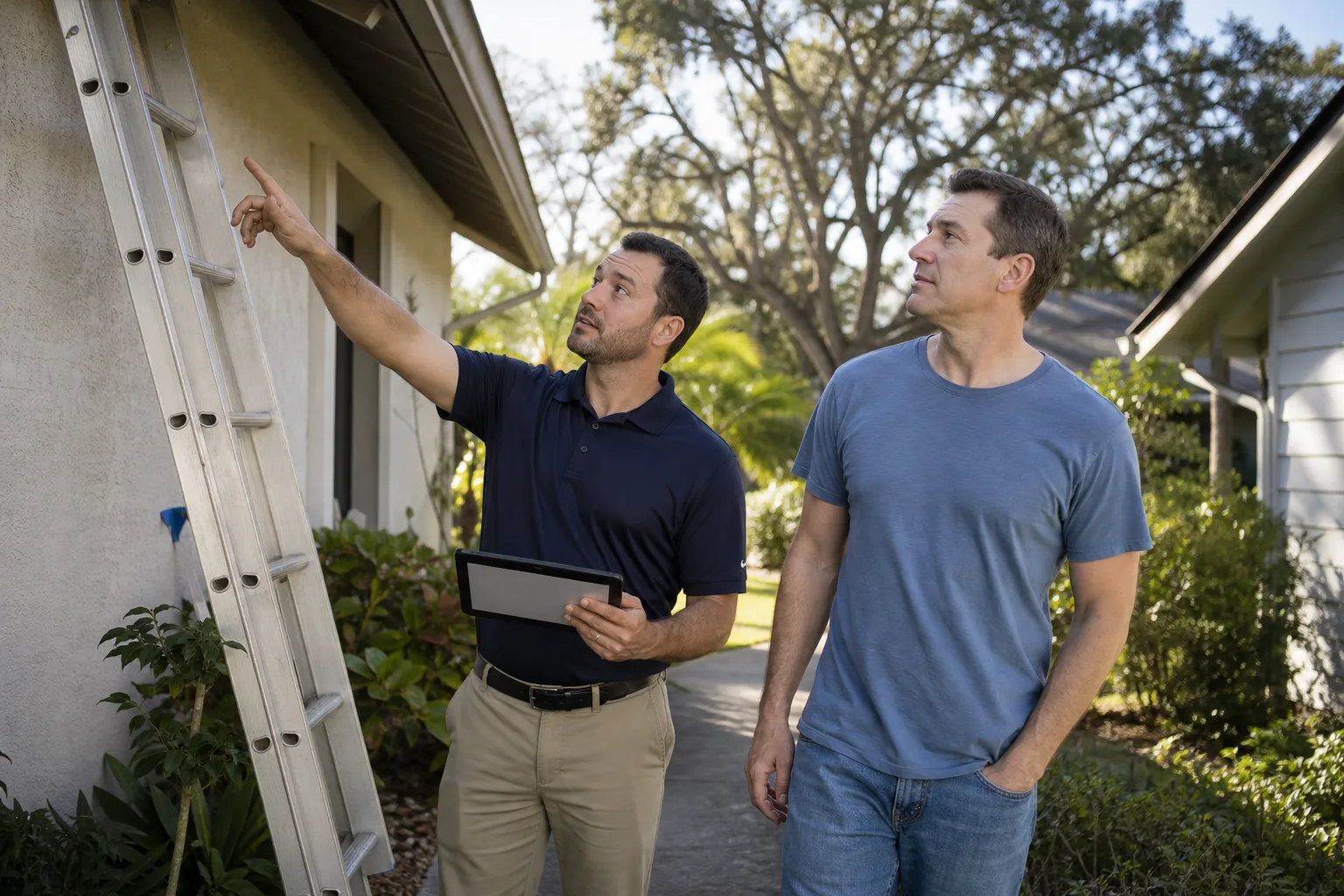
- Walk the exterior first. Look at the stucco crack pattern, the grade around the foundation, the downspouts, and the roof silhouette from the ground.
- Record the interior symptoms. Doors, windows, floors, drywall cracks, and where they line up with the exterior pattern.
- Check the water path. Where does rain go? What’s the grade? Where do downspouts discharge? This step catches the most fixable problems.
- Look at the roof close-up where needed. Chimney and HVAC flashing, ridge caps, and shingle condition – done safely by someone trained to be up there.
- Write the findings down. The findings become the scope, and the scope becomes the bid. Any contractor who skips writing this down has skipped the step that matters most.
We use this sequence on every structural evaluation because the order keeps small problems from being treated as big ones, and big ones from being missed. It’s also why our written estimates read the way they do – findings first, scope second, price last.
Neighborhood Notes: What We See Across Santa Ana
Santa Ana isn’t one soil condition or one housing age, and the warning signs that matter shift from block to block. A few patterns from our own work across the city:
Older central Santa Ana homes – the ones built mid-century on the flatter blocks – show the classic seasonal door-stick and corner-crack pattern tied to clay movement. Roofs are also reaching the end of their service life in a lot of these homes, and granule loss in the gutters is the tell. If your roof is in that window, our Barrett & Sons Construction Santa Ana home page lays out how we evaluate replacement versus repair.
Homes with mature trees close to the house are the ones where ponding and grade issues do the most damage. Tree roots change how water moves across a lot, and a flat grade doesn’t forgive it. Regrading and drainage work here often prevents problems that would otherwise show up as foundation movement.
Lots with older fences and hardscape are worth a second look too – not because they fail structurally, but because a failing fence or driveway can redirect water at the house. If your fence is leaning or the driveway pitches toward the garage, that’s a drainage signal. Our Fence Installation in Santa Ana page covers what a proper install does to keep water moving away, and our Driveway & Pavers in Santa Ana page covers hardscape grading.
Homes planning an addition or ADU are the ones where early warning signs matter most, because you’re about to spend real money on the structure. Any existing movement should be resolved before new construction ties into it. We walk through that in our Home Additions & ADU in Santa Ana page.
The common thread: none of these are dramatic. They’re annoying at first. That’s exactly when they’re cheapest to fix.
Common Mistakes to Avoid
- Patching stucco cracks without reading the pattern. The patch hides the symptom, not the movement. Two years later the same crack is back and wider, and the diagnosis is now more expensive.
- Planing a sticking door instead of asking why it sticks. If the door swings freely in dry weather, the problem isn’t the door. It’s the frame moving with the soil.
- Ignoring water that pools within 10 feet of the foundation. Santa Ana’s flat grades make this common, and it’s the most fixable warning sign on the list. Regrading and extending downspouts is cheap compared to foundation repair.
- Accepting a structural repair bid with no diagnostic step. A bid that goes straight to surface repair is a bid that hasn’t found the cause. Ask what’s being diagnosed before you ask what it costs.
- Treating permits as optional. The last contractor many homeowners used told them permits were optional. The permit inspector works for you, not for the contractor – and an unpermitted structural repair is a problem at resale.
- Waiting for one more rainy season. Movement that’s visible now compounds with every wet-dry cycle. The two-season delay is where the tripling happens.
- Skipping the written change order conversation. If the scope changes, the change order comes first. A contractor who adds cost without it has told you something about how they work.
See the difference
 Before
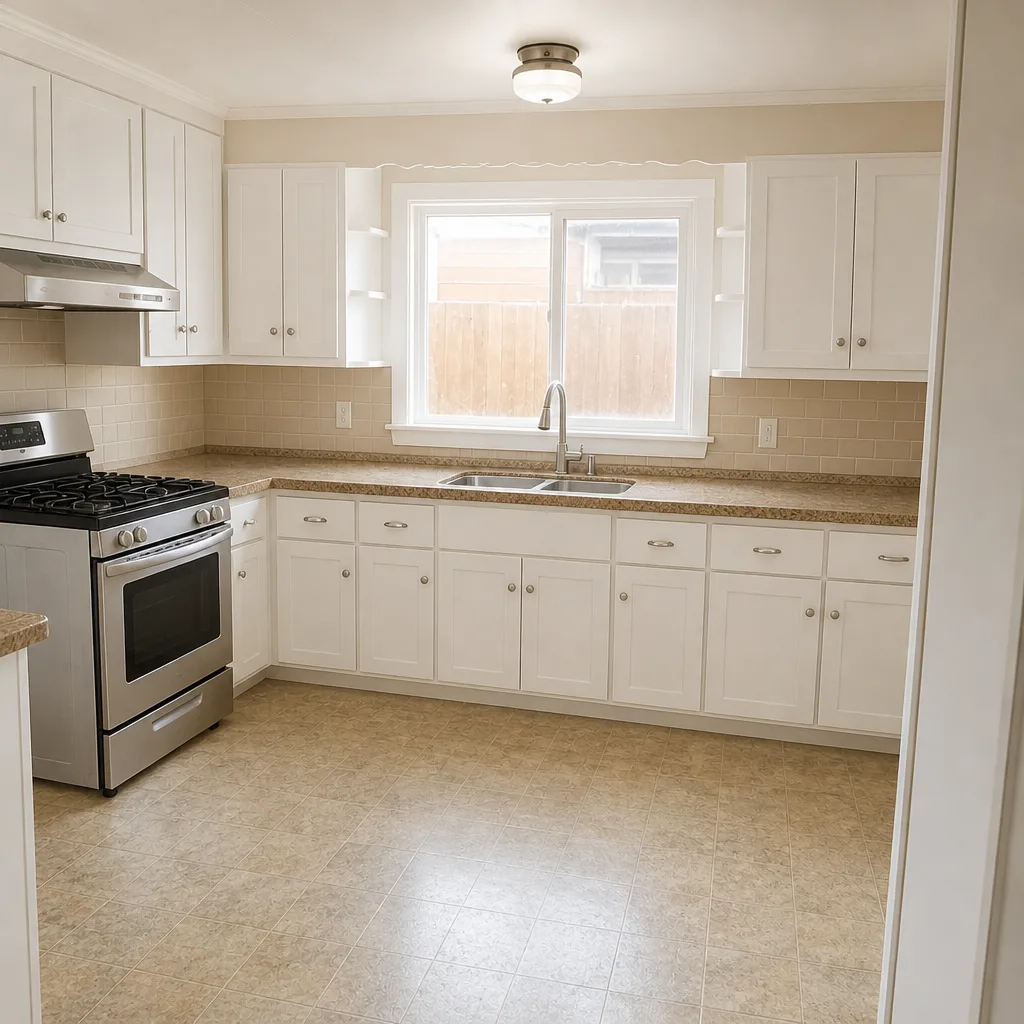 After
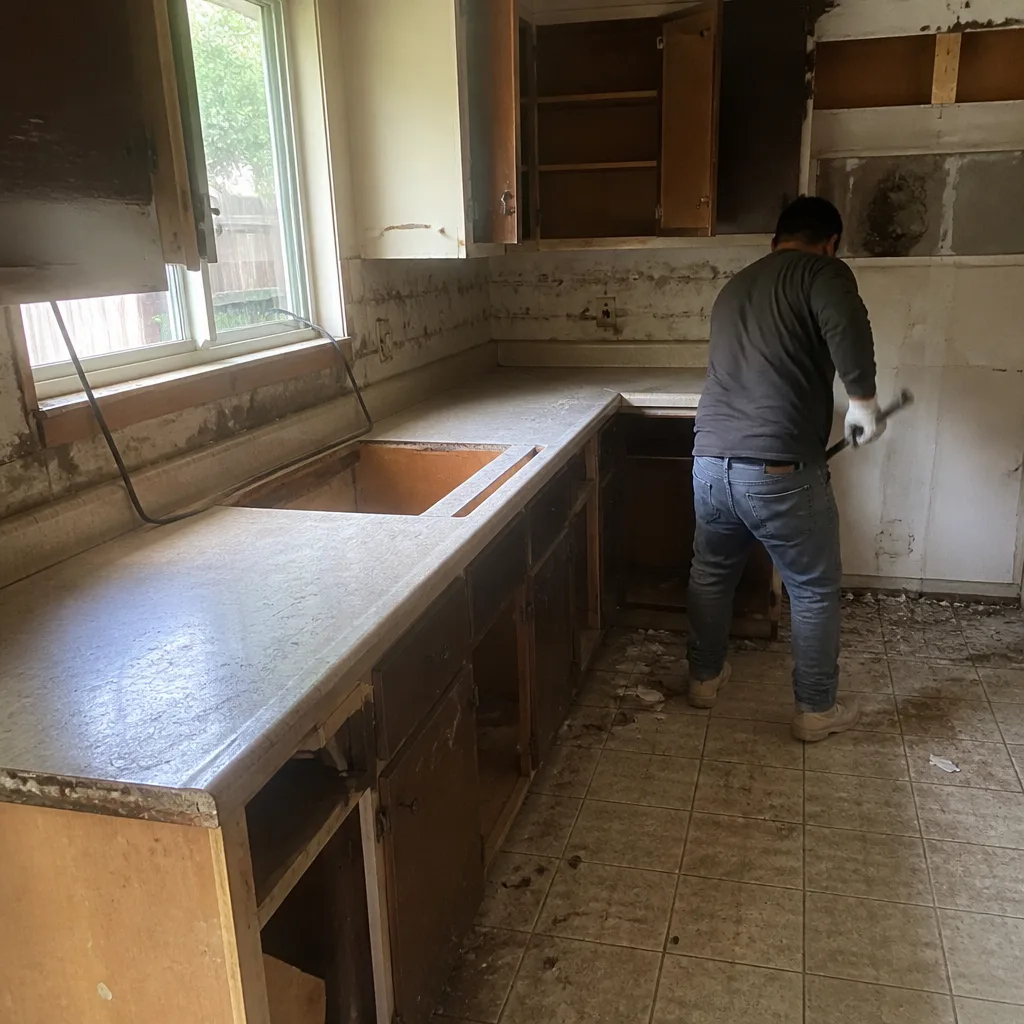 Before
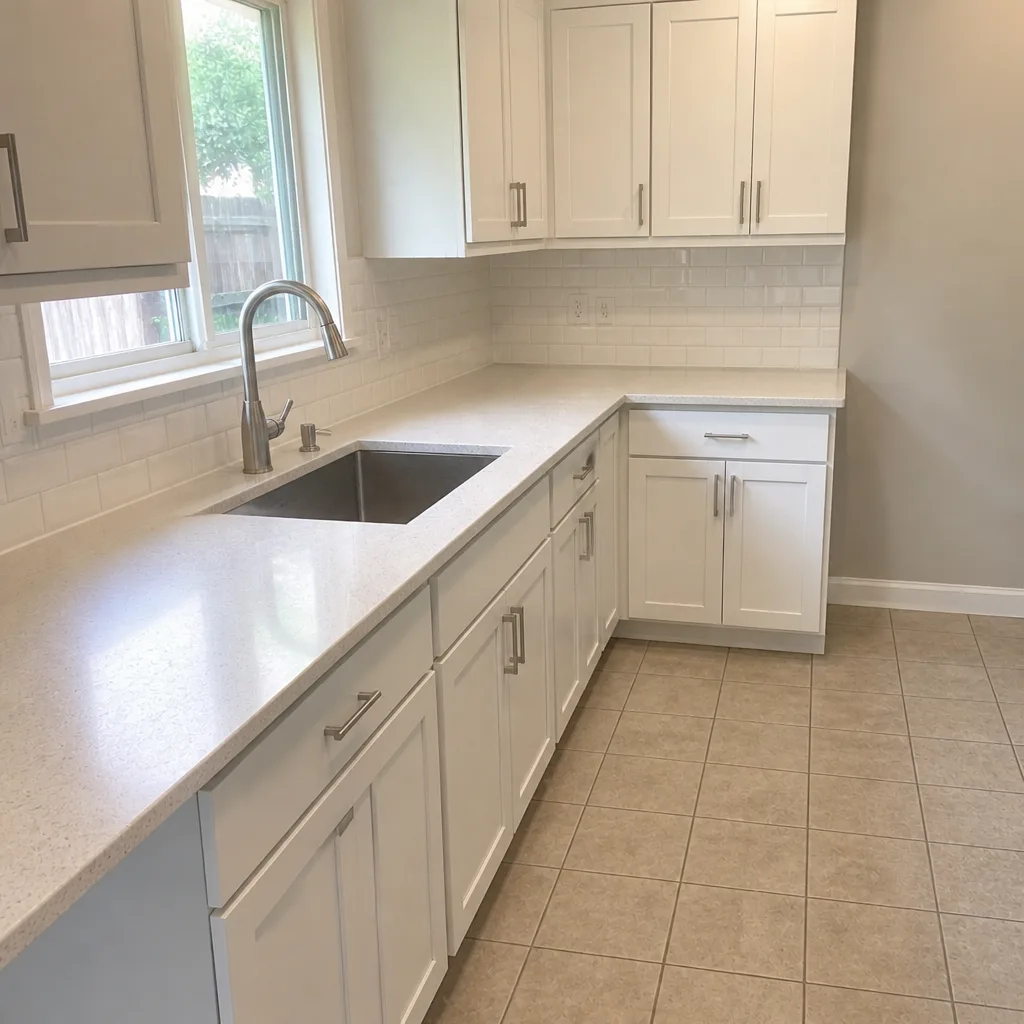 After
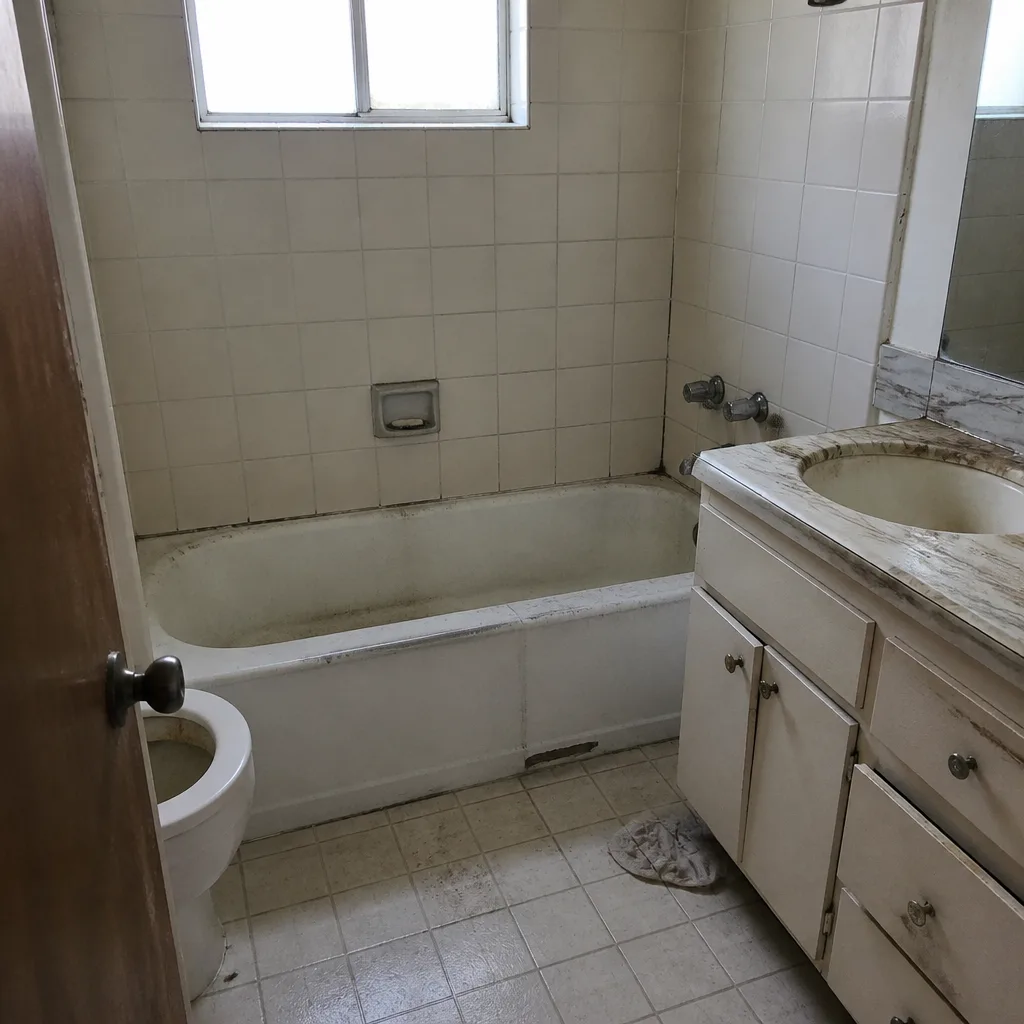 Before
 After
When to Call a Professional
Some signs are worth watching. Others are worth a call. If you see a diagonal stucco crack wide enough to hold a nickel, a door that’s stuck seasonally for the first time, water that pools within 10 feet of the foundation and stays more than a day, a lifted ridge cap after wind, flashing separation at the chimney, or any crack that steps rather than lines up – those are the calls to make now. We’ve seen the difference between catching these at the annoying stage and catching them after two more rainy seasons, and it’s a real difference in cost.
Barrett & Sons Construction Santa Ana offers free estimates in Santa Ana. Call (888) 325-4971 and we’ll walk the exterior, look at the interior symptoms, and write down what we find before we talk about price.
Frequently Asked Questions

Most hairline cracks are cosmetic shrinkage cracks and don’t indicate a structural problem. The ones worth attention are diagonal cracks radiating from window and door corners, cracks wide enough to hold a nickel, and cracks that step – those patterns point to movement rather than curing, and in Santa Ana’s clay-heavy soil they’re worth a real look. Call (888) 325-4971 for a free evaluation if you’re not sure which kind you have.
Seasonal door sticking is usually a sign that the frame is moving with the soil, not just reacting to humidity. Santa Ana’s expansive clay swells in wet winters and shrinks in dry summers, and an older home on a shallower foundation feels that swing every year. A door that swings freely in October and drags in March deserves a foundation look before it’s planed down. Call (888) 325-4971 to schedule a free estimate.
Water standing within 10 feet of the foundation soaks into the soil around it, and on clay that means swelling and movement. Santa Ana’s flat lot grades make this more common here than in hillside cities, and fixing it early – regrading, extending downspouts, adding drainage – is far cheaper than foundation repair. Call (888) 325-4971 and we’ll look at your grade and water path.
Walk out after a wind event or a rain and look for four things: lifted or missing ridge caps, granule accumulation in the gutters, visible flashing separation at the chimney and HVAC penetrations, and any sag along the ridge. Santa Ana’s wind and dry heat produce all four, and each one shows up from the driveway before it shows up inside. Call (888) 325-4971 for a free estimate if any of them are visible.
Yes, especially if the bid skips the diagnostic step and prices surface repair without stating the cause. Our standing offer includes a free second opinion on any written estimate – no trip charge inside the county – because a bid that doesn’t diagnose is solving the symptom. Call (888) 325-4971 to schedule one.
For cosmetic stucco patching or regrading, sometimes yes. For anything involving foundation movement, roof work at height, or structural repair, no. Those need a trained professional – roof work at height and foundation correction are genuinely dangerous and require the right equipment and know-how. Call (888) 325-4971 for a free estimate and we’ll tell you honestly what should wait and what should be handled by a pro.
The Bottom Line
The warning signs that matter in Santa Ana show up early, look small, and get dismissed. A diagonal stucco crack, a door that sticks seasonally, water that lingers near the foundation, a lifted ridge cap – each one is cheap at the annoying stage and expensive after a couple more wet-dry cycles. Read your crack patterns, watch your water, check your roof from the ground, and ask any contractor what they diagnosed before you ask what they charge. If you’re seeing a few of these together, get it looked at while it’s still a patch-and-regrade conversation. Call (888) 325-4971 to schedule your free estimate – we’ll walk the property, write down what we find, and put every scope and price in writing before anything moves.
Written by the team at Barrett & Sons Construction Santa Ana.