Last updated November 18, 2026


Free written scope consultation - allowances, timeline, and change-order rules on paper before a single trade is scheduled
How to Hire a Construction Contractor in Santa Ana: A Step-by-Step Guide
The California Contractors State License Board logs thousands of complaints across Orange County every few years, and the pattern that should worry you most isn’t the unlicensed guy with a magnetic sign on his truck. It’s the licensed contractor who never pulled a permit, finished the job, cashed the check, and left the homeowner holding a code violation they didn’t discover until they tried to sell. Santa Ana has a deep stock of older homes, mixed zoning, and a contractor market that ranges from excellent to predatory. This guide walks through the vetting steps that actually filter out the bad actors, including the ones most “hire a contractor” checklists skip entirely.
Quick Answer
To hire a construction contractor in Santa Ana, verify the license on the CSLB website (not just the status, but the complaint history), confirm in writing that the contractor will pull permits and name themselves as the responsible party, demand a written change order clause in the contract before you sign, and avoid any bid that excludes permit fees from the total. An owner-operated company you can look up by name, address, and license number will always be easier to verify than a national outfit that dispatches crews you’ve never met.
Styles & brands we work with
- Kitchen remodeling
- Bathroom remodeling
- Home additions & ADU
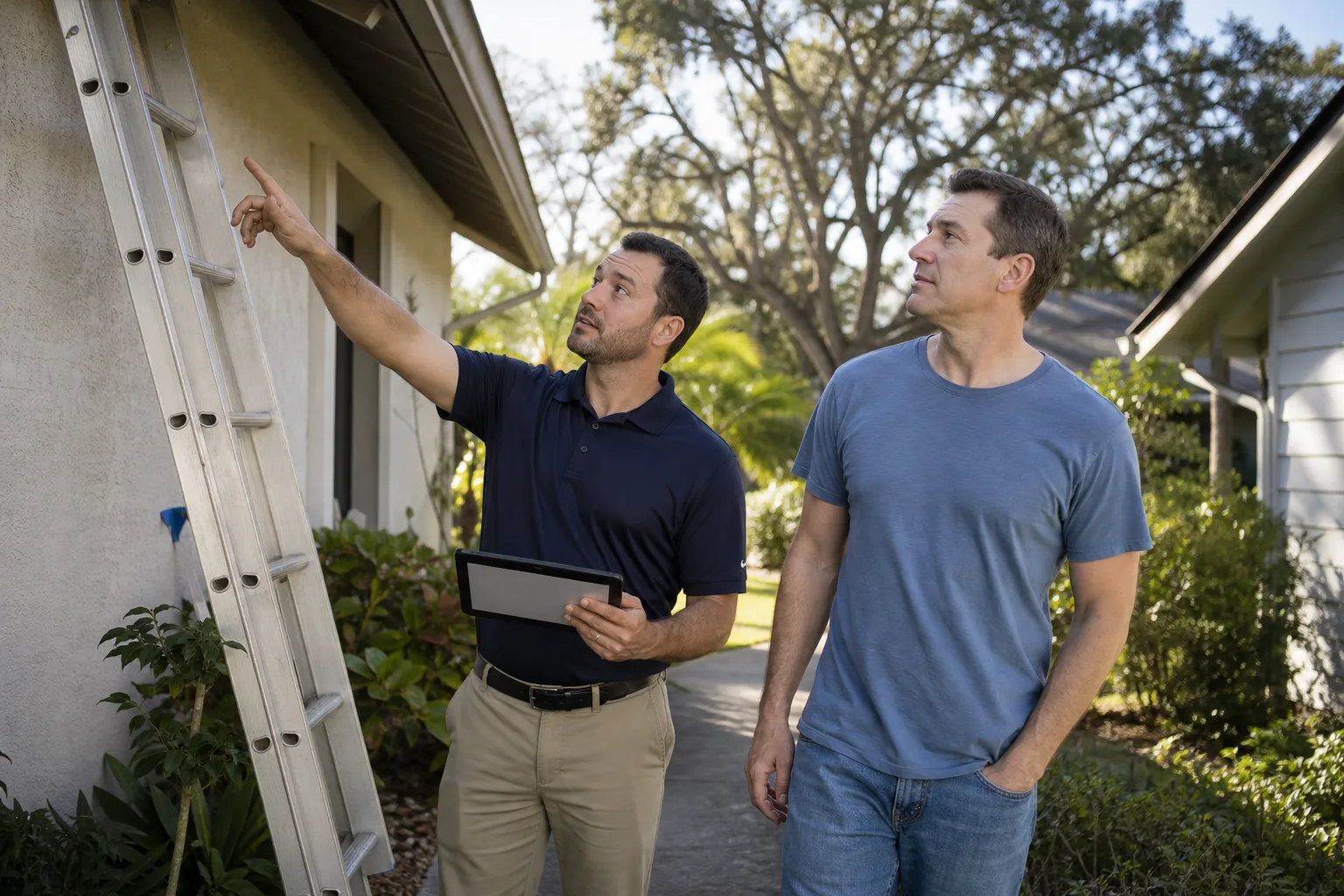
- Roofing
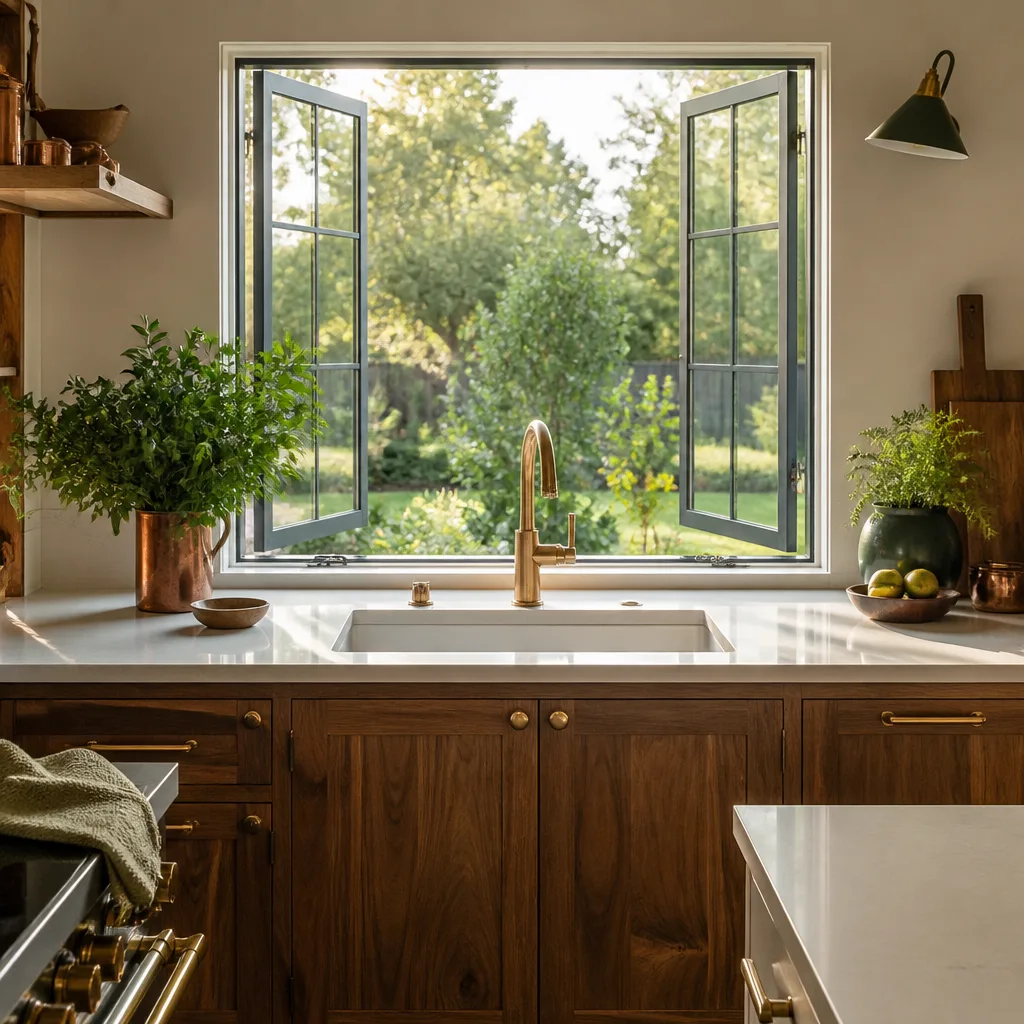
- Windows & doors
- Driveway & pavers
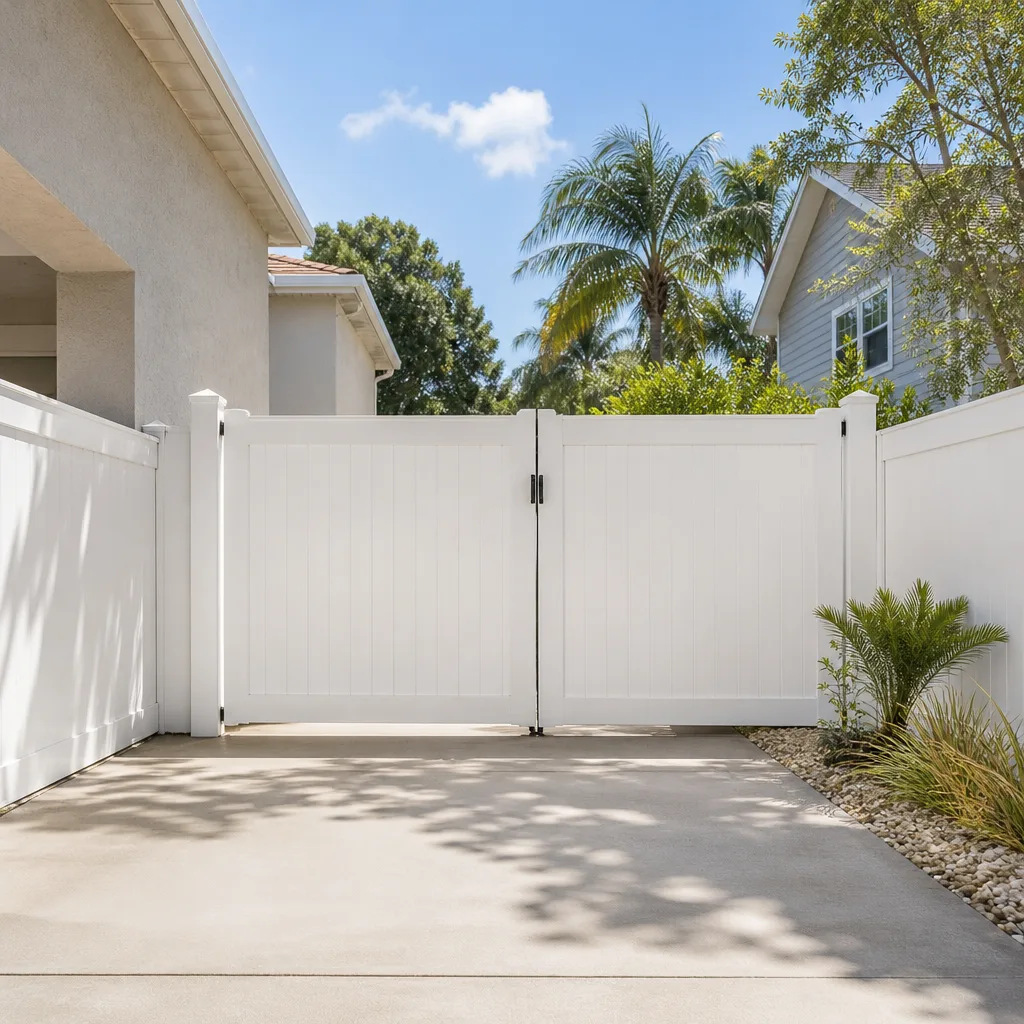
- Fence
Table of Contents
- Step 1: Look Up the License Beyond the Status
- Step 2: Verify the Contractor Actually Pulls Santa Ana Permits
- Step 3: Read the Change Order Clause Before You Sign
- Step 4: Understand Why Owner-Operated Contractors Are More Accountable
- Santa Ana-Specific Red Flags to Watch For
- How to Compare Bids Without Getting Tricked
- What a Solid Construction Contract Should Include
- Santa Ana Neighborhood Context That Affects Your Project
Step 1: Look Up the License Beyond the Status
Every guide tells you to check the CSLB license lookup. Almost none tell you what to look at once you’re on the page. The status field (“Active,” “Expired,” “Suspended”) is the least useful piece of information there. What you want is the sections most homeowners scroll past.
- Complaint disclosure. The CSLB page shows a “Complaint Disclosure” section for licenses with a history. Read the complaint type, not just the count. A single billing dispute is very different from a pattern of “poor workmanship” or “abandonment” complaints.
- Legal action history. Judgments, arbitration awards, and disciplinary actions all show up here. A contractor can carry an active license and still have three judgments against them.
- Classification codes. A B-General Building Contractor license is broad. If someone’s quoting you a roof job but only holds a C-license for concrete, they aren’t licensed for the work they’re selling.
- Bond and workers’ comp status. Check both. A contractor with no current workers’ comp bond and employees on your site is a liability you inherit.
- The associated personnel list. The name on the license is the person legally responsible. If the man at your kitchen table isn’t the one on the license, ask who is.
- Address on file. A CSLB address that matches a business you can drive past is a good signal. A mailbox suite in another county is not necessarily disqualifying, but it’s worth a question.
Run the lookup before the contractor’s truck is out of your driveway. Barrett & Sons publishes Tom Barrett’s name, address, and license number specifically so you can look all of it up before you sign a thing.
Step 2: Verify the Contractor Actually Pulls Santa Ana Permits
Santa Ana has its own online permit portal through the city’s Planning and Building Agency. You can search permit history by address or by contractor name. That means before you sign, you can see whether the contractor sitting at your table has pulled permits for other Santa Ana jobs. If the answer is “barely any,” ask why.
Any contractor can say they’ll pull a permit. What separates the ones who do from the ones who don’t is what happens when the job starts and no one has filed anything. A few practical checks:
- Ask who is named as the responsible party on the permit. If it’s the homeowner, that’s a warning. The contractor should be listed, not you.
- Ask what inspections are required for your specific project. A kitchen remodel, an addition, and a re-roof all have different inspection schedules in Santa Ana, and a contractor who can’t tell you what those are hasn’t pulled many.
- Ask to see a copy of the permit before demo starts. Not after. Before. Anyone who resists this has a reason.
- Check the portal after the permit is pulled. You should be able to see the permit number, the status, and the inspection record. The permit inspector works for you, not for the contractor. That’s exactly why good contractors welcome them.
Santa Ana’s older housing stock, particularly in neighborhoods like Floral Park and Washington Square, routinely triggers additional plan review because of prior unpermitted work. A contractor who knows this market will flag it before you get surprised.
Step 3: Read the Change Order Clause Before You Sign
Most construction disputes don’t start with a bad contractor. They start with a good contractor, a bad clause, and a verbal understanding that doesn’t survive the first unexpected framing issue. The change order is where a project either stays honest or slides into a surprise invoice.
Here’s what a real change order clause looks like. Look for language similar to this in your contract: “No additional work, material substitution, or scope adjustment shall proceed until a written change order stating the added cost and revised schedule is signed by both parties.”
That sentence does a lot of work. It ties every price movement to a signature. It rules out the “I’ll just grab a few more boards and settle up at the end” conversation. And it forces the contractor to price the change before the work happens, which means you get to say no.
What to watch for instead:
- Language like “additional costs may apply as needed” with no definition of “needed.”
- Allowances listed without specific dollar amounts. An allowance that isn’t on paper is a surprise waiting for a date.
- Verbal assurances at the table that never appear in the document.
- “Time and materials” scopes without a not-to-exceed ceiling.
- Any contract where the owner’s signature line is the last page and nothing follows it.
If the contractor hands you a contract without a change order clause, ask them to add one. How they respond tells you everything about how the job will go.
Step 4: Understand Why Owner-Operated Contractors Are More Accountable
When a national outfit sells you a kitchen, the person at your table is a sales rep. The person running the job is a project manager you’ve never met. The crew installing the cabinets may be two subcontractors deep. When something goes wrong, you’re calling a call center, and the call center is calling a regional manager, and the regional manager is calling someone who is no longer assigned to your job.
An owner-operated company works differently. The name on the truck is the name on the contract is the person who answers the phone. If the tile is set wrong, there’s one call to make, and the person taking that call is the one who has to look you in the eye at the hardware store on Saturday.
In Santa Ana, where contractors range from one-truck family businesses to regional franchise branches, this matters more than most homeowners think. Local crews know the specific quirks of the market: the permit reviewers at the Santa Ana building department, the older plumbing in the neighborhoods off Seventeenth Street, the clay soil and drought-cycle soil movement that wrecks poorly-built fences and driveways.
Barrett & Sons was founded in 1998 and remains owner-operated, with the owner’s sons running crews to this day. Every job follows the same standard: permits pulled on every eligible job, written change orders before any scope change touches the work, and a written 90-Day Done Right Promise on every contract. That promise is one call. If something isn’t right in the first ninety days, the owner comes back and makes it right. A franchise structure doesn’t work that way, because the accountability chain is longer than the promise.
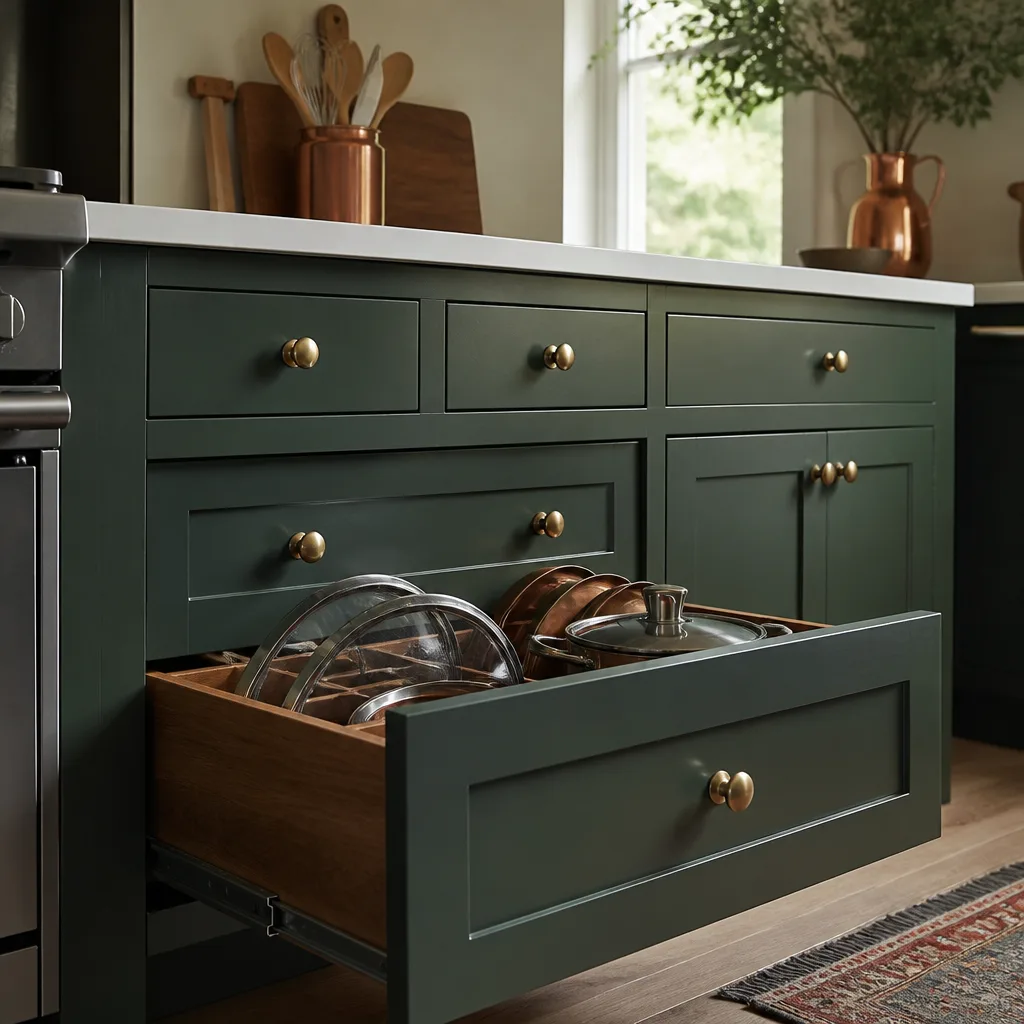
If your project touches kitchen remodeling, a full kitchen gut in a 1950s Santa Ana home can surface three or four change orders before drywall, and the difference between an owner-operated crew and a dispatch model shows up fast.
Santa Ana-Specific Red Flags to Watch For
The Santa Ana contractor market has its own patterns. These are the ones we see most often, and they aren’t the ones on the generic checklists.
- Door-to-door solicitation after a storm. After a big Santa Ana wind event or an atmospheric river, out-of-area crews appear offering immediate roof repairs and tree removal. Most don’t have a Santa Ana business license, and once the work is done, they’re gone. If they knocked on your door, ask to see the CSLB license before you say another word.
- Bids that exclude permit fees. A bid that lists permit costs as “TBD” or “by owner” is a bid that will grow by $400 to $2,000 the moment the contractor files. A real bid includes permit fees as a line item.
- Verbal price assurances with no written backup. “Don’t worry, that’s included” means nothing without a signature line. Written change orders exist because memories differ.
- Asking for more than 10% down. California law limits contractor deposits to 10% of the contract price or $1,000, whichever is less. Anyone asking for 30% upfront is either unaware of the law or betting you are.
- Pressure to skip the permit. “We don’t need a permit for that” is often true for cosmetic work and almost always false for structural, electrical, plumbing, roofing, and additions. In Santa Ana, an unpermitted addition can void your insurance and derail a future sale.
- No physical address on the contract. A licensed California contractor must list a business address. A PO box or a phone number alone is not a substitute.
- Crews who arrive in unmarked trucks with no name. Not disqualifying on its own, but combined with a salesman who’s never on site, it tells you the accountability chain is long.
How to Compare Bids Without Getting Tricked
Three bids is standard advice, but the wrong bids compared the wrong way will lead you to the wrong contractor. The lowest number is almost never the right one, and the highest isn’t automatically the best. What matters is what each bid actually contains.
Ask every contractor to submit the same document structure so you can compare apples to apples. Specifically, request:
- A line-item scope describing exactly what will be demoed, installed, finished, and hauled away.
- Named materials with brand and model where relevant. “Premium cabinets” is not a material spec. KraftMaid, Cambria, GAF, and Andersen are. Materials you can look up are materials you can hold the contractor to.
- Allowance amounts in dollars for anything not yet selected (tile, fixtures, paint color).
- Permit fees listed separately from labor and materials.
- The change order clause, verbatim.
- The payment schedule, with amounts tied to milestones rather than dates.
- The warranty language, written out.
Once the bids are in front of you, compare the same lines. A bid that’s $6,000 cheaper because it excludes permit fees, hauls away nothing, and lists “standard cabinets” isn’t cheaper. It’s a smaller contract with more change orders waiting behind it.
At Barrett & Sons, we offer a free second opinion on any written estimate you’ve already received. No charge, no trip charge inside the county. If another contractor’s bid looks thin, this is a way to compare side by side.
What a Solid Construction Contract Should Include
California requires specific elements in a home improvement contract, and a good contract goes beyond the minimum. Here’s what should be on every page.
- The contractor’s name, business address, and CSLB license number, printed on the contract itself.
- A detailed description of the work, materials, and total price.
- Permit fees and any allowances listed separately with dollar amounts.
- The payment schedule, tied to concrete milestones (demo complete, rough-in inspected, cabinets installed) rather than calendar dates.
- A written change order clause as described above.
- The 3-day right to cancel, required under California Business & Professions Code section 7159.
- Warranty language, written out, with a stated duration and who honors it.
- A start date and a substantial completion date.
If any of these are missing, ask. The contract is the only document that governs the job once the handshake is over. Take the time to read it end to end, and don’t sign a version you don’t have a copy of.
Santa Ana Neighborhood Context That Affects Your Project
Santa Ana isn’t a uniform city, and where your home sits changes what a project will actually involve. A few patterns worth knowing before you get bids.
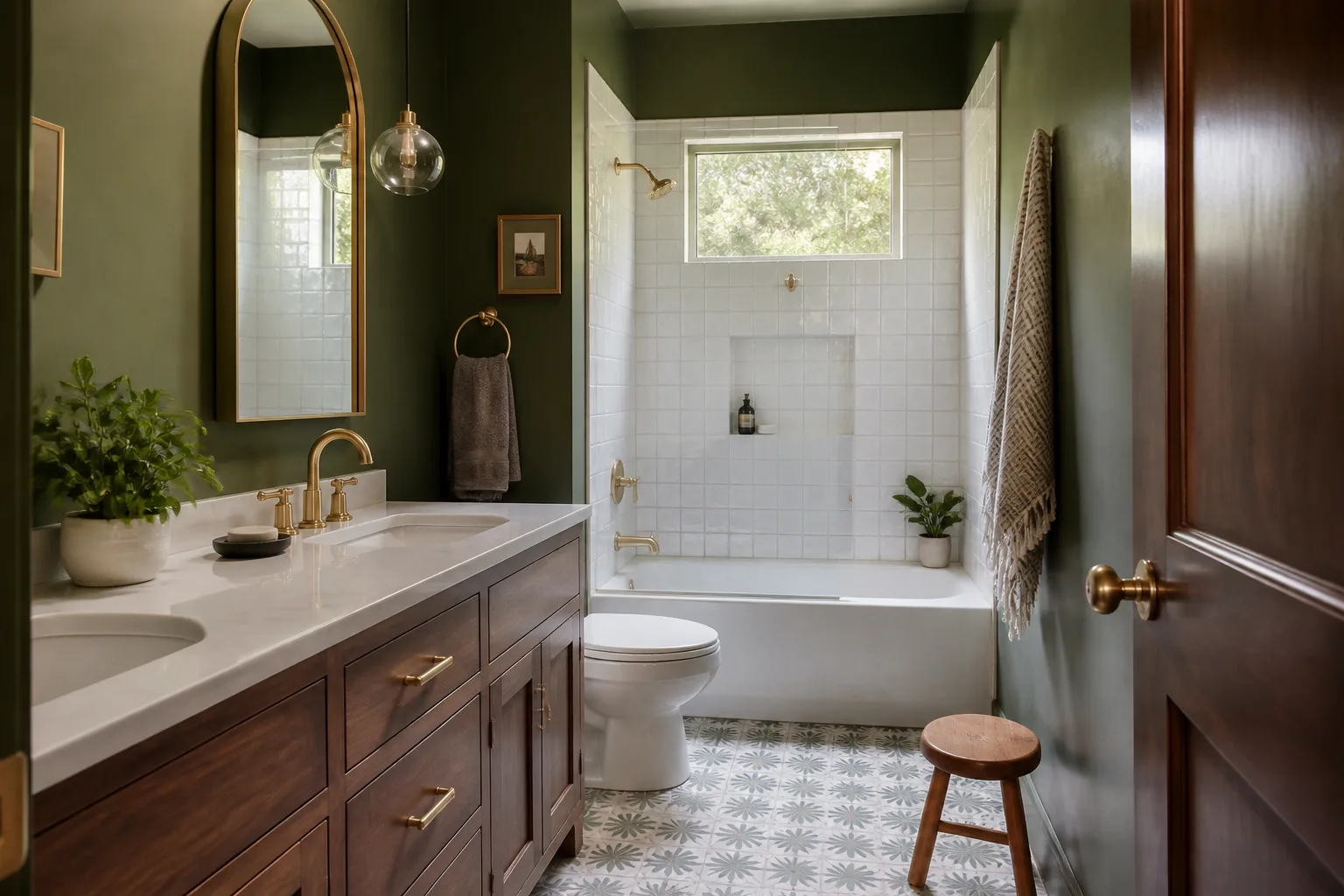
Older neighborhoods like Floral Park and Washington Square contain houses built from the 1920s through the 1950s. These routinely have knob-and-tube wiring remnants, galvanized plumbing runs, and prior unpermitted additions. A kitchen or bath remodel in these homes often surfaces two or three change orders before the walls are open. A contractor who has worked in these neighborhoods will flag this in the bid. One who hasn’t will pretend it won’t happen.
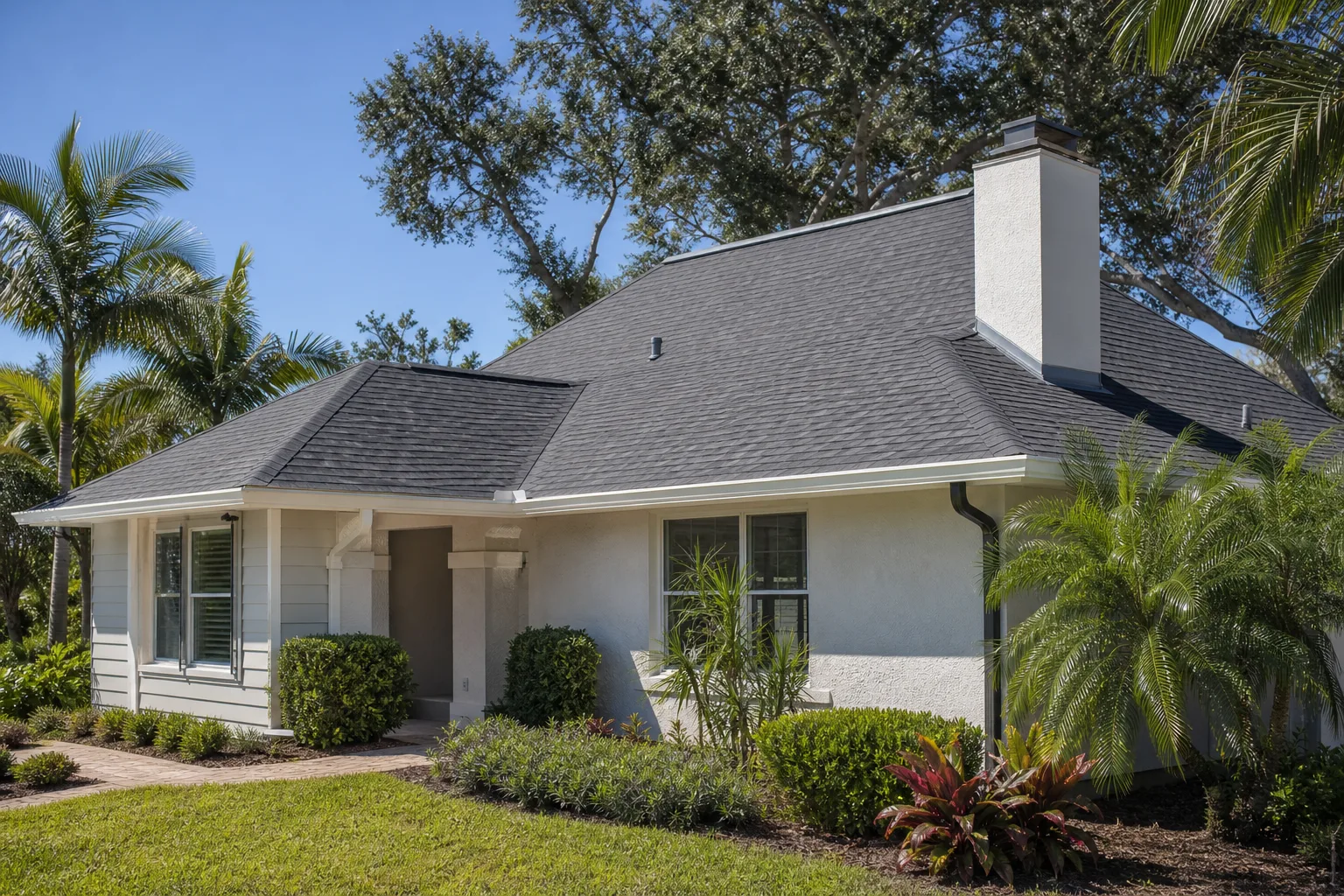
Mid-century neighborhoods in the southern part of the city often have original single-pane windows and forty-year-old asphalt shingles. Roof work there frequently triggers window and fascia work at the same time. If you’re comparing a roof bid against a roof-plus-windows bid, those aren’t the same project.
Soil and drainage matter more here than most of Southern California. Santa Ana’s clay-heavy soil expands and contracts with the wet-dry cycle, which means fences, driveways, and pavers installed without proper base prep heave and crack within a few seasons. A paver crew who doesn’t dig down and compact a proper base is a crew that will be back in two years, or won’t be.
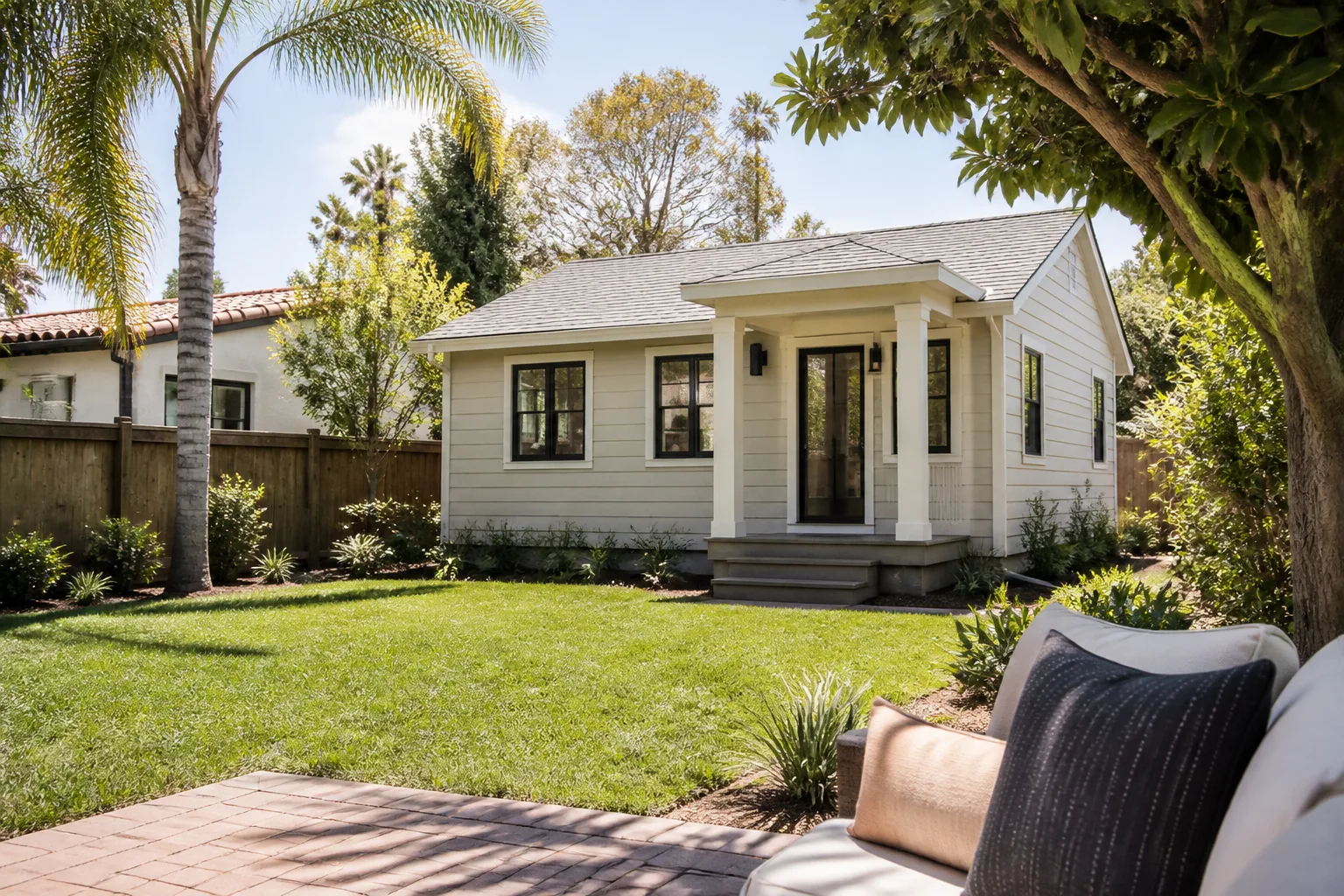
If your project touches a driveway or hardscape, our team handles Driveway & Pavers in Santa Ana with proper base prep specified in the written scope. Fencing follows the same rule – Fence Installation in Santa Ana done with named brands like Master Halco or Ameristar is a fence that holds its line. Home additions often begin the conversation, and Home Additions & ADU in Santa Ana covers the permitting and plan-review step that homeowners most often underestimate.
Common Mistakes to Avoid
- Checking only the license status. Every homeowner guide says “check the license.” Almost none say to read the complaint and legal action history beneath it. That’s where the real information lives.
- Accepting a verbal assurance about permits. If the permit isn’t filed and the contractor isn’t named as the responsible party, it isn’t going to happen. The Santa Ana permit portal will confirm it either way.
- Signing a contract with vague change order language. “Additional costs may apply” is not a change order clause. It’s an open invitation.
- Choosing the low bid because the line items look comparable. If the permit fee isn’t a line item, it’s not in the bid. That number is coming, one way or another.
- Paying more than 10% down. California law caps it. Any contractor who pitches more is either misinformed or testing you.
- Not asking who will actually be on site. If the person who quoted your job won’t be the one running it, you should know that before demo starts.
- Ignoring the soil and drainage in your specific yard. In Santa Ana, base preparation on driveways, pavers, and fences determines whether the work lasts five years or twenty. Ask how far down they dig before the base goes in.
See the difference
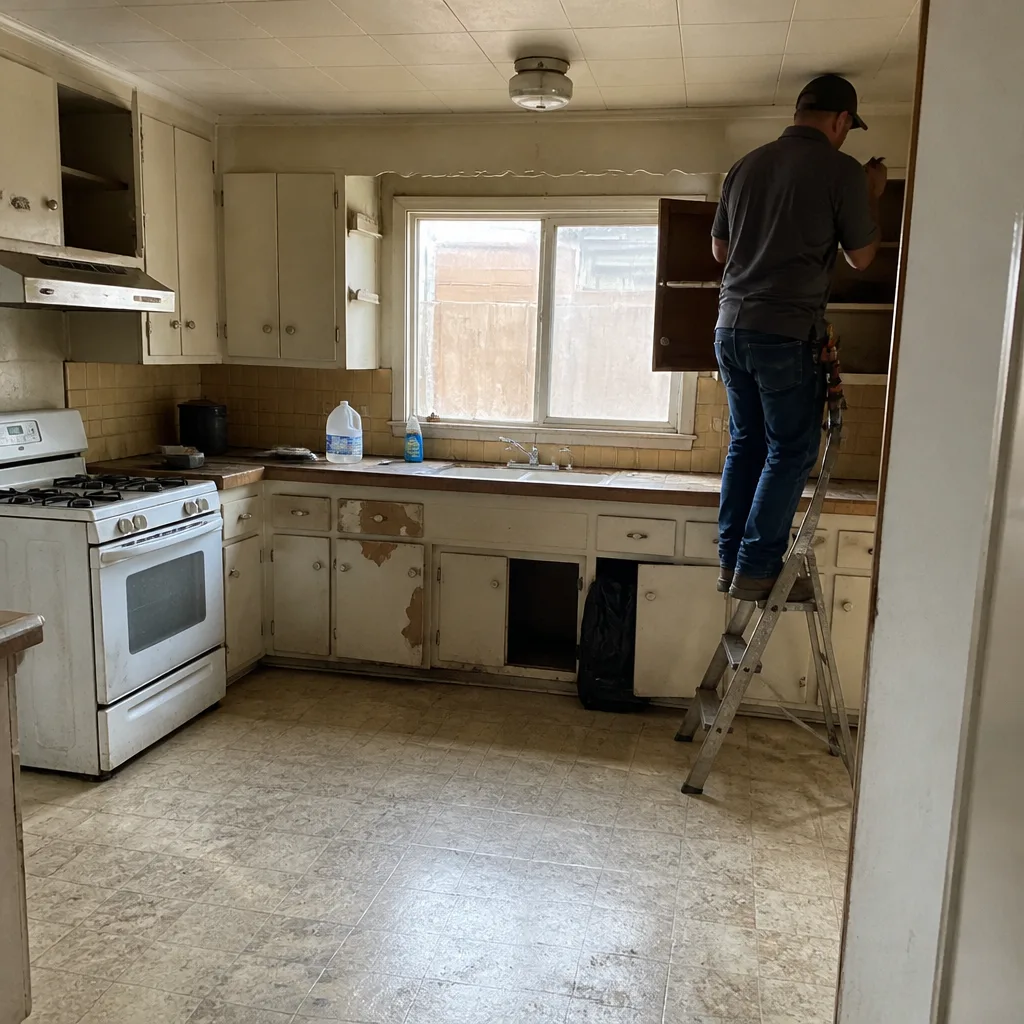 Before
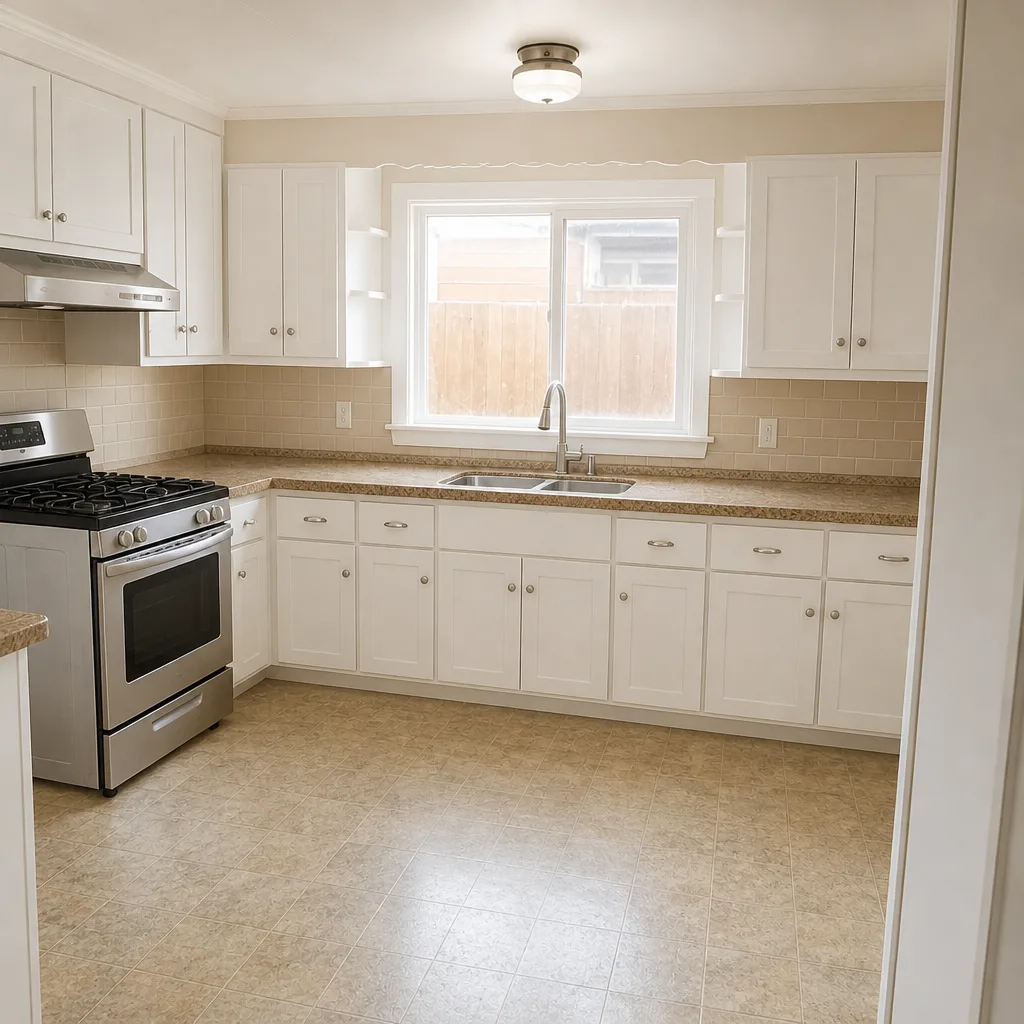 After
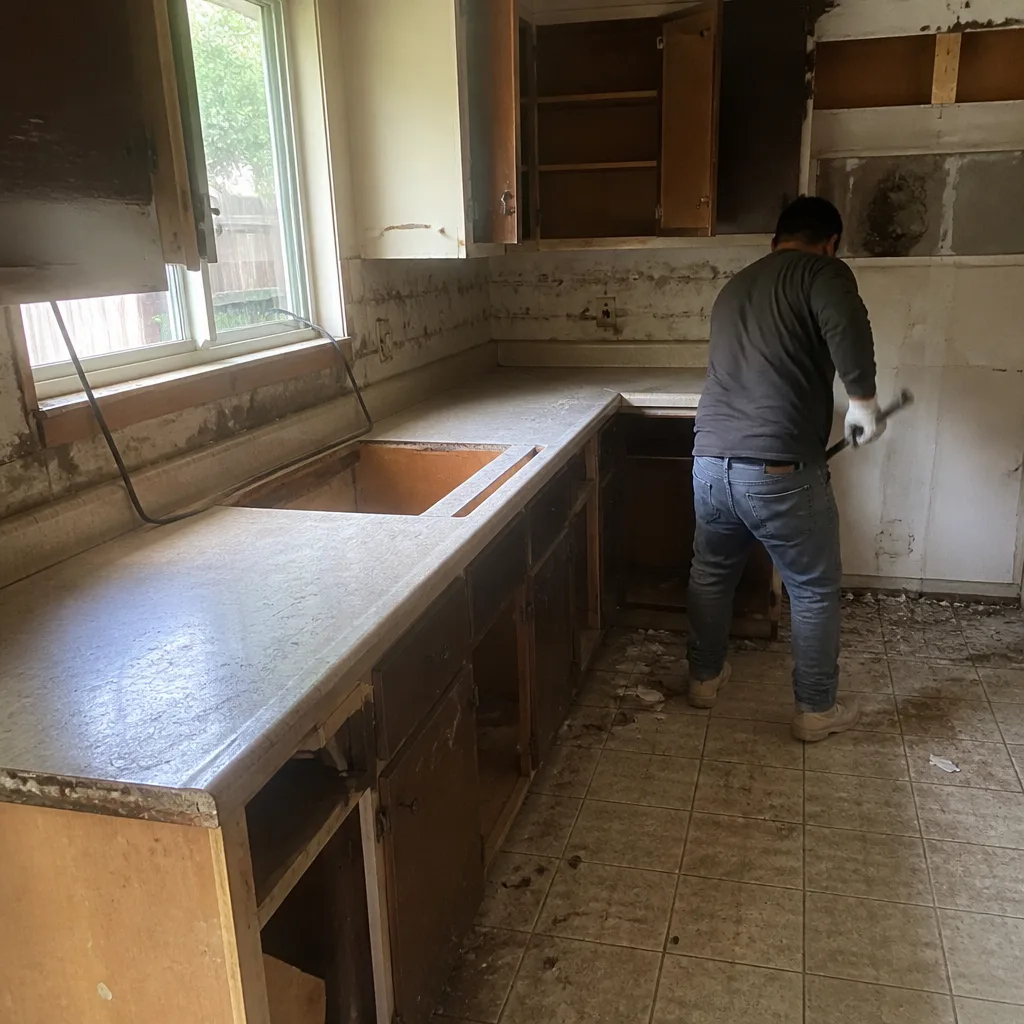 Before
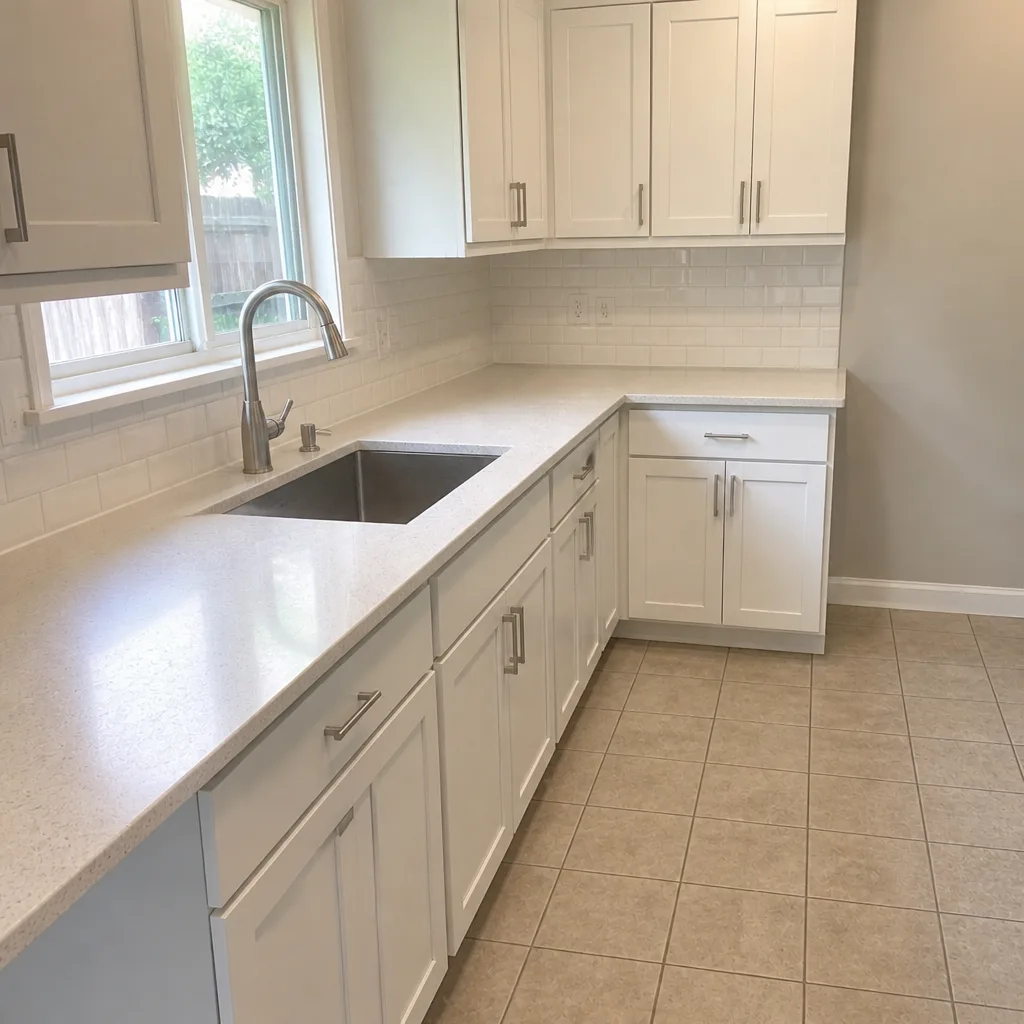 After
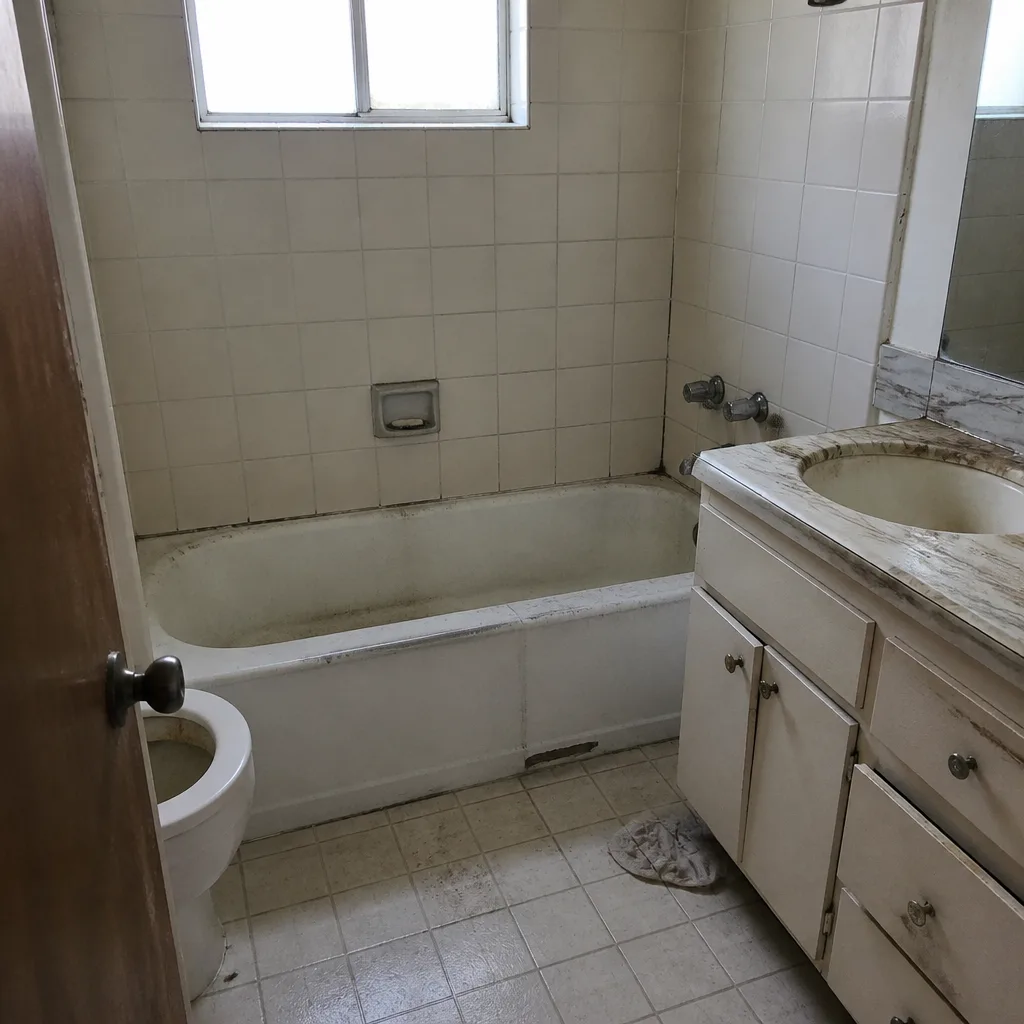 Before
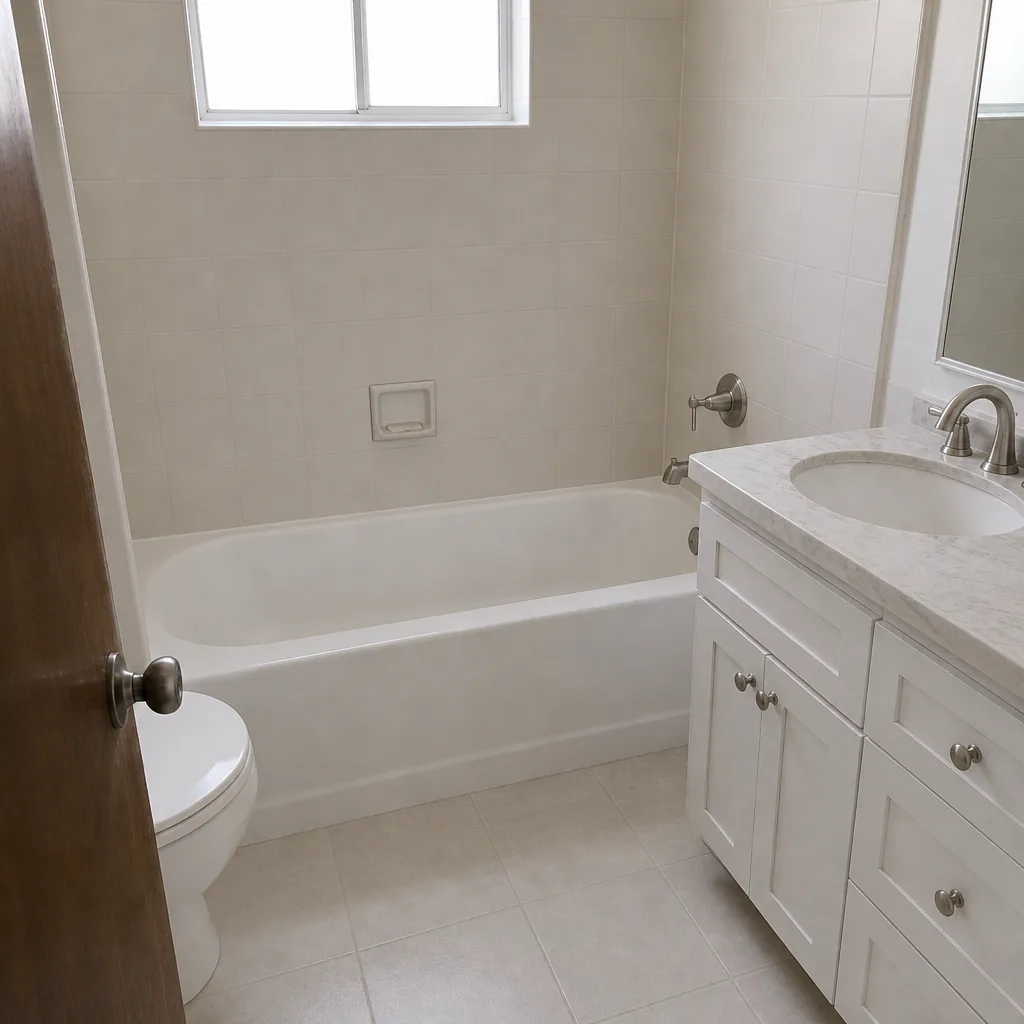 After
When to Call a Professional
Some jobs are genuinely DIY. Cosmetic painting, swapping a faucet, replacing a light fixture. Most construction work in Santa Ana is not. Call a licensed contractor when:
- Your project requires a permit (roofs, additions, structural changes, electrical panel work, any plumbing relocation).
- You’re opening a wall in a pre-1970s home and don’t know what’s behind it.
- You’re considering a change order in the middle of a job and need it priced before the work moves forward.
- Another bid came in dramatically under the others, and you want an independent read.
- Your driveway, pavers, or fence is moving, heaving, or cracking within the warranty period of a prior install.
Barrett & Sons Construction Santa Ana offers free estimates in Santa Ana, with written line-item pricing and the same 90-Day Done Right Promise on every completed job. Call (888) 325-4971 to schedule yours.
Frequently Asked Questions
Look up the license number on the CSLB website (cslb.ca.gov) and check the status, classification, complaint disclosure, and legal action history. The license number should appear on the contractor’s business card, contract, and any bid they submit. If someone can’t produce a license number, or the number doesn’t match the name on the contract, walk away. Call (888) 325-4971 if you want us to walk through the lookup with you.
In most cases, yes. Santa Ana requires permits for structural work, electrical, plumbing, HVAC, roofing, additions, and ADUs. Cosmetic work (paint, flooring over existing subfloor, cabinet swaps that don’t touch plumbing or electrical) often does not. The contractor should be named on the permit as the responsible party, not you. You can verify permits pulled on your address through the city’s online permit portal, and it’s worth checking before demo starts. Call (888) 325-4971 for a free estimate that includes permit fees as a line item.
A change order is a written document that adds, removes, or modifies scope and price on an existing contract, signed by both parties before the change happens. Yes, you need it in writing, every time. A verbal assurance at the kitchen table does not survive an unexpected framing issue, and “we’ll settle up at the end” almost always ends in an argument. If a contractor resists written change orders, that tells you something about how they plan to bill you. Call (888) 325-4971 for a free estimate that spells out the change order clause in advance.
The lowest bid is often the one that excluded permit fees, hauled-away debris, or finish materials. Those costs don’t disappear, they just show up later as change orders on top of the original number. The second-lowest bid usually ends up closer to the final bill on the low-bid contract. Compare line items, not totals: permits, materials, haul-away, and change order terms. Call (888) 325-4971 for a free second opinion on any written estimate you’ve received.
California law limits deposits on home improvement contracts to 10% of the total contract price or $1,000, whichever is less. If a contractor asks for 30% or 50% down, they’re either uninformed about California Business & Professions Code section 7159 or testing whether you are. Either way, that’s a serious warning sign. Call (888) 325-4971 for a free estimate with a payment schedule tied to milestones, not dates.
It’s a written guarantee on every construction and remodeling contract: if something isn’t done right within the first ninety days, one call brings the owner back to make it right. It’s printed on the contract, not buried in the fine print. Most workmanship warranties are six months to a year on paper and hard to enforce in practice; the difference here is that the person who answers the call is the person who has to fix it. Call (888) 325-4971 for a free estimate and a copy of the contract terms before you sign anything.
The Bottom Line
Hiring a contractor in Santa Ana comes down to a short list of things that actually filter out the bad ones. Verify the CSLB license beyond the status. Confirm in writing that permits will be pulled with the contractor named as the responsible party. Require a written change order clause and read it before you sign. Compare bids by line item, not by total. And prefer an owner-operated company whose name, address, and license you can look up before the truck shows up. Everything else is noise. If you want a second opinion on any bid you’ve received, we’re happy to take a look at no charge.
Give us a call at (888) 325-4971 for a free estimate. Whether you’re planning a kitchen, a roof, windows, an ADU, or a full exterior refresh, we’ll put the scope in writing, pull the permits, and back the work with the 90-Day Done Right Promise. Start by visiting Barrett & Sons Construction Santa Ana home to see the full set of services, or call us today and we’ll walk through your project.
Written by the team at Barrett & Sons Construction Santa Ana.