Free written scope consultation - allowances, timeline, and change-order rules on paper before a single trade is scheduled
Styles & brands we work with
- Kitchen remodeling
- Bathroom remodeling
- Home additions & ADU
- Roofing
- Windows & doors
- Driveway & pavers
- Fence
See the difference
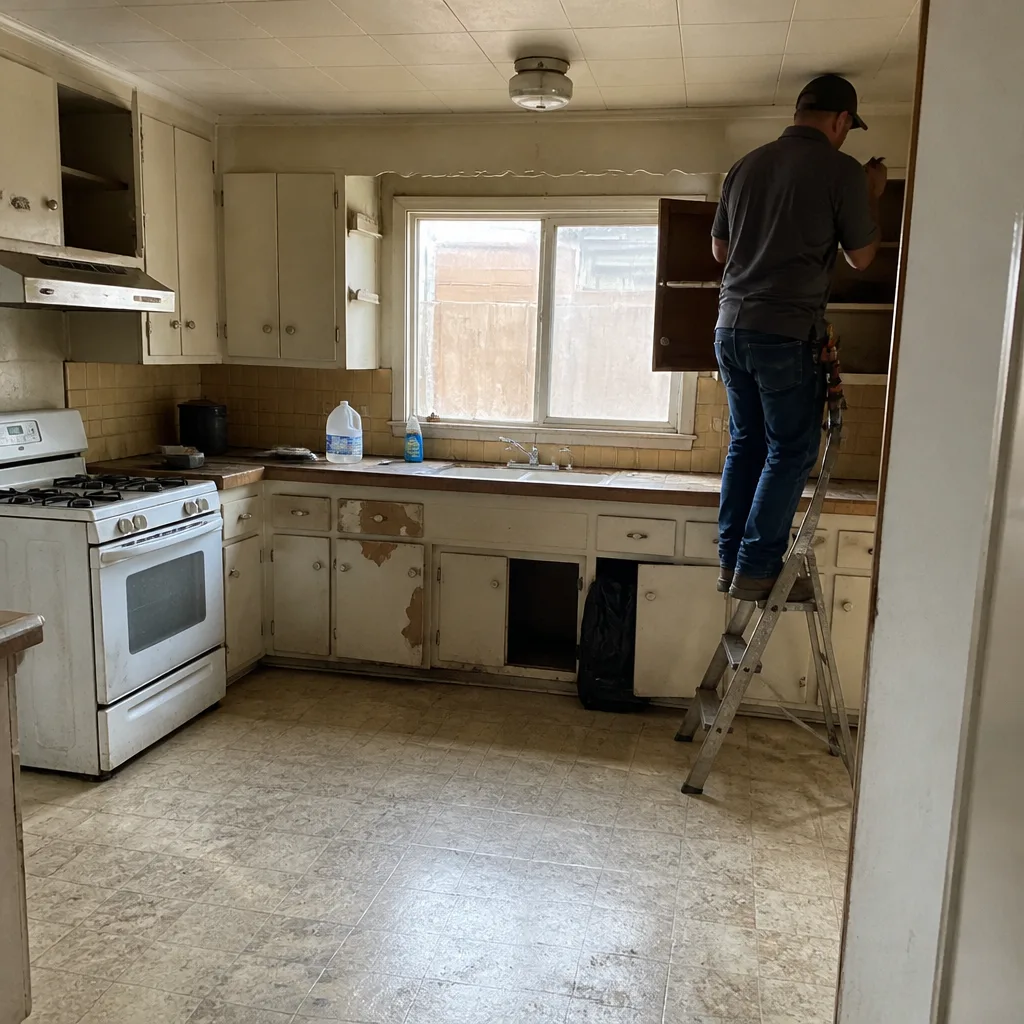 Before
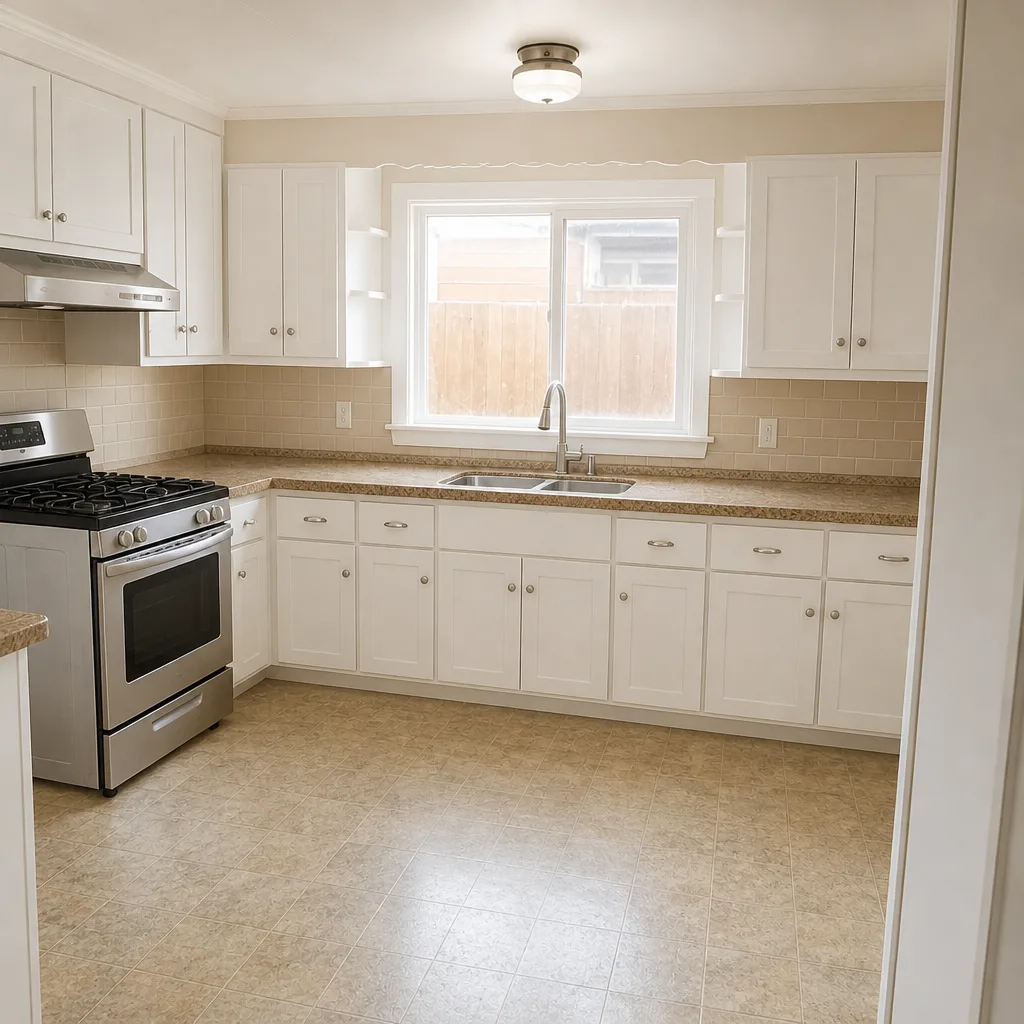 After
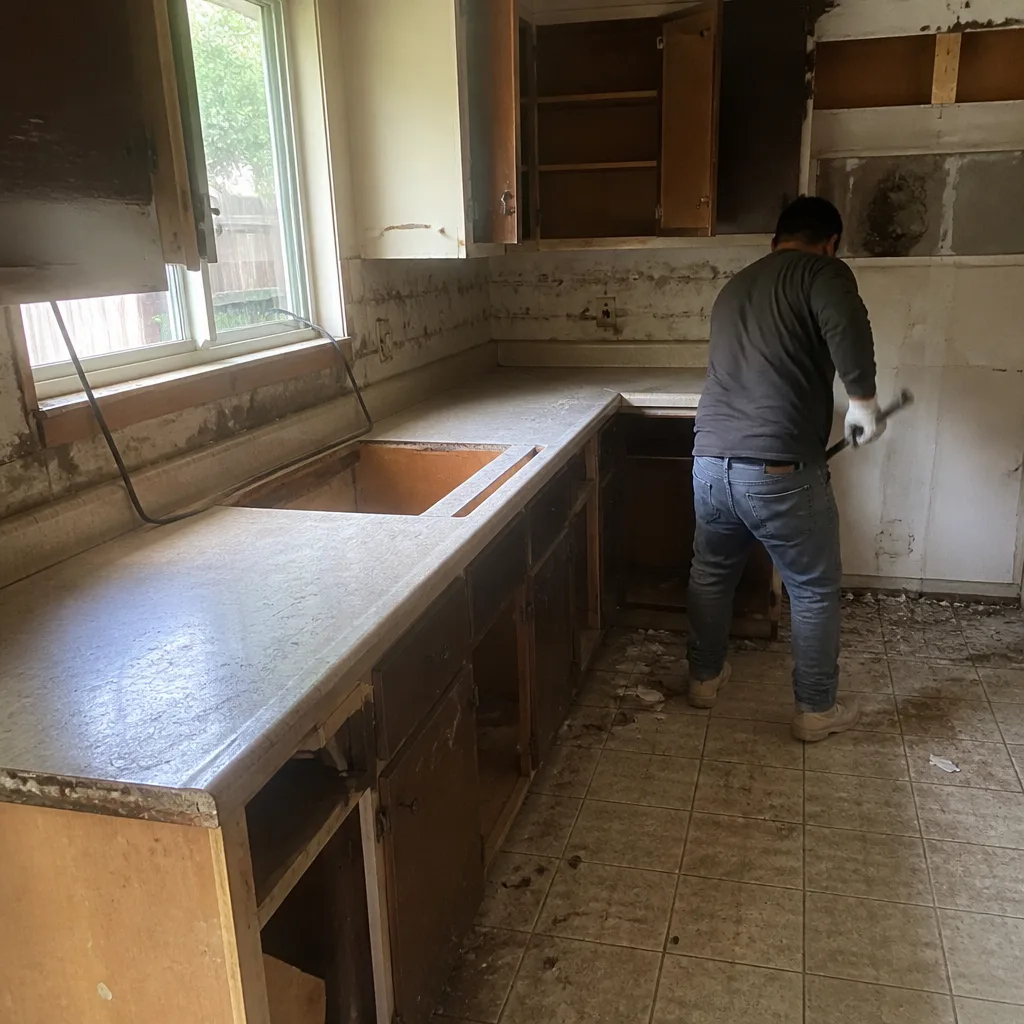 Before
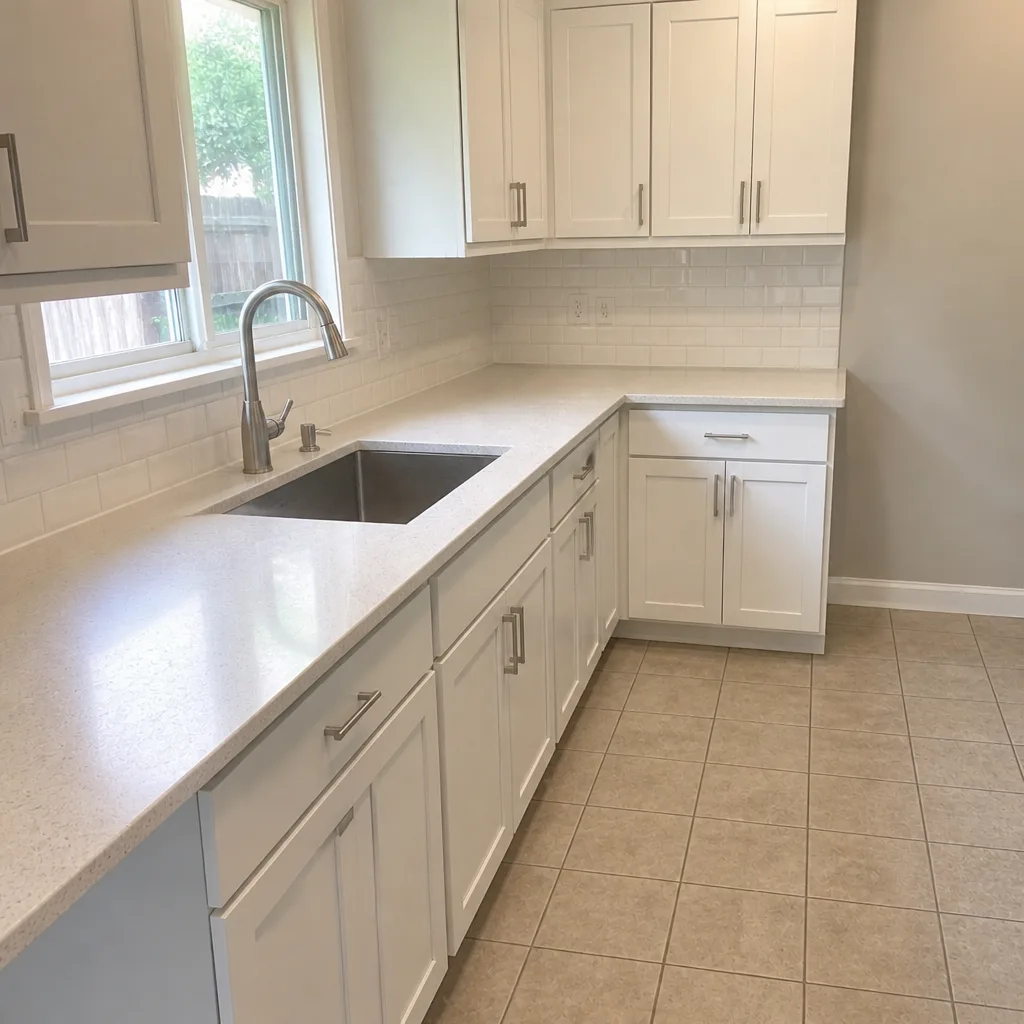 After
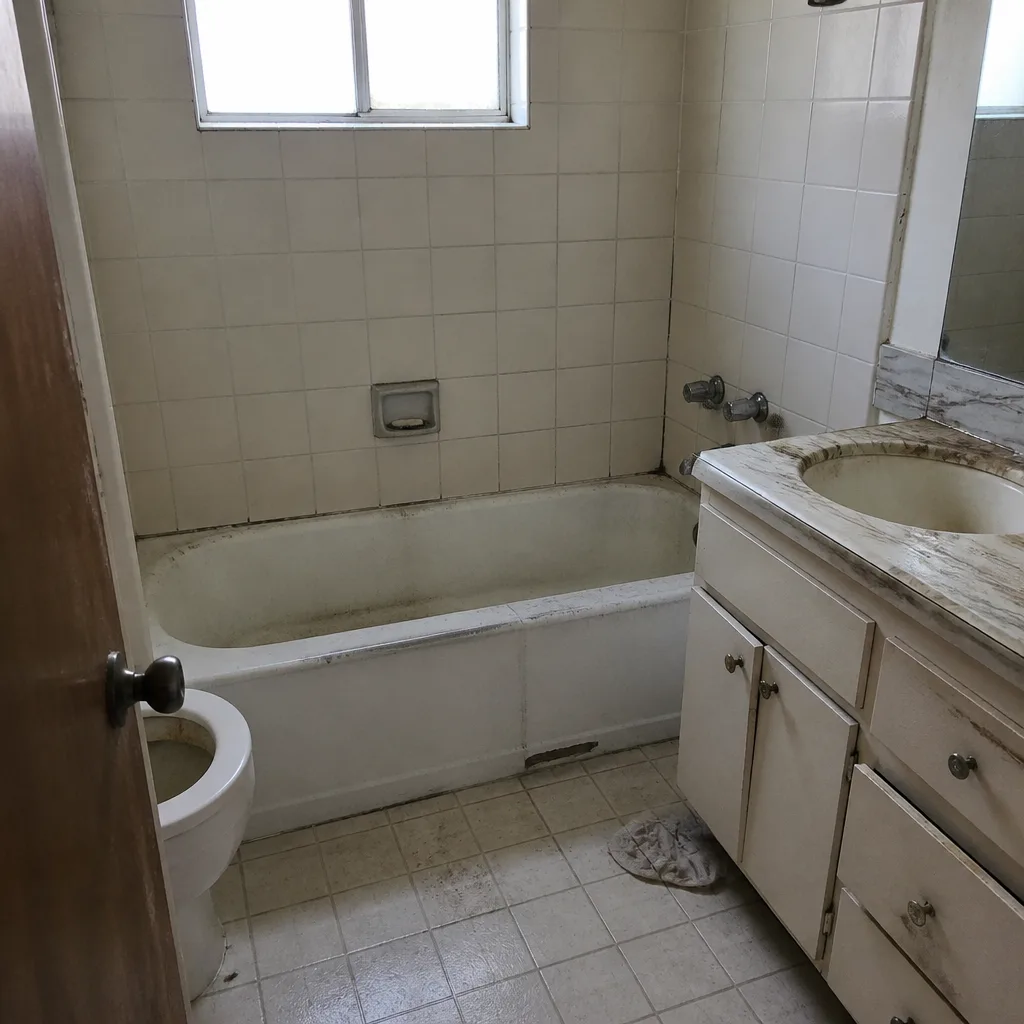 Before
 After
What Is the First Step in a Kitchen Remodel in Santa Ana? Check the Permit History First
The first step in a kitchen remodel in Santa Ana is pulling your property’s permit history before you pick a cabinet color or call a contractor. Specifically, you’re looking for any addition, garage conversion, or electrical panel upgrade that never received a final inspection sign-off. If something was built without permits, the City will flag it the moment you submit your remodel permit, and that’s the discovery that turns a $14,000-$45,000 kitchen job into a $40,000 one. A quick records check now, before design starts, costs you an afternoon. Finding out at permit submittal costs you weeks and money. Questions about your specific property? Call (888) 325-4971.
Santa Ana is one of those cities where this matters more than most. The older core around Lacy, Artesia, French Park, and Wilshire Square is full of 1920s-1950s bungalows, Craftsman, and Spanish Colonial Revival homes where the “extra room for family” or the converted garage was never built to current code. That’s the local reality, and any remodel plan that ignores it is a plan built on sand.
How Do You Pull the Permit History for a Santa Ana Home?
You have two paths, and both are worth doing.
- Online portal first. Start with the City of Santa Ana’s online permit and records search. Plug in your address and scan for every issued permit on the property, then match each one against its final inspection status. An open, expired, or missing final is your red flag.
- In-person records request next. For older homes, online records are often incomplete, especially pre-1980s work. Walk into the City’s planning and building counter and request the full file. Old paper permits, hand-drawn plans, and inspection cards tell you what actually happened here.
What you’re specifically hunting for: any addition, any garage conversion, and any electrical panel upgrade that doesn’t have a final sign-off. In pre-1960 Santa Ana homes, knob-and-tube wiring and early panels are still common, and half the time a previous owner swapped a panel without pulling a permit. When we walk a kitchen, the panel is one of the first things we look at, because it shapes the whole scope.
If you’d rather have someone who reads permit files for a living do it, that’s a reasonable place to start. We’ve been navigating Santa Ana legalization work in neighborhoods like Lacy and French Park for years, and we can spot the likely problem areas on a walkthrough before anything gets filed.
What Happens If the City Finds Unpermitted Work During Your Remodel?
The permit review stops, and you can’t move forward until you either legalize the unpermitted work or remove it. That’s the permit-after-the-fact (PATF) process, and in Santa Ana it’s a routine part of remodeling older homes rather than an exception.
Legalizing means drawing the work up to code, getting it inspected, and pulling the paperwork trail into the open. Removing means tearing it back out to its permitted state. Either way, it happens before your new kitchen permit can proceed. That added scope is exactly where a $14,000 budget slides toward $40,000, and it’s why we treat the permit history check as step one and not step eight.
The flip side: the permit inspector works for you, not for us. An inspected, signed job is one you can sell, insure, and sleep on. Our Kitchen Remodeling in Santa Ana page covers how we pull and sign off every eligible job, because the last contractor most customers used told them permits were optional. They weren’t.
What Does a Real First Appointment Look Like?
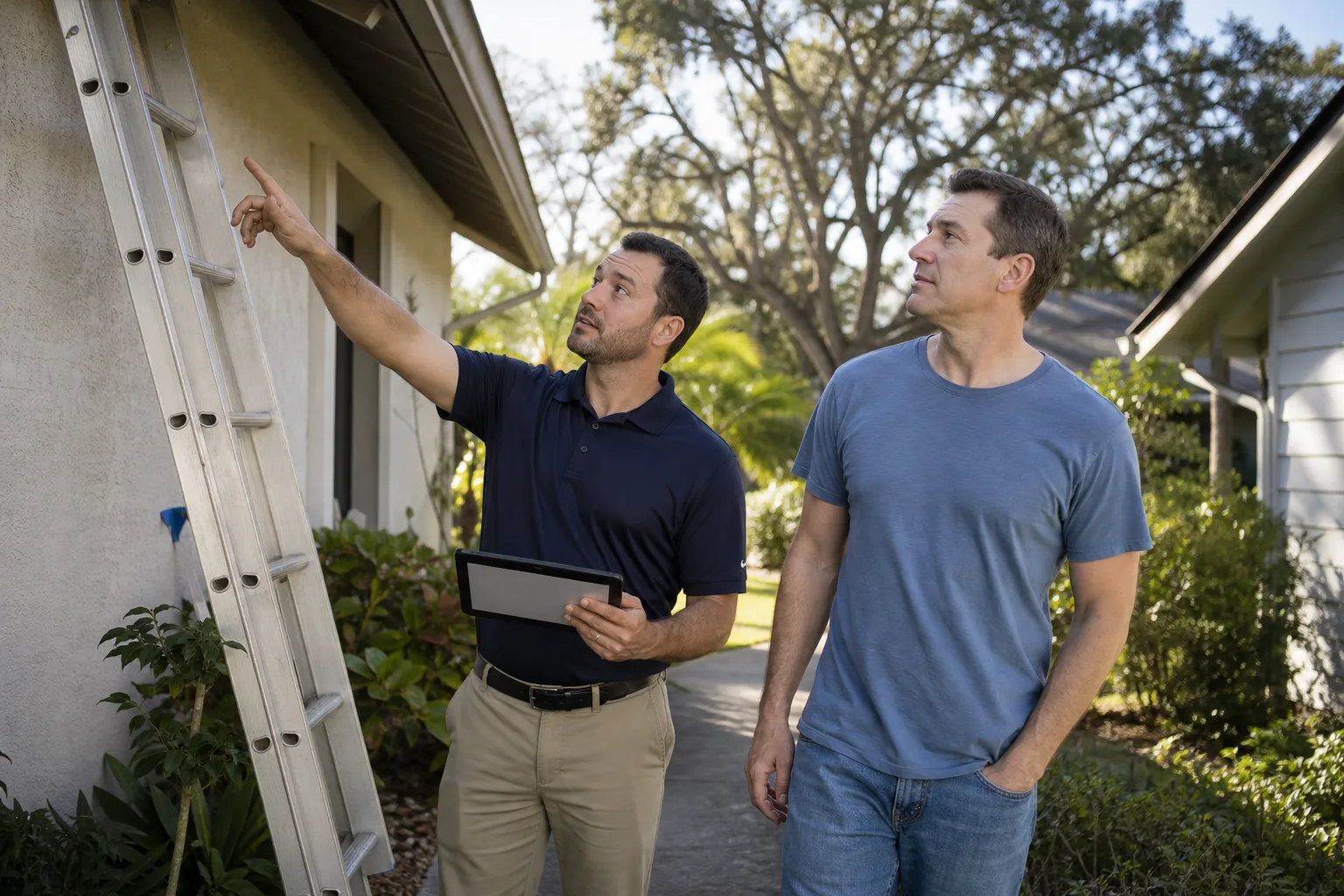
Before design, before a cabinet style, we walk the room and read the house. With Barrett & Sons Construction Santa Ana, that first visit is practical rather than a sales pitch.
- The walk-through. Someone from the family walks the kitchen with you and notes what’s actually there versus what the drawings will assume.
- The panel check. Older wiring and undersized service are common in Santa Ana’s pre-1960 stock. We look, because a kitchen with a new range and no panel capacity is a different project.
- The drain stack. We check access to the drain and supply lines, since moving a sink or adding an island depends on what’s behind the wall.
- The permit question. We ask directly whether any work on the house was done without a permit. Your answer shapes the entire scope.
That conversation is free, and it’s where a lot of surprises get caught early. When history checks out clean, we sit down to design the room properly. You can see how the full scope fits together on our home page.
Why the Written Change-Order Habit Belongs in the Planning Step
The first step isn’t just checking records. It’s choosing a contractor whose process makes planning reliable instead of hopeful. Every scope item, every allowance, and every price revision arrives as a written change order before work happens. That’s the difference between a budget you can plan against and a bill that arrives at the end. An allowance that isn’t on paper is a surprise waiting for a date.
So here’s the shape of a Santa Ana kitchen budget, as a planning tool rather than a quote:
| Item | Typical range (Santa Ana) |
|---|---|
| Full kitchen remodel | $14,000-$45,000 |
| Small kitchen remodel | $9,000-$20,000 |
| Cabinet installation (KraftMaid, Wellborn) | $4,000-$13,000 |
| Countertop installation | $2,000-$6,500 |
| Backsplash | $800-$2,500 |
| Kitchen island | $3,000-$10,000 |
Now add the legalization piece if the records show unpermitted work: a garage conversion running $30,000-$80,000, or an ADU running $90,000-$220,000, changes the plan. That’s why the records check comes first. If removals and legalization land mid-remodel, you’re paying for a discovery you could have made for free.
Does a Historic or Conservation District Change the First Step?
If your home sits in French Park, Wilshire Square, or another Santa Ana conservation area, yes. The first step includes confirming with the City whether any exterior change requires design review.
A new kitchen window. A range hood vent through the wall. A changed exterior door. Those are the small items that trigger review in a historic district, and finding out during permit submittal adds weeks. Finding out at the first appointment costs nothing. We factor preservation review into routine remodels in these neighborhoods because we’ve watched it delay projects that skipped this check.
This is also where the Santa Ana climate sneaks in. Hot, dry winds and inland heat, often 10-20°F hotter than coastal Orange County, push a lot of homeowners toward better insulation and shade during a kitchen redo. Those upgrades sometimes touch the exterior envelope, which sometimes touches design review. Same rule applies.
A Few Key Takeaways
- Pull your permit history before design or contractor selection. Look for additions, garage conversions, and panel upgrades lacking final sign-off.
- Unpermitted work flagged during review must be legalized or removed before your permit proceeds.
- Historic and conservation districts can add a design review step for exterior changes.
- Choose a contractor whose change orders are written, so the plan holds.
- Decisions about materials are easier once the house is understood, and well-known brands like KraftMaid and Wellborn are choices you can look up and compare.
We’re the owner-operated alternative to the national outfits that quote one price on the phone and show up with another. If you’d rather not sort through permit records alone, we’ll do it with you.
FAQs
It depends on whether the bones are sound. If the panel, wiring, and drain access are fine and the permit history is clean, a targeted update inside the $14,000-$45,000 kitchen range is usually the better value. If legalization work is waiting in the records, weigh that against a full remodel before committing.
Kitchen remodels in Santa Ana typically run $14,000-$45,000, with small kitchens landing closer to $9,000-$20,000. Cabinets, counters, and a backsplash sit inside that range. Unpermitted work that has to be legalized is the most common reason a budget moves higher, so check records before you set the number.
In most cases we can schedule a walkthrough quickly, and a live person answers the phone around the clock. Call (888) 325-4971 and we’ll set a time to read the house, the panel, and the permit history before anyone talks about cabinet doors.
Yes, most kitchen remodels in Santa Ana require a permit, particularly when you’re moving plumbing, electrical, or walls. We pull permits and sign off inspections on every eligible job. That paper trail protects you when you sell, and it’s why the permit history check belongs first.
If you’d rather have it looked at, Barrett & Sons Construction Santa Ana offers a no-pressure assessment in Santa Ana. Call (888) 325-4971 for a free estimate, and we’ll start with the records.
Written by the team at Barrett & Sons Construction Santa Ana, serving Santa Ana, CA.