Free written scope consultation - allowances, timeline, and change-order rules on paper before a single trade is scheduled
Styles & brands we work with
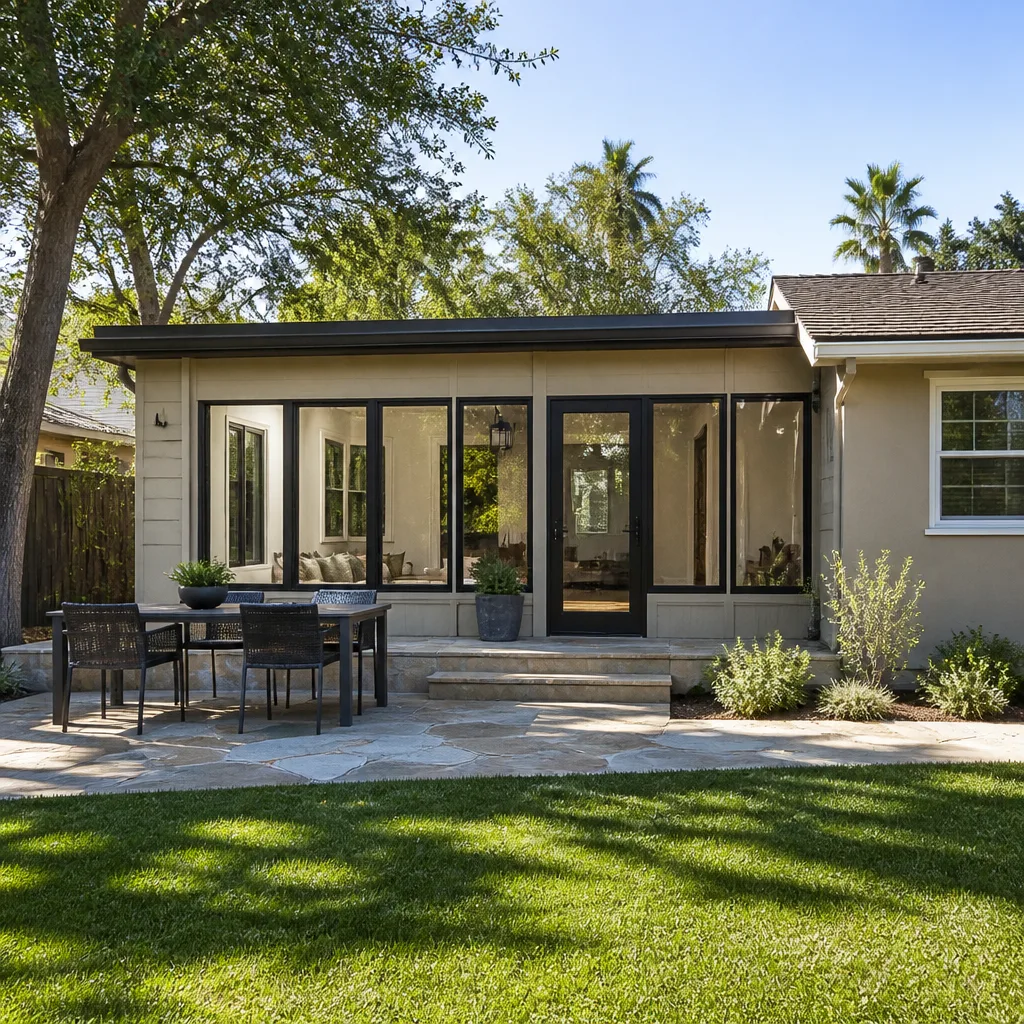
- Kitchen remodeling
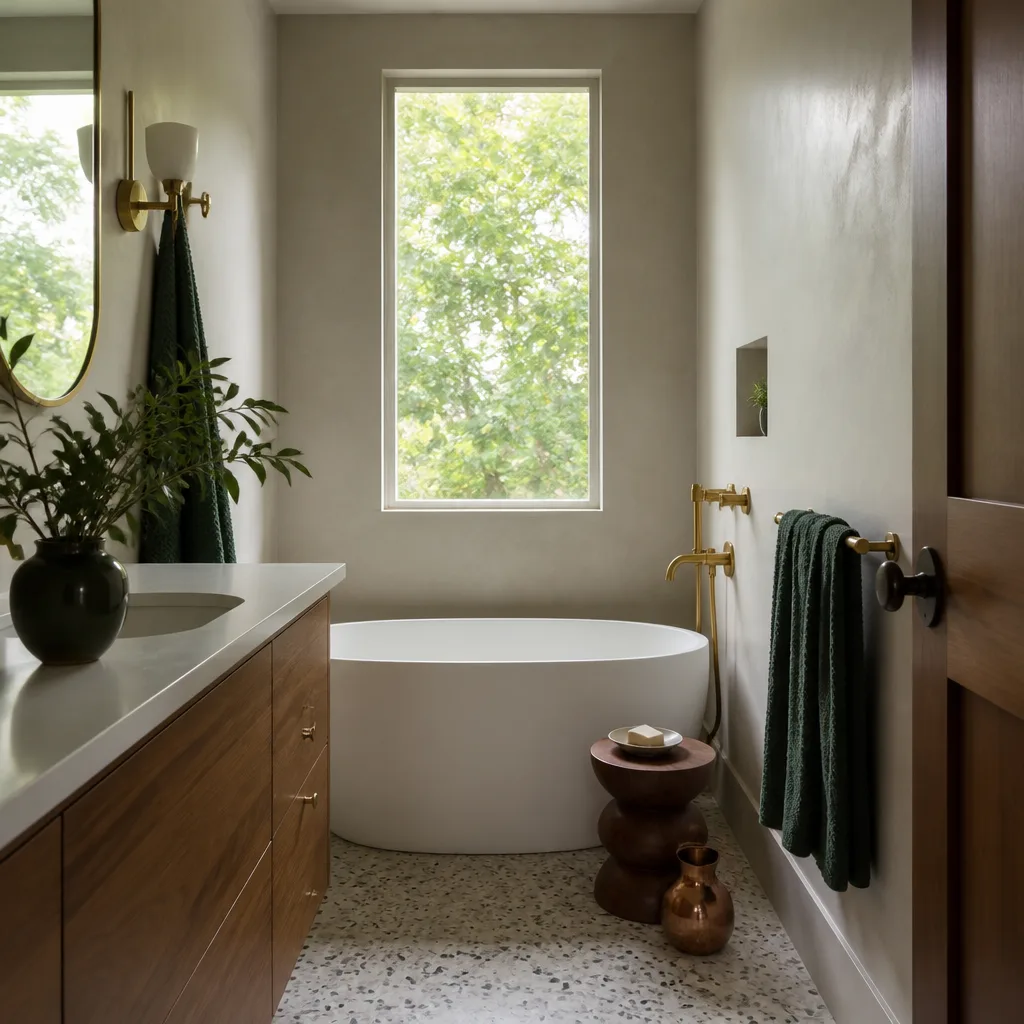
- Bathroom remodeling
- Home additions & ADU
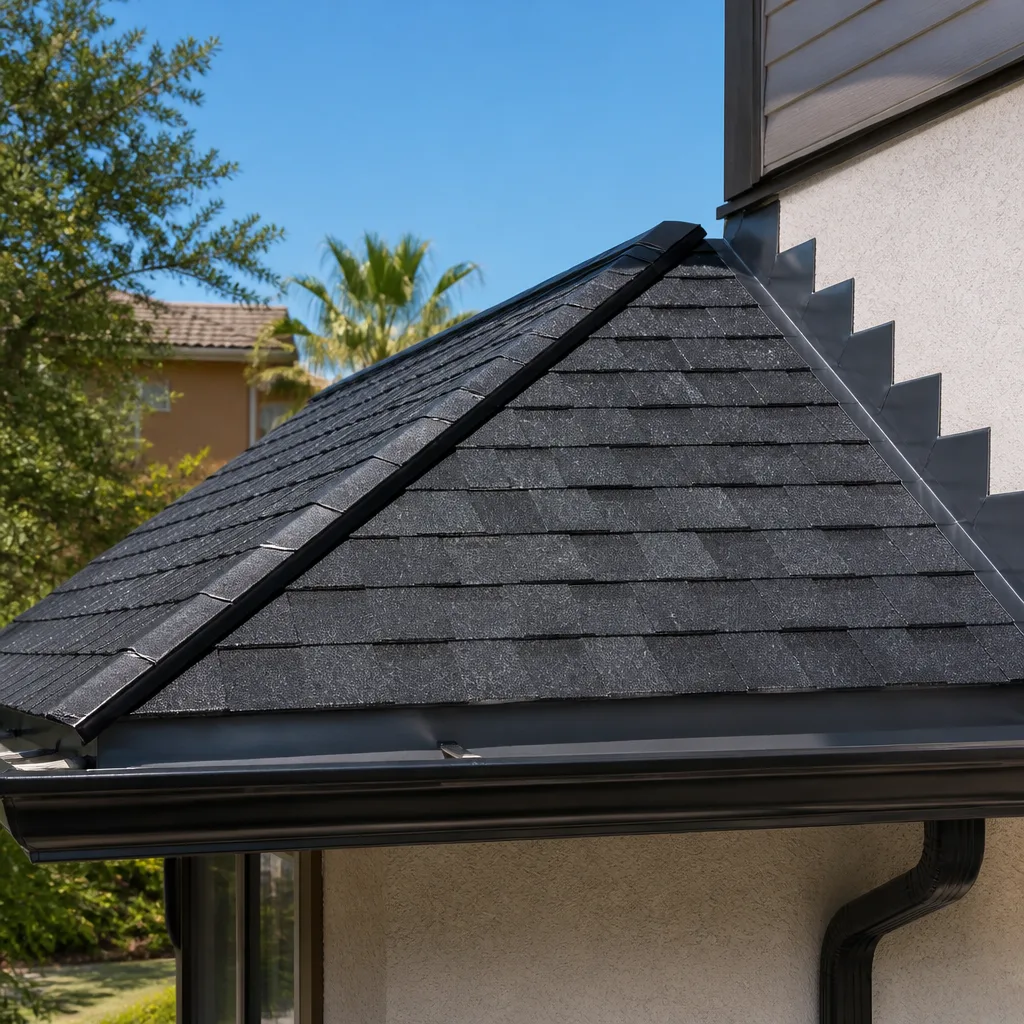
- Roofing
- Windows & doors
- Driveway & pavers
- Fence
See the difference
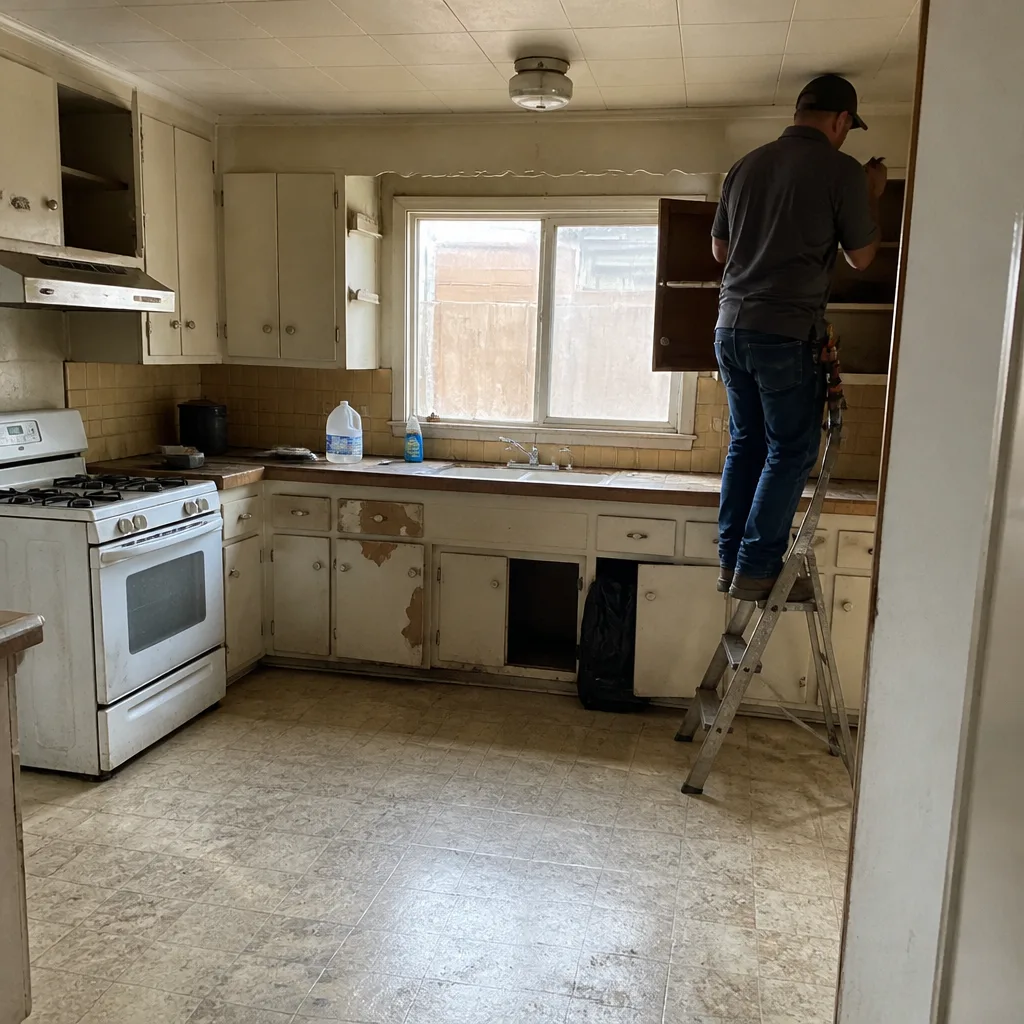 Before
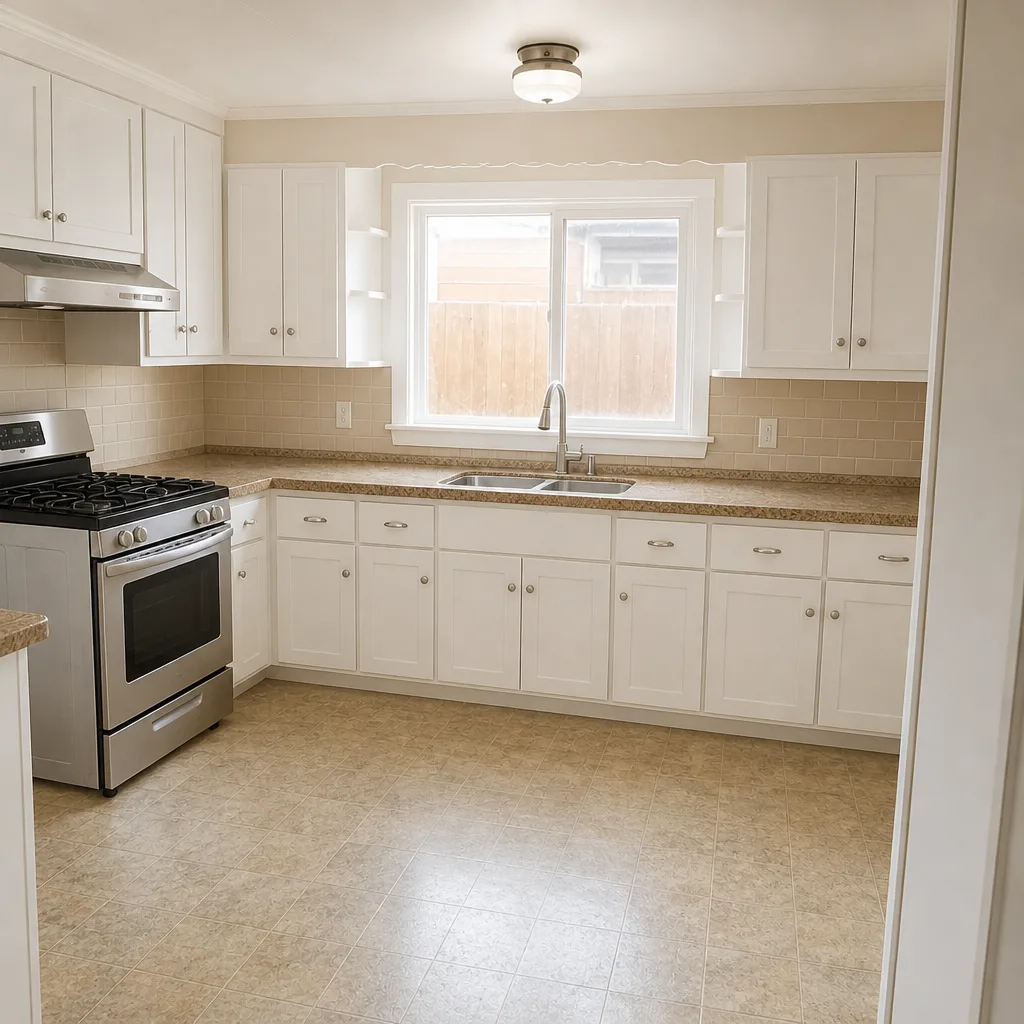 After
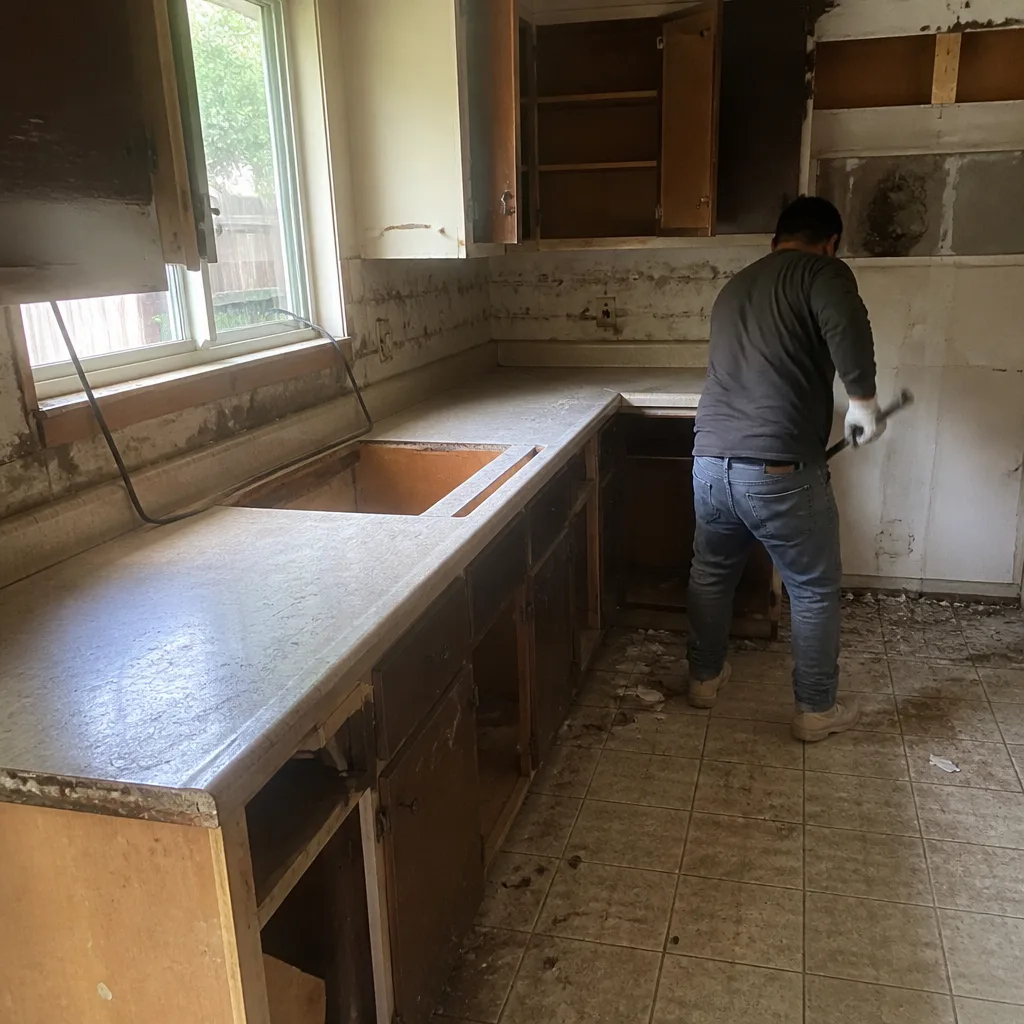 Before
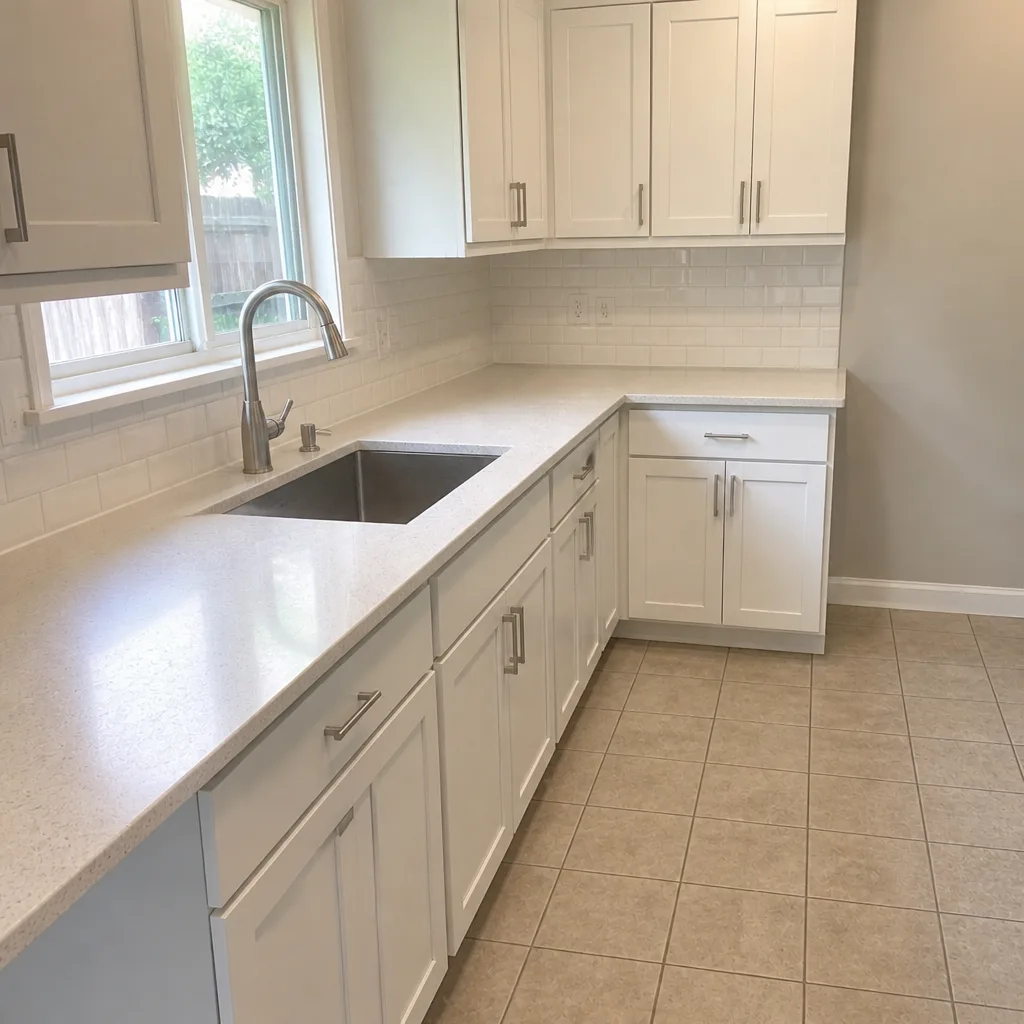 After
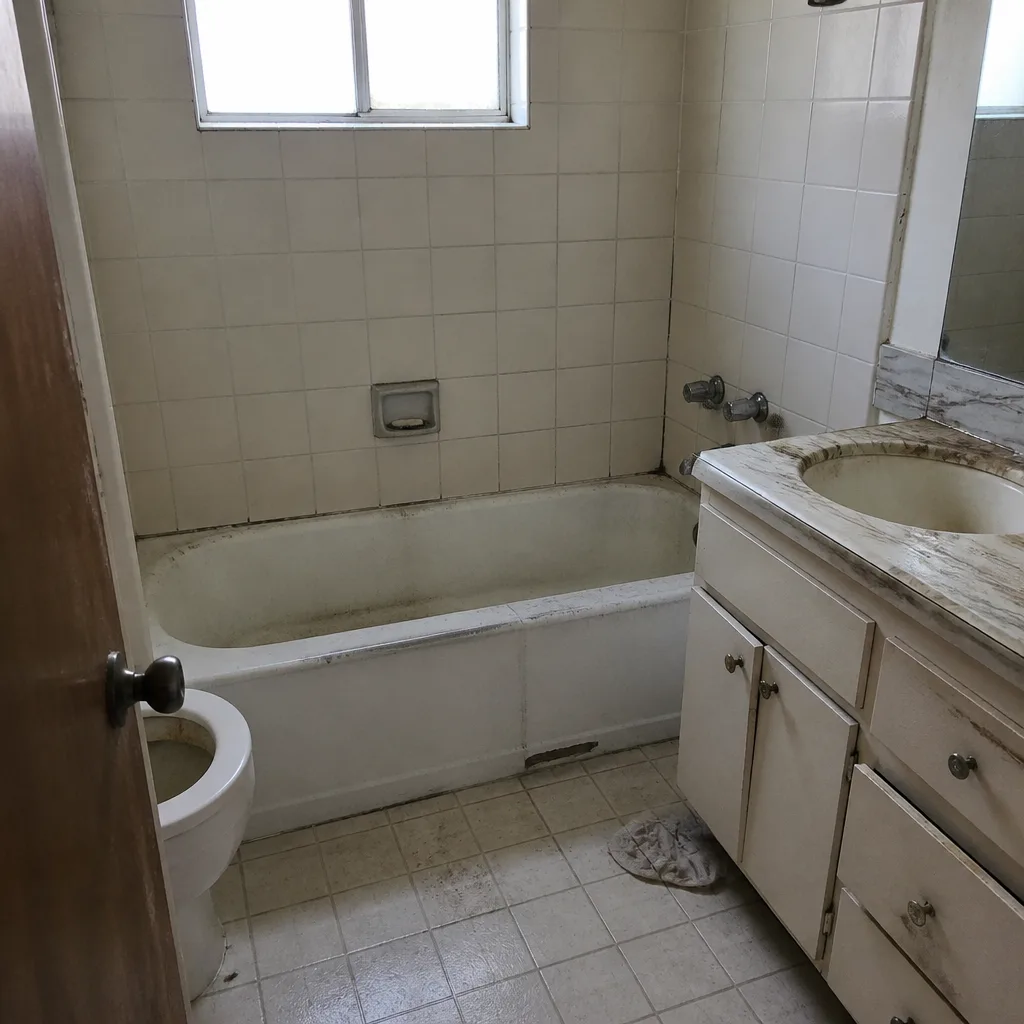 Before
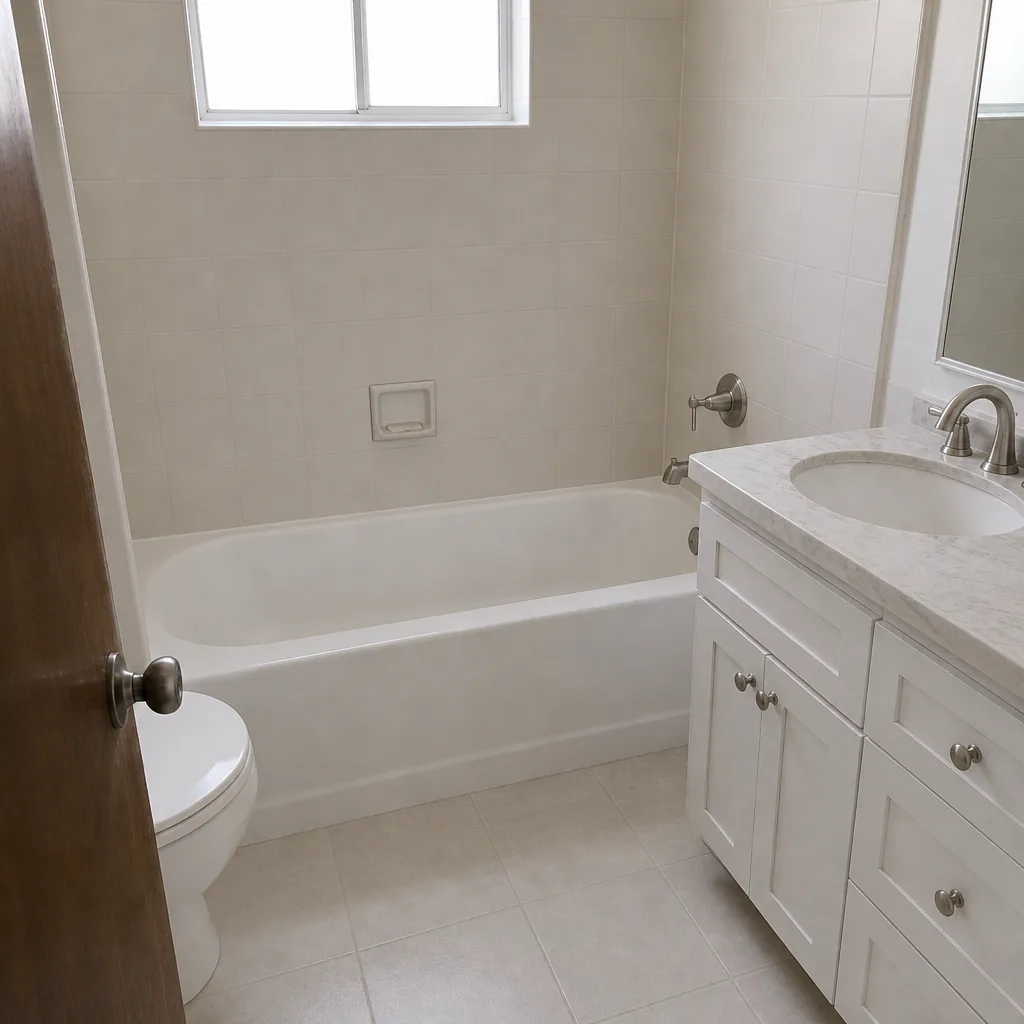 After
What Does a General Contractor Do in Santa Ana, CA?
A general contractor runs the whole build for you: pulls the permits, owns the schedule and budget, coordinates every trade, and answers to the city inspector as the licensed party on record. On Santa Ana’s older homes, though, the job is bigger than project management. Here a GC also translates between the building department, inspectors, and subcontractors so code compliance on a 1940s bungalow actually holds up. If you’re staring down a remodel or an unpermitted addition, call (888) 325-4971 and we’ll walk it through with you.
Most people picture a general contractor scheduling subs and ordering materials. Fair, but incomplete. In Santa Ana, a GC on an older house has to know what a city inspector will flag on a 1948 foundation, what design review means for a Craftsman window replacement, and how to write a scope that accounts for what’s inside the wall before the wall is open. That gap between the textbook job and the real one is where Santa Ana projects live or die. Barrett & Sons Construction Santa Ana was built around closing it.
The GC Is the Permit Owner, and That Changes Everything
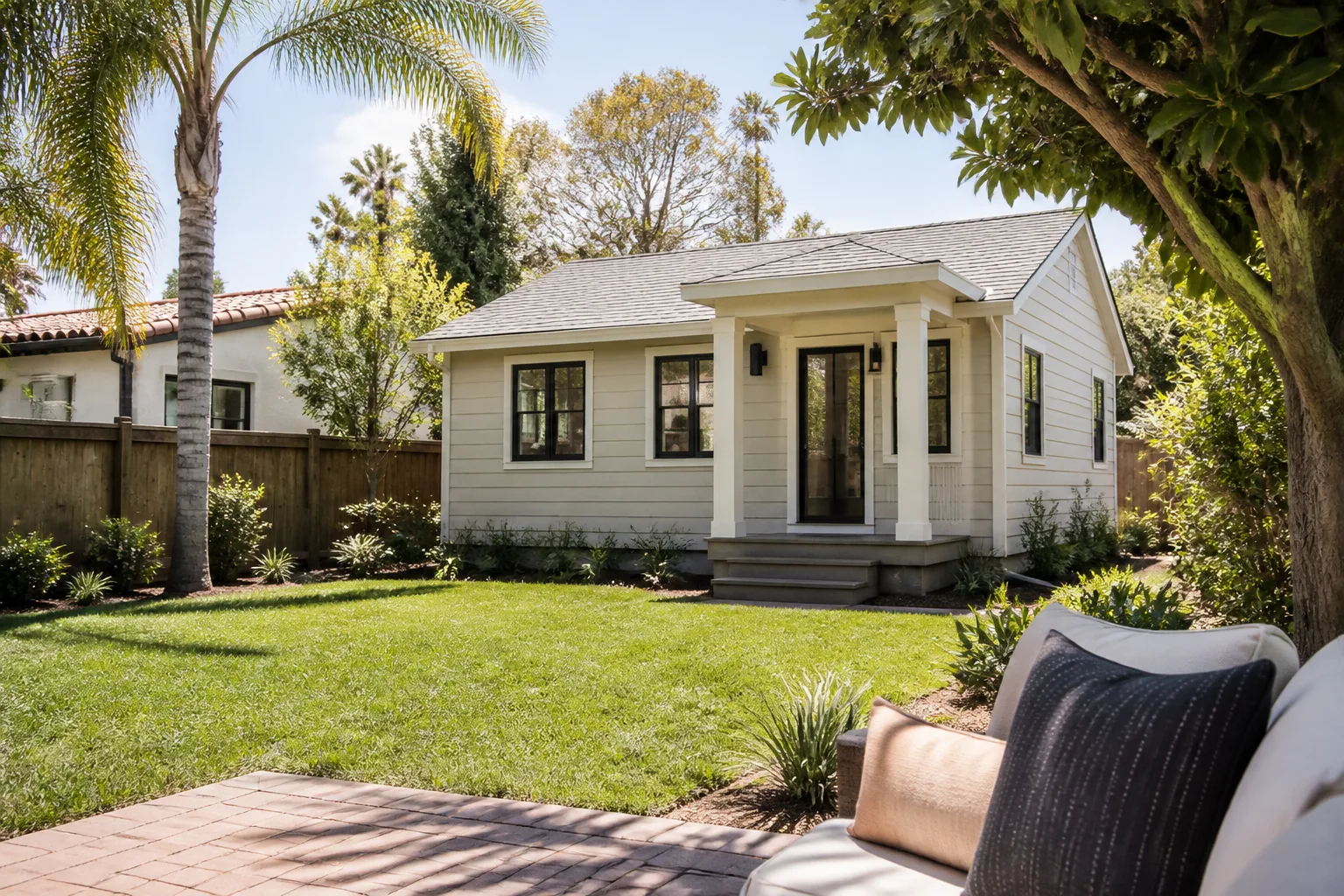
That means the licensed contractor’s name sits on every permit, and their license carries the risk if a subcontractor’s work fails inspection. This is the part homeowners miss. When you pull permits under your own name and hire subs one at a time, the inspection failure lands on you. When a licensed GC owns the permit, the accountability lands where it belongs.
We pull permits and get inspections signed on every eligible job. Not because it’s paperwork we enjoy, but because the permit inspector works for you, not for us. That’s why we like him. In a city where plenty of work got done decades ago without a permit, the paper trail is often the only thing separating a solid addition from a liability that surfaces at resale. The Lacy and Artesia blocks are full of houses where a prior owner’s “extra room” was never signed off. Unwinding that starts with finding the permit history and then building a scope the city will actually approve.
Managing What You Can’t See: The Scope of Unknown
On a 1940s Santa Ana bungalow, the honest scope includes the work nobody can price until the wall opens. That’s not a dodge. It’s the nature of older housing stock, and the best GCs plan for it instead of pretending it won’t happen. You’ll find knob-and-tube wiring, galvanized supply pipe, or a pier-and-beam foundation with more give than the drawings suggested. In our experience, the discovery isn’t the problem. The surprise invoice at the end is.
Here’s how we handle it:
- Scope, allowances, and change orders live in writing. An allowance that isn’t on paper is a surprise waiting for a date. We put a number on it before the crew shows up.
- Nothing moves until you say so. When the wall reveals galvanized pipe or an unpermitted prior addition, you get a written change order with the price before any nail moves.
- We explain what the city will require. Legalizing a garage conversion or permitting work after the fact means knowing which inspections apply and in what order.
That last point matters more in Santa Ana than in most of Orange County. The garage-conversion-to-ADU and “add a room for family” pattern is so common here that a large share of our work is legalizing and properly permitting retrofits, often in neighborhoods where the original 1940s garage was never built to current code. The scope of unknown isn’t a sales tactic. It’s Tuesday.
Subcontractor Insurance and the Cash-Off-the-Books Trap
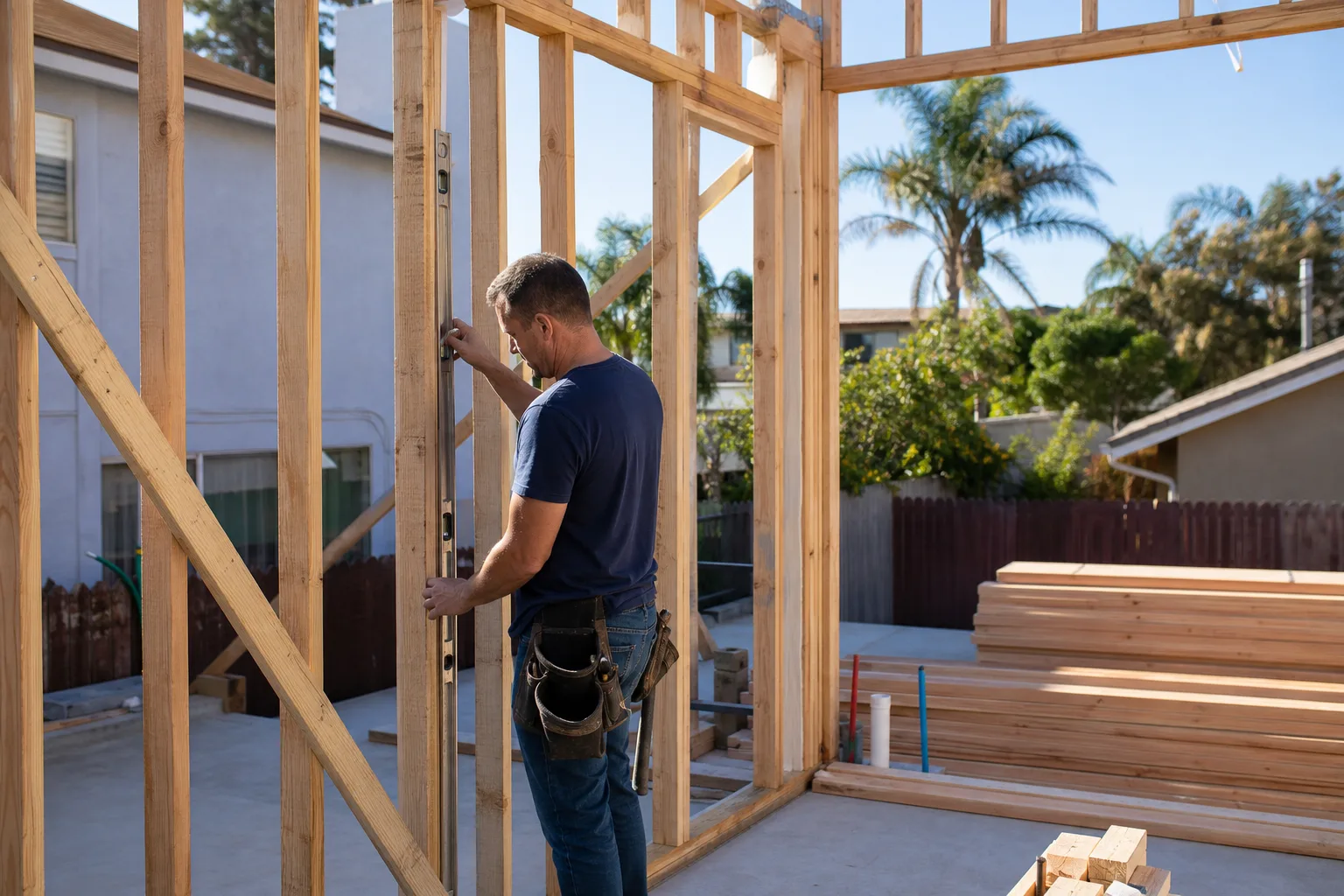
A general contractor carries general liability and workers’ comp that covers every sub on site, which means a job-site injury doesn’t land in your lap. That protection matters in a city where homeowners get approached by unlicensed subs who want cash and offer a friendlier number. The price looks good until someone gets hurt on your property and you’re personally on the hook because there’s no coverage behind the person holding the nail gun.
Every crew member who works under our name is background-checked. If you want to check the license before you sign anything, do it. Look it up yourself. We’d rather you verify than take our word. When you compare bids, ask any contractor for proof of insurance and a workers’ comp certificate before work starts. A GC who can’t produce it isn’t really a GC. They’re a middleman with a truck.
Who Answers When a Question Comes Up Mid-Frame?
The decision-maker should be reachable, not parked in a call-center queue three states away. This is the first-hand part of the job that doesn’t show up in a brochure. During framing or electrical rough-in, questions come up fast, and every hour spent waiting on an answer is an hour the schedule slips. On our jobs, the people who can make the call are the people who show up. That’s the difference between a contractor who manages your project and one who merely invoices it.
Our crews bring up to 28 years of experience to the work, and the materials are brands you can look up rather than mystery products off a van: KraftMaid and Cambria in kitchens, GAF and CertainTeed on roofs, Andersen and Marvin on windows, Kohler and Moen in baths. Every completed job is backed by the written 90-Day Done Right Promise. One call brings us back to make it right.
Historic and Conservation Districts: A Function Most Cities Don’t Have
In French Park and Wilshire Square, exterior alterations can trigger design review, which means the GC prepares and submits the application, coordinates with the city’s historic preservation staff, and makes sure subcontractors match materials to district standards. That’s a task that simply doesn’t exist in a newer city where every house went up in the 1990s. In Santa Ana, it’s routine. Swap a Craftsman window the wrong way in a conservation district and you’ll be redoing it after the review comes back.
For homeowners in those neighborhoods, this is where local expertise earns its keep. A contractor who hasn’t worked the district process will underestimate the timeline and the material spec. We factor preservation review into the schedule from day one, not the week the inspector asks why the trim profile changed.
The same local knowledge shapes the weather side of the work. Hot, dry Santa Ana winds and inland heat, often 10 to 20°F warmer than coastal Orange County, push hard on roofs, stucco, and insulation. That’s why roof replacement and wind-damage repair come up so often here, and why we look at the eastern-edge homes with an eye toward ember defense during wind events.
What Do Typical Santa Ana GC Projects Cost?
Ranges vary by scope, age of the house, and how much the walls reveal, but here’s where the numbers usually land so you can plan before you call.
| Project | Typical Range |
|---|---|
| Kitchen Remodel | $14,000-$45,000 |
| Bathroom Remodel | $9,000-$28,000 |
| Roof Replacement | $8,000-$20,000 |
| Window Replacement | $4,500-$15,000 |
| Home Addition | $45,000-$130,000 |
| ADU Construction | $90,000-$220,000 |
| Garage Conversion | $30,000-$80,000 |
Every price change arrives in writing before work proceeds, so the number you agree to is the number that holds unless something inside the wall forces a documented adjustment. No hassle, no surprise invoice. Start to finish, that’s what you’re paying a GC to guarantee. For a closer look at how we run a full project, see our home page.
FAQs
A general contractor pulls the permits, owns the budget and schedule, hires and insures every trade, and stands as the licensed party the city holds accountable for code compliance. On a Santa Ana home built between the 1920s and 1950s, that includes managing the discovery process when the walls open. Call (888) 325-4971 and we’ll scope it out with a free estimate.
Yes. Legalizing an unpermitted addition or garage conversion means getting the work inspected and permitted after the fact, and that usually requires corrected plans and a licensed contractor on record. It’s one of the most common jobs we take in Santa Ana. A free second opinion on any written estimate is one of our standing offers, so call for an exact quote.
The GC’s general liability and workers’ comp should cover every sub on site, which is why you hire a licensed contractor rather than paying unlicensed subs cash. Without that coverage, the injury can become your liability. Ask for the certificates before work begins.
Yes. In areas like French Park and Wilshire Square, exterior changes can trigger design review, and we prepare and submit the application, coordinate with preservation staff, and match materials to district standards. Estimates are free, and we answer the phone around the clock at (888) 325-4971.
If you’d rather have it looked at, Barrett & Sons Construction Santa Ana offers a no-pressure assessment in Santa Ana. Call (888) 325-4971 for a free estimate, or ask about the senior and veteran discount and our no trip charge inside the county.
Written by the team at Barrett & Sons Construction Santa Ana, serving Santa Ana, CA.