Free written scope consultation - allowances, timeline, and change-order rules on paper before a single trade is scheduled
Styles & brands we work with
- Kitchen remodeling
- Bathroom remodeling
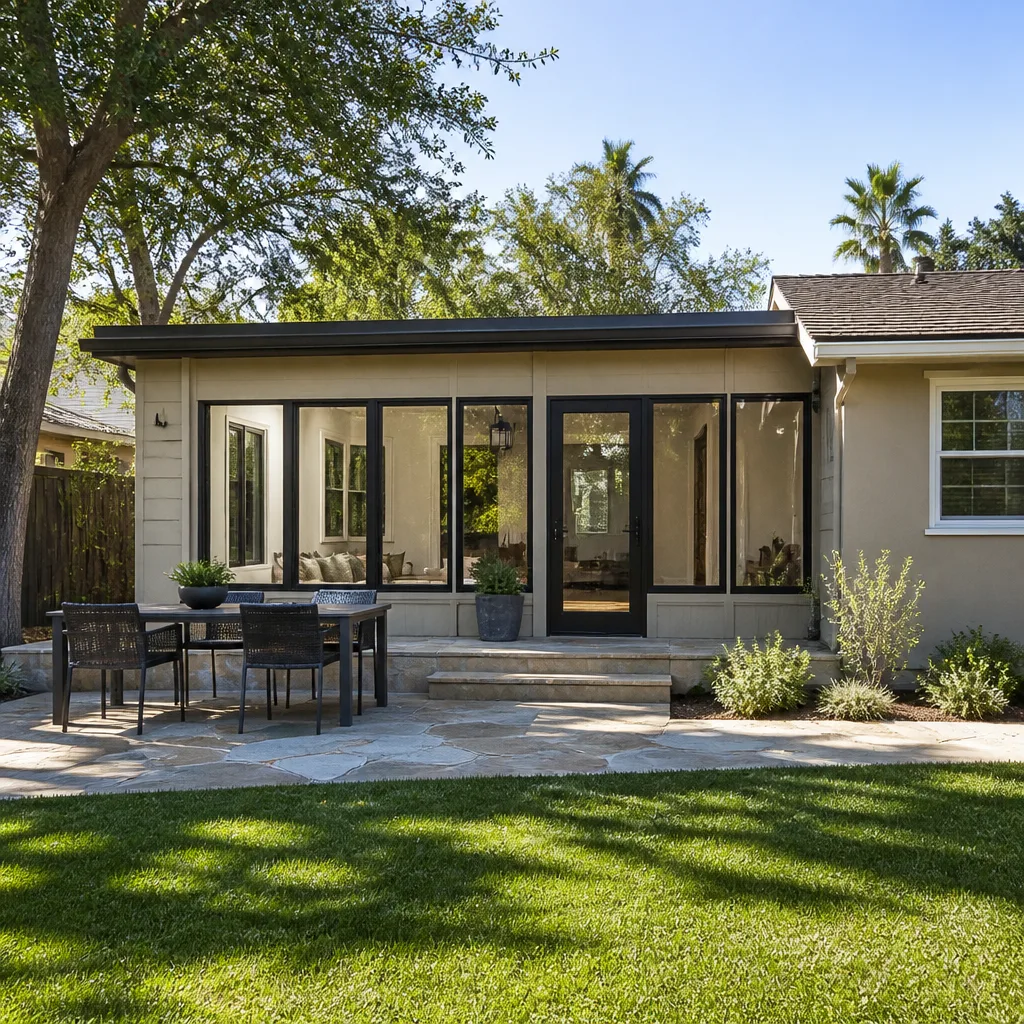
- Home additions & ADU
- Roofing
- Windows & doors
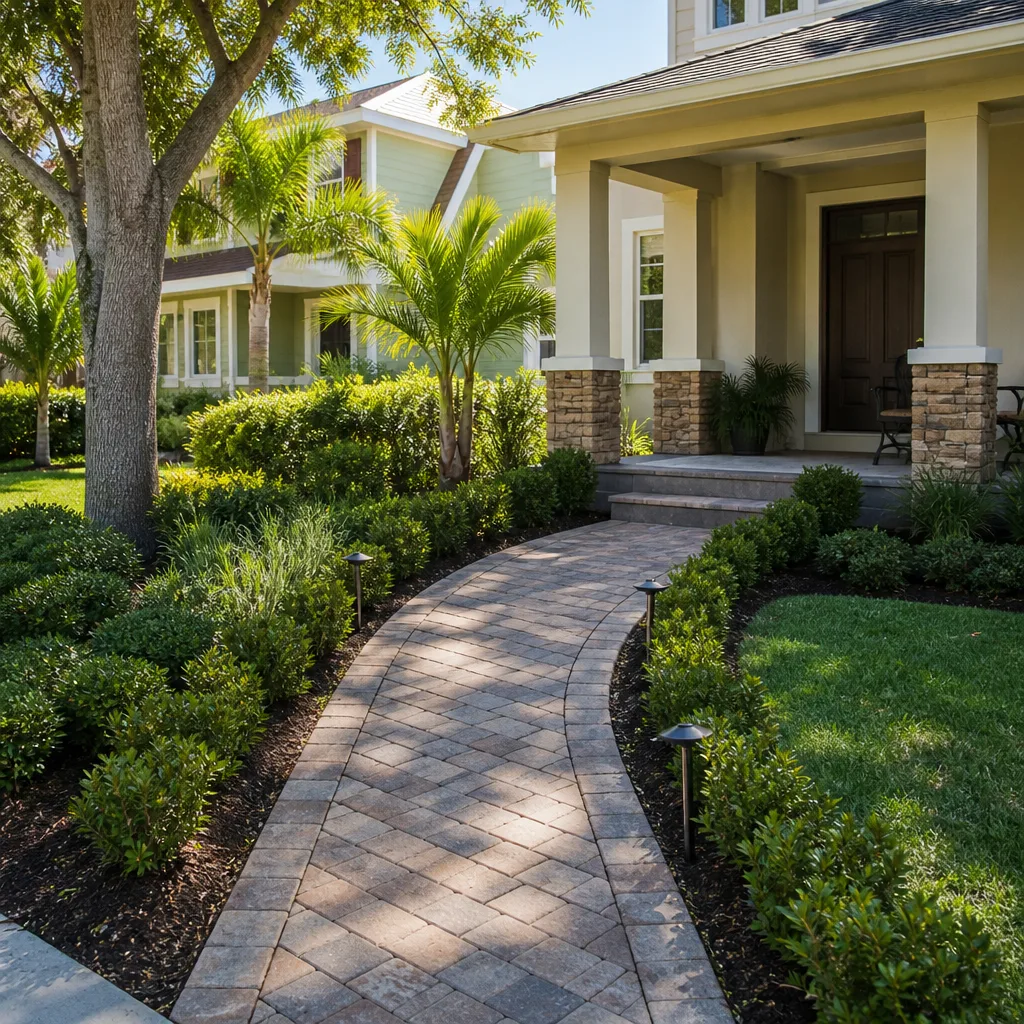
- Driveway & pavers
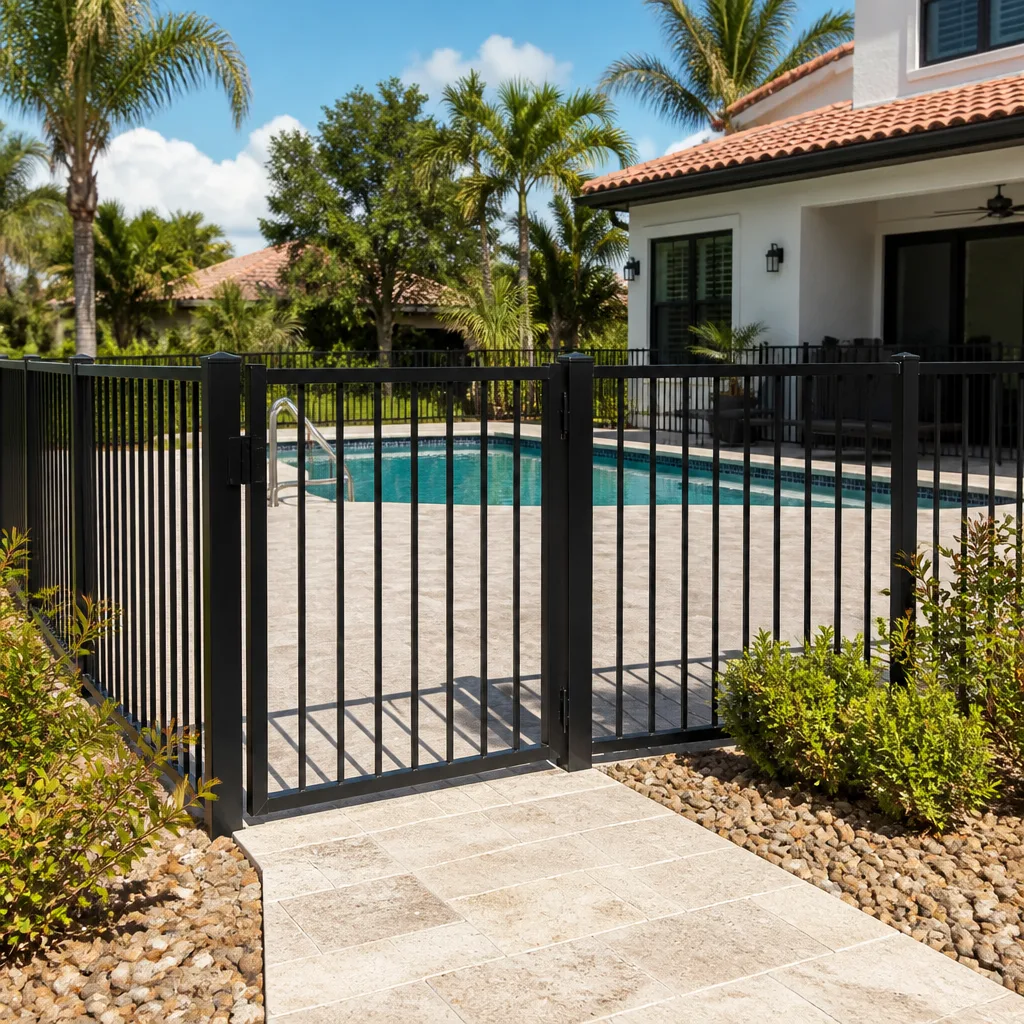
- Fence
See the difference
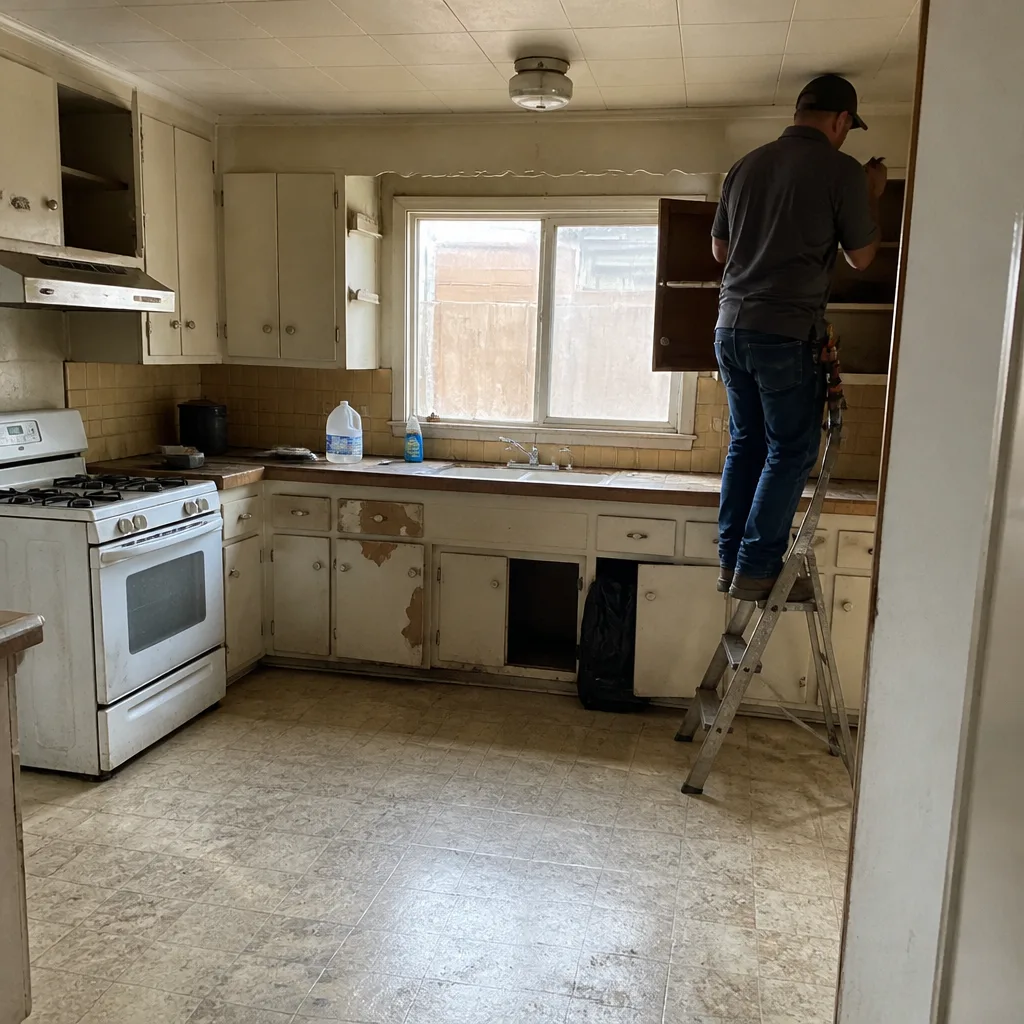 Before
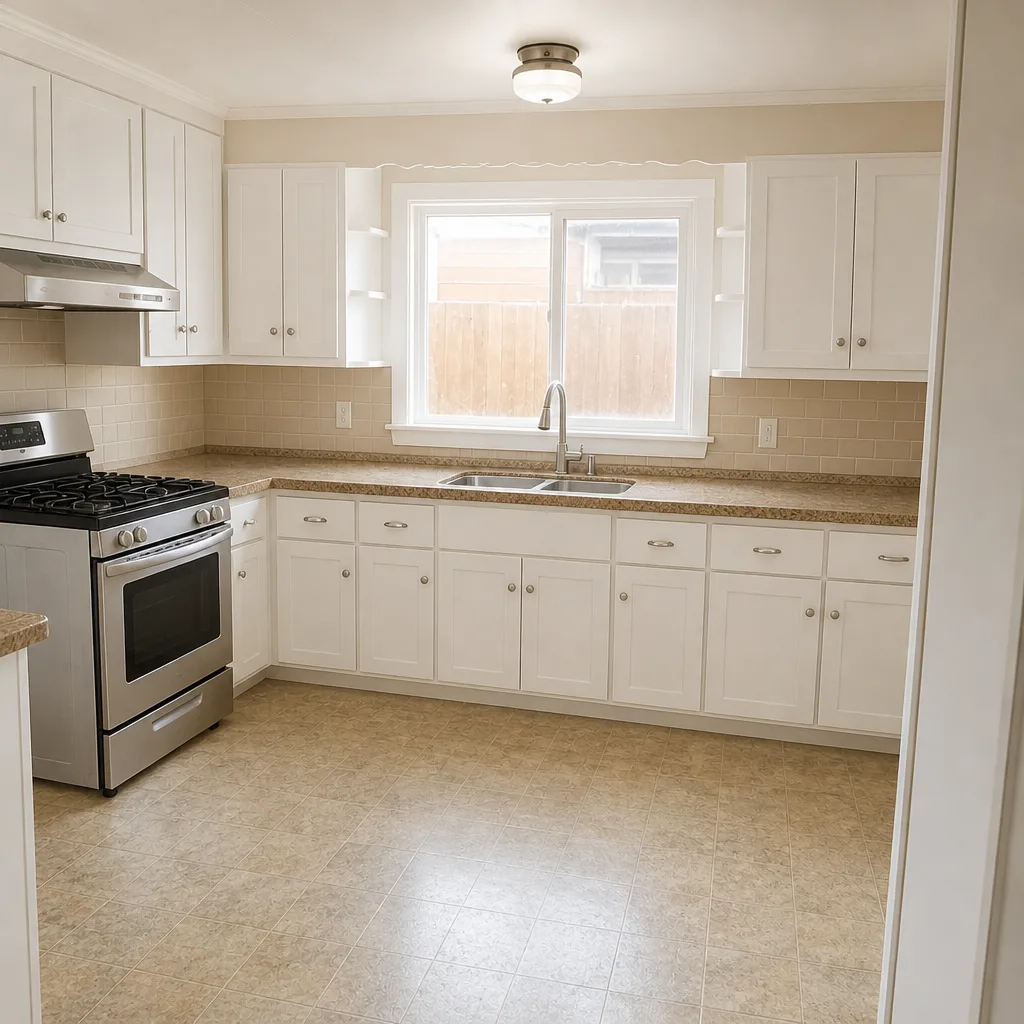 After
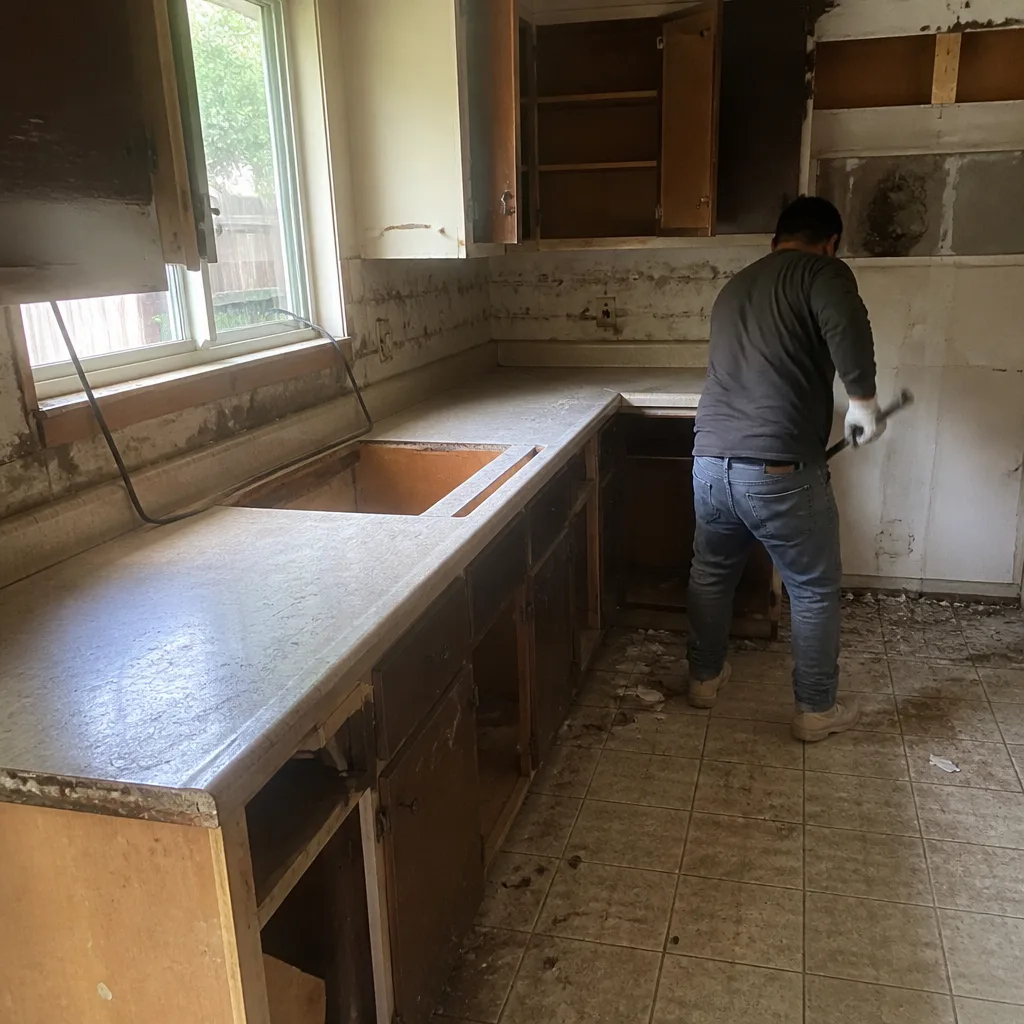 Before
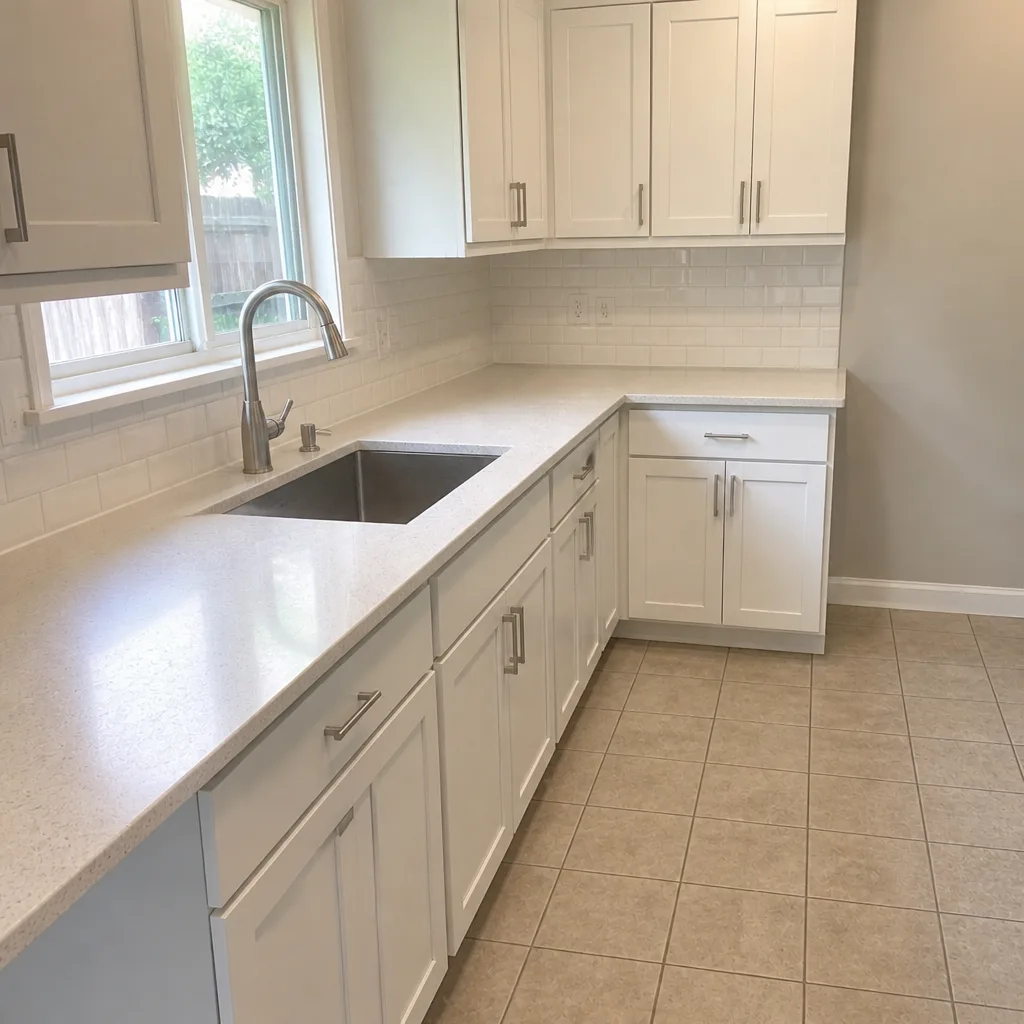 After
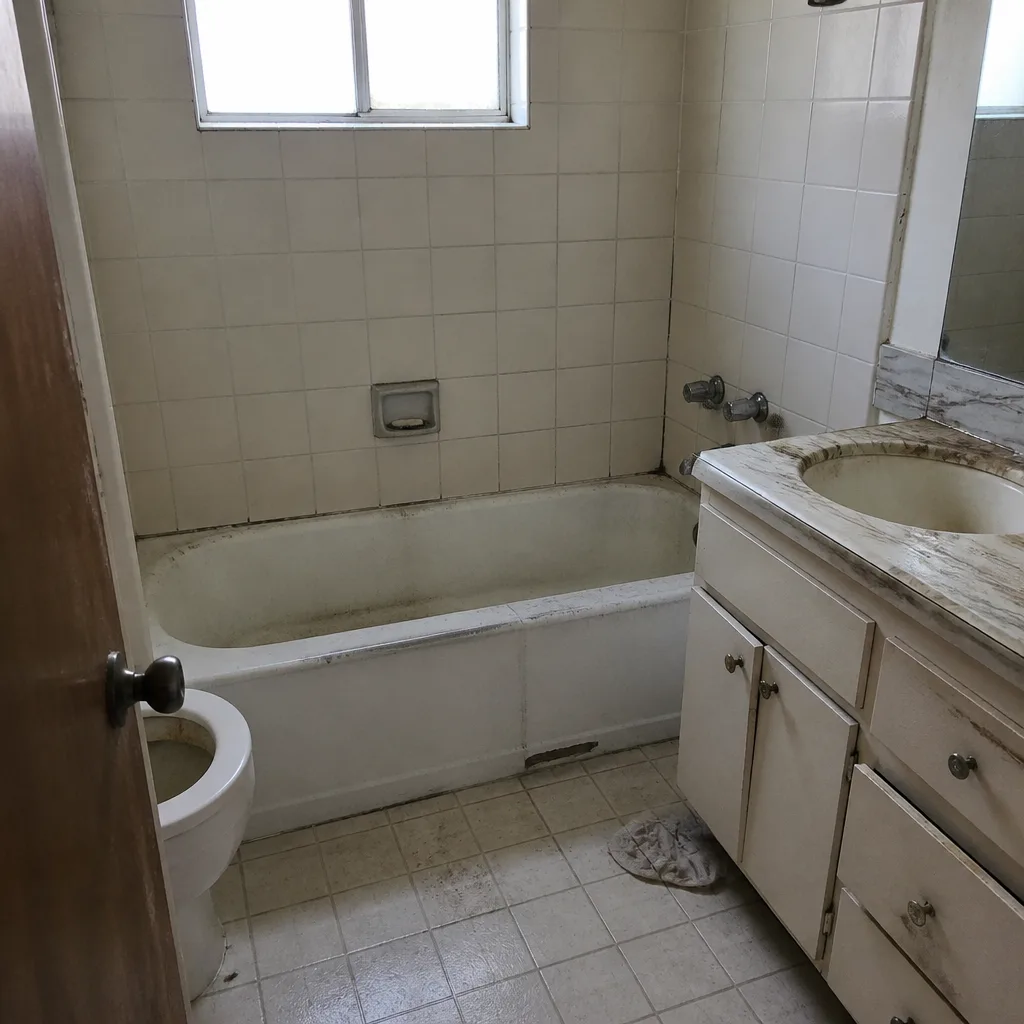 Before
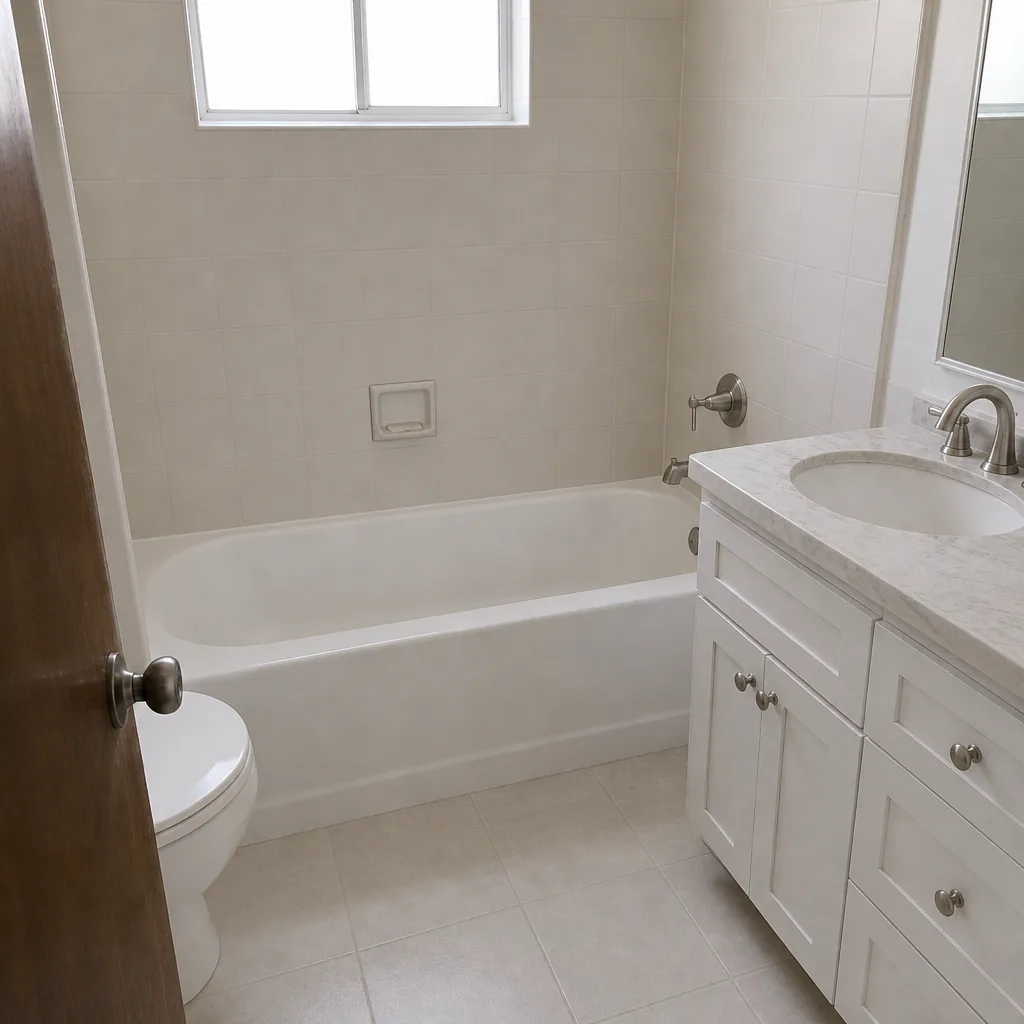 After
Do You Need a Permit for a Home Addition in Santa Ana? Yes – and in Historic Districts There’s a Second Approval Most Contractors Miss
Yes. Santa Ana requires a building permit for any addition over 120 square feet, any structural change, and any work that changes the roofline. There is no “small addition” exemption. And if your home sits in one of Santa Ana’s historic or conservation districts, a building permit is only half the process: a Certificate of Appropriateness from the Planning Division has to come first. Call (888) 325-4971 and we’ll tell you which layer your address triggers before you spend a dime on plans.
If your Santa Ana home sits in a historic or conservation district, pulling a building permit for an addition isn’t the finish line – it’s the starting line. Design review comes next, and most contractors don’t mention it until the city kicks back the application. We’ve watched that happen to homeowners in Lacy and French Park who hired someone promising “we’ll handle the permit,” only to lose six weeks to a process their contractor didn’t know existed.
Here’s the part we tell every neighbor before they sign anything: the building permit is a construction review. Design review is a separate city department looking at whether your addition fits the neighborhood’s character – setbacks, window proportions, roof pitch, materials. Two different desks, two different timelines. A contractor who only budgets for one is going to hand you a surprise.
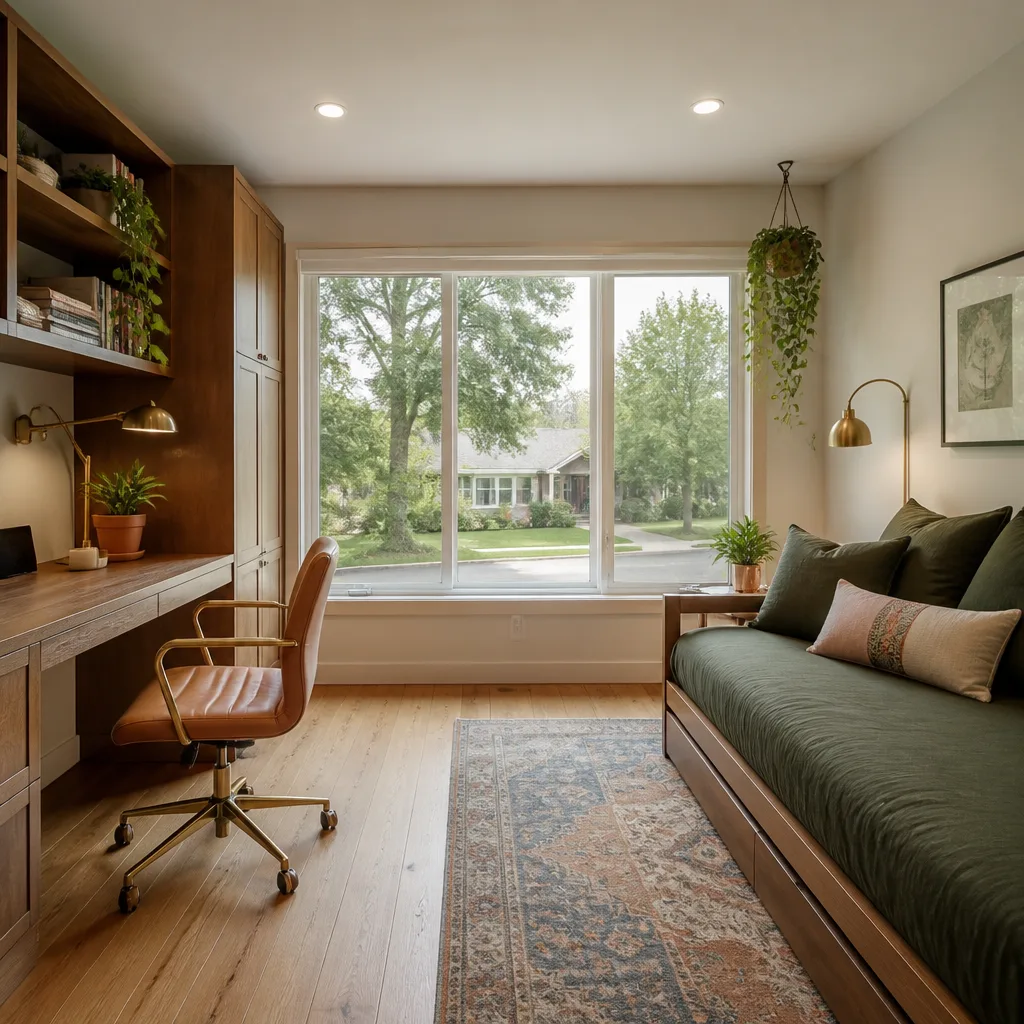
What actually triggers a permit in Santa Ana – and what doesn’t
We get asked this weekly, and the honest answer is that Santa Ana’s threshold is lower than people assume. A new bedroom, a family room bump-out, a second story, a garage conversion – all permit work. The 120-square-foot floor many homeowners have heard about is the number below which a minor accessory structure might escape review. A habitable addition for your family is not that.
What does not require a building permit? Cosmetic work: paint, flooring, replacing a like-for-like fixture, swapping a faucet. What does: anything that touches structure, roofline, electrical, plumbing, or the footprint of the house. If a contractor tells you an addition doesn’t need a permit because it’s “under the radar” or “we’ll just do it as a remodel,” that’s not a shortcut – that’s a problem you inherit.
Historic and conservation districts: the second layer
Santa Ana’s older core is where the process gets real. Homes in Lacy, French Park, Wilshire Square, and Artesia Pilar sit inside districts where exterior alterations to an addition trigger design review through the Planning Division. That means a Certificate of Appropriateness before the building permit is issued. In our experience that adds 2 to 6 weeks to the front of a project, and it can constrain design in ways a generic online permit guide will never tell you – window styles that have to match the block, roof materials that have to read as period-appropriate, front setbacks the neighborhood has held for a century.
The good news: when it’s handled correctly and early, design review is a paperwork exercise, not a wall. The bad news: when a contractor files the building permit first and the design review second, the project stalls mid-stream while you’re already paying for demolition. We sort out which neighborhoods trigger review before the application goes in, not after the city sends it back.
Unpermitted work already on the property
This is the Santa Ana reality no permit guide covers. A big share of the homes we walk into already have an unpermitted addition – the 1940s garage turned into a room, the enclosed patio from a previous owner, the back bedroom that was never on paper. When Santa Ana inspectors visit for a new permit, they can flag that existing work, and now you’re dealing with two processes at once: a permit-after-the-fact legalization for the old work, plus the new addition.
It’s not the end of the world, but it’s not free either, and it’s the reason we always pull the property records and look at what’s already there before we quote. Better to know on day one than to find out when the inspector is standing in your yard.
What skipping the permit actually costs you
The “permits are optional” contractor never volunteers what happens next. Here’s what we tell homeowners who ask whether it’s worth the hassle:
- Your insurance can deny a claim for an unpermitted space. If a fire or water loss starts in an addition that wasn’t permitted, the carrier can treat that portion of the home as non-conforming and limit coverage on it.
- Title problems when you sell. Buyers’ lenders and appraisers flag unpermitted square footage. You end up either legalizing it at your own cost or discounting the sale price to cover the buyer’s risk.
- City flagged it anyway. Santa Ana’s inspectors catch unpermitted work routinely, and a code-enforcement notice is far more expensive than the permit would have been.
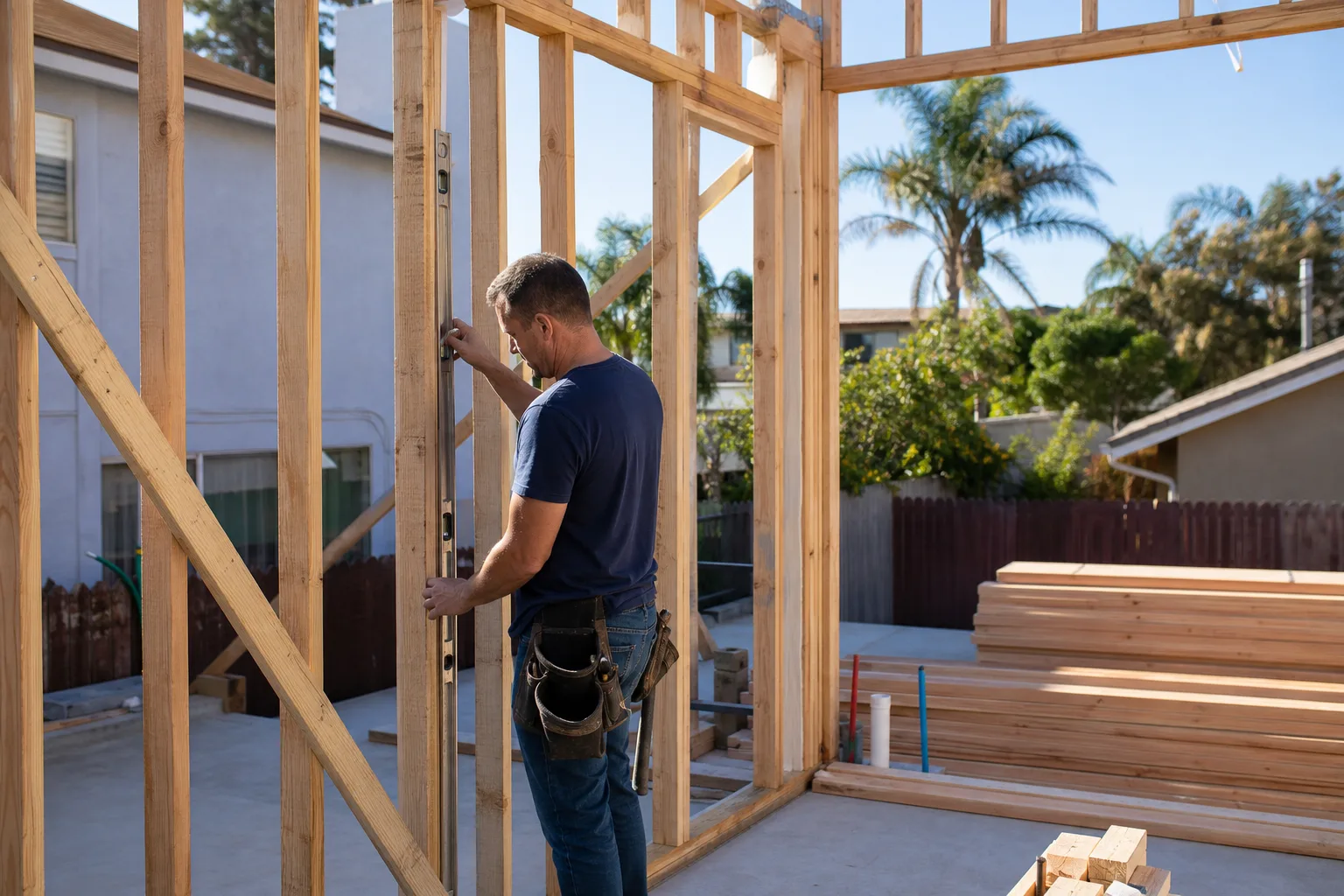
- Safety on structural work. An addition is not a weekend project – framing, foundation, and load paths all get inspected for a reason. We don’t cut corners here, and neither should anyone else.
The permit inspector works for you, not for me – that’s why I like him. Every inspection is a second set of eyes confirming the work is right before you live in it.
How Barrett & Sons handles Santa Ana additions
Barrett & Sons Construction Santa Ana pulls every permit on every eligible job, and we’ve navigated Santa Ana’s historic-review process firsthand. That means we know which Santa Ana neighborhoods go to design review before the application goes in, and we write the plan review timeline into your scope from the start instead of discovering it mid-project. Our technicians have up to 28 years of experience across framing, foundations, and the finish trades an addition needs.
On the finish side we use brands you can look up: ActiveYards fencing around the yard, Belgard hardscape for the new patio, premium windows and roofing matched to your home’s existing character – which matters double in a conservation district, where the design review board is looking at exactly those details. Every scope, allowance, and price change arrives as a written change order before work happens. No surprise invoices at the end.
For the bigger picture on what an addition or ADU build actually involves in Santa Ana, our Home Additions & ADU in Santa Ana page walks through the full process. For kitchen, bath, and remodel work that often rides along with an addition, see the main Home Additions & ADU service page, or explore our home page for the full scope of what we build.
What an addition costs in Santa Ana in 2026
Permit fees are a small slice of the total, but the construction itself is the number homeowners really want. Here’s what we’re seeing in Santa Ana this year:
| Project type | Typical Santa Ana range |
|---|---|
| Home addition (room, bump-out, second story) | $45,000 - $130,000 |
| ADU construction | $90,000 - $220,000 |
| Garage conversion | $30,000 - $80,000 |
Those ranges assume permit-ready plans and a clear site. If design review is required, or if existing unpermitted work has to be legalized alongside the addition, budget for the extra time and the extra inspection fees – we tell you the number in writing before we start, not after.
FAQs
Yes. Santa Ana’s Building Division requires a permit for any addition over 120 square feet, any structural change, and any work that alters the roofline. There’s no small-addition exemption for habitable space, and cosmetic work is the only real exception. If you’re unsure whether your project crosses the line, call (888) 325-4971 and we’ll walk through it – estimates are free.
Design review typically adds 2 to 6 weeks to the front of a project in neighborhoods like Lacy, French Park, Wilshire Square, and Artesia Pilar, since it requires a Certificate of Appropriateness from the Planning Division before the building permit issues. Every address is different, and the timeline depends on how close the design is to neighborhood character. Call us at (888) 325-4971 and we’ll tell you what to expect for your specific block.
You can, and it will cost you later. Unpermitted additions in Santa Ana can void insurance coverage for that portion of the home and create title and appraisal problems at resale. Inspectors also flag existing unpermitted work during a routine visit, which launches a permit-after-the-fact process on top of the original project. We don’t build unpermitted work, and we’ll tell you honestly if what you’re being quoted is a shortcut you don’t want.
It happens often in Santa Ana, especially with garage conversions and enclosed patios from the 1940s and 1950s. We pull the property records first so we know what’s on paper before we quote. If legalization is needed, we handle it as part of the project scope and put the extra cost in writing before we start. Call (888) 325-4971 for a no-pressure walkthrough.
Where to go from here
The permit question in Santa Ana has two answers layered on top of each other, and the one most contractors skip is the one that costs you weeks. A quick call tells you whether your address triggers design review, whether existing work needs legalizing, and what the full picture looks like before you commit to plans or a contractor.
If you’d rather have it looked at, Barrett & Sons Construction Santa Ana offers a no-pressure assessment in Santa Ana – call (888) 325-4971 for a free estimate.
Written by the team at Barrett & Sons Construction Santa Ana, serving Santa Ana, CA.