Last updated November 18, 2026





Free written scope consultation - allowances, timeline, and change-order rules on paper before a single trade is scheduled
Construction Emergency Preparedness Guide for Santa Ana Homes
After the major Santa Ana wind events of recent years, the homes that sustained the most damage weren’t the oldest or the smallest. They were the ones where deferred maintenance on flashing, fence posts, and roof edge details left the structure exposed when 60-mph gusts arrived with no warning. Most emergency guides tell you to stock water and map an evacuation route. That’s fine, and you should do it. But they skip the part that decides whether you come home to a house with a few missing shingles or a house with a tarped half-roof and a six-month insurance fight. This guide covers the structural side of preparedness in Santa Ana: wind, flash flooding, sudden utility failures, and the construction steps you can take now.
Quick Answer
Construction emergency preparedness in Santa Ana means inspecting and securing fence post footings, patio cover anchors, and roof edge flashing before the October wind season, knowing your property’s drainage path before the first winter storm, and having a photo record of your home’s current condition on file. Homes that do these three things recover faster and file cleaner insurance claims than homes that don’t.
Styles & brands we work with
- Kitchen remodeling
- Bathroom remodeling
- Home additions & ADU
- Roofing
- Windows & doors
- Driveway & pavers
- Fence
Table of Contents
- The pre-season structural checklist for Santa Ana wind events
- The first 24 hours after construction damage
- Flash flooding in Santa Ana’s flat grid
- The emergency contractor scam pattern
- How to document your home’s construction condition
- Utility failures and the construction angle
- Common mistakes to avoid
- When to call a professional
The Pre-Season Structural Checklist for Santa Ana Wind Events
Santa Ana winds are dry, fast, and they arrive from the northeast through the canyon passes and down into the flats. The city sits in that wind corridor, and the gusts that roll through neighborhoods like Floral Park, French Park, and Washington Square hit fence lines and rooflines at an angle that exposes every weak fastening. The time to find the weak points is September, not the night the wind advisory turns red.
Here’s the checklist we walk homeowners through before October:
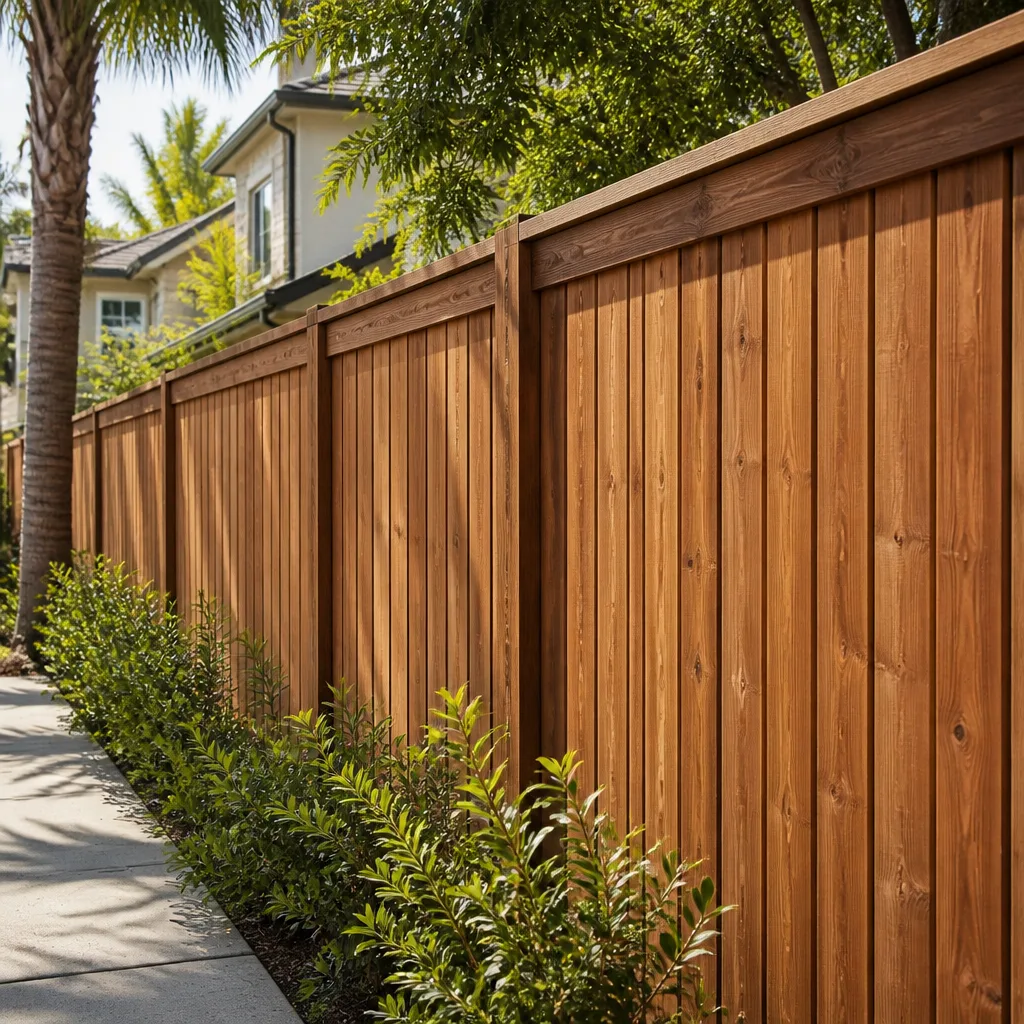
- Fence post footings. Walk the full fence line and push on each post at hip height. Any post that rocks has a footing that’s wicking water or was set too shallow. Uplift on a solid privacy fence during a 60-mph gust is enormous, and the fence acts like a sail. Loose posts become airborne panels. Our fence installation in Santa Ana crews set posts below grade with proper concrete footings for exactly this reason.
- Patio cover and pergola anchors. Check the base plates where posts meet concrete. Look for rusted or loose lag bolts and any wood that has softened at the base. Cover roofs catch wind and act as a lever on the anchors.
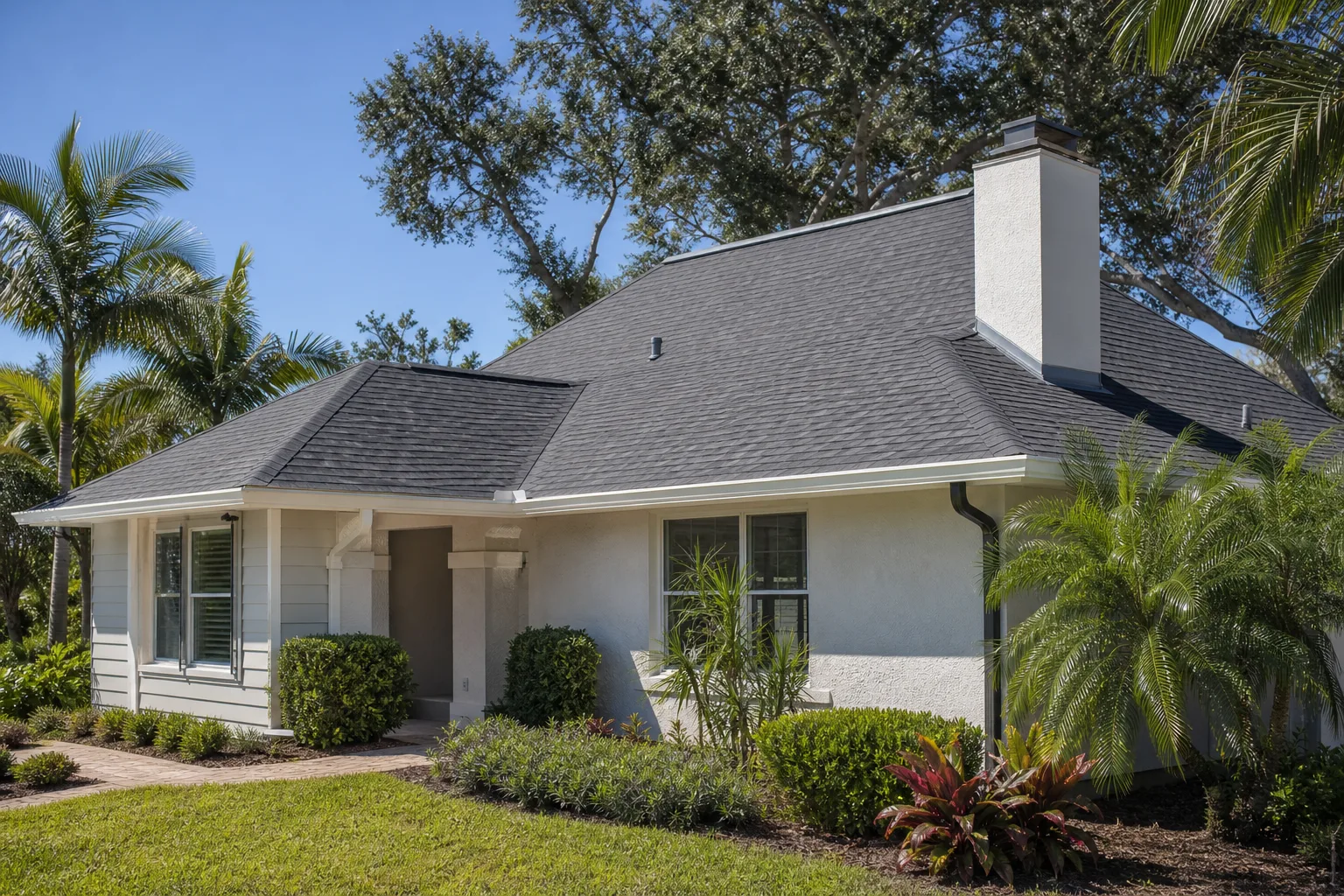
- Roof edge flashing and fascia. Standing at grade with binoculars works. Look at the metal along the rake and eave edges and the fascia boards behind gutters. Lifted, curled, or missing flashing lets wind get under the edge, and once the edge lifts, the shingles peel back in sheets. Santa Ana roofs take more sun and wind than roofers’ national warranties assume.
- Gutter and downspout attachment. A loaded gutter pulls free in a gust. Clear debris and verify the hangers are anchored into solid fascia, not just the gutter lip.
- Tree limbs over the roofline. Not a construction item, but it belongs on the list. Limbs that overhang the roof become projectiles in a wind event.
- Loose exterior fixtures. Satellite dishes, hose reels, mailboxes on posts, and shade sails. Anything that screws to the house can come off the house.
If the roof details are already at the end of their life, patching them is a waste of a season. A Barrett & Sons Construction Santa Ana home roof crew can tell you in one visit whether you’re looking at a repair or a replacement, and puts the finding in writing.
The First 24 Hours After Construction Damage
What you do in the first day after wind damage often matters more to your insurance claim than what you do in the following month. The goal is to stop further damage, record everything, and get a professional assessment without signing anything on the spot.
- Photograph before you touch anything. Wide shots of each elevation of the house, close-ups of the damage, and a photo of the damage in relation to the rest of the structure. Timestamp matters. Phone camera metadata is fine.
- Make safe, don’t make permanent. If water is coming in, tarp the opening. If a fence panel is hanging into the sidewalk, secure it or remove it. Insurance expects you to prevent further damage. It does not expect you to rebuild.
- Do not move or discard fallen materials. Fallen shingles, broken flashing, and split fascia are evidence of what failed and why. Pile them somewhere dry and take a photo of the pile.
- Call your insurance carrier and open the claim. Tell them you’re getting an estimate and that you have damage documented. Ask what documentation they want.
- Call a licensed contractor for a written assessment. Have that assessment in hand before the adjuster visits, so you can compare notes. A written line-item scope protects both of you.
- Do not sign anything from a contractor who knocked on your door before you had a chance to call anyone. We’ll come back to that below.
For roof damage specifically, a roofer can be on the property to tarp and document without committing you to a repair scope. The tarp is safety and water protection. The scope is a separate conversation.
Flash Flooding in Santa Ana’s Flat Grid
Santa Ana doesn’t have the hillside runoff problem that the canyon communities have. It has a flat-grid problem. Water that can’t reach a storm drain in the first ten minutes has nowhere to go, so it pools in yards, at foundations, and behind fences before it finally finds a path. The homes we see flood aren’t usually the lowest ones in the city. They’re the ones where a previous owner poured a patio or built a planter bed that quietly redirected water toward the house.
Find your drainage path before the first storm. Stand outside during a moderate rain and watch where water travels. Then check these three points:
- The swale line along the perimeter. If the soil against the foundation has been built up over the years, water runs back toward the slab instead of away from it.
- Fence lines that dam water. A solid fence at a low corner of the lot holds water against the neighbor’s side. A fence with a small gap at the base, or a gravel set-back, lets it pass.
- Hardscape that drains to the wrong place. Concrete patios and driveways built without slope or a drain pit push water toward the house. Our driveway and pavers in Santa Ana crews grade every installation to move water away from the structure.
A one-day remediation is often enough: re-grade the soil at the foundation, add a gravel drain at the low corner, fix the swale. A full re-grade is the bigger project, and it comes into play when the whole site plan drains toward the house. If you’re not sure which you have, get an estimate before the rainy season, not after.
The Emergency Contractor Scam Pattern
Every significant weather event in Southern California brings out the same crowd. They show up in unmarked trucks the day after the wind dies down, offer a “deal because we’re already in the neighborhood,” ask for a cash deposit, and disappear before the job is finished. Then the homeowner discovers the phone number was a burner and the license number wasn’t theirs. We’ve been called to pick up after this pattern more times than we’d like.
Two checks take under five minutes and shut most of it down:
- Look up the license number. The California State License Board website lets you search the license number the contractor gives you. Confirm the name and business match the truck and the paperwork. A contractor with a real, verifiable license will hand you the number without hesitation.
- Get a written scope before the first dollar moves. Every reputable contractor in Santa Ana will put the scope, the price, and any allowance in writing before work starts. If they won’t, that’s your answer.
One more check that costs nothing: ask for the address of the business and confirm it exists. A contractor who can’t tell you where they’re located isn’t a contractor you want on a ladder in an emergency. Tom Barrett publishes his name, address, and license number, and that’s the standard we hold every estimate to. It’s a two-minute search that saves the kind of headache nobody needs after a storm.
How to Document Your Home’s Construction Condition
This is the step almost nobody takes and everybody wishes they had. A clear “before” record of your home’s construction condition makes an insurance claim smoother and ends any argument about when damage happened. It also gives you a baseline for knowing when your roof, fence, or windows are actually at end of life versus just needing a repair.
Here’s how to build the record in an afternoon:
- Photograph each elevation. Front, back, left, right, and any side visible from a neighboring porch. Take them in good light.
- Photograph the roof. A drone photo or a photo from a second-story window works. If you have no safe access, ask a contractor to take photos with the written scope. Never climb to a steep roof edge yourself; that’s a job for someone with fall protection.
- Photograph the fence line, patio cover, and garage door. Wide and close up.
- Note the age of each major element. Year of roof, fence, windows, driveway, additions. If you don’t know, estimate and write down your best guess along with who did the work if you have it.
- Keep a written log of any repairs. Date, what was done, who did it, and the invoice. A binder in the hall closet is enough.
- Store a copy off-site. Cloud storage or a folder at a relative’s house. After a real emergency, the binder may be the thing covered in water.
Add window seals and doors to the record too. In our experience, the first visible sign of wind or water intrusion on a Santa Ana home is often around a window frame, and a good before-photo settles whether that gap was there before the storm. Window replacement is a project, not an emergency. The home additions and ADU in Santa Ana projects we run start with the same documentation step for the same reason.
Utility Failures and the Construction Angle
When the power goes out for a day, that’s an inconvenience. When a panel, a wire, or a gas line takes damage in a weather event, that’s a safety emergency and it doesn’t overlap with most of this guide. We’re a construction company, not an electrician or gas utility, and we won’t walk you through a panel repair or a gas leak over the phone. Those are jobs for a licensed electrician or the gas utility, and the rule is simple: if you smell gas, leave the house and call the utility from outside.
The construction-side prep looks different. It’s about the things attached to the house that a power or water failure can turn into a damage event.
- Know where your water shutoff is and make sure a wrench is stored next to it. A burst supply line during a freeze or a repair gone wrong is the most common interior flood we see in homes.
- Check exterior pipe and hose bib insulation before the cold snaps. Santa Ana nights rarely freeze hard, but the marginal nights are what split a hose bib and soak the wall behind it.
- Anchor any exterior fixture that runs on electricity (security lights, wall-mounted chargers) to a solid surface so wind can’t pull it and the wire with it.
- Inspect the exterior junction where a patio cover or fence meets the house for water damage. Wind-driven rain finds those gaps first.
For anything that involves opening a panel, adding a circuit, or touching a gas line, call the appropriate licensed trade. That’s a safety rule, not a customer service line.
Common Mistakes to Avoid
- Waiting until the first wind advisory to check the fence. The day before a wind event is too late to pour a footing or replace a post. September inspections prevent October cleanups in Santa Ana.
- Patching flashing when the roof is already failing. A patch on shingles that are at end of life is money spent badly. If the roof is due, the patch buys you weeks, not seasons.
- Signing with the first contractor who knocks. No license check, no written scope, no signature. It’s a two-minute lookup and it’s the difference between recovering and getting fleeced.
- Moving debris before photos. The fallen material is evidence of what failed. Photo it in place before you bag it.
- Ignoring the water path at the foundation. Years of soil build-up against the slab quietly turns every rain event into a foundation concern. Re-grade it before the winter season, not after the first wet carpet.
- Making a permanent repair under pressure. Board it, tarp it, get the assessment, then decide on the real fix. A rush repair made in the dark is a second repair waiting to happen.
- Skipping the permits on the follow-up rebuild. The contractor who tells you the permit is optional on a storm repair is telling you they don’t want the inspector looking at their work. The permit inspector works for you, not for them.
See the difference
 Before
 After
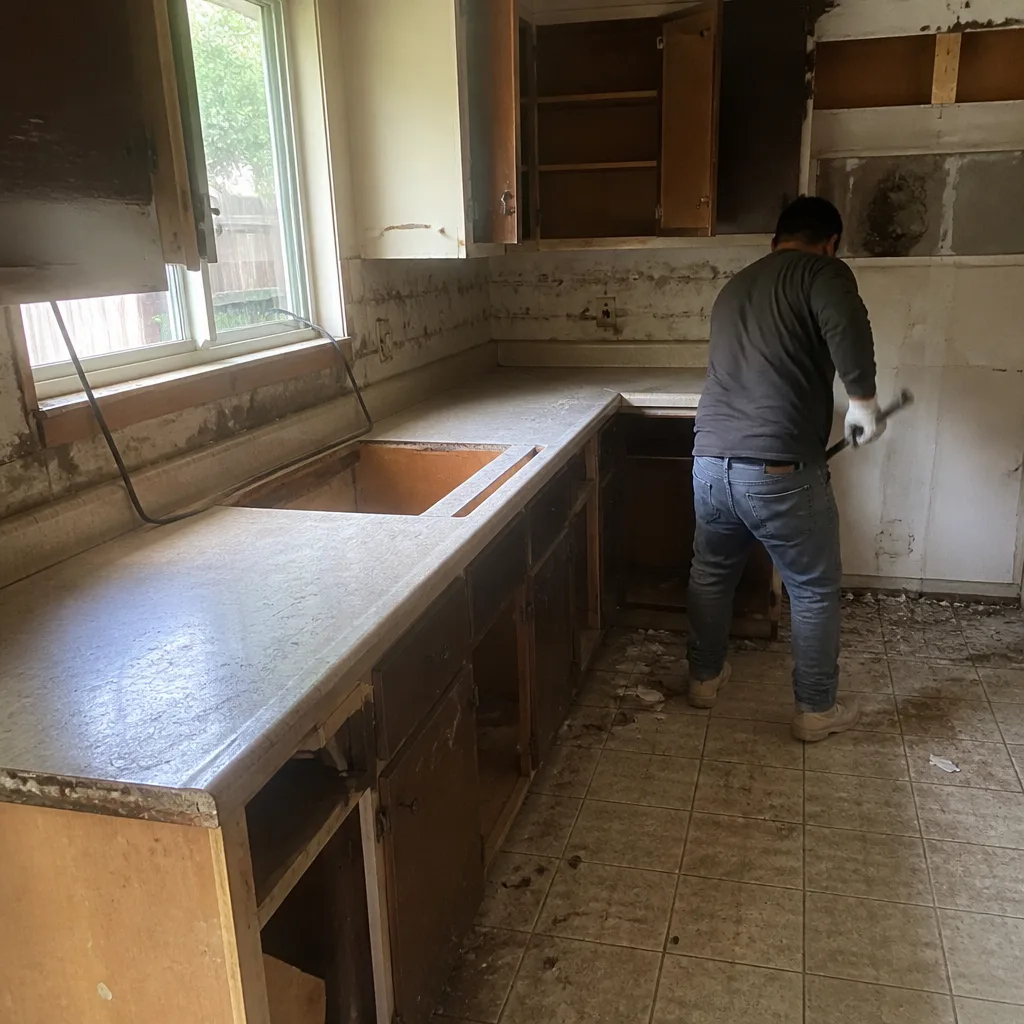 Before
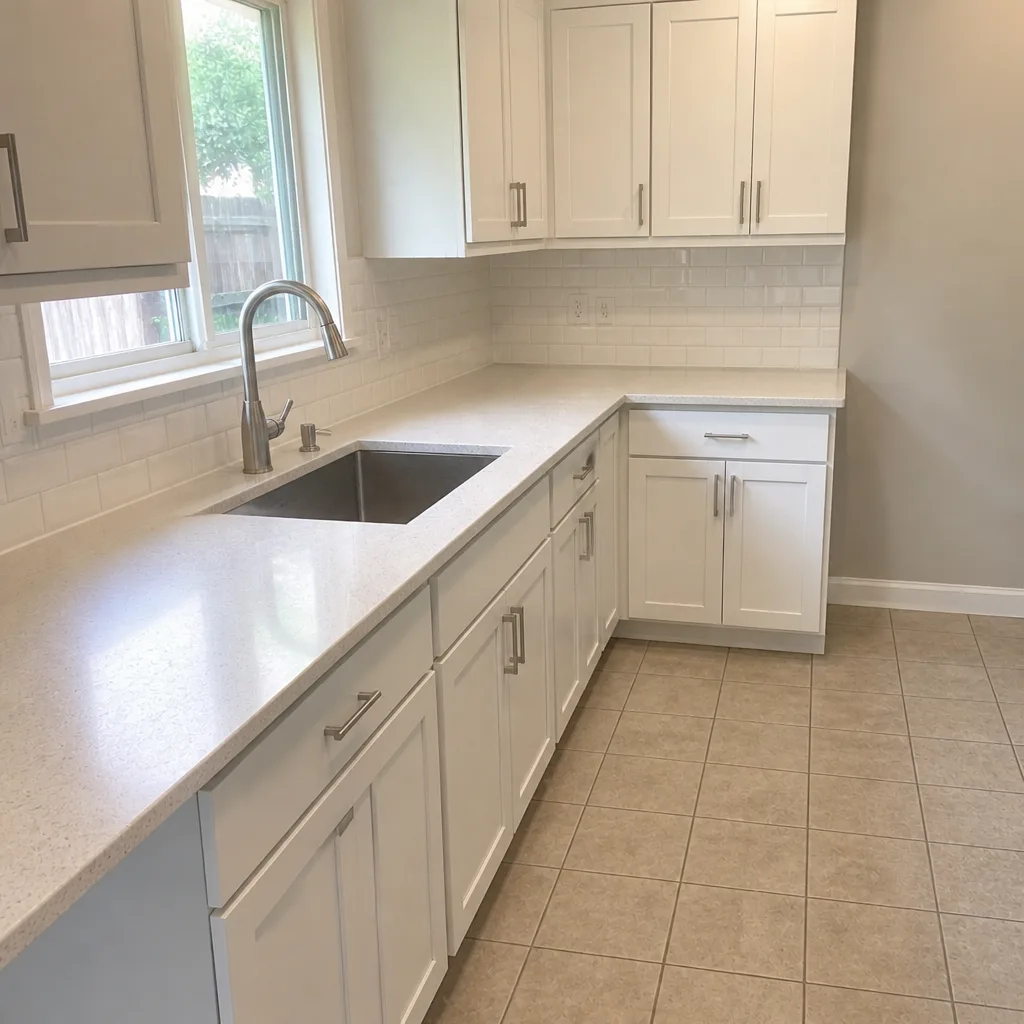 After
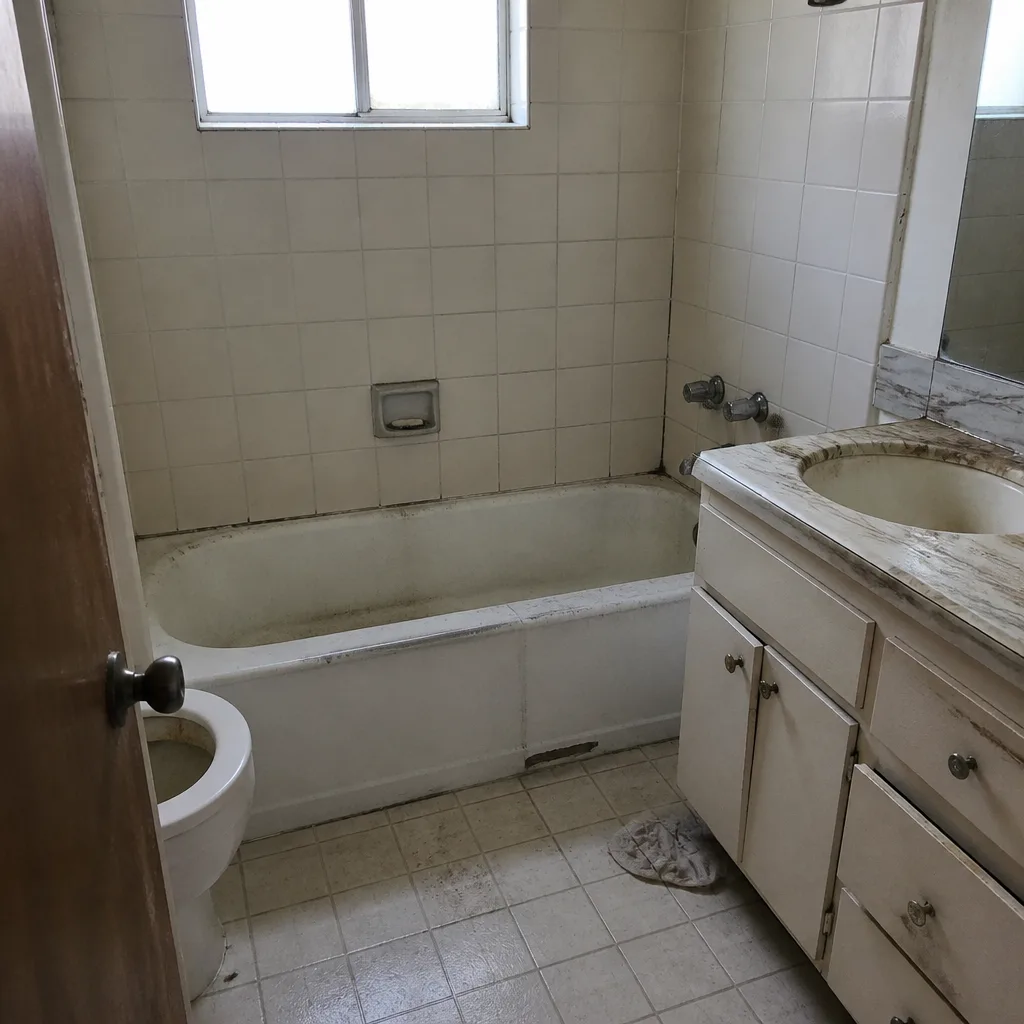 Before
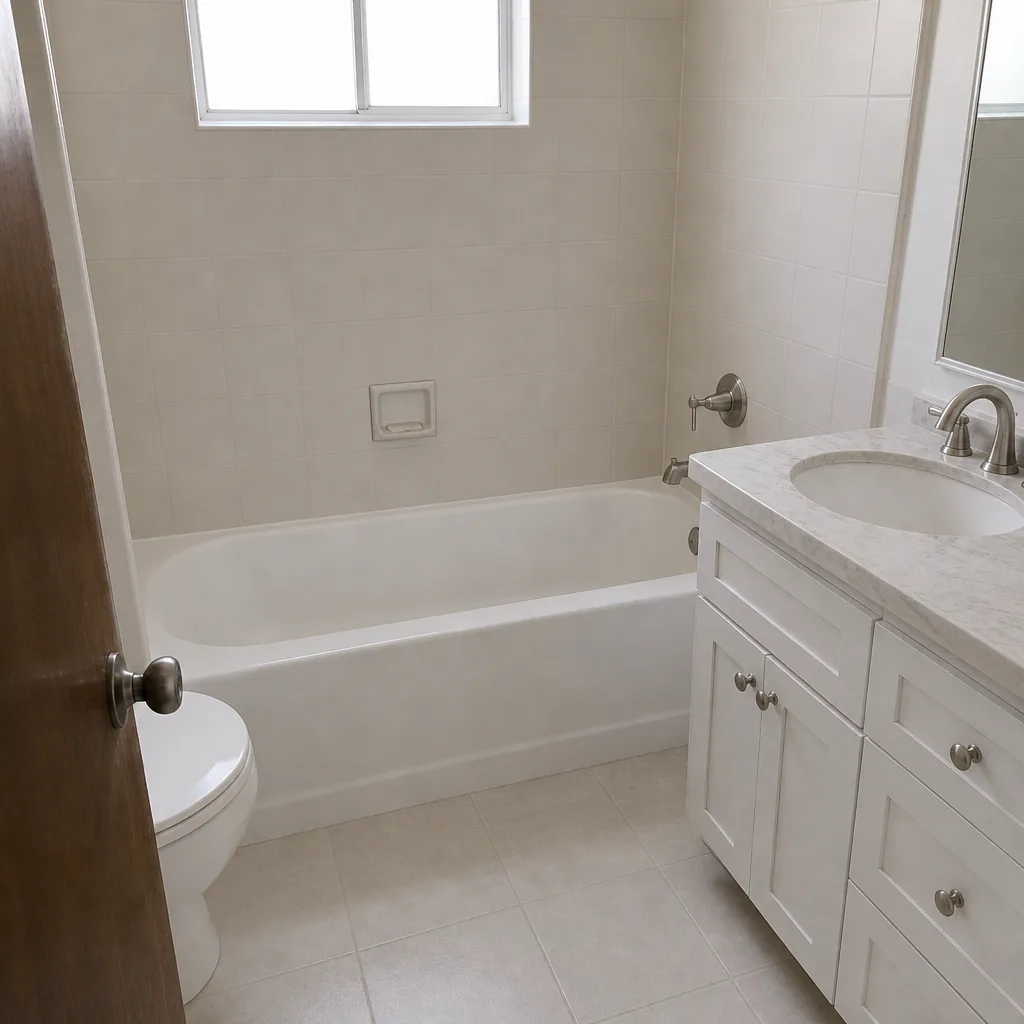 After
When to Call a Professional
Call a licensed contractor when wind has lifted shingles or flashing, when a fence post has pulled out of the ground, when a patio cover anchor is loose enough that you’d hesitate to sit under it, or when water is entering the house and you need it stopped before it becomes a structural problem. Also call when the damage looks small but the insurance adjuster is asking for a written scope, or when you’re not sure whether the damage is a repair or a replacement. Barrett & Sons Construction Santa Ana offers free estimates in Santa Ana – call (888) 325-4971. A live person answers, and we’ll give you a written line-item scope you can take to your carrier.
Frequently Asked Questions

Check fence post footings for movement, patio cover and pergola anchors for loose or rusted bolts, roof edge flashing and fascia for lifting or missing metal, gutter hangers for integrity, and any screws-mounted exterior fixture. In Santa Ana, the wind corridor hits the northeast-facing surfaces hardest, so inspect those elevations first. Anything that rocks, lifts, or catches wind under an edge needs attention before October. Call (888) 325-4971 for a free estimate on any of it.
Most homeowner policies in California expect you to report damage promptly, and “promptly” is generally a matter of days, not months. Photograph everything, make safe without making permanent, and call your carrier as soon as you can. Call a licensed contractor for a written assessment before the adjuster arrives so you’re comparing scope to scope. Our estimates are free, so there’s no reason to wait.
Not without your written approval. Every scope, allowance, and price change on our jobs arrives as a written change order before work proceeds. That’s the rule on every job, whether it’s a small repair or a full roof. If a contractor tells you the price might move once the work starts, get that answer in writing before you sign anything. Call (888) 325-4971 to schedule your free estimate and see the scope on paper first.
For repairs that meet the city’s threshold for a permit, yes, every time on eligible jobs. Emergency tarping and stabilization typically don’t need one; structural, electrical, and gas work generally do. The contractor who says permits are optional is telling you something important about how they work. We pull the permit and the inspection is signed, because the inspector works for you, not for us.
It depends entirely on scope, which is why we put everything in writing before work starts. A tarp-and-stabilize call is a small job. A fence section replacement, a flashing and fascia repair, or a partial roof repair scales from there. The honest answer is that we won’t quote you a number without seeing the damage, and any contractor who will is quoting a guess. Call (888) 325-4971 for a free estimate with a written line-item scope.
Two checks. First, look up the license number the contractor gives you on the California State License Board site and confirm the name and business match. Second, insist on a written scope and price before any deposit. A contractor who balks at either is one you don’t want on your roof. We publish our name, address, and license number because we expect you to check.
The Bottom Line
The homes that come through a Santa Ana wind or flood event with the least damage are the ones that did the unglamorous work before the event: fence footings anchored to depth, patio cover bolts checked, roof edge flashing sound, drainage path known, and a photo record of the house on file. None of that is a survival kit. All of it is the difference between a weekend repair and a month with a tarp on the roof. If you’re not sure where your home stands, get a free estimate and a written scope before the season turns.
Call Barrett & Sons Construction Santa Ana at (888) 325-4971 for a free estimate. A live person answers, day or night, and we’ll put every scope, every allowance, and every price in writing before work starts.
Written by the team at Barrett & Sons Construction Santa Ana.