Last updated November 18, 2026


Free written scope consultation - allowances, timeline, and change-order rules on paper before a single trade is scheduled
Construction Permits, Codes & Inspections in CA: What You Need to Know
Here’s a detail that catches a lot of Santa Ana homeowners off guard: a project can be drawn to the letter of the California Building Code and still fail a city inspection. The state sets the floor, but Santa Ana writes its own amendments on top of it, and those local amendments are where the surprises live. The 2023 code cycle didn’t change that arrangement. It just moved the numbers around. What this guide does is separate the two: the statewide rules every contractor should know, and the Santa Ana building department’s actual day-to-day practice. Timelines, fees, over-the-counter approvals, inspection scheduling, and what happens when a contractor skips the permit entirely.
Quick Answer
In California, most construction work that changes a structure, its electrical, plumbing, or mechanical systems needs a permit, and every project must meet the California Building Code. In Santa Ana specifically, whether you’re in and out of the building department in under an hour or waiting weeks for plan check depends on the scope: simple repairs and like-for-like replacements are usually over-the-counter, while additions, ADUs, and panel upgrades typically require plan review. Following the city’s local amendments and inspection schedule matters just as much as meeting state code, and a skipped permit can trigger code enforcement action.
Styles & brands we work with
- Kitchen remodeling
- Bathroom remodeling
- Home additions & ADU
- Roofing
- Windows & doors
- Driveway & pavers
- Fence
Table of Contents
- State code versus Santa Ana code: what actually differs
- Over-the-counter permits versus plan check in Santa Ana
- Santa Ana’s local amendments that hit common projects
- What happens when a contractor skips the permit in Santa Ana
- The ADU permit pathway and how AB 2221 changed it
- How to track your own inspection in Santa Ana’s portal
- What inspectors actually look for on inspection day
- Common mistakes to avoid
State code versus Santa Ana code: what actually differs
The California Building Code applies everywhere in the state, but cities are allowed to adopt amendments that make it stricter or more specific for local conditions. Santa Ana does exactly that. This matters because a homeowner reading the state code online, or reading a national blog about “California permits,” is reading the general rule, not the rule that applies on their street.
The differences usually show up in three places: fire and seismic requirements, water and energy efficiency standards tied to our climate, and property-line specifics like setbacks, fence heights, and lot coverage. A fence at the state-allowed height can run into a local limit or an HOA overlay. An electrical panel upgrade that’s compliant statewide can still need an extra inspection step depending on where the panel sits and how it’s grounded.
Practically, this means two things for a Santa Ana homeowner:
- The state code tells you what’s legal in California. It doesn’t tell you what Santa Ana will sign off on.
- Any contractor who says “we don’t need a permit for that, it’s fine under state code” is either misinformed or hoping you won’t check.
We’ve watched homeowners in Santa Ana learn this the expensive way: a finished project that fails an inspection because of a local amendment nobody read until the final walk-through. The fix is never free, and it’s never fast.
Over-the-counter permits versus plan check in Santa Ana
This is the single biggest timeline factor in any Santa Ana project, and it’s the part most homeowners underestimate. Two jobs of similar size can sit weeks apart on the calendar just because one is over-the-counter and the other needs plan review. The scope, not the cost, decides which lane you’re in.
Over-the-counter (OTC) permits are issued at the counter or through the city’s online portal, usually the same day once the application is complete. These cover the straightforward, well-understood work. Plan check is the deeper review: a reviewer looks at structural, fire, energy, and code compliance before the permit issues. That review takes time, and it can take more time if plans come back with corrections.
Here’s the rough split as of the 2025-2026 cycle:
- Usually over-the-counter: like-for-like water heater replacement, minor electrical and plumbing repairs, reroof of an existing single-family home with no structural changes, fence installation within height and setback limits, and simple window or door replacements that don’t change openings.
- Usually plan check: home additions and ADUs, structural remodels that move walls or beams, electrical service panel upgrades, new decks over a certain height, and any change that alters the building’s footprint or occupancy.
Santa Ana’s building department publishes current fees and submittal requirements on its own site, and the fee schedule is getting updated all the time. The best move for a homeowner is to call the department directly with the address and scope before signing anything. If you’re planning a larger job, our team at Barrett & Sons Construction Santa Ana walks the plans through that same process for you and pulls every eligible permit.
Santa Ana’s local amendments that hit common projects
Statewide code is the starting line. Santa Ana’s local amendments are the course. Three categories account for most of the friction on residential work here.
Fences
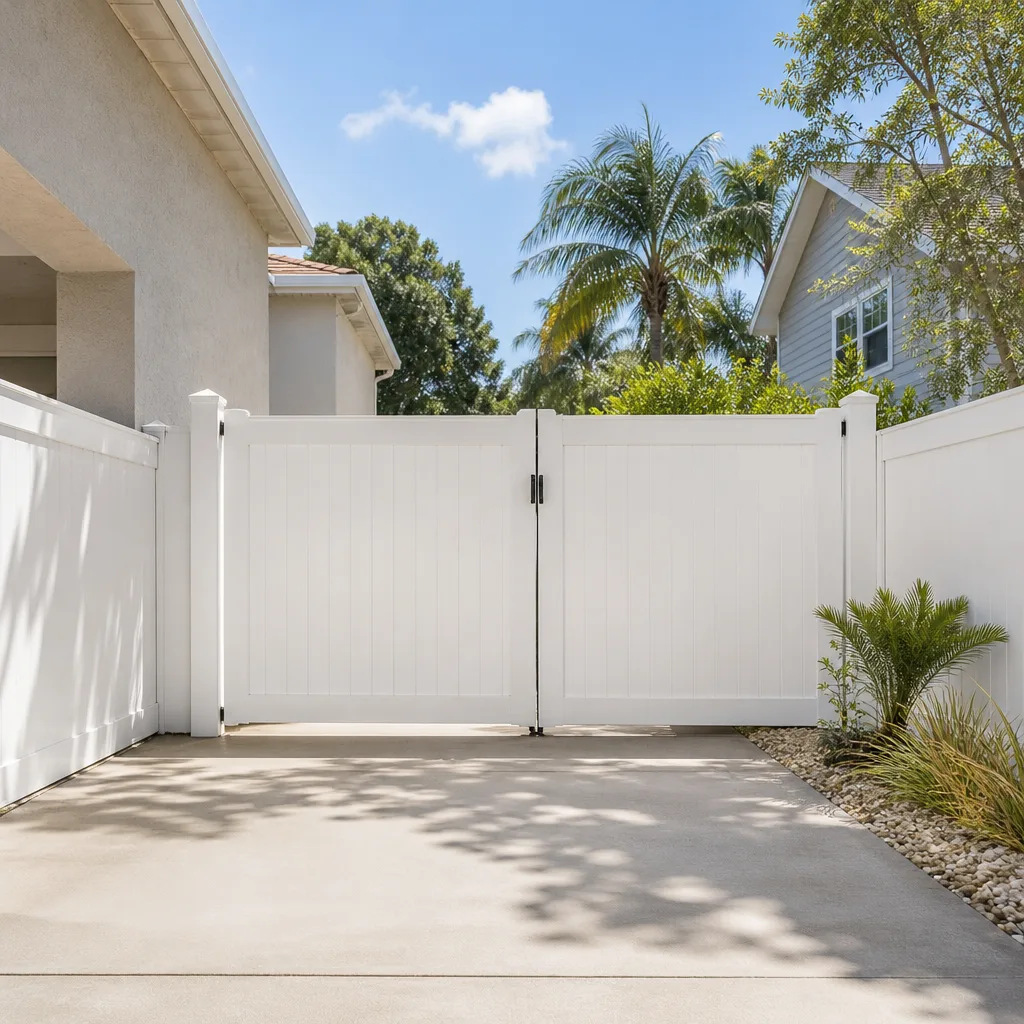
Fence height, setback from the property line, and materials all get local scrutiny. A back-yard fence at the state’s maximum height can still fail if it’s placed inside a setback or if the material blocks the required sight triangle at a driveway or corner lot. Santa Ana’s older neighborhoods have irregular lot lines, so “the fence stayed inside my property” is often the first thing an inspector checks. Get the setbacks and the permit pulled before the posts go in. If you’re planning new fencing, our Fence Installation in Santa Ana page goes deeper into the local rules.
ADUs
Accessory dwelling units get special treatment under state law, and cities are limited in what they can require, but construction standards still apply. Santa Ana’s local rules cover height, setbacks, parking, and design standards within limits the state permits. The full breakdown lives on our Home Additions & ADU in Santa Ana page.
Electrical panel upgrades
Panel upgrades are one of the most common permit submissions in Santa Ana, and one of the most likely to draw corrections. Newer code requires specific grounding, arc-fault protection, and load calculations before the permit is issued. In a house built before the 1980s, the panel you’re replacing often needs more than a swap. The load calc alone can force other electrical work. We don’t recommend anyone touch a panel themselves. This is life-safety equipment, and the inspectors will treat it that way. A state-licensed electrician pulls the permit and does the work.
What happens when a contractor skips the permit in Santa Ana
Unpermitted work is the most common problem we hear about in Santa Ana, and it’s the one with the longest tail. The city has an active code enforcement division, and complaints can come from a neighbor, a buyer’s inspector, an appraiser, or the city itself when a job comes to their attention.
Here’s what actually happens when unpermitted work gets flagged:
- The city opens a code enforcement case. You’ll be notified, and a case number is assigned. You’re the homeowner of record, so you’re the one on the hook.
- Work stops, or gets ordered to. Depending on the scope, a stop-work notice can be issued even if the work is finished.
- You file for the permit the contractor should have pulled. That means plans, review, and fees. It’s the same process, just starting late.
- Walls may have to be opened for inspection. A finished kitchen or bathroom often needs to come apart so the inspector can see the wiring, plumbing, and framing.
- Corrections and a second inspection follow. Anything not to code gets fixed, reinspected, and signed.
- Disclosure at sale. Unpermitted work has to be disclosed, and buyers routinely walk or negotiate down.
We’ve seen Santa Ana homeowners spend more to legalize a finished job than the permit would have cost at the start, plus months of back-and-forth. The permit isn’t red tape. It’s the paper trail that protects the sale price of your house. The inspector works for you, not for the contractor.
The ADU permit pathway and how AB 2221 changed it
State law has steadily removed barriers for ADUs, and AB 2221 (effective 2023) tightened the clock on local review. The short version for a Santa Ana homeowner: the city has to act within the state’s review window or the application is deemed approved, and the city can’t layer on requirements state law doesn’t allow.
What that means in practice:
- The city can’t require a minimum lot size, a minimum square footage below the state threshold, or a parking space within half a mile of transit.
- Design review is limited. The city can apply objective standards, not subjective ones.
- Owner-occupancy requirements were eliminated for ADUs under state law, though the rules have moved around, so confirm the current status with the department for your specific case.
The basic path for a Santa Ana ADU looks like this:
- Confirm zoning and lot eligibility for the address.
- Have plans drawn to state and local standards (structural, energy, fire).
- Submit for plan check through the city.
- Pick up the permit and schedule inspections at foundation, framing, rough-in, and final.
- Get the final signed inspection and keep the paperwork with the house records.
Plan check on an ADU is one of the more involved applications in Santa Ana, and it’s not a same-week process. Budget the time before you rent or move anyone in. Our team handles the full permit run for ADUs and additions, and every price change along the way is a written change order, not a verbal surprise.
How to track your own inspection in Santa Ana’s portal
You never have to take a contractor’s word that an inspection passed. Santa Ana runs an online permit and inspection portal where you can look up the status of any permit tied to your address. That’s the single most useful five minutes you’ll spend on your project.
Here’s how it works:
- Go to the city’s permit and inspection portal (linked from the Santa Ana building department page).
- Search by address or by permit number. The permit number is on the application your contractor filed.
- Read the status. “Issued,” “Inspection Scheduled,” “Passed,” “Failed,” and “Corrections” all mean different things, and they tell you exactly where the job stands.
- Review inspection results. A failed inspection usually lists the specific code section and what needs fixing.
- Request your own copy of the final signed inspection. This is the document a buyer’s inspector will ask for.
If the portal shows corrections outstanding, they’re outstanding. We’ve seen jobs sit for weeks because a contractor didn’t follow up on a correction the inspector flagged, and the permit never closed out. Ask for the permit number at the start, and check it at the end. If you’re not sure how to read what you’re looking at, call us and we’ll walk you through it.
What inspectors actually look for on inspection day
An inspection isn’t a personality test. It’s a checklist. Knowing what’s on it removes most of the anxiety, and it also tells you what questions to ask your contractor before the job begins.
For a residential remodel or addition in Santa Ana, the checklist usually lines up with the project’s stages:
- Foundation: rebar size and spacing, depth, anchoring, and pre-pour sign-off before concrete goes in.
- Framing: nailing, shear panels, hold-downs, and any structural changes to plan. This is where most corrections happen.
- Rough plumbing and electrical: pipe sizes and slope, venting, wire gauge, box fill, grounding, and arc-fault protection.
- Insulation and energy: the required R-value, air sealing, and documentation for the energy compliance form.
- Final: everything above, plus fixtures, smoke and carbon monoxide alarms, and a signed clean-out of the permit.
Two details trip people up in Santa Ana specifically. First, older neighborhoods often have a mix of old and new systems, and the inspector will look at the connection between them, not just the new work. Second, remodels that touch the building envelope can trigger energy upgrades you didn’t budget for. That’s a code requirement, not a contractor upsell. A good contractor tells you that before you sign, not on inspection day.
Common Mistakes to Avoid
- Starting work before the permit is issued. Even the demolition can be a violation in Santa Ana. Wait for the number.
- Reading the California code and skipping the local amendments. Two documents, two different answers. The city’s version wins.
- Assuming a like-for-like replacement never needs a permit. Some do, some don’t, and Santa Ana’s rules change by scope. Call the department with the exact address.
- Not checking the permit status in the portal. A “passed” inspection should show up with a date and a signature. If it doesn’t, it didn’t pass.
- Ignoring a correction notice. Corrections don’t go away on their own. The permit stays open until it’s signed, and an open permit can block a sale.
- Letting an unlicensed contractor “handle” the permit. In California, permits are issued to licensed contractors who can prove they’ll be on the job. Ask to see the license and the permit.
- Not keeping the final inspection paperwork. This is the document your eventual buyer will ask for. Keep a copy with the house file.
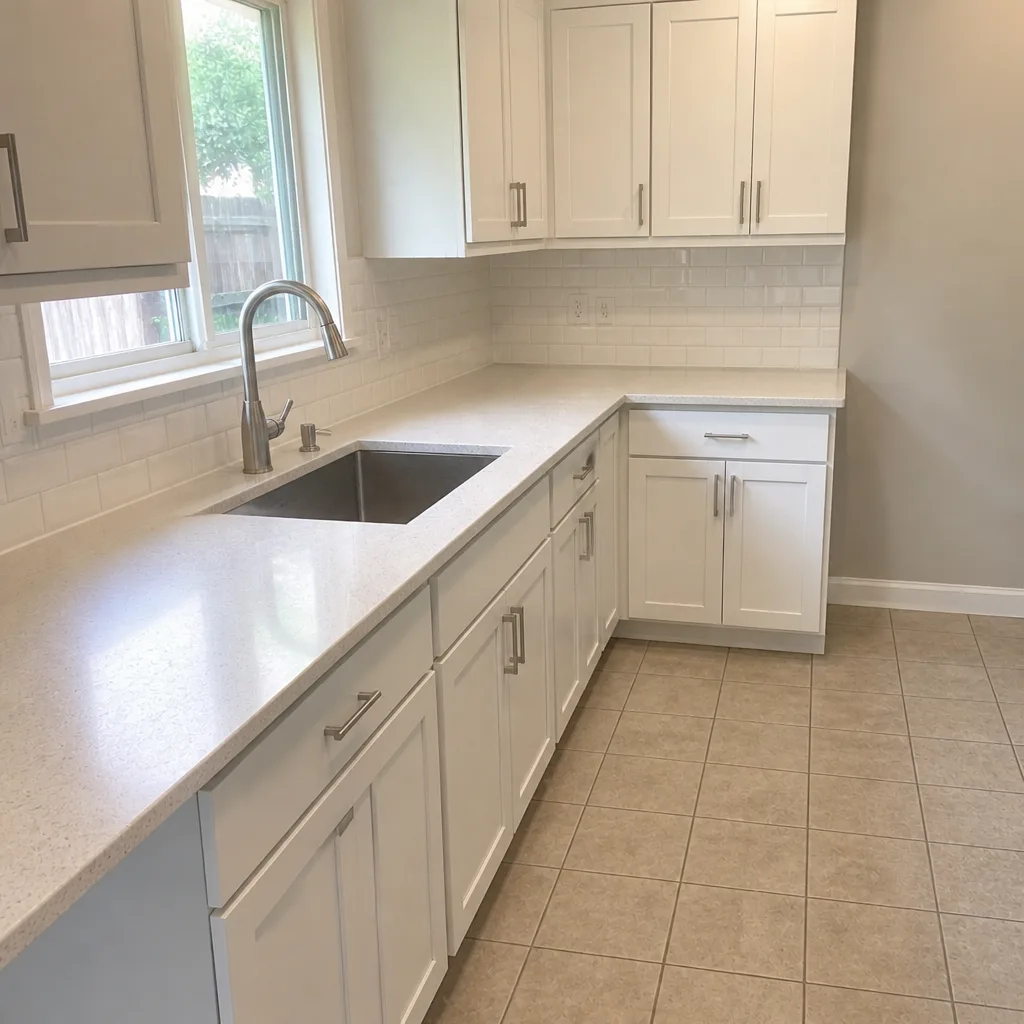
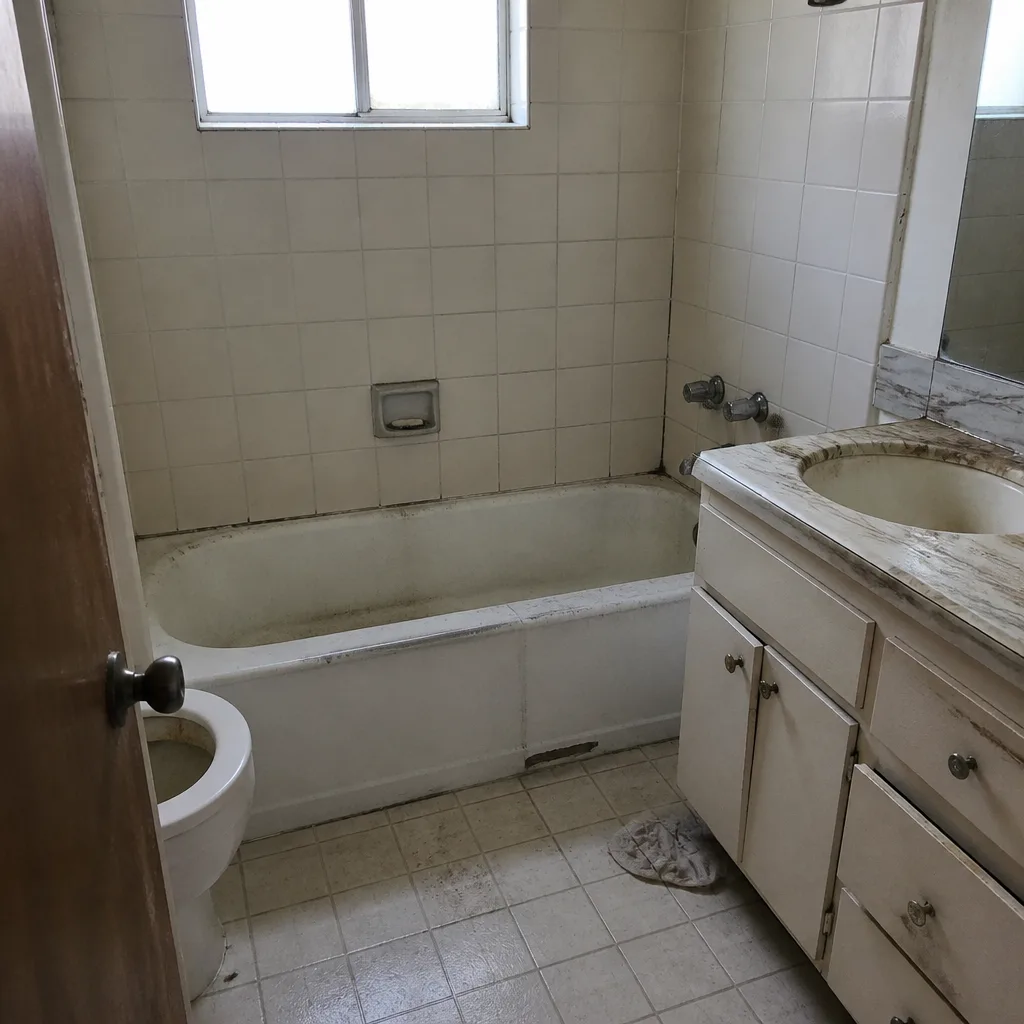
See the difference
 Before
 After
 Before
 After
 Before
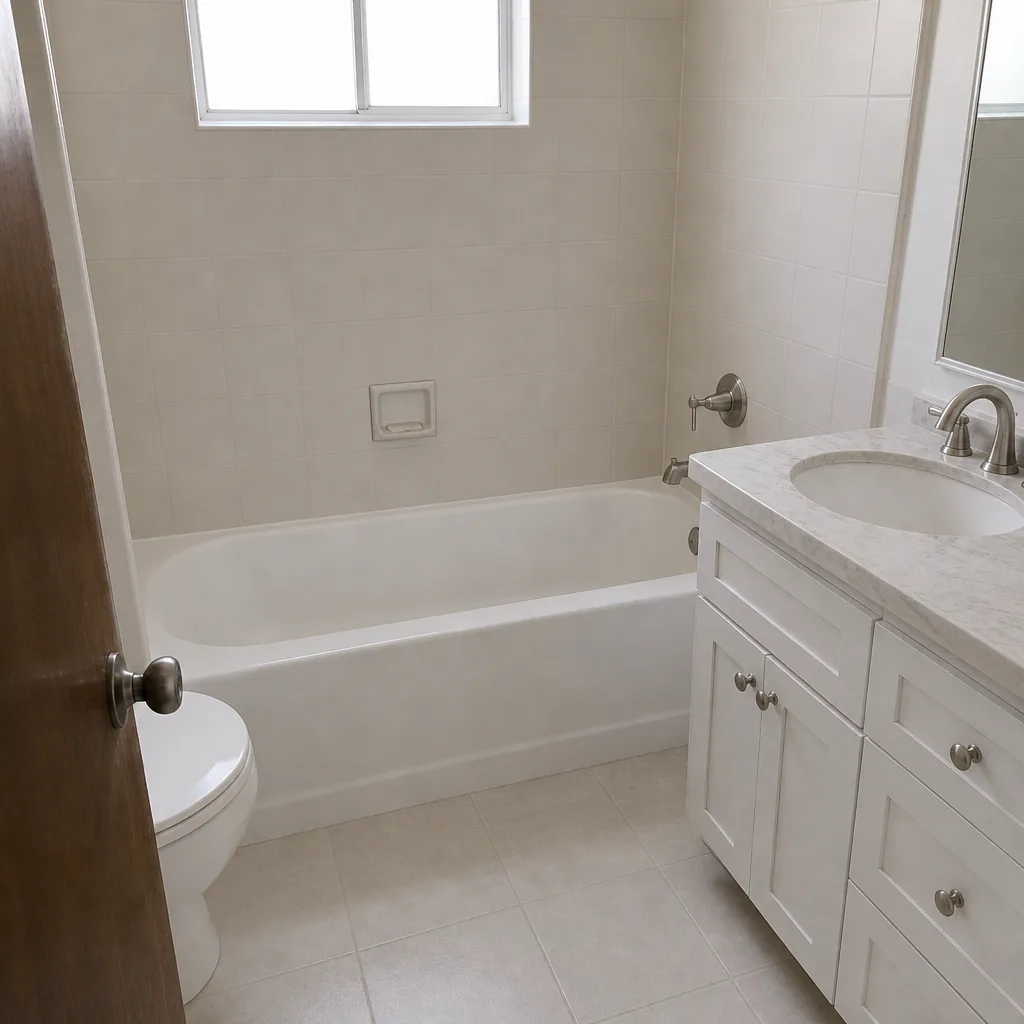 After
When to Call a Professional
Some permits are straightforward. Others need a licensed contractor’s name on the application, the work, and the inspection. You should call a professional when the project touches structural elements, the electrical service panel, gas lines, or anything with height and fall risk. Roof work on a two-story home and any panel upgrade qualify. So does anything that requires plan check, because the corrections process can drag out without someone experienced managing it. Barrett & Sons Construction Santa Ana offers free estimates in Santa Ana, and we pull every eligible permit and sign every inspection. If you already have a written estimate from someone else, we’ll give you a second opinion on it at no charge – call (888) 325-4971.
Frequently Asked Questions
Yes, a reroof generally requires a permit in Santa Ana. The permit covers the tear-off, the underlayment, and the inspection of the completed roof, and it’s usually issued through the over-the-counter process for a single-family home with no structural changes. The size of the job doesn’t matter as much as the scope. Call (888) 325-4971 for a free estimate, and we’ll confirm the permit path for your roof before anyone climbs a ladder.
Over-the-counter permits can be issued the same day once the application is complete, while plan check for additions, ADUs, and panel upgrades takes longer and depends on the reviewer’s corrections list. The single biggest variable is whether your plans come back clean or with corrections. Call (888) 325-4971 to talk through your project timeline, and estimates are free.
In California, a homeowner can pull a permit for work on their own primary residence, but not for work that will be sold or rented, and not for work that requires a licensed contractor by law. Electrical, gas, and structural work generally falls into the licensed-professional category. If you’re not certain which bucket your project is in, call (888) 325-4971 and we’ll tell you straight.
The city can open a code enforcement case against you as the homeowner of record, order work stopped, and require you to legalize the work through the full permit process, which often means opening walls for inspection. Correction costs and fees fall on you, not the contractor who skipped it. Call (888) 325-4971 if you’re dealing with unpermitted work and want an honest read on what it takes to fix it.
Yes, an ADU requires a permit and full plan check in Santa Ana, though state law limits what the city can require during review. AB 2221 tightened the review timeline, so the city has to act within the state window or the application is deemed approved. Call (888) 325-4971 for a free estimate on your ADU project, and we’ll handle the plan check.
It should be, and it should be listed as its own line item so you can see exactly what the city is charging. Any change to that number after work starts should arrive as a written change order before the work proceeds, not as a surprise invoice at the end. Call (888) 325-4971 for a written estimate with the permit fees spelled out.
The Bottom Line
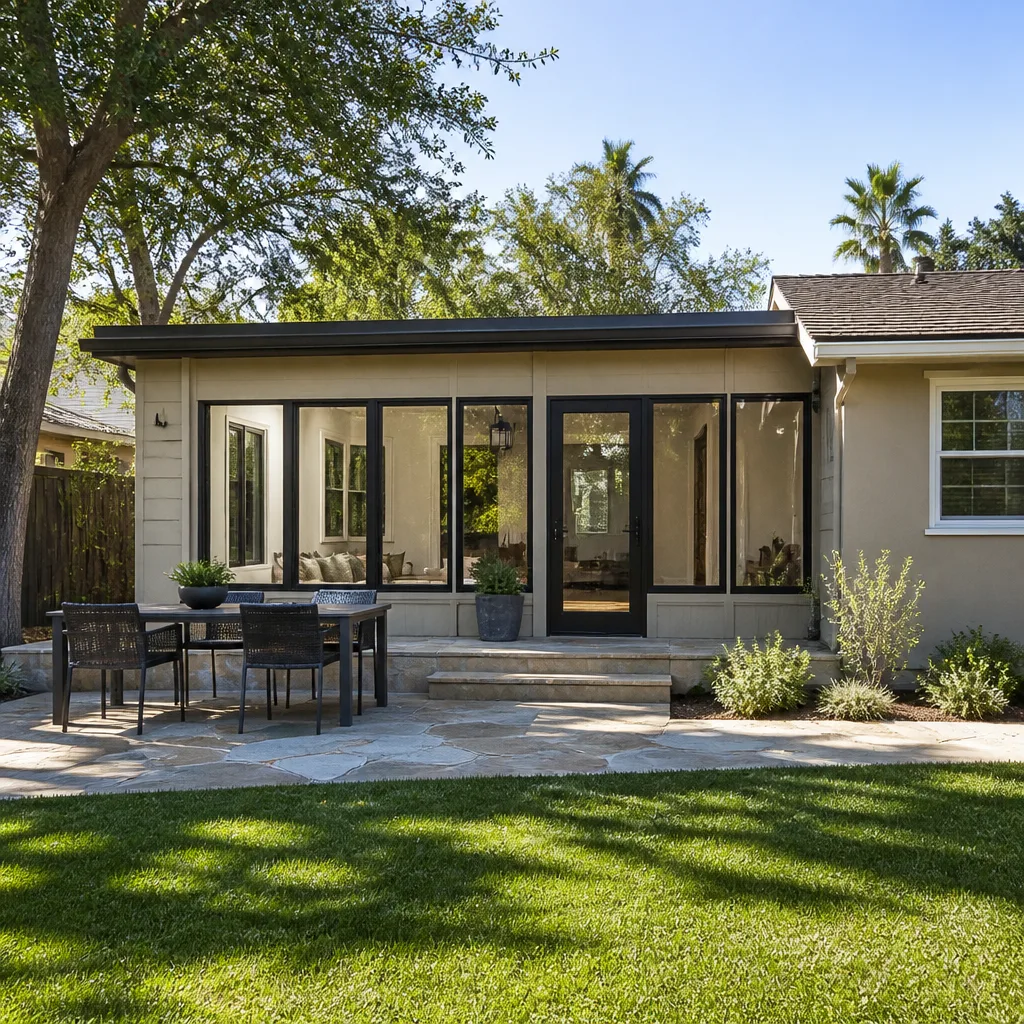
California’s building code is the baseline. Santa Ana’s local amendments, plan-check timelines, and inspection schedule are the real rules that decide whether your project moves at a steady pace or stalls in corrections. Get the permit number before work starts, track it in the city’s portal, and don’t sign a contract that treats the permit as optional. The homeowners who avoid the painful surprises are the ones who check the license, read the amendments, and keep the final signed inspection in the house file. That’s a habit worth having in Santa Ana, and it’s the one we build every job around – written scope, written allowances, written change orders, permits pulled and inspections signed, backed by the 90-Day Done Right Promise.
If you’re planning a kitchen or bath remodel, a new roof, windows and doors, a fence, a driveway with Unilock or Techo-Bloc pavers, or an ADU, our crew does the full permit run and stays with the job through the final inspection. Driveway work is covered in detail on our Driveway & Pavers in Santa Ana page. Call (888) 325-4971 for a free estimate, and you’ll get a written line-item quote with the permit path spelled out before anyone touches your house. A live person answers the phone every time.
Written by the team at Barrett & Sons Construction Santa Ana.